[Preprint]. 2020 Mar 27:2020.03.22.002386.
doi: 10.1101/2020.03.22.002386.

A SARS-CoV-2-Human Protein-Protein Interaction Map Reveals Drug Targets and Potential Drug-Repurposing

David E Gordon  1   2   3   4 Gwendolyn M Jang  1   2   3   4 Mehdi Bouhaddou  1   2   3   4 Jiewei Xu  1   2   3   4 Kirsten Obernier  1   2   3   4 Matthew J O'Meara  5 Jeffrey Z Guo  1   2   3   4 Danielle L Swaney  1   2   3   4 Tia A Tummino  1   2   6 Ruth Huettenhain  1   2   3   4 Robyn M Kaake  1   2   3   4 Alicia L Richards  1   2   3   4 Beril Tutuncuoglu  1   2   3   4 Helene Foussard  1   2   3   4 Jyoti Batra  1   2   3   4 Kelsey Haas  1   2   3   4 Maya Modak  1   2   3   4 Minkyu Kim  1   2   3   4 Paige Haas  1   2   3   4 Benjamin J Polacco  1   2   3   4 Hannes Braberg  1   2   3   4 Jacqueline M Fabius  1   2   3   4 Manon Eckhardt  1   2   3   4 Margaret Soucheray  1   2   3   4 Melanie J Bennett  1   2   3   4 Merve Cakir  1   2   3   4 Michael J McGregor  1   2   3   4 Qiongyu Li  1   2   3   4 Zun Zar Chi Naing  1   2   3   4 Yuan Zhou  1   2   3   4 Shiming Peng  1   2   6 Ilsa T Kirby  1   4   7 James E Melnyk  1   4   7 John S Chorba  1   4   7 Kevin Lou  1   4   7 Shizhong A Dai  1   4   7 Wenqi Shen  1   4   7 Ying Shi  1   4   7 Ziyang Zhang  1   4   7 Inigo Barrio-Hernandez  8 Danish Memon  8 Claudia Hernandez-Armenta  8 Christopher J P Mathy  1   9   10   2 Tina Perica  1   2   9 Kala B Pilla  1   2   9 Sai J Ganesan  1   2   9 Daniel J Saltzberg  1   2   9 Rakesh Ramachandran  1   2   9 Xi Liu  1   2   6 Sara B Rosenthal  11 Lorenzo Calviello  12 Srivats Venkataramanan  12 Jose Liboy-Lugo  12 Yizhu Lin  12 Stephanie A Wankowicz  1   13   9 Markus Bohn  6 Phillip P Sharp  4 Raphael Trenker  14 Janet M Young  15 Devin A Cavero  3 Joseph Hiatt  16   3 Theodore L Roth  16   3 Ujjwal Rathore  3 Advait Subramanian  1   17 Julia Noack  1   17 Mathieu Hubert  18 Ferdinand Roesch  19 Thomas Vallet  19 Björn Meyer  19 Kris M White  20 Lisa Miorin  20 Oren S Rosenberg  21   22   23 Kliment A Verba  1   2   6 David Agard  1   24 Melanie Ott  3   21 Michael Emerman  25 Davide Ruggero  26   27   4 Adolfo García-Sastre  20 Natalia Jura  1   14   4 Mark von Zastrow  1   1   4   28 Jack Taunton  1   2   4 Alan Ashworth  1   27 Olivier Schwartz  18 Marco Vignuzzi  19 Christophe d'Enfert  29 Shaeri Mukherjee  1   17 Matt Jacobson  6 Harmit S Malik  15 Danica G Fujimori  1   4   6 Trey Ideker  30 Charles S Craik  6   27 Stephen Floor  12   27 James S Fraser  1   2   9 John Gross  1   2   6 Andrej Sali  1   2   6   9 Tanja Kortemme  1   9   10   2 Pedro Beltrao  8 Kevan Shokat  1   4   7 Brian K Shoichet  1   2   6 Nevan J Krogan  1   2   3   4
Affiliations

A SARS-CoV-2-Human Protein-Protein Interaction Map Reveals Drug Targets and Potential Drug-Repurposing

David E Gordon et al. bioRxiv. .

Update in

  • A SARS-CoV-2 protein interaction map reveals targets for drug repurposing.
    Gordon DE, Jang GM, Bouhaddou M, Xu J, Obernier K, White KM, O'Meara MJ, Rezelj VV, Guo JZ, Swaney DL, Tummino TA, Hüttenhain R, Kaake RM, Richards AL, Tutuncuoglu B, Foussard H, Batra J, Haas K, Modak M, Kim M, Haas P, Polacco BJ, Braberg H, Fabius JM, Eckhardt M, Soucheray M, Bennett MJ, Cakir M, McGregor MJ, Li Q, Meyer B, Roesch F, Vallet T, Mac Kain A, Miorin L, Moreno E, Naing ZZC, Zhou Y, Peng S, Shi Y, Zhang Z, Shen W, Kirby IT, Melnyk JE, Chorba JS, Lou K, Dai SA, Barrio-Hernandez I, Memon D, Hernandez-Armenta C, Lyu J, Mathy CJP, Perica T, Pilla KB, Ganesan SJ, Saltzberg DJ, Rakesh R, Liu X, Rosenthal SB, Calviello L, Venkataramanan S, Liboy-Lugo J, Lin Y, Huang XP, Liu Y, Wankowicz SA, Bohn M, Safari M, Ugur FS, Koh C, Savar NS, Tran QD, Shengjuler D, Fletcher SJ, O'Neal MC, Cai Y, Chang JCJ, Broadhurst DJ, Klippsten S, Sharp PP, Wenzell NA, Kuzuoglu-Ozturk D, Wang HY, Trenker R, Young JM, Cavero DA, Hiatt J, Roth TL, Rathore U, Subramanian A, Noack J, Hubert M, Stroud RM, Frankel AD, Rosenberg OS, Verba KA, Agard DA, Ott M, Emerman M, Jura N, von Zastrow M, Verdin E, Ashworth A, Schwartz O, d'Enfert C, Mukherjee S, Jacobson M, Malik HS, Fujimori DG, Ideker T, Craik CS,… See abstract for full author list ➔ Gordon DE, et al. Nature. 2020 Jul;583(7816):459-468. doi: 10.1038/s41586-020-2286-9. Epub 2020 Apr 30. Nature. 2020. PMID: 32353859 Free PMC article.

Abstract

An outbreak of the novel coronavirus SARS-CoV-2, the causative agent of COVID-19 respiratory disease, has infected over 290,000 people since the end of 2019, killed over 12,000, and caused worldwide social and economic disruption1,2. There are currently no antiviral drugs with proven efficacy nor are there vaccines for its prevention. Unfortunately, the scientific community has little knowledge of the molecular details of SARS-CoV-2 infection. To illuminate this, we cloned, tagged and expressed 26 of the 29 viral proteins in human cells and identified the human proteins physically associated with each using affinity-purification mass spectrometry (AP-MS), which identified 332 high confidence SARS-CoV-2-human protein-protein interactions (PPIs). Among these, we identify 67 druggable human proteins or host factors targeted by 69 existing FDA-approved drugs, drugs in clinical trials and/or preclinical compounds, that we are currently evaluating for efficacy in live SARS-CoV-2 infection assays. The identification of host dependency factors mediating virus infection may provide key insights into effective molecular targets for developing broadly acting antiviral therapeutics against SARS-CoV-2 and other deadly coronavirus strains.


Conflict of interest statement

Conflicts: The Krogan Laboratory has received research support from Vir Biotechnology and F. Hoffmann-La Roche. Kevan Shokat has consulting agreements for the following companies involving cash and/or stock compensation: Black Diamond Therapeutics, BridGene Biosciences, Denali Therapeutics, Dice Molecules, eFFECTOR Therapeutics, Erasca, Genentech/Roche, Janssen Pharmaceuticals, Kumquat Biosciences, Kura Oncology, Merck, Mitokinin, Petra Pharma, Qulab Inc. Revolution Medicines, Type6 Therapeutics, Venthera, Wellspring Biosciences (Araxes Pharma). Jack Taunton is a cofounder and shareholder of Global Blood Therapeutics, Principia Biopharma, Kezar Life Sciences, and Cedilla Therapeutics. Jack Taunton and Phillip P. Sharp are listed as inventors on a provisional patent application describing PS3061.

Figures
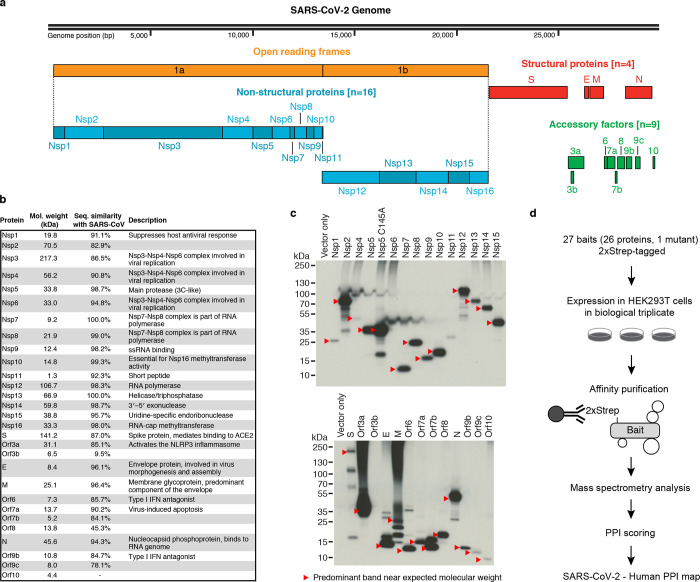
Figure 1:
Figure 1:. AP-MS Workflow for Identification of SARS-CoV-2 Host Protein-Protein Interactions.
(a) SARS-CoV-2 genome annotation. (b) Table of the SARS-CoV-2 proteins, including molecular weight, sequence similarity with the SARS-CoV homolog, and inferred function based on the SARS-CoV homolog. (c) Immunoblot detection of 2xStrep tag demonstrates expression of each bait in input samples, as indicated by red arrowhead. (d) Experimental workflow for expressing each 2xStrep tagged SARS-CoV-2 fusion protein in biological triplicate in HEK293T cells, followed by affinity purification-mass spectrometry, and PPI scoring to identify 332 high confidence protein-protein interactions.
Figure 2:
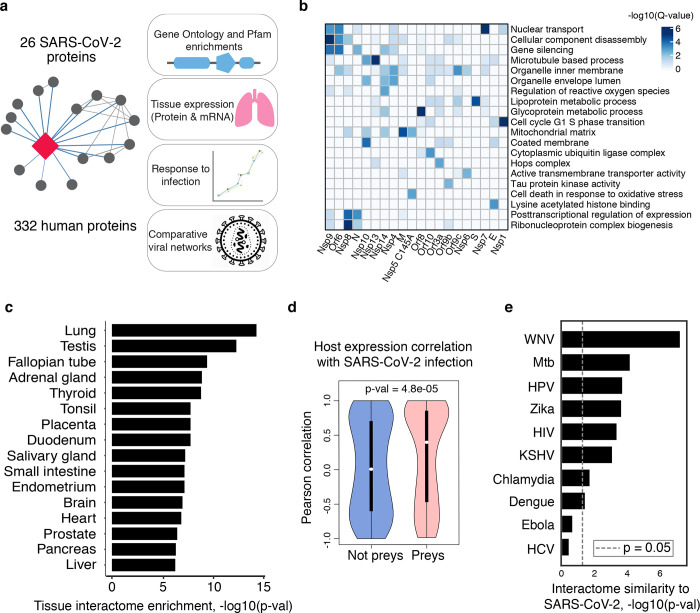
Figure 2:. Global Analysis of SARS-CoV-2 Protein Interactions.
(a) Overview of global analyses performed. (b) Gene Ontology (GO) enrichment analysis performed on the human interacting proteins of each viral protein (Methods). The top GO term of each viral protein was selected for visualization. (c) Degree of differential protein expression for the human interacting proteins across human tissues. We obtained protein abundance values for the proteome in 29 human tissues and calculated the median level of abundance for the set of human interacting proteins (top 16 tissues shown). This median value was then compared with the distribution of abundance values for the full proteome in each tissue and summarized as a Z-score from which a p-value was calculated and adjusted for multiple tests. (d) Distribution of correlation of protein level changes during SARS-CoV-2 infection for pairs of viral-human proteins. (e) Significance of the overlap of human interacting proteins between SARS-CoV-2 and other pathogens.
Figure 3:
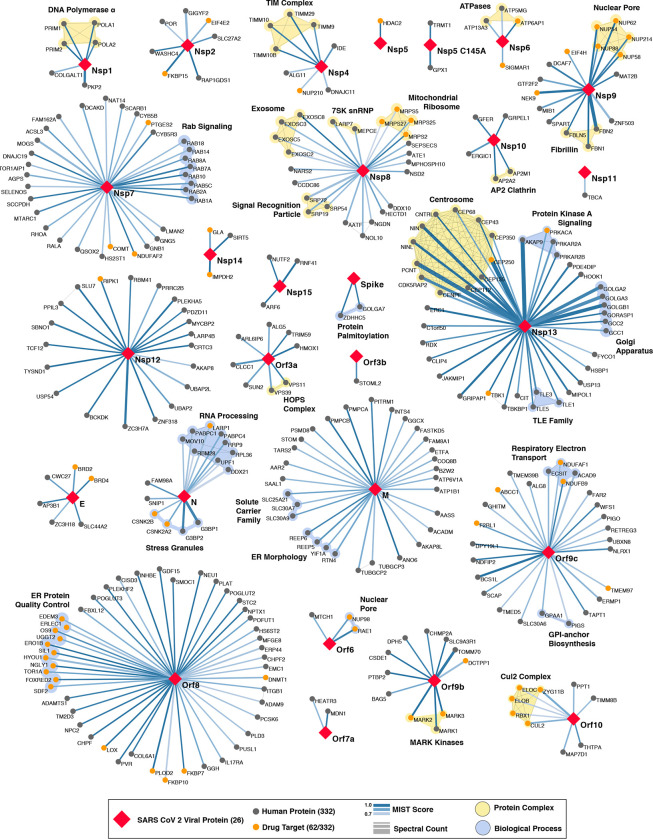
Figure 3:. SARS-CoV-2 Protein-Protein Interaction Network.
In total, 332 high confidence interactions are represented between 26 SARS-CoV-2 proteins and their human interactors. Red diamonds represent a SARS-CoV-2 viral protein, interacting human host proteins are represented with circles, with drug targets in orange. Edge color is proportional to MiST score and edge thickness proportional to spectral counts. Physical interactions among host proteins are noted as thin black lines, protein complexes are highlighted in yellow, and proteins sharing the same biological process are highlighted in blue.
Figure 4:
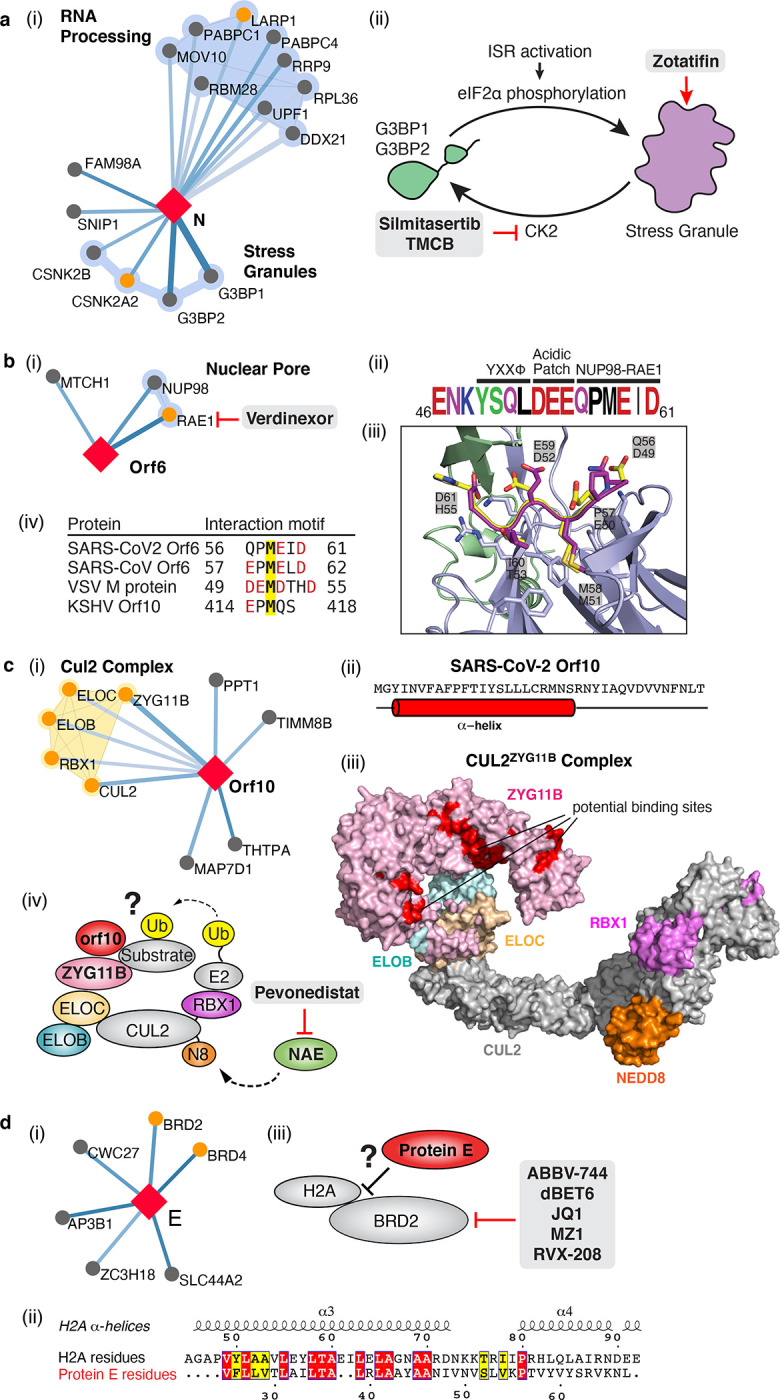
Figure 4:. The SARS-CoV-2 interactome reveals novel aspects of SARS-CoV-2 biology that can be targeted pharmacologically.
(a) Protein N targets stress granule proteins. (i) Protein N interactome. (ii) Model for therapeutic targeting of N interactions in the formation of stress granules (SGs). SGs are known to exhibit antiviral activity, with the integrative stress response (ISR) inducing eIF2α phosphorylation and SG formation, and Casein kinase II (CK2) disrupting and preventing the formation of SGs. By activating SG formation, or inhibiting CK2, the cellular environment could potentially shift to a more antiviral state. (b) Orf6 interacts with an interferon-inducible mRNA nuclear export complex. (i) Orf6 interactome including small molecule inhibitors for RAE. (ii) Annotated C-terminal sequence of SARS-CoV-2 Orf6, highlighting previously described trafficking motifs and the putative NUP98-RAE1 binding sequence. Colors indicate chemical properties of amino acids: polar (G,S,T,Y,C, green), neutral (Q,N, purple), basic (K, R, H, blue), acidic (D, E, red), and hydrophobic (A, V, L, I, P, W, F, M, black). (iii) SARS-CoV-2 Orf6 carboxy-terminal peptide modeled into the binding site of the VSV M protein-NUP98-RAE1 complex (PDB ID: 4OWR). Orf6 shown in dark purple, M protein in yellow, NUP98 in green, and RAE1 in light purple. Orf6 and M protein residues labeled. RAE1 hydrophobic residues contacting the key methionine and basic patch residues of RAE1 and NUP98 are shown. (iv) Putative NUP98-RAE1 interaction motifs present in proteins from several viral species. The consensus motif consists of negatively charged residues (red) surrounding a conserved methionine (yellow). (c) Orf10 interacts with the CUL2ZYG11B complex. (i) Orf10 interactome. (ii) The secondary structure of Orf10 contains an alpha helix motif. (iii) Surface representation of the homology model for CUL2ZYG11B complex, residues that are conserved amongst ZYG11B orthologues from various species are indicated in red are likely protein interaction surfaces for binding substrates and other proteins. (iv) A possible model of how Orf10 binds to the CUL2ZYG11B complex to hijack the complex for ubiquitination or viral restriction factors and how it can be targeted pharmacologically. (d) Envelope (E) interacts with bromodomain proteins. (i) E interactome. (ii) Sequence alignment of highlighted regions of E and Histone 2A (H2A). The positions with identical and similar amino acid residues are highlighted in red and yellow, respectively. Note the greater hydrophobicity of E may indicate a part of the alignment represents a transmembrane segment. (iii) Model of how E might mimic the BRD2 native interaction partner Histone 2A and how BRD2 can be targeted pharmacologically.
Figure 5:
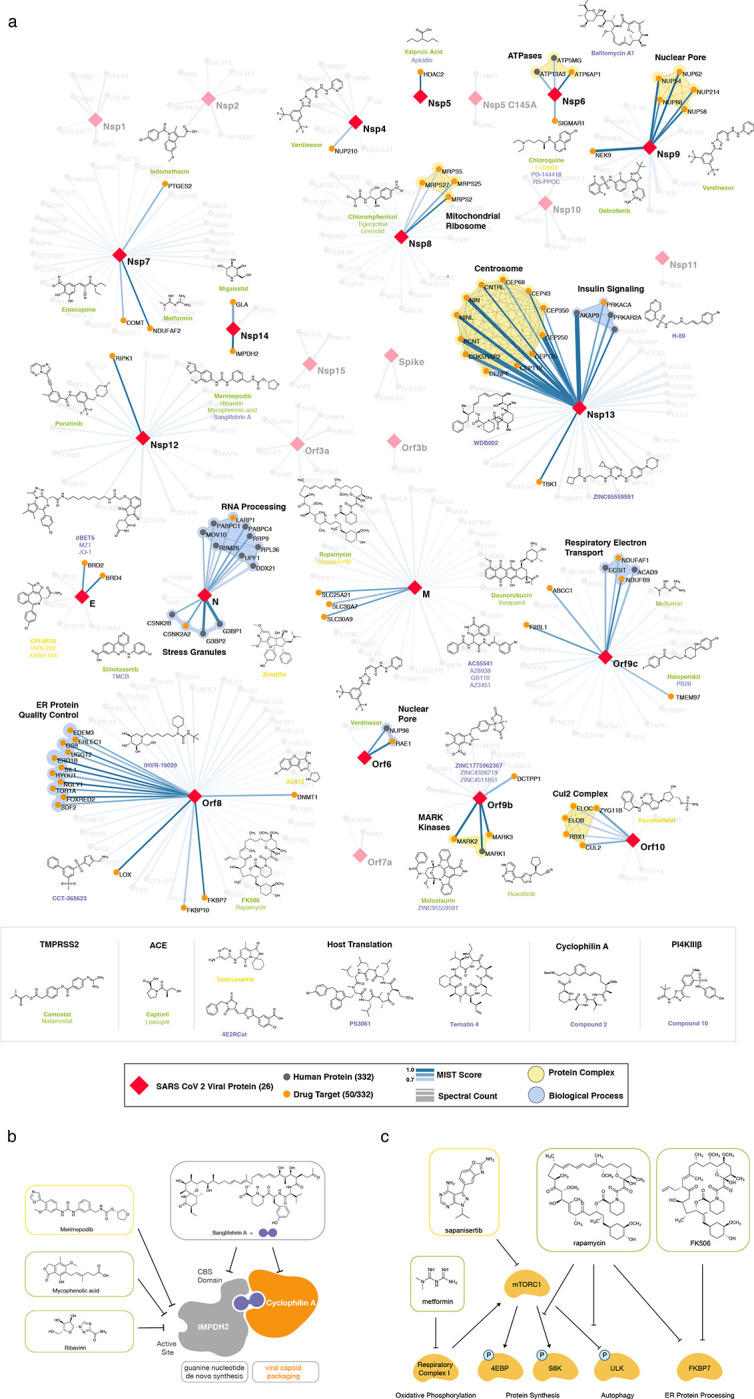
Figure 5:. Drug-human target network.
(a) Significant interactions identified by AP-MS between SARS-CoV-2 baits (red diamonds) and human prey proteins (orange circles) are shown as in Fig 3. Chemoinformatic and expert analysis identified FDA approved drugs (green), clinical candidates (yellow), and preclinical candidates (purple) with experimental activities against the host proteins and processes, with representative chemicals shown. (b) Inosine Monophosphate Dehydrogenase 2 (IMPDH2) regulates de novo nucleic acid biosynthesis. It is a target for proliferative diseases including cancer and autoimmune disorders, for instance by the approved drug mycophenolic acid, and as a broad spectrum antiviral by Ribavirin. While Ribavirin has activity against SARS in vitro, it has low tolerability, something that might be addressed by the more selective Merimepodib, which is in phase II clinical trials. (c) The mammalian target of Rapamycin (mTOR) pathway is a master regulator of cell proliferation and autophagy, which viruses including Influenza A are known to modulate,. Several proteins that interact with SARS-CoV-2 baits, including components of the Respiratory complex 1 by Nsp7, Nsp12, and Orf9c, the leucine importer B(0)AT2 (SLC6A15), by Nsp6 and LARP1 by N (not shown). In addition to Rapamycin, the mTOR pathway can be indirectly modulated by metformin, a widely prescribed diabetes drug, and by Sapanisertib, a drug in clinical trials for solid tumors.

Comment in

References

    1. Wu F. et al. A new coronavirus associated with human respiratory disease in China. Nature 579, 265–269 (2020). - PMC - PubMed
    1. Novel Coronavirus (2019-nCoV) situation reports. https://www.who.int/emergencies/diseases/novel-coronavirus-2019/situatio....
    1. Wang C., Horby P. W., Hayden F. G. & Gao G. F. A novel coronavirus outbreak of global health concern. The Lancet vol. 395 470–473 (2020). - PMC - PubMed
    1. Zhu N. et al. China Novel Coronavirus Investigating and Research Team. A novel coronavirus from patients with pneumonia in China, 2019. N. Engl. J. Med. 382, 727–733 (2020). - PMC - PubMed
    1. Su S. et al. Epidemiology, Genetic Recombination, and Pathogenesis of Coronaviruses. Trends Microbiol. 24, 490–502 (2016). - PMC - PubMed

Publication types