


Gut microbiota remodeling reverses aging-associated inflammation and dysregulation of systemic bile acid homeostasis in mice sex-specifically
- PMID: 32515683
- PMCID: PMC7524276
- DOI: 10.1080/19490976.2020.1763770
Gut microbiota remodeling reverses aging-associated inflammation and dysregulation of systemic bile acid homeostasis in mice sex-specifically
Abstract
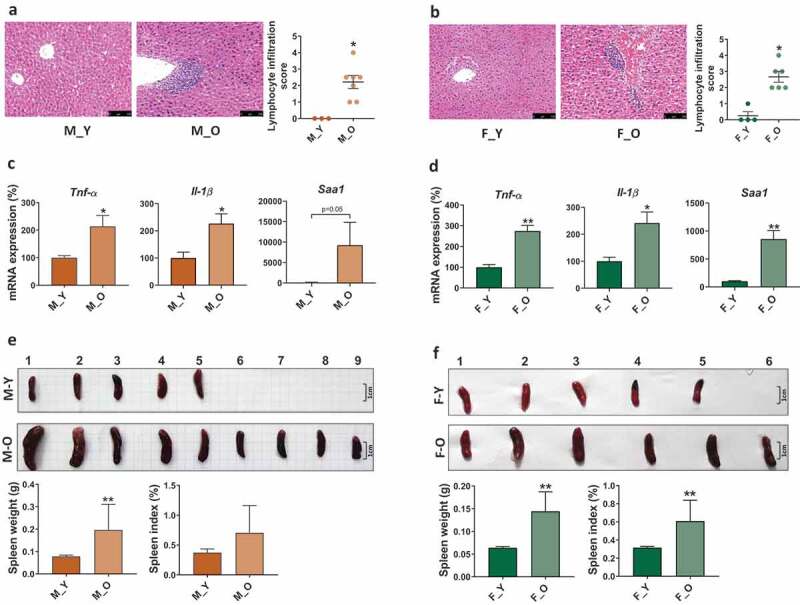
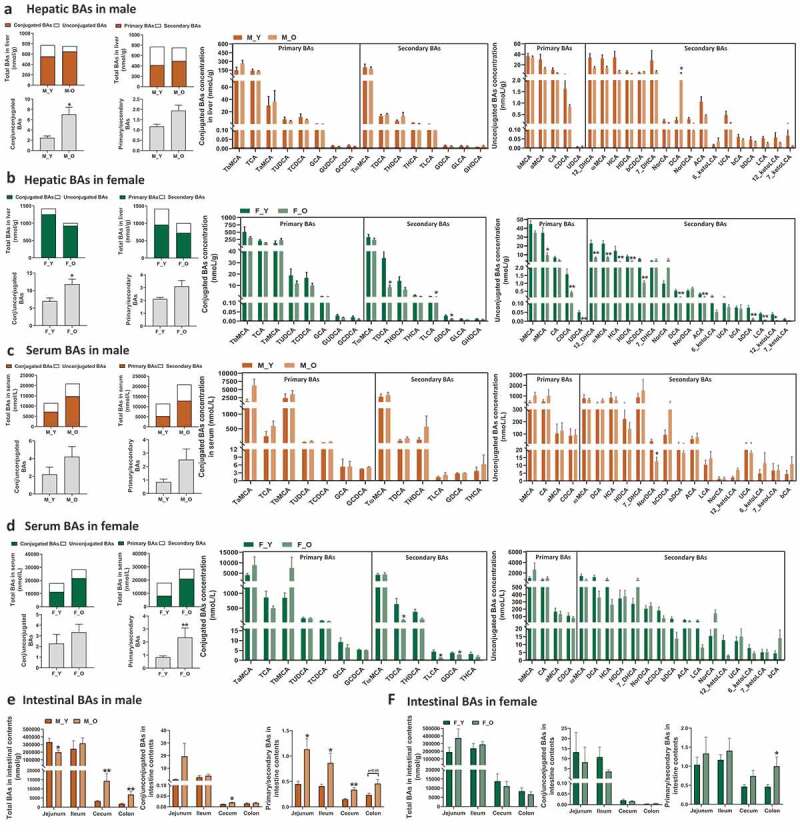
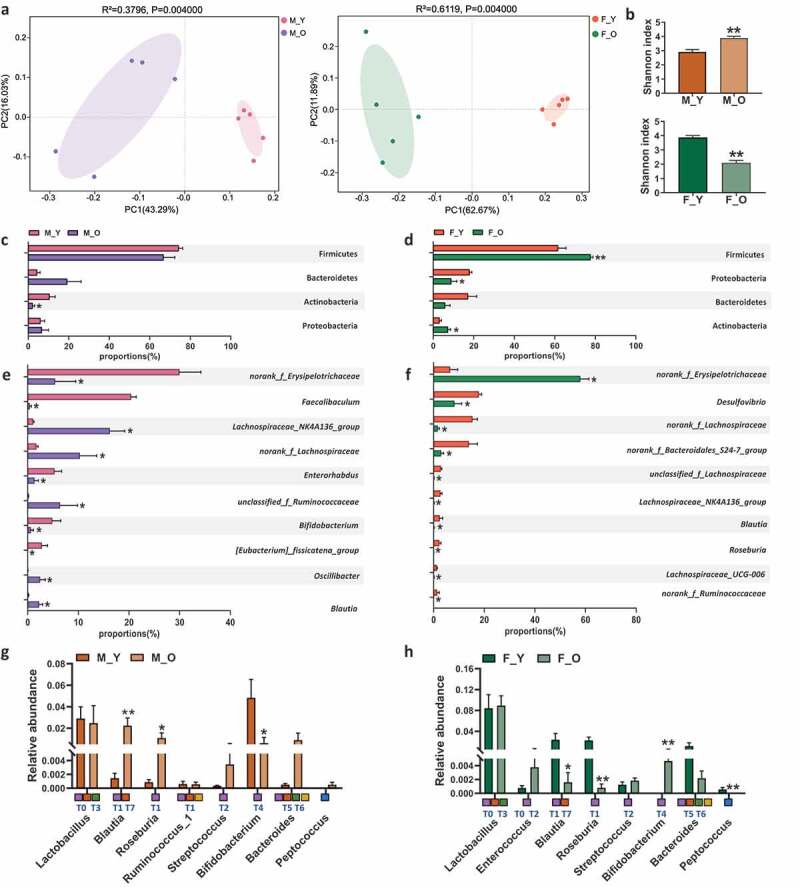
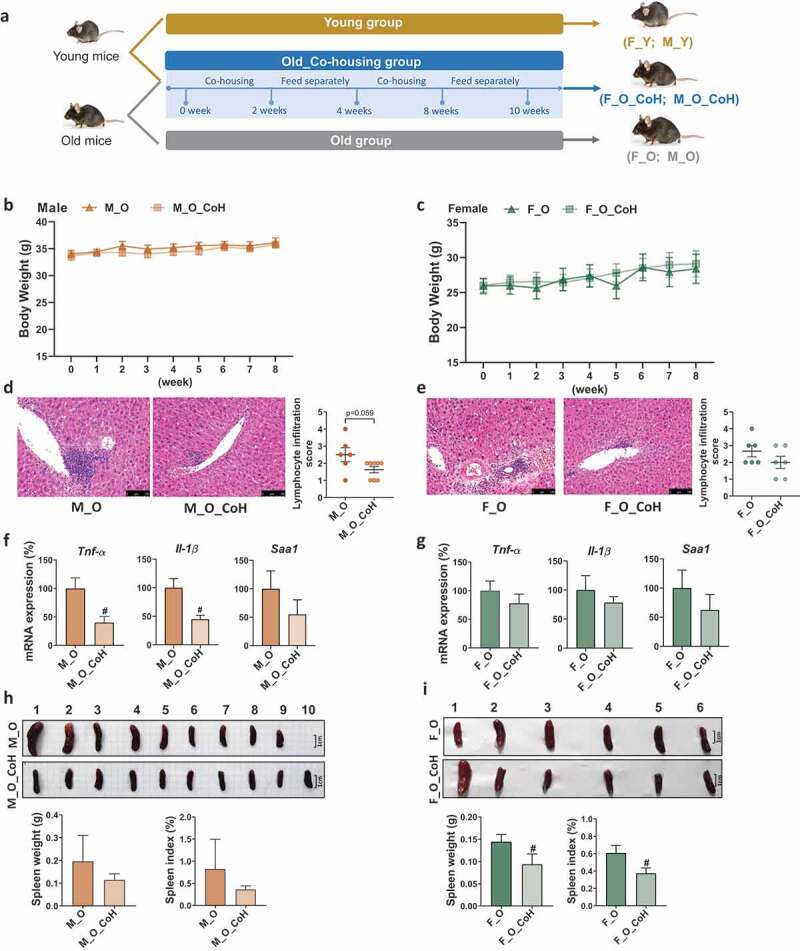
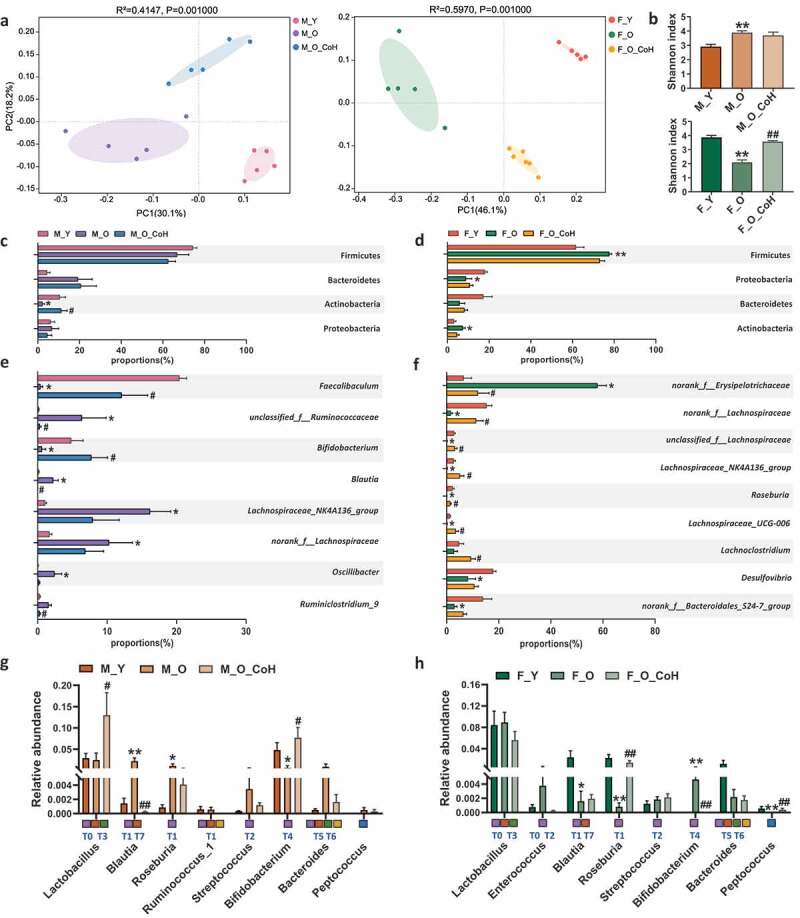
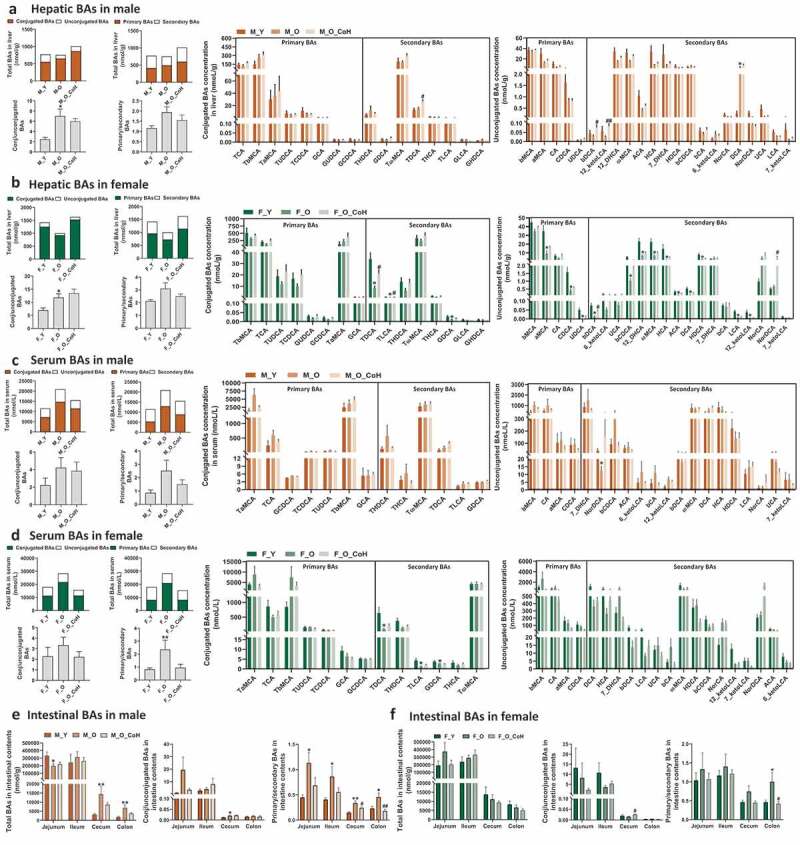
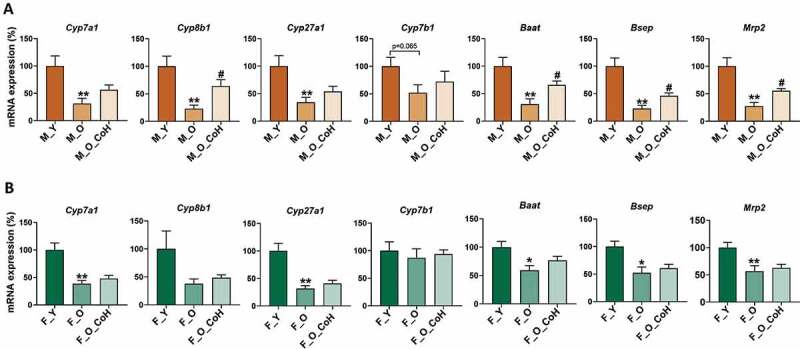
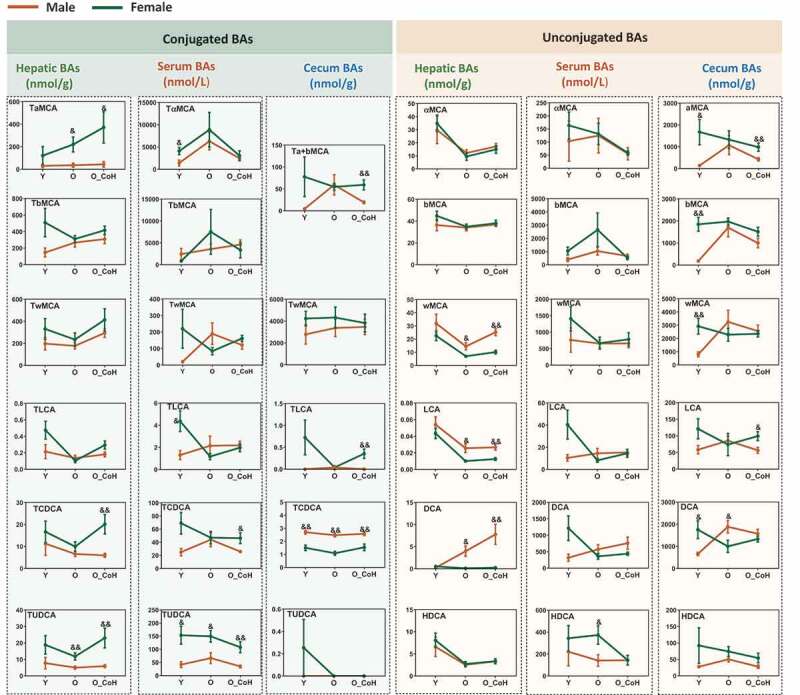
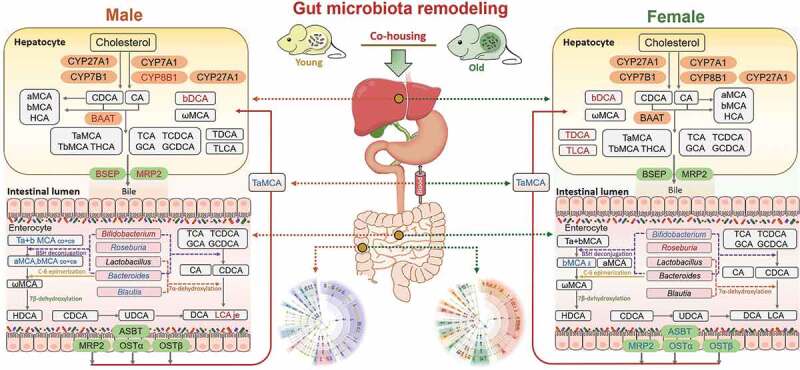
Aging is usually characterized with inflammation and disordered bile acids (BAs) homeostasis, as well as gut dysbiosis. The pathophysiological changes during aging are also sexual specific. However, it remains unclear about the modulating process among gut microbiota, BA metabolism, and inflammation during aging. In this study, we established a direct link between gut microbiota and BA profile changes in the liver, serum, and four intestinal segments of both sexes during aging and gut microbiota remodeling by co-housing old mice with young ones. We found aging reduced Actinobacteria in male mice but increased Firmicutes in female mice. Among the top 10 altered genera with aging, 4 genera changed oppositely between male and female mice, and most of the changes were reversed by co-housing in both sexes. Gut microbiota remodeling by co-housing partly rescued the systemically dysregulated BA homeostasis induced by aging in a sex- and tissue-specific manner. Aging had greater impacts on hepatic BA profile in females, but intestinal BA profile in males. In addition, aging increased hepatic and colonic deoxycholic acid in male mice, but reduced them in females. Moreover, muricholic acids shifted markedly in the intestine, especially in old male mice, and partially reversed by co-housing. Notably, the ratios of primary to secondary BAs in the liver, serum, and all four intestinal segments were increased in old mice and reduced by co-housing in both sexes. Together, the presented data revealed that sex divergent changes of gut microbiota and BA profile in multiple body compartments during aging and gut microbiota remodeling, highlighting the sex-specific prevention and treatment of aging-related disorders by targeting gut microbiota-regulated BA metabolism should particularly be given more attention.
Keywords: Aging; bile acid composition; gut microbiota; inflammation; sex difference.
Conflict of interest statement
The authors declare no competing financial interests.
Figures
References
Publication types
MeSH terms
Substances
LinkOut - more resources
Full Text Sources
Medical
