


Nuclear Functions of TOR: Impact on Transcription and the Epigenome
- PMID: 32532005
- PMCID: PMC7349558
- DOI: 10.3390/genes11060641
Nuclear Functions of TOR: Impact on Transcription and the Epigenome
Abstract
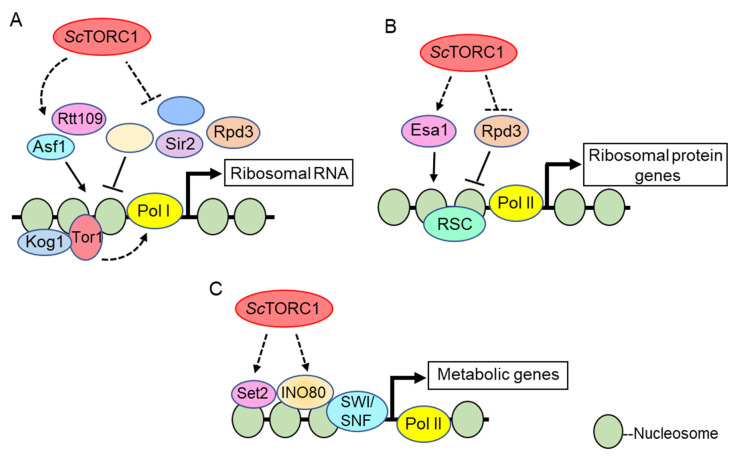
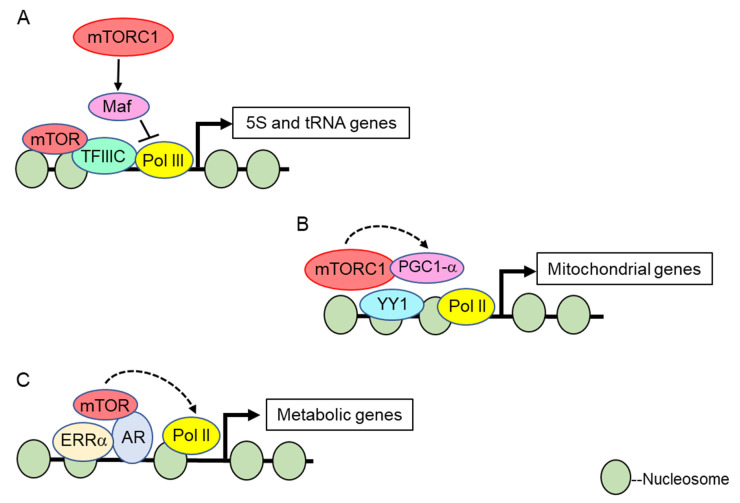
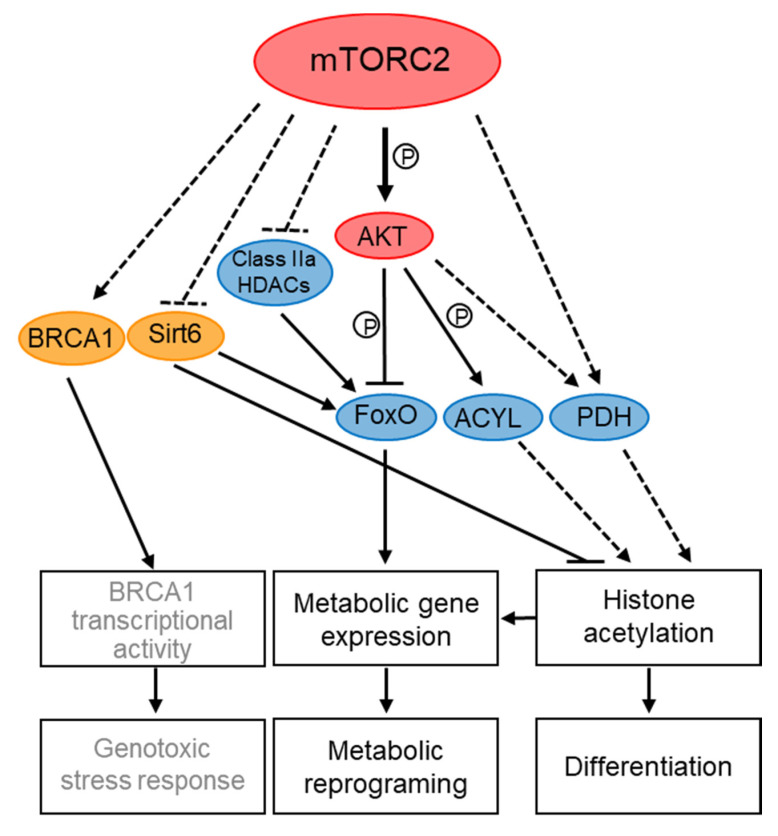
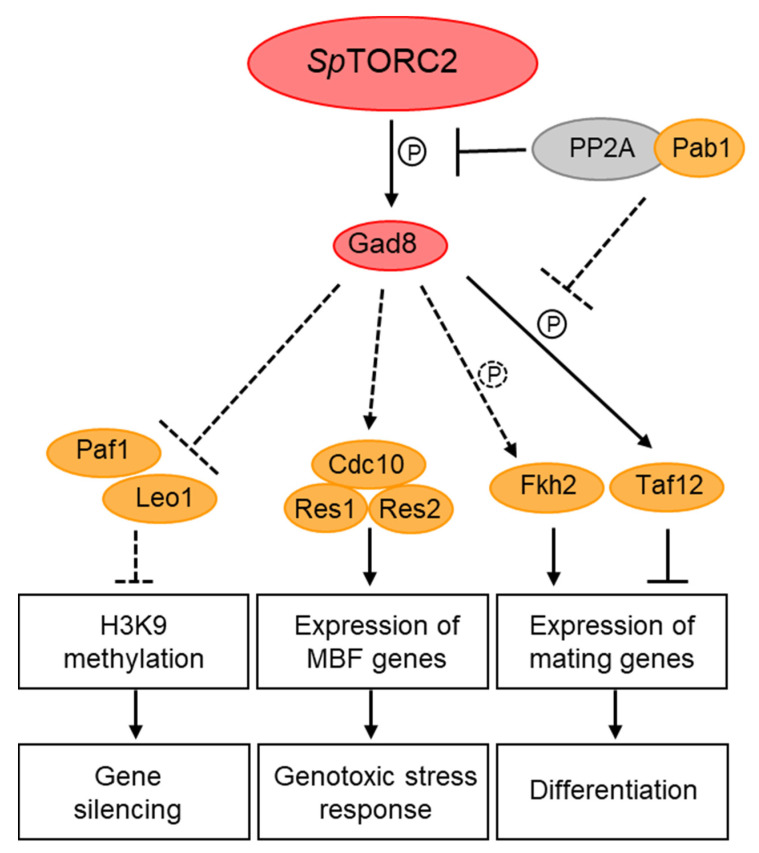
The target of rapamycin (TOR) protein kinase is at the core of growth factor- and nutrient-dependent signaling pathways that are well-known for their regulation of metabolism, growth, and proliferation. However, TOR is also involved in the regulation of gene expression, genomic and epigenomic stability. TOR affects nuclear functions indirectly through its activity in the cytoplasm, but also directly through active nuclear TOR pools. The mechanisms by which TOR regulates its nuclear functions are less well-understood compared with its cytoplasmic activities. TOR is an important pharmacological target for several diseases, including cancer, metabolic and neurological disorders. Thus, studies of the nuclear functions of TOR are important for our understanding of basic biological processes, as well as for clinical implications.
Keywords: TORC1; TORC2; acetylation; cancer; epigenetics; genomic stability; histones; methylation; target of rapamycin; transcription.
Conflict of interest statement
The authors declare no conflict of interest. The funders had no role in the analyses or interpretation of data, in the writing of the manuscript, or in the decision to publish results.
Figures
References
Publication types
MeSH terms
Substances
Grants and funding
LinkOut - more resources
Full Text Sources
