


Saliva as a Potential Diagnostic Specimen for COVID-19 Testing
- PMID: 32541273
- PMCID: PMC7382405
- DOI: 10.1097/SCS.0000000000006724
Saliva as a Potential Diagnostic Specimen for COVID-19 Testing
Abstract
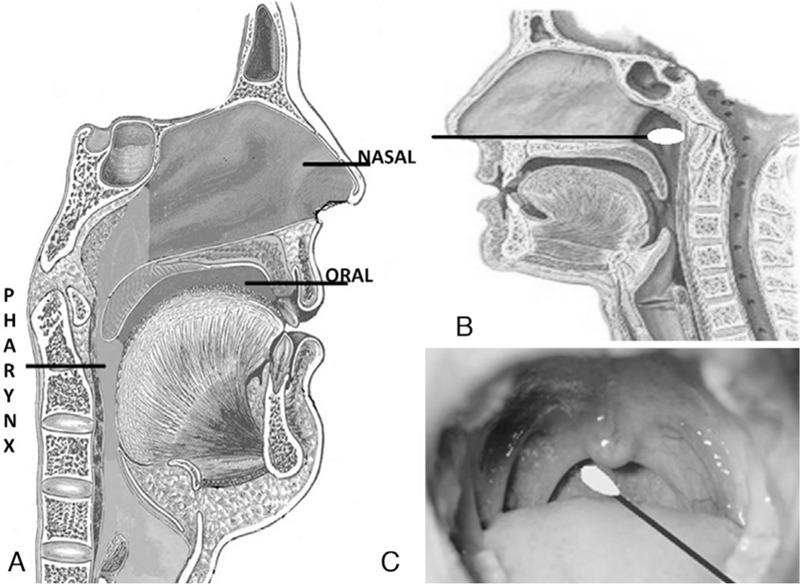
The current outbreak of the highly contagious, animal origin SARS-CoV-2 virus causes the disease COVID-19. The disease is globally pandemic and as per World Health Organization (WHO) has spread to 235 countries. There is global lockdown for containment of the virus transmission. Testing of symptomatic patients, healthcare workers and suspected individuals and mass screening is vital. WHO recommends nasopharyngeal (NP) and oropharyngeal (OP) swab for the quantitative assessment of SARS-CoV-2 RNA level through real-time reverse transcription polymerase chain reaction (rRT-PCR). The virus is shown to be consistently present in saliva and rRTPCR of saliva specimens and have advantages over NP and OP swabs such as self-collection of saliva, avoidance of healthcare workers for specimen collection, cost-effectiveness, etc. This article explores the current literature and suggests saliva as an emerging potential diagnostic specimen for COVID-19 testing.
Conflict of interest statement
The authors have no conflicts of interest to disclose.
Figures
References
-
- Peng L, Liu J, Xu W, et al. 2019 Novel Coronavirus can be detected in urine, blood, anal swabs and oropharyngeal swabs samples. medRxiv [published ahead of print February 25, 2020] doi: 10.1101/2020.02.21.20026179.
-
- World Health Organization. Coronavirus. Available at: https://www.who.int/health-topics/coronavirus. Accessed March 2020.
MeSH terms
LinkOut - more resources
Full Text Sources
Medical
Miscellaneous
