


Physical deterioration and adaptive recovery in physically inactive breast cancer patients during adjuvant chemotherapy: a randomised controlled trial
- PMID: 32546796
- PMCID: PMC7297957
- DOI: 10.1038/s41598-020-66513-9
Physical deterioration and adaptive recovery in physically inactive breast cancer patients during adjuvant chemotherapy: a randomised controlled trial
Abstract
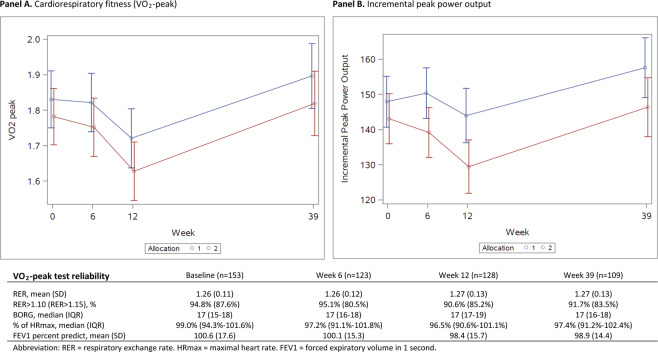
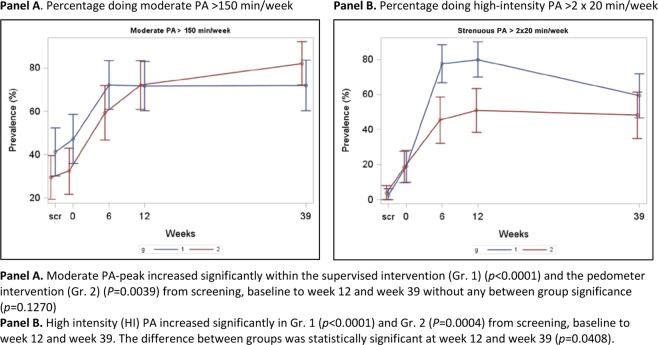
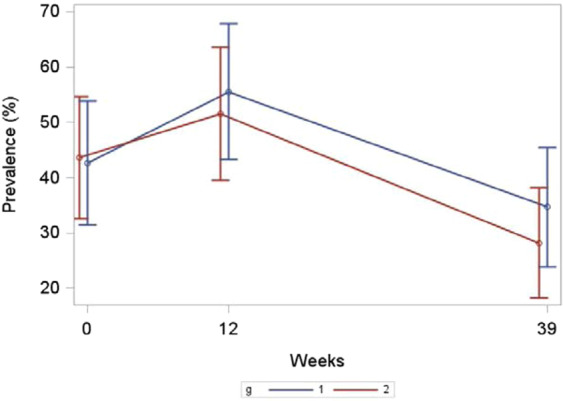
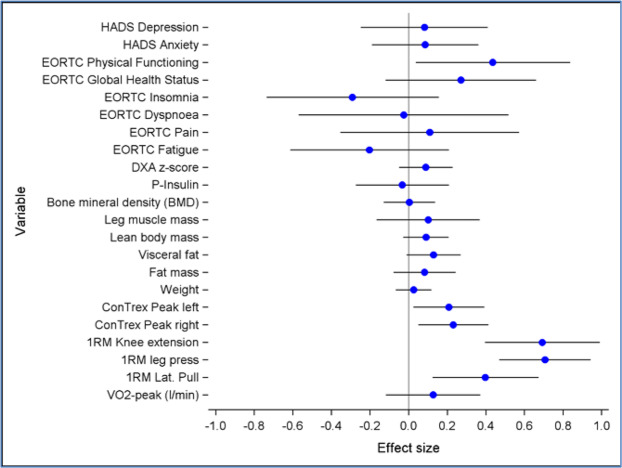
Cardiorespiratory fitness is an independent risk factor for cardiovascular disease and shortened life expectancy in breast cancer survivors. This randomised controlled trial (n = 153) was designed for patients with a physically inactive lifestyle prediagnosis and concurrently referred to adjuvant chemotherapy. We compared two 12-week exercise interventions aimed at physiological and patient-reported outcomes (cardiorespiratory fitness, muscle strength, metabolic markers, physical activity, pain, fatigue), including a 39-week follow-up. A supervised hospital-based moderate to high intensity group exercise intervention was compared to an instructed home-based individual pedometer intervention. The two 12-week interventions included oncologists' recommendations and systematic health counselling. Outcomes were measured at baseline and week 6, 12 and 39. Primary outcome cardiorespiratory fitness declined significantly during chemotherapy and was restored in both interventions at follow-up. The interventions effectively engaged breast cancer patients in sustaining physical activities during and following adjuvant treatment. A composite metabolic score improved significantly. Positive cardiorespiratory fitness responders had improved clinical effects on fatigue, pain and dyspnoea versus negative responders. We conclude that a loss of cardiorespiratory fitness among physically inactive breast cancer patients may be restored by early initiated interventions and by adapting to physical activity recommendations, leading to a decreased cardiovascular risk profile in breast cancer survivors.
Conflict of interest statement
The authors declare no competing interests.
Figures
References
-
- Global status report on noncommunicable diseases 2010. (WHO, 2011).
