


Effects of probiotic, cinnamon, and synbiotic supplementation on glycemic control and antioxidant status in people with type 2 diabetes; a randomized, double-blind, placebo-controlled study
- PMID: 32550156
- PMCID: PMC7270449
- DOI: 10.1007/s40200-019-00474-3
Effects of probiotic, cinnamon, and synbiotic supplementation on glycemic control and antioxidant status in people with type 2 diabetes; a randomized, double-blind, placebo-controlled study
Abstract
Purpose: The aim of this study was to investigate the effect of probiotic bacteria of Lactobacillus acidophilus, cinnamon powder and their combinations on the glycemic and antioxidant indices in patients with type 2 diabetes.
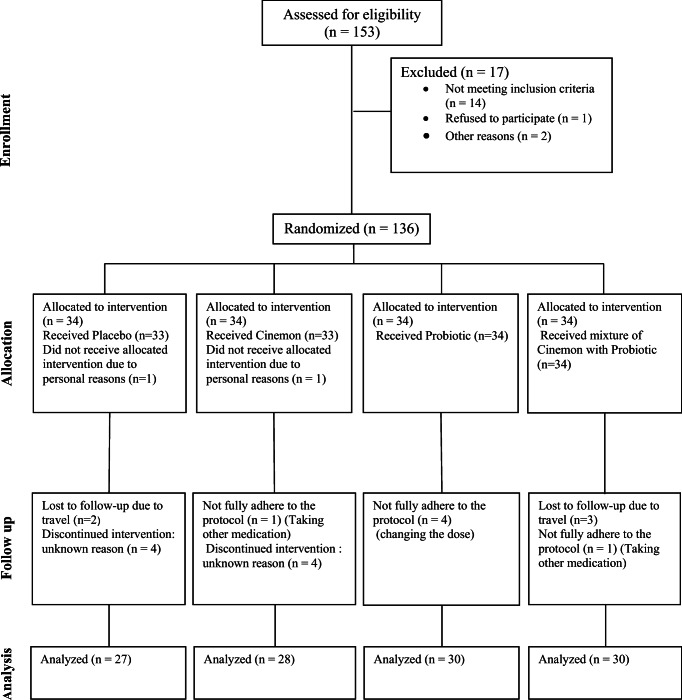
Methods: A total of 136 patients randomized with type 2 diabetes entered the study and were randomly divided into four groups who were matched for age and gender. Thereafter, alongside their routine pharmacotherapy, each group followed one of the following diets: Group A: Lactobacillus acidophilus 108 cfu and 0.5 g of powdered cinnamon (synbiotic). Group B: Lactobacillus acidophilus (probiotic), Group C: powdered cinnamon. Group D: rice flour powder as placebo. At the beginning and end of the intervention, fasting blood sugar (FBS), HbA1c, advance glycation end products (AGE), aspartate aminotransferase (AST), alanine aminotransferase (ALT) and antioxidant enzymes of superoxide dismutase (SOD), glutathione peroxidase (GPx) and catalase (CAT) were measured.
Results: Following 3 months of treatment, the mean FBS level was decreased significantly in probiotic, cinnamon, and synbiotic supplementation groups compared with control (P < 0.01). FBS levels in probiotic, cinnamon, and synbiotic groups were significantly decreased compared with the control group (P = 0.001, P = 0.063 and P = 0.001, respectively). The mean HbA1C in probiotic, cinnamon, and synbiotic groups were also decreased (P = 0.001, P = 0.001 and P = 0.04, respectively). The mean AGE in synbiotic group was significantly decreased (P = 0.037). Probiotic, cinnamon and synbiotic all could improve antioxidant enzyme activity modestly. However, the most significant effect was seen in probiotic group.
Conclusions: According to the current results, the use of probiotic supplements (individually or in combination with cinnamon) leads to a reduction in blood glucose and an increase in antioxidant enzymes in people with type 2 diabetes.
Keywords: Antioxidant enzymes; Cinnamon; Diabetes mellitus; Probiotic; Synbiotic.
© Springer Nature Switzerland AG 2019.
Conflict of interest statement
Conflict of interestThe authors declare that they have no conflict of interest.
Figures
References
-
- Cho N, Shaw J, Karuranga S, Huang Y, da Rocha FJ, Ohlrogge A, et al. IDF diabetes atlas: global estimates of diabetes prevalence for 2017 and projections for 2045. Diabetes Res Clin Pract. 2018;138:271–81. - PubMed
-
- Bommer C, Heesemann E, Sagalova V, Manne-Goehler J, Atun R, Bärnighausen T, et al. The global economic burden of diabetes in adults aged 20–79 years: a cost-of-illness study. Lancet Diabete Endocrinol. 2017;5(6):423–430. - PubMed
-
- Grams J, Garvey WT. Weight loss and the prevention and treatment of type 2 diabetes using lifestyle therapy, pharmacotherapy, and bariatric surgery: mechanisms of action. Curr Obes Rep. 2015;4(2):287–302. - PubMed
LinkOut - more resources
Full Text Sources
Miscellaneous
