


Antidiabetic activity of watermelon (Citrullus lanatus) juice in alloxan-induced diabetic rats
- PMID: 32550185
- PMCID: PMC7270380
- DOI: 10.1007/s40200-020-00515-2
Antidiabetic activity of watermelon (Citrullus lanatus) juice in alloxan-induced diabetic rats
Abstract
Introduction: Watermelon is one of the commonly eaten fruit in most homes in Nigeria and has been used in the management of diabetes mellitus traditionally. This study was carried out to explore the antidiabetic potential of watermelon (Citrullus lanatus) juice in alloxan-induced diabetic rats.
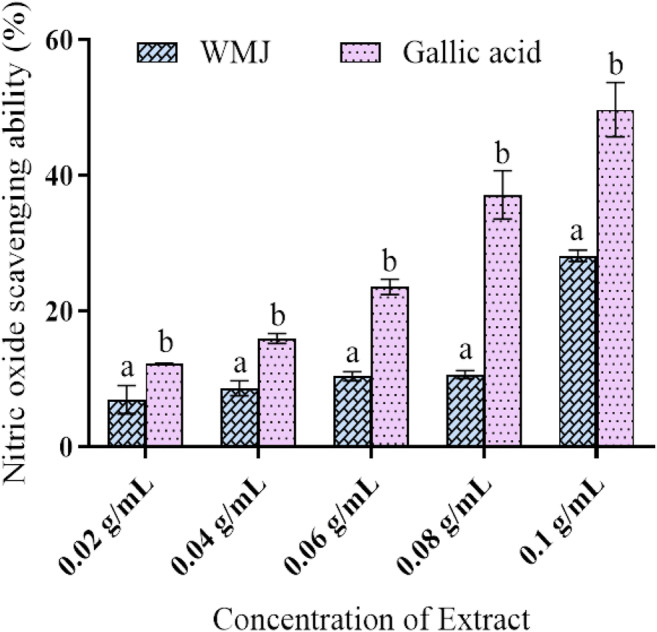
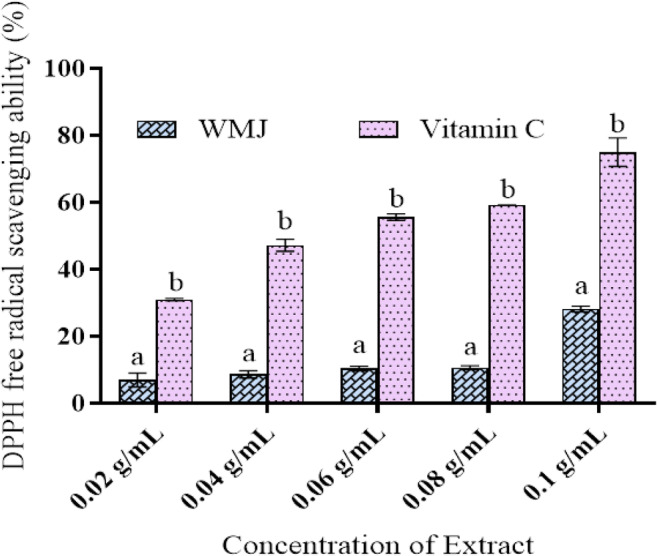
Methods: Watermelon juice was used for the determination of in vitro parameters such as 1,1-diphenyl-2-picryl-hydrazil (DPPH), nitric oxide and ferric reducing antioxidant potential (FRAP) as well as phytochemicals such as total phenol, total flavonoids. In vitro, α-glucosidase and α-amylase inhibitory activities were also accessed using standard procedures. Diabetes was induced in the rats by a single intraperitoneal (I.P) injection of freshly prepared alloxan (150 mg/kg body weight). The animals were randomly grouped into five groups of normal control, untreated diabetic control, diabetic rats administered 200 mg/kg body weight of metformin, diabetic rats administered 500 mg/kg body weight of watermelon (Citrullus lanatus) juice and diabetic rats administered 1000 mg/kg body weight of watermelon juice. The rats were sacrificed on the 14th day of the experiment and various in vivo biochemical parameters were also evaluated in the serum and tissue homogenates of diabetic rats.
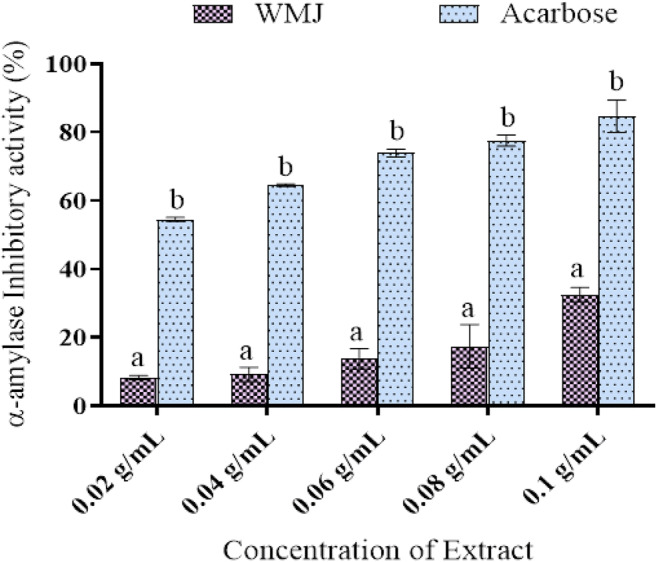
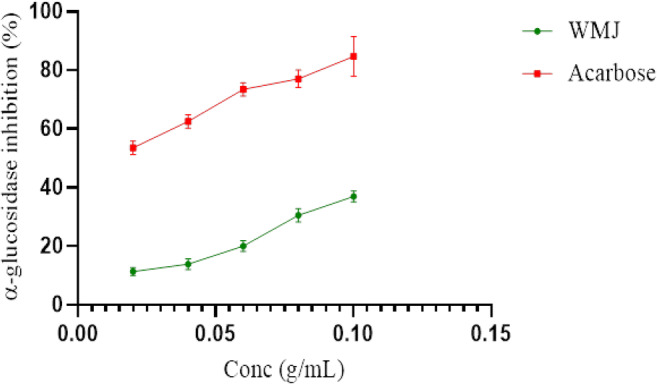
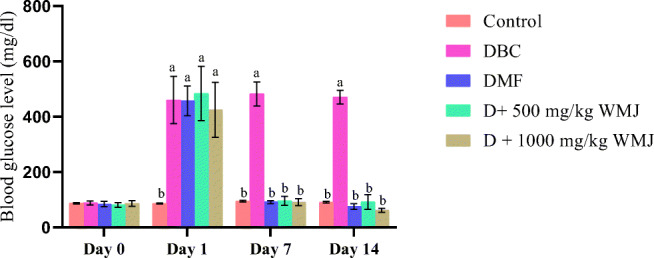
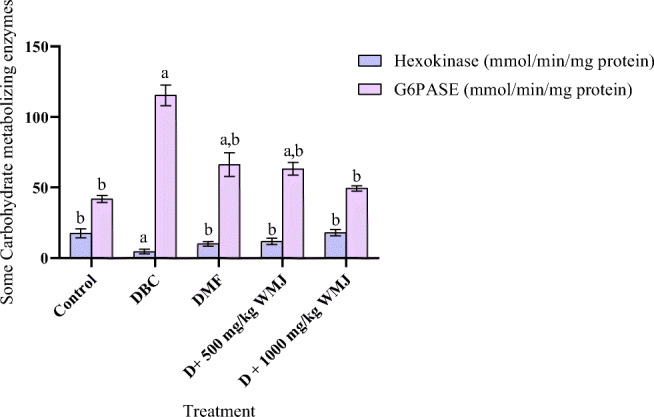
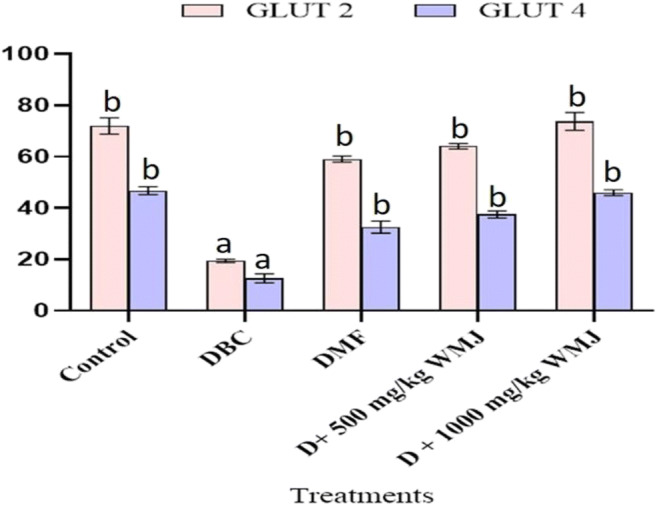
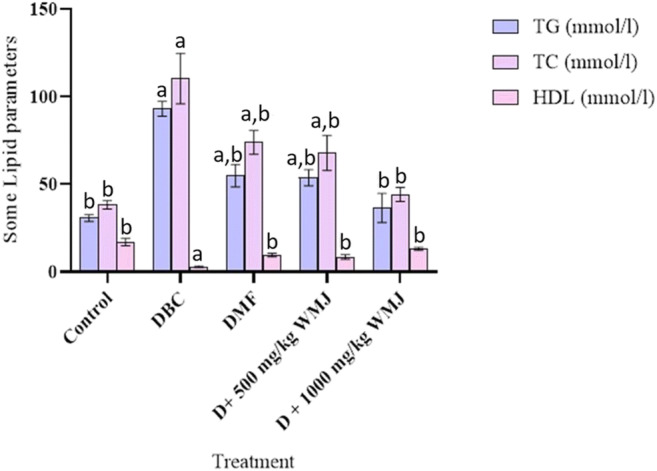
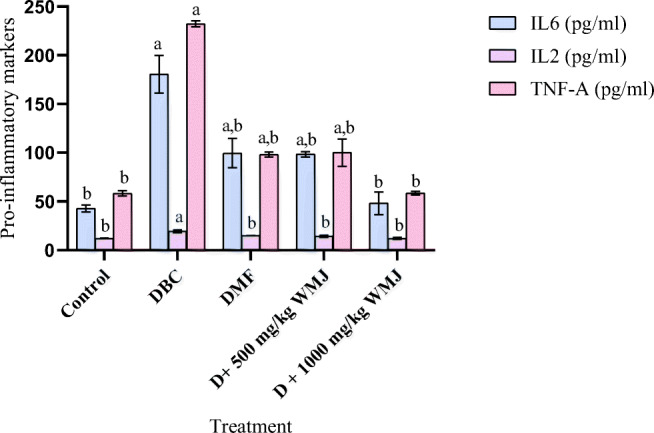
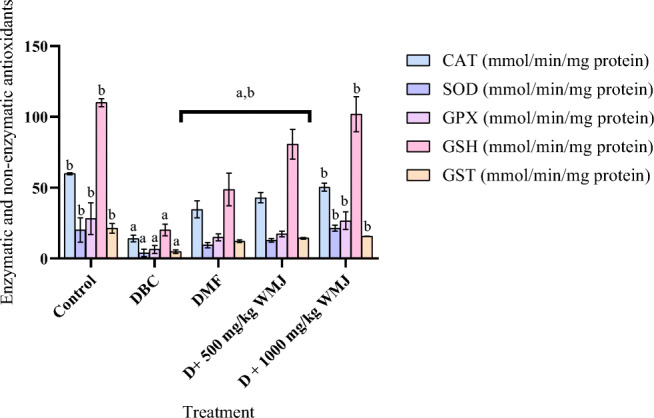
Results: The watermelon juice exhibits anti-oxidant properties and inhibitory activities against α-glucosidase and α-amylase in a dose-dependent manner. Added to this, the administration of different doses of the watermelon juice significantly (p < 0.05) reduced the fasting blood glucose level, serum lipid profile, glucose-6-phosphatase, lipid peroxidation and anti-inflammatory activities in alloxan-induced diabetic rats. There was a significant (p < 0.05) increase in antioxidant enzyme activities, hexokinase activity as well as glucose transporters (GLUT 2 and GLUT 4) levels in diabetic rats administered different doses of Citrullus lanatus.
Conclusion: Taken together, this study demonstrates that watermelon (Citrullus lanatus) juice exhibits its antidiabetic potential in experimental diabetic animal model via multiple pathways involving modulation of glucose transporters, anti-inflammatory activities as well as antioxidant defense system and inhibition of α-glucosidase and α-amylase. This suggests that the watermelon (Citrullus lanatus) juice may have a useful clinical application in the management of diabetes mellitus and its metabolic complications if developed as adjuvant therapy.
Keywords: Citrullus lanatus; Glucose transporters; Metformin; α-amylase; α-glucosidase.
© Springer Nature Switzerland AG 2020.
Conflict of interest statement
Conflict of interestOn behalf of all authors, the corresponding author states that there is no conflict of interest.
Figures
References
-
- Naik P. Biochemistry textbook. 3. New Delhi, India: Jaypee Brothers Medical Publishers Ltd.; 2010.
-
- Mukundi MJ, Mwaniki NEN, Piero NM, Murugi NJ, Daniel AS, Peter GK, Alice MN. In Vivo anti-diabetic effects of aqueous leaf extracts of Rhoicissus tridentata in Alloxan induced diabetic mice. Journal of Developing Drugs. 2015;4:131.
-
- Ayepola OM, Brooks NL, Oguntibeju OO. Oxidative stress and diabetic complications: the role of antioxidant vitamins and flavonoids. In: Oguntibeju OO, editor. Antioxidant-antidiabetic agents and human health. IntechOpen: Rijeka; 2014.
-
- Karalliedde J, Gnudi L. Diabetes mellitus, a complex and heterogeneous disease, and the role of insulin resistance as a determinant of diabetic kidney disease. Nephrology Dialysis Transplantation. 2016;31(2):206–213. - PubMed
LinkOut - more resources
Full Text Sources
Miscellaneous
