


Efficacy of Smartphone-Based Secondary Preventive Strategies in Coronary Artery Disease
- PMID: 32550768
- PMCID: PMC7278307
- DOI: 10.1177/1179546820927402
Efficacy of Smartphone-Based Secondary Preventive Strategies in Coronary Artery Disease
Abstract
Background: Cardiac rehabilitation programs provide a comprehensive framework for the institution of secondary preventive measures. Smartphone technology can provide a platform for the delivery of such programs and is a promising alternative to hospital-based services. However, there is limited evidence to date supporting this approach. Accordingly, we performed a systematic review and meta-analysis examining smartphone-based secondary prevention programs to traditional cardiac rehabilitation in patients with established coronary artery disease to ascertain the feasibility and effectiveness of these interventions.
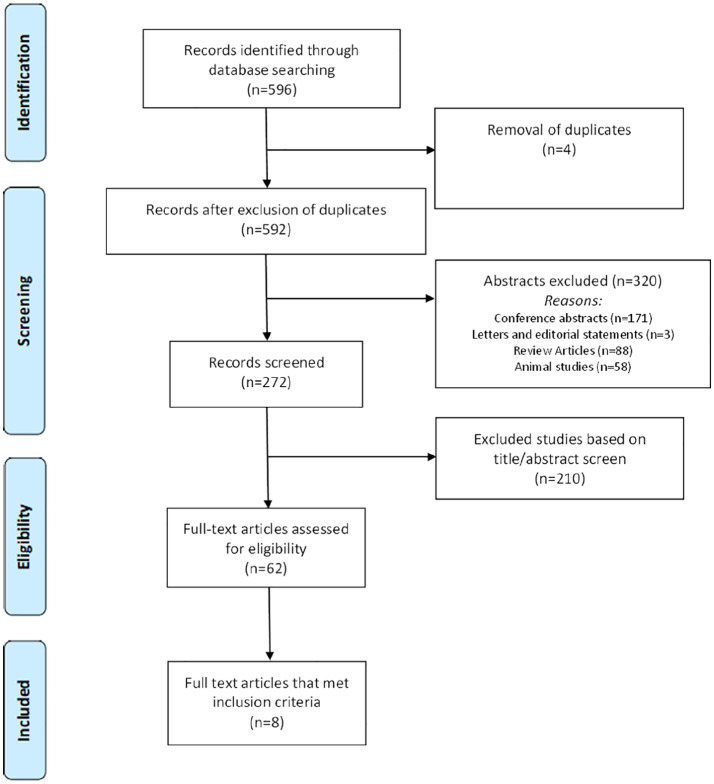
Methods: A systematic search of PubMed, MEDLINE, EMBASE, and the Cochrane Library was conducted. A meta-analysis was performed using a random-effects model with the outcomes of interest being 6-minute walk test (6MWT) distance, systolic blood pressure, low-density lipoprotein (LDL) cholesterol, and body mass index (BMI).
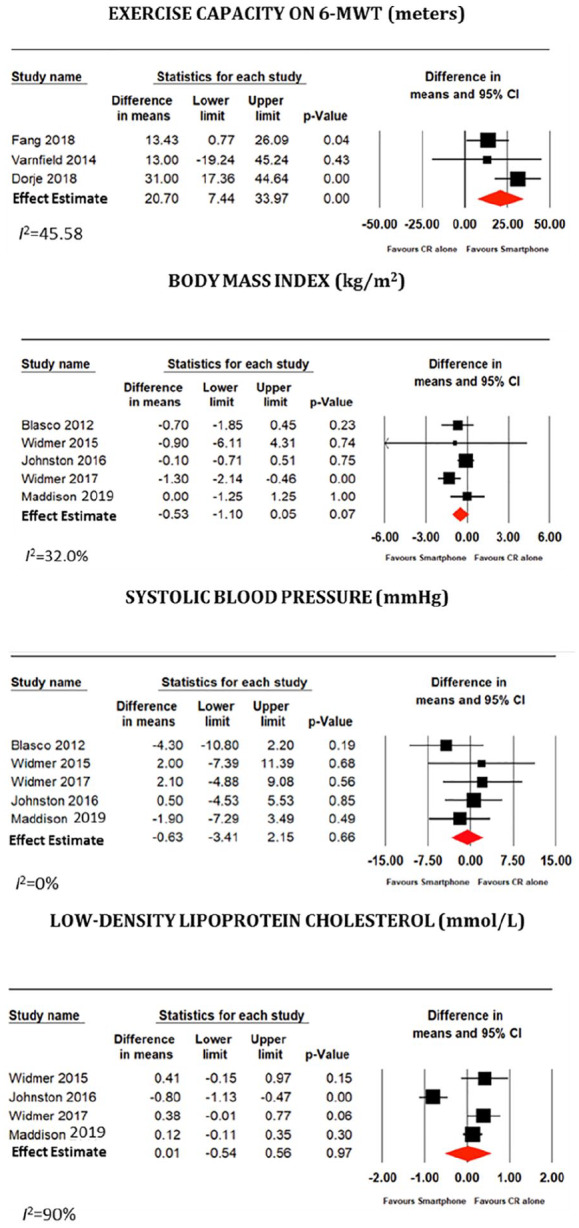
Results: A total of 8 studies with 1120 patients across 5 countries were included in the quantitative analysis. Follow-up ranged from 6 weeks to 12 months. Five studies examined all patients post acute coronary syndrome, 2 studies examined only patients undergoing percutaneous coronary intervention, and 1 study examined all patients with a diagnosis of coronary artery disease, independent of intervention. Exercise capacity, as measured by the 6MWT, was significantly greater in the smartphone group (20.10 meters, 95% confidence interval [CI] 7.44-33.97; P < .001; I 2 = 45.58). There was no significant difference in BMI reduction, systolic blood pressure, or LDL cholesterol levels between groups (P value for all > .05).
Conclusion: Publicly available smartphone-based cardiac rehabilitation programs are a convenient and easily disseminated intervention which show merit in exercise promotion in patients with established coronary artery disease. Further research is required to establish the clinical significance of recent findings favoring their use.
Keywords: cardiac rehabilitation; cardiovascular risk factors; mHealth; secondary prevention; smartphone.
© The Author(s) 2020.
Conflict of interest statement
Declaration of Conflicting Interests:The author(s) declared no potential conflicts of interest with respect to the research, authorship, and/or publication of this article.
Figures
References
-
- Smith SC, Benjamin EJ, Bonow RO, et al. AHA/ACCF secondary prevention and risk reduction therapy for patients with coronary and other atherosclerotic vascular disease: 2011 update: a guideline from the American Heart Association and American College of Cardiology Foundation. Circulation. 2011;124:2458-2473. - PubMed
-
- Suaya JA, Shepard DS, Normand SL, Ades PA, Prottas J, Stason WB. Use of cardiac rehabilitation by Medicare beneficiaries after myocardial infarction or coronary bypass surgery. Circulation. 2007;116:1653-1662. - PubMed
LinkOut - more resources
Full Text Sources
