


Vaccines against gastroenteritis, current progress and challenges
- PMID: 32552414
- PMCID: PMC7524147
- DOI: 10.1080/19490976.2020.1770666
Vaccines against gastroenteritis, current progress and challenges
Abstract
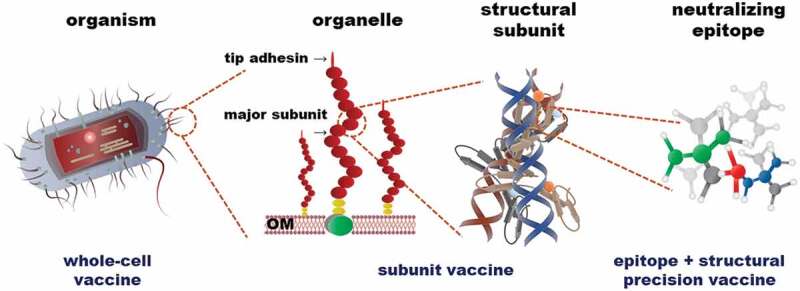
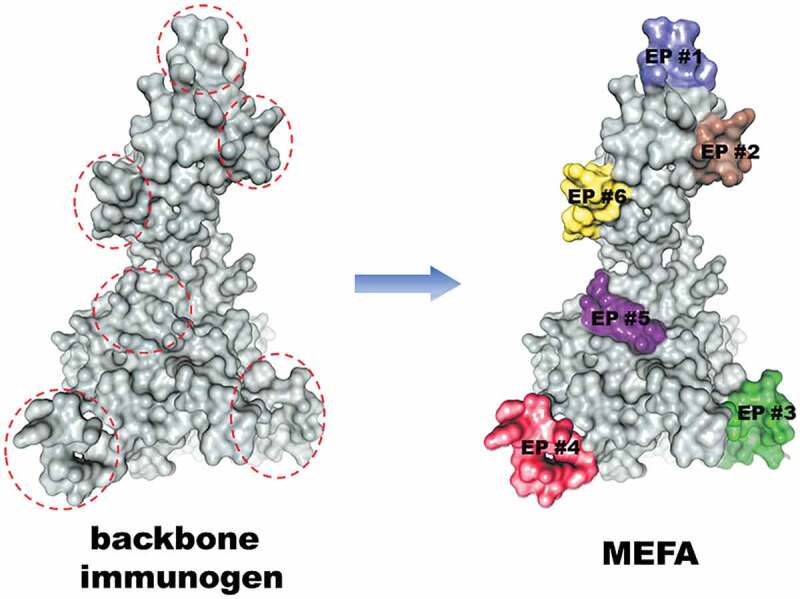
Enteric viral and bacterial infections continue to be a leading cause of mortality and morbidity in young children in low-income and middle-income countries, the elderly, and immunocompromised individuals. Vaccines are considered an effective and practical preventive approach against the predominantly fecal-to-oral transmitted gastroenteritis particularly in the resource-limited countries or regions where implementation of sanitation systems and supply of safe drinking water are not quickly achievable. While vaccines are available for a few enteric pathogens including rotavirus and cholera, there are no vaccines licensed for many other enteric viral and bacterial pathogens. Challenges in enteric vaccine development include immunological heterogeneity among pathogen strains or isolates, a lack of animal challenge models to evaluate vaccine candidacy, undefined host immune correlates to protection, and a low protective efficacy among young children in endemic regions. In this article, we briefly updated the progress and challenges in vaccines and vaccine development for the leading enteric viral and bacterial pathogens including rotavirus, human calicivirus, Shigella, enterotoxigenic Escherichia coli (ETEC), cholera, nontyphoidal Salmonella, and Campylobacter, and introduced a novel epitope- and structure-based vaccinology platform known as MEFA (multiepitope fusion antigen) and the application of MEFA for developing broadly protective multivalent vaccines against heterogenous pathogens.
Keywords: Campylobacter; Shigella; Vibrio cholerae; Enteric diseases; enterotoxigenic Escherichia coli (ETEC); multiepitope fusion antigen (MEFA); nontyphoidal Salmonella; norovirus; rotavirus; vaccinology.
Figures
References
-
- Kotloff KL, Nataro JP, Blackwelder WC, Nasrin D, Farag TH, Panchalingam S, Wu Y, Sow SO, Sur D, Breiman RF, et al. Burden and aetiology of diarrhoeal disease in infants and young children in developing countries (the Global Enteric Multicenter Study, GEMS): a prospective, case-control study. Lancet. 2013;382(9888):209–222. doi: 10.1016/S0140-6736(13)60844-2. - DOI - PubMed
-
- Kirk MD, Pires SM, Black RE, Caipo M, Crump JA, Devleesschauwer B, Dopfer D, Fazil A, Fischer-Walker CL, Hald T, et al. World Health Organization Estimates of the Global and Regional Disease Burden of 22 Foodborne Bacterial, Protozoal, and Viral Diseases, 2010: A Data Synthesis. PLoS Med. 2015;12(12):e1001921. doi: 10.1371/journal.pmed.1001921. - DOI - PMC - PubMed
-
- Vos T, Allen C, Arora M, Barber RM, Bhutta ZA, Brown A, Carter A, Casey DC, Charlson FJ, Chen AZ. GBD 2015 . Disease and Injury Incidence and Prevalence Collaborators. Global, regional, and national incidence, prevalence, and years lived with disability for 310 diseases and injuries, 1990-2015: a systematic analysis for the global burden of disease study 2015. Lancet. 2016;388(10053):1545–1602. doi: 10.1016/S0140-6736(16)31678-6. - DOI - PMC - PubMed
-
- Troeger C, Blacker BF, Khalil IA, Rao PC, Cao SJ, Zimsen SRM, Albertson S, Stanaway JD, Deshpande A, Brown A, et al. Estimates of the global, regional, and national morbidity, mortality, and aetiologies of diarrhoea in 195 countries: a systematic analysis for the global burden of disease study 2016. Lancet Infect Dis. 2018;18(11):1211–1228. doi: 10.1016/S1473-3099(18)30362-1. - DOI - PMC - PubMed
Publication types
MeSH terms
Substances
Grants and funding
LinkOut - more resources
Full Text Sources
Medical
