


Excretory/secretory products of Angiostrongylus cantonensis fifth-stage larvae induce endoplasmic reticulum stress via the Sonic hedgehog pathway in mouse astrocytes
- PMID: 32552877
- PMCID: PMC7301976
- DOI: 10.1186/s13071-020-04189-w
Excretory/secretory products of Angiostrongylus cantonensis fifth-stage larvae induce endoplasmic reticulum stress via the Sonic hedgehog pathway in mouse astrocytes
Abstract
Background: Angiostrongylus cantonensis is an important food-borne zoonotic parasite. Humans are non-permissive hosts, and this parasite develops into fifth-stage larvae (L5) in the brain and subarachnoid cavity and then induces eosinophilic meningitis and eosinophilic meningoencephalitis. Excretory/secretory products (ESPs) are valuable targets for the investigation of host-parasite interactions. These products contain a wide range of molecules for penetrating defensive barriers and avoiding the immune response of the host. Endoplasmic reticulum (ER) stress has been found to be associated with a wide range of parasitic infections and inflammation. ER stress can increase cell survival via the activation of downstream signalling. However, the mechanisms of ER stress in A. cantonensis infection have not yet been clarified. This study was designed to investigate the molecular mechanisms of ER stress in astrocytes after treatment with the ESPs of A. cantonensis L5.
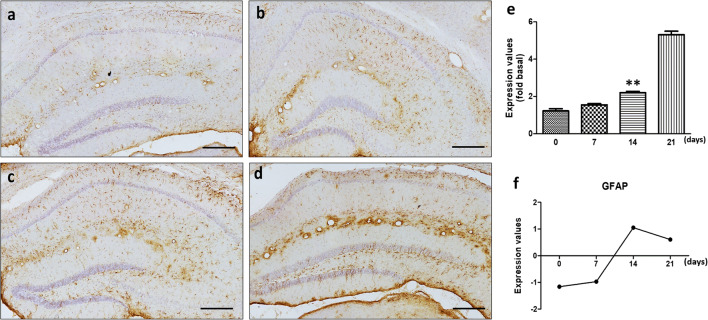
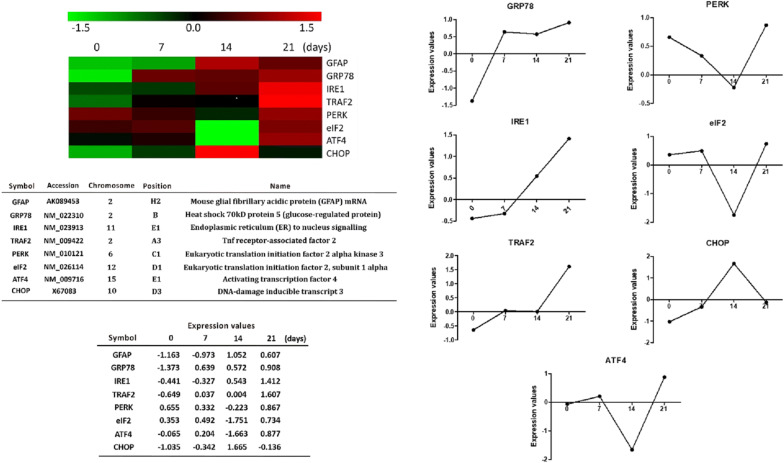
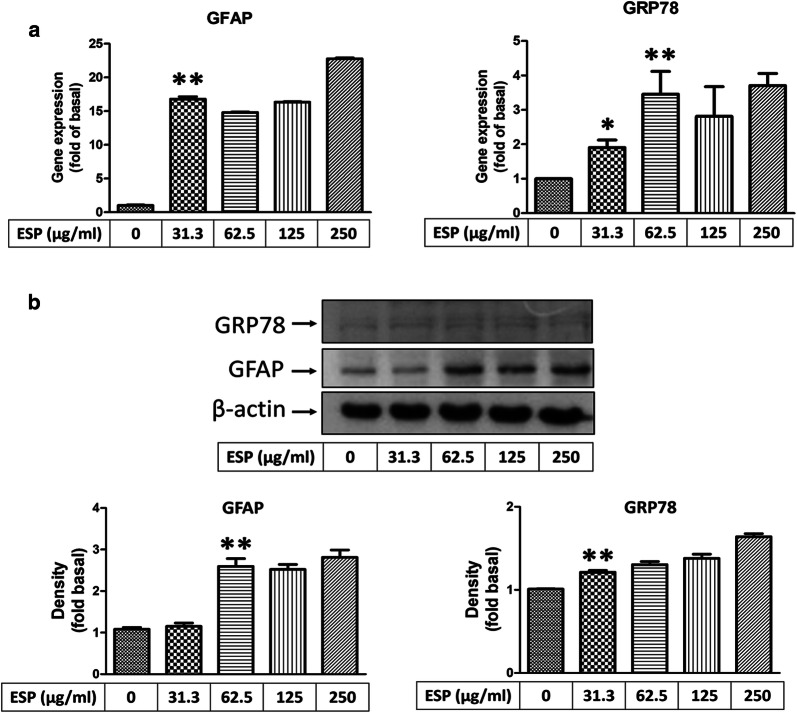
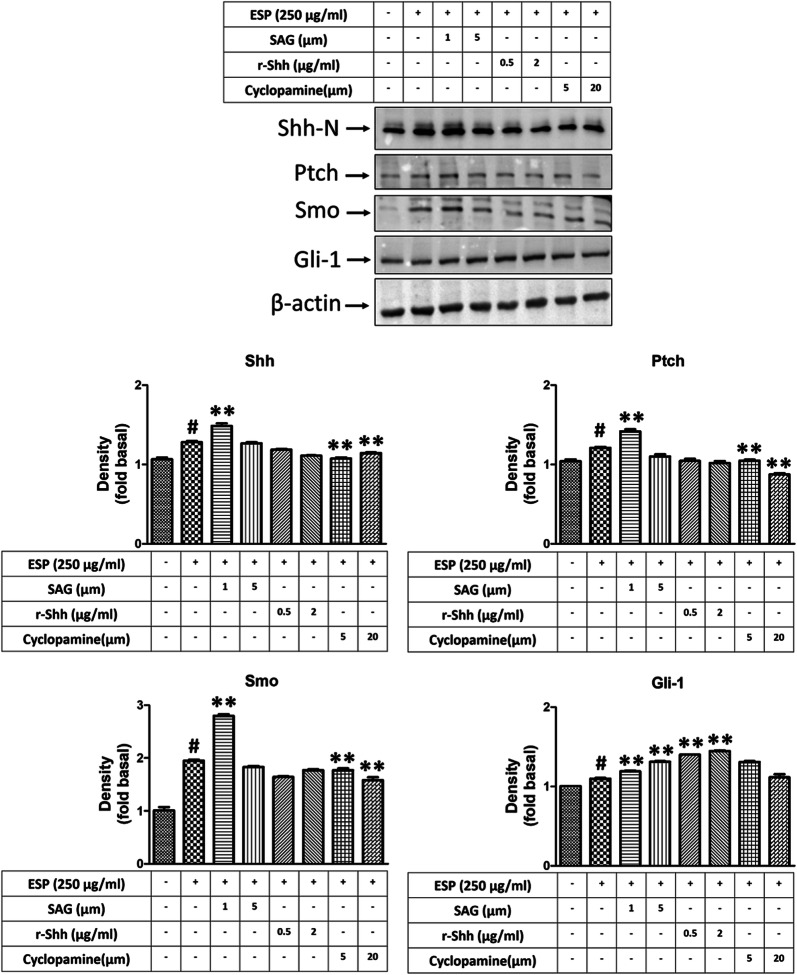
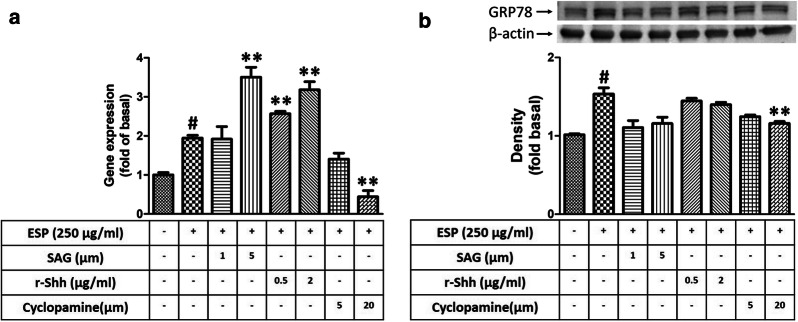
Results: The results demonstrated that A. cantonensis infection activated astrocytes in the mouse hippocampus and induced the expression of ER stress-related molecules. Next, the data showed that the expression of ER stress-related molecules and the Ca2+ concentration were significantly increased in activated astrocytes after treatment with the ESPs of L5 of A. cantonensis. Ultimately, we found that ESPs induced GRP78 expression via the Sonic hedgehog (Shh) signalling pathway.
Conclusions: These findings suggest that in astrocytes, the ESPs of A. cantonensis L5 induce ER stress and that the Shh signalling pathway plays an important role in this process.
Keywords: Angiostrongylus cantonensis; Astrocytes; Endoplasmic reticulum stress; Excretory/secretory products; Fifth-stage larvae; Sonic hedgehog pathway.
Conflict of interest statement
The authors declare that they have no competing interests.
Figures


References
-
- Wang LC, Jung SM, Chen KY, Wang TY, Li CH. Temporal-spatial pathological changes in the brains of permissive and non-permissive hosts experimentally infected with Angiostrongylus cantonensis. Exp Parasitol. 2015;157:177–184. - PubMed
-
- Wang TY, Chen KY, Jhan KY, Li CH, Jung SM, Wang LC. Temporal-spatial expressions of interleukin-4, interleukin-10, and interleukin-13 in the brains of C57BL/6 and BALB/c mice infected with Angiostrongylus cantonensis: an immunohistochemical study. J Microbiol Immunol Infect. 2018;S1684–1182:30173–30177. - PubMed
-
- Rosen L, Loison G, Laigret J, Wallace GD. Studies on eosinophilic meningitis. 3. Epidemiologic and clinical observations on Pacific islands and the possible etiologic role of Angiostrongylus cantonensis. Am J Epidemiol. 1967;85:17–44. - PubMed
-
- Wang QP, Lai DH, Zhu XQ, Chen XG, Lun ZR. Human angiostrongyliasis. Lancet Infect Dis. 2008;8:621–630. - PubMed
MeSH terms
Substances
Grants and funding
LinkOut - more resources
Full Text Sources
Miscellaneous
