. 2020 Jun 24:9:e54822.
doi: 10.7554/eLife.54822.

Mouse brain transcriptome responses to inhaled nanoparticulate matter differed by sex and APOE in Nrf2-Nfkb interactions

Affiliations

Mouse brain transcriptome responses to inhaled nanoparticulate matter differed by sex and APOE in Nrf2-Nfkb interactions

Amin Haghani et al. Elife. .

Abstract

The neurotoxicity of air pollution is undefined for sex and APOE alleles. These major risk factors of Alzheimer's disease (AD) were examined in mice given chronic exposure to nPM, a nano-sized subfraction of urban air pollution. In the cerebral cortex, female mice had two-fold more genes responding to nPM than males. Transcriptomic responses to nPM had sex-APOE interactions in AD-relevant pathways. Only APOE3 mice responded to nPM in genes related to Abeta deposition and clearance (Vav2, Vav3, S1009a). Other responding genes included axonal guidance, inflammation (AMPK, NFKB, APK/JNK signaling), and antioxidant signaling (NRF2, HIF1A). Genes downstream of NFKB and NRF2 responded in opposite directions to nPM. Nrf2 knockdown in microglia augmented NFKB responses to nPM, suggesting a critical role of NRF2 in air pollution neurotoxicity. These findings give a rationale for epidemiologic studies of air pollution to consider sex interactions with APOE alleles and other AD-risk genes.

Keywords: APOE; Nrf2; air pollution; computational biology; mouse; neuroscience; nf-kb; sex; systems biology; transcriptome.


Conflict of interest statement

AH, MC, KD, CD, MT, NS, ML, CS, TT, HF, HZ, TM, CF No competing interests declared

Figures
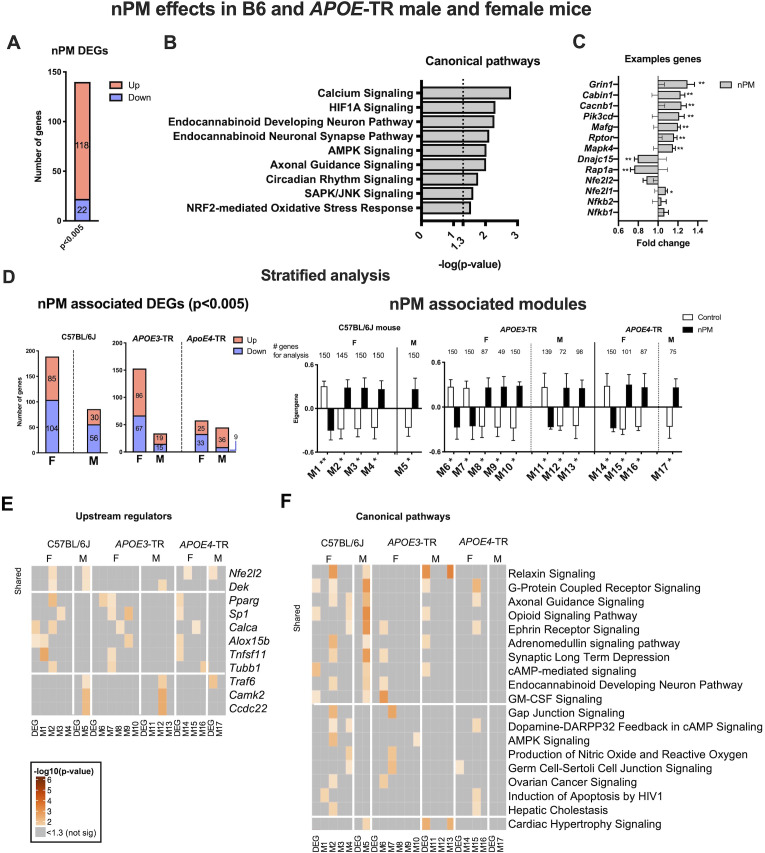
Figure 1.
Figure 1.. Cerebral cortex transcriptome responses to nPM in B6 and APOE-TR mice.
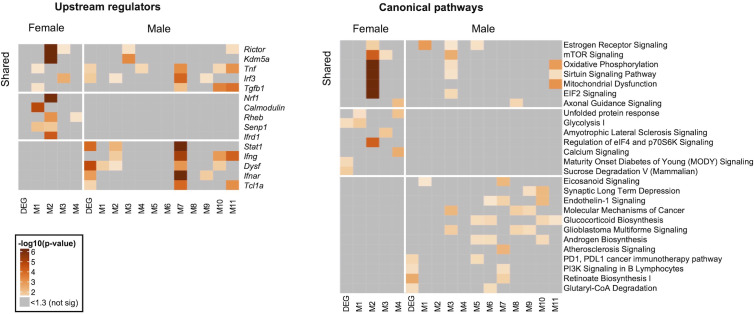
(A) Multivariate differential expression analysis of nPM responses in combined data from the independent exposures of C57BL/6J (B6) and APOE-TR. Covariates included sex, APOE genotype, and nPM. DEGs identified at p-value, 0.005. (B) Canonical pathways associated with nPM DEGs. (C) Examples of nPM associated DEGs. (D) Sex- and APOE-stratified DE and WGCNA modules associated with nPM responses. Male, M; Female, F. The top 150 genes of modules (kME inter-module connectivity) were used for IPA analysis. Significance was calculated from the Pearson correlation of eigengene of the modules with nPM. (E) Upstream regulators and F) canonical pathways associated with nPM transcriptome responses in B6 and APOE-TR mice. Solid horizontal lines separate responses that are shared and sex-specific. Heatmaps were sorted by the sum of -log10 (p-values) in each row. p-values<10−6 were converted to 10−6 for better visualization; grey, not significant. RNAseq sample size was 4/genotype/sex/treatment.
Figure 1—figure supplement 1.
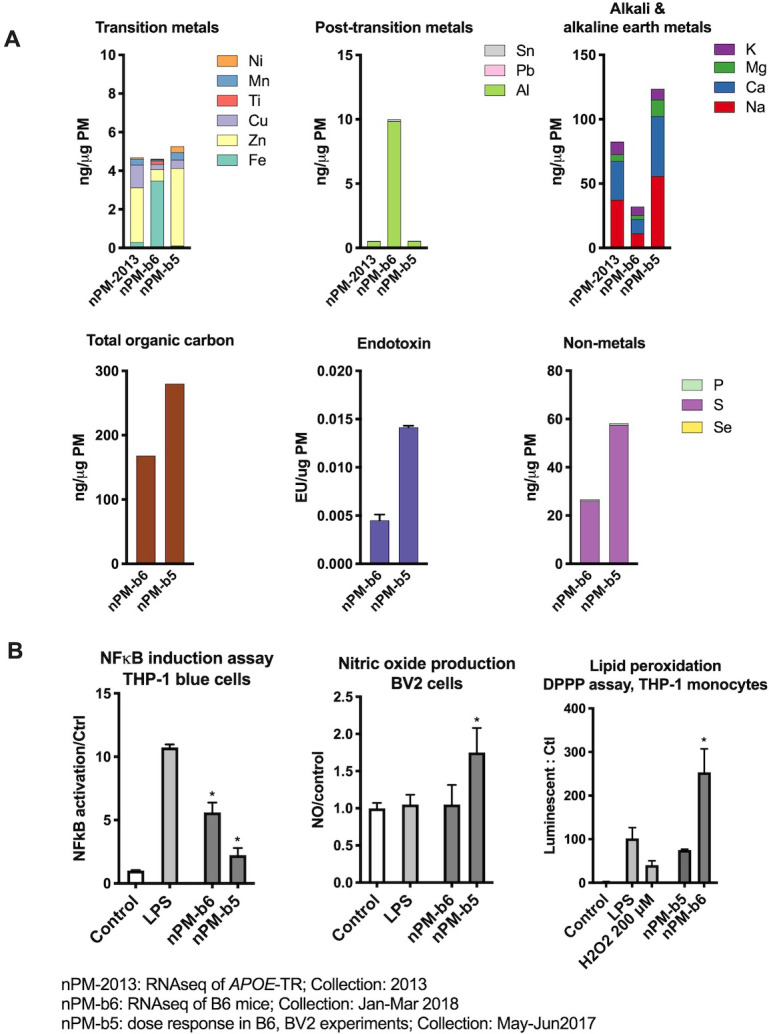
Figure 1—figure supplement 1.. Chemical characterization (A) and cellular activity (B) of nPM batches collected after 2017 in this study.
The batch IDs (nPM-b) correspond to our analysis of nPM chemistry from batches collected after 2016 (Zhang et al., 2019). The APOE-TR exposure was done during Feb-May 2013, for which chemical characterization is not available. Representative annual value for nPM-2013 metal content is shown, which was comparable with nPM-b5.
Figure 1—figure supplement 2.
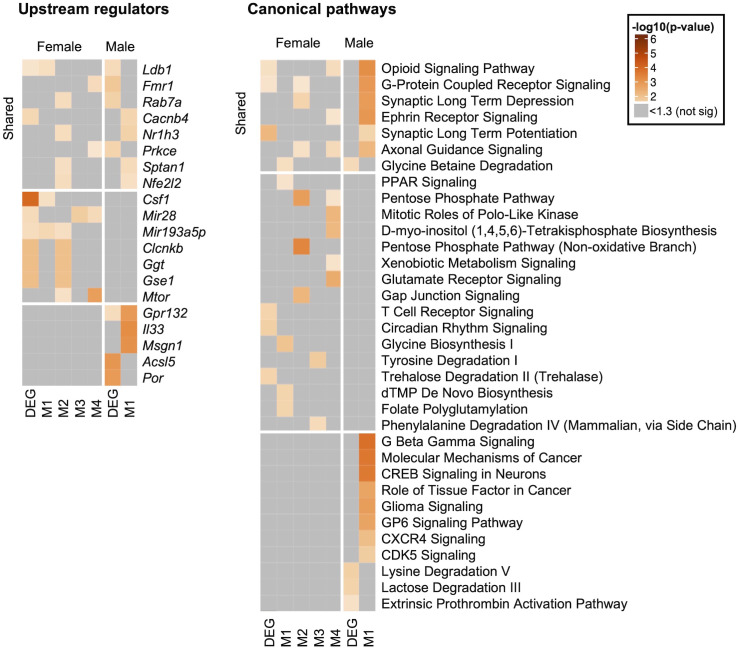
Figure 1—figure supplement 2.. Top canonical pathways and potential upstream regulators of nPM associated genes in C57BL/6J mouse.
Figure 1—figure supplement 3.
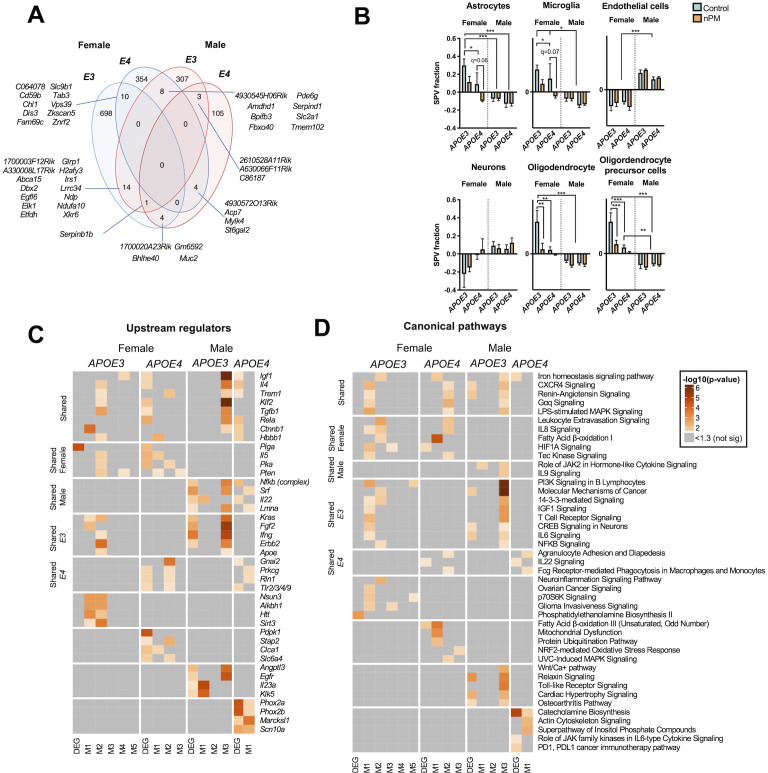
Figure 1—figure supplement 3.. nPM associated changes in male and female APOE-TR mouse.
(A) Venn diagram of the nPM DEGs in each group. (B) Brain RNAseq cell type deconvolution using BRETIGEA package in R. (C) Top upstream regulators and (D) canonical pathways of nPM associated genes in ApoE-TR mouse.
Figure 1—figure supplement 4.
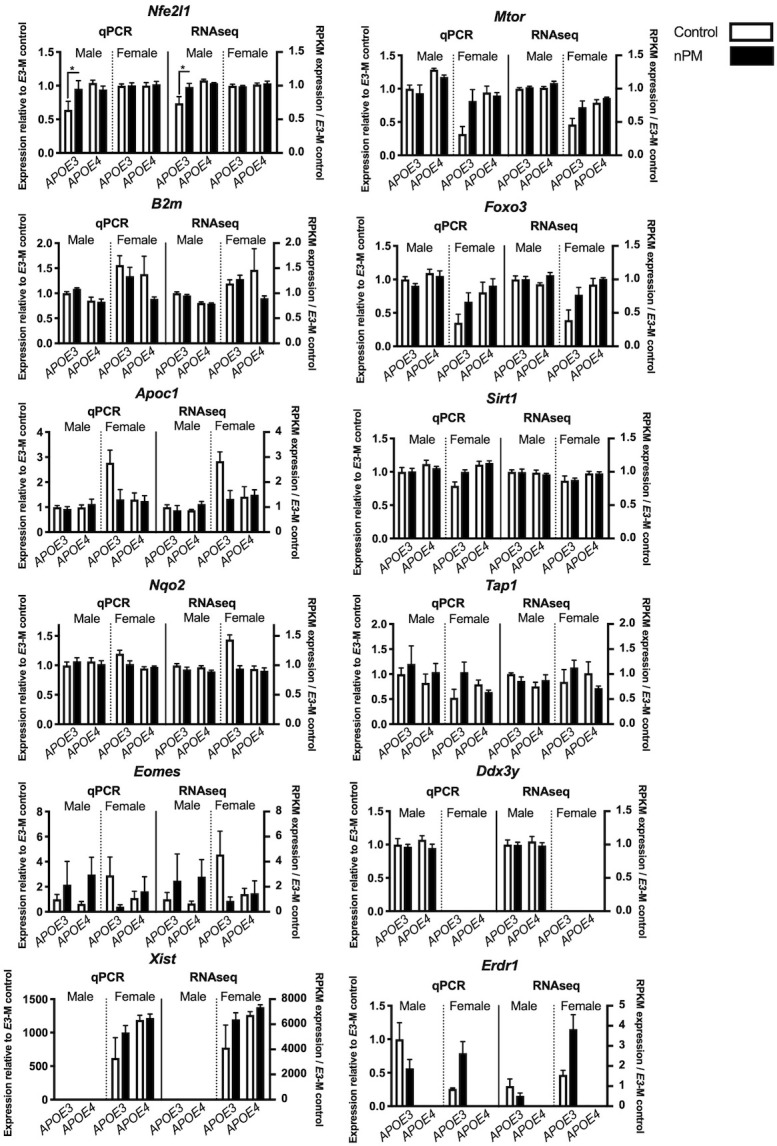
Figure 1—figure supplement 4.. qPCR validation of selected genes from RNAseq, with GAPDH as reference gene, showing similar direction and scale of response to nPM by qPCR and.
Three-way interaction of qPCR and RNAseq shows high overlap of significant factors. Mean ± SE.
Figure 2.
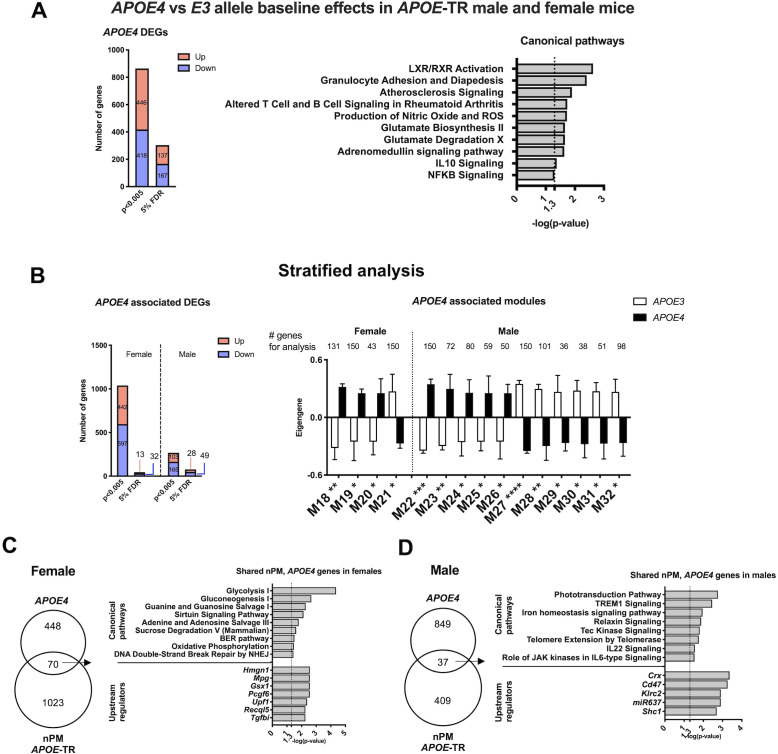
Figure 2.. APOE allele baseline differences of RNA in cerebral cortex.
(A) Differential expression analysis of APOE4- vs APOE3-TR, at 5% FDR and p-value, 0.005. (B) WGCNA modules associated with APOE4 allele. IPA of the top 150 genes of the modules identified by kME (inter-module connectivity). Significance was calculated from the Pearson correlation of eigengenes for modules with APOE4 allele. *p<0.05; **p<0.01; ***p<0.001; ****p<0.0001. IPA analysis of overlapped genes between baseline differences by APOE allele and nPM response in females (C) and males (D). The genes in each group are a combination of identified genes based on DE and WGCNA. RNAseq sample size was 4/genotype/sex/treatment. Detailed IPA analysis of APOE allele baseline DEGs (Figure 2—figure supplement 1).
Figure 2—figure supplement 1.
Figure 2—figure supplement 1.. Upstream regulators and canonical pathways associated with APOE4 baseline difference in male and female APOE-TR mouse.
Figure 3.
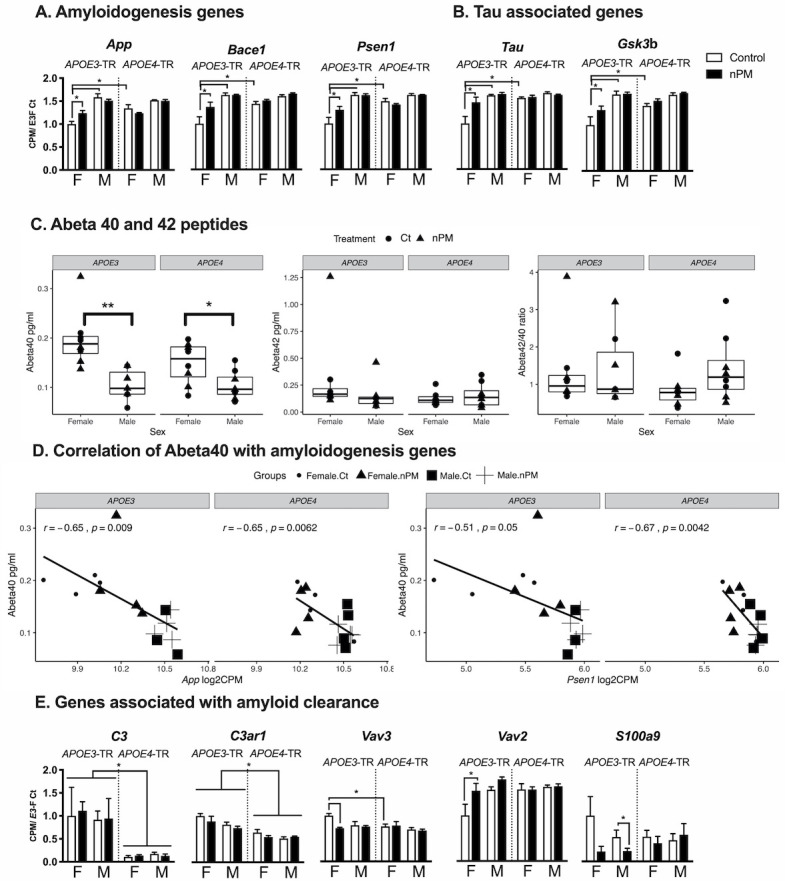
Figure 3.. AD-associated gene responses to nPM in cerebral cortex.
(A) Amyloidogenic pathway responses. Female APOE3 had largest nPM response. (B) Tau and its kinase, Gsk3b. (C) Levels of Aβ40 and Aβ42 peptides did not respond to nPM. However, females had higher Aβ40 (pg/ml) of both APOE3 and APOE4 mice. **p<0.01, *p<0.05 in t-test. (D) Aβ40 peptide was negatively correlated with amyloidogenesis gene expression including App (r = −0.65), and Psen1 (r = −0.51 to −0.67). The expression was reported as Log2 count per million (cpm). (E) Aβ-amyloid clearance pathway responses to nPM. A small subset (10%, 5/46) of amyloid clearance genes differed by APOE or nPM (genes identified in the IPA database for phagocytosis, proteolysis, degradation, deposition). Only APOE3 responded to nPM. Mean ± SEM. ANOVA; FDR multiple test correction. * Adj. p-value, 0.05. Sample size: 4/genotype/sex/treatment.
Figure 4.
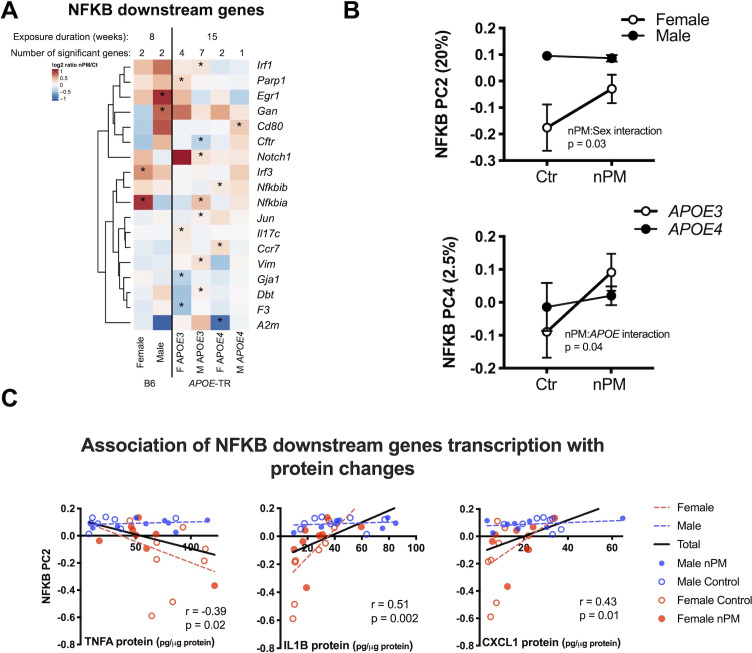
Figure 4.. nPM induced inflammatory responses with sex- and APOE specificity.
(A) Stratified analysis of NFKB downstream genes responses to nPM. The combined IPA datasets included 133 NFKB downstream genes. (B) Principal component analysis of 133 NFKB downstream genes in APOE-TR: PC2 (20% of total variance) was associated with nPM: sex interaction; PC4 (2.5% of variance), associated with nPM:APOE interaction. (C) Protein levels of genes downstream of NFKB were correlated with PC2: positive correlations for CXCL1 and IL1B; inverse correlation with TNFA. Only females responded to nPM. Sample size of 4/genotype/sex/treatment.
Figure 5.
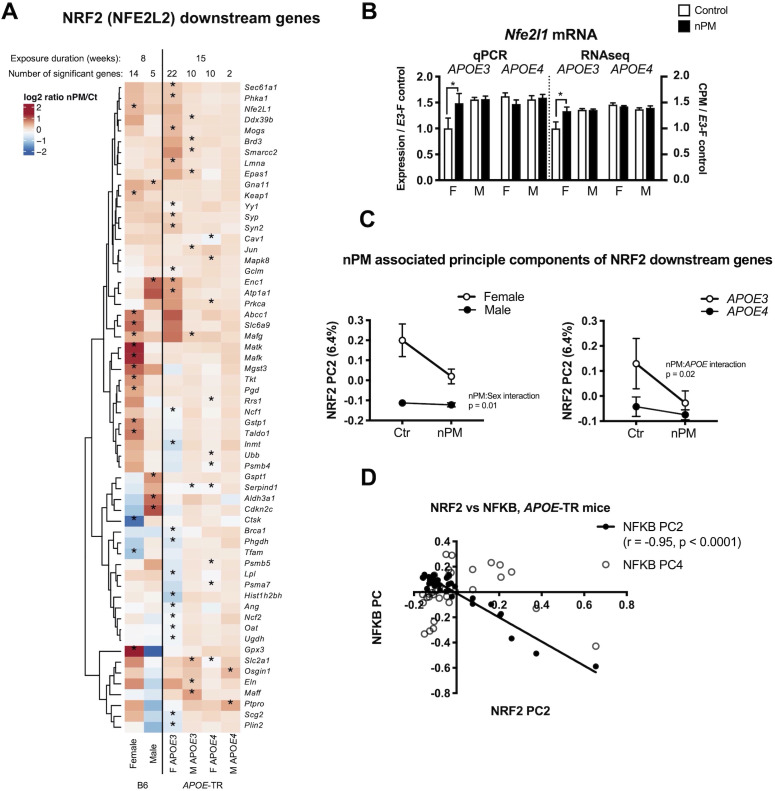
Figure 5.. Nrf2 responses to nPM in B6 and APOE-TR mice.
(A) Heatmap of log2 fold changes of nPM responses, showing altered expression of at least 60 genes downstream of Nrf2, differing by sex or APOE genotype. (B) Validation by qPCR of Nfe2l1 (Nrf1) changes in RNAseq. (C) Principal component analysis of 513 Nrf2 downstream genes in APOE-TR: Only PC2 (6.4% of variance) had nPM-sex interaction (p=0.01) and APOE (p=0.02). APOE3 females had the highest nPM response. (D) PC2 of Nrf2 downstream genes varied inversely (R2 = 0.91, p=0.0001) with the PC2 of Nfkb downstream genes. Sample size of 4/genotype/sex/treatment.
Figure 6.
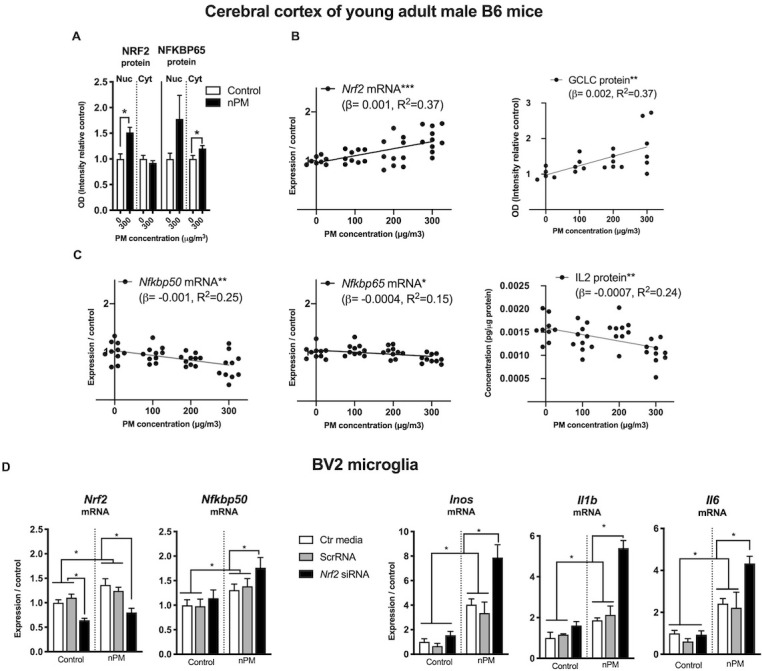
Figure 6.. NRF2 and NFKB interact with nPM toxicity in cerebral cortex of male C57BL/6 mice and in mouse microglia (BV2 cells, in vitro).
(A) Increased nuclear translocation of NRF2 and cytosolic NFKBP65 of B6 mice exposed to 300 μg/m3 nPM for three wks. (B) nPM exposure dose-dependent increase of Nrf2 mRNA and positive correlation with increase of GCLC protein. (C) nPM dose-dependent decrease of Nfkbp65 and Nfkbp50 mRNA, and IL2 protein levels. Inhalation exposure to nPM at 100, 200, and 300 μg/m3 nPM (in vivo sample size, 10/group; exposure, 5 hr/d, 3 d/wk, 3 wks. **p=0.001, ***p=0.0001. (D) BV2 microglia in vitro response to nPM at 5 μg/ml nPM for 6 hr after partial knockdown of Nrf2 (sample size, 6/group; two independent biological replicates). Nrf2 mRNA knockdown was >60% at time 0. ANOVA with FDR multiple test correction. Mean ± SEM. *Adj. p=0.05. nPM chemical characterization (Figure 1—figure supplement 1).
Figure 7.
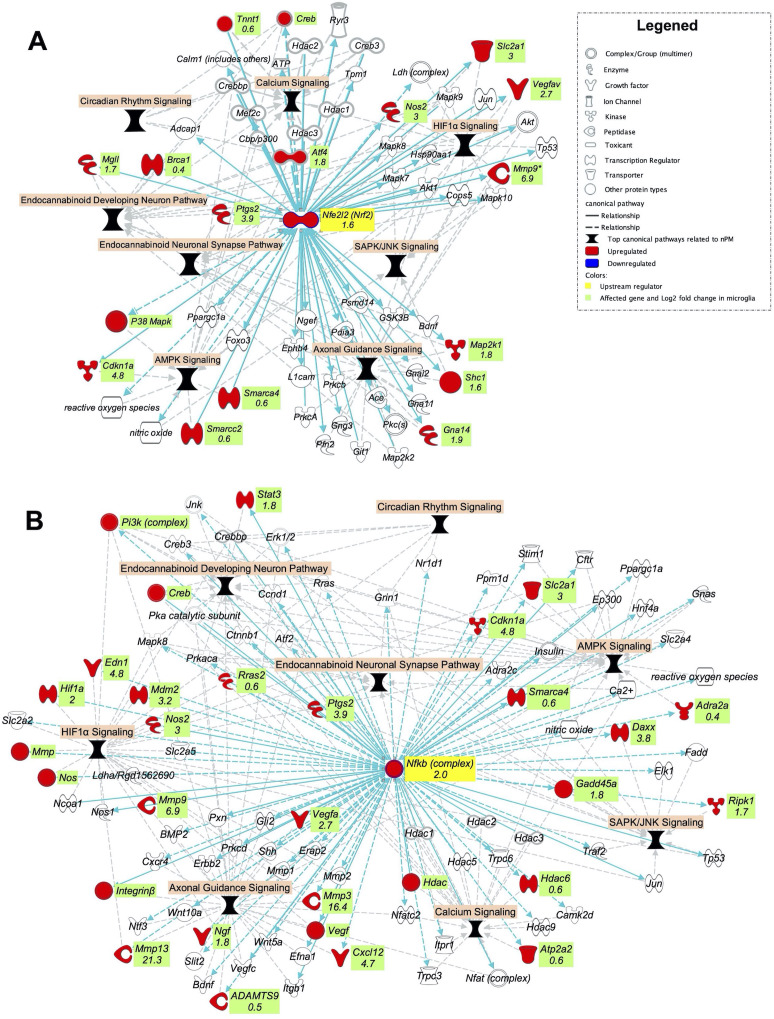
Figure 7.. NRF2 and NFKB are potential upstream regulators of the top canonical pathways related to nPM effects in the cerebral cortex of adult mice.
Gene networks of (A) NRF2 and (B) NFKB downstream genes in the top nPM related canonical pathway (Figure 1A). The network was made by IPA software. The networks were overlaid with the significant responses to nPM in mixed glial culture (Woodward et al., 2017a). The numbers indicate log2 fold-changes of gene expression in Affymetrix microarray. Dataset from prior studies (Woodward et al., 2017a). In vitro sample size, 4/group.

References

    1. Ailshire JA, Clarke P. Fine particulate matter air pollution and cognitive function among U.S. older adults. The Journals of Gerontology Series B: Psychological Sciences and Social Sciences. 2015;70:322–328. doi: 10.1093/geronb/gbu064. - DOI - PMC - PubMed
    1. Cacciottolo M, Morgan TE, Finch CE. Rust on the brain from microbleeds and its relevance to alzheimer studies: invited commentary on cacciottolo neurobiology of aging, 2016. Journal of Alzheimer's Disease & Parkinsonism. 2016;6:287. doi: 10.4172/2161-0460.1000287. - DOI - PMC - PubMed
    1. Cacciottolo M, Wang X, Driscoll I, Woodward N, Saffari A, Reyes J, Serre ML, Vizuete W, Sioutas C, Morgan TE, Gatz M, Chui HC, Shumaker SA, Resnick SM, Espeland MA, Finch CE, Chen JC. Particulate air pollutants, APOE alleles and their contributions to cognitive impairment in older women and to amyloidogenesis in experimental models. Translational Psychiatry. 2017;7:e1022. doi: 10.1038/tp.2016.280. - DOI - PMC - PubMed
    1. Cacciottolo M, Morgan TE, Saffari AA, Shirmohammadi F, Forman HJ, Sioutas C, Finch CE. Traffic-related air pollutants (TRAP-PM) promote neuronal amyloidogenesis through oxidative damage to lipid rafts. Free Radical Biology and Medicine. 2020;147:242–251. doi: 10.1016/j.freeradbiomed.2019.12.023. - DOI - PMC - PubMed
    1. Calderón-Garcidueñas L, Kavanaugh M, Block M, D'Angiulli A, Delgado-Chávez R, Torres-Jardón R, González-Maciel A, Reynoso-Robles R, Osnaya N, Villarreal-Calderon R, Guo R, Hua Z, Zhu H, Perry G, Diaz P. Neuroinflammation, hyperphosphorylated tau, diffuse amyloid plaques, and down-regulation of the cellular prion protein in air pollution exposed children and young adults. Journal of Alzheimer's Disease. 2012;28:93–107. doi: 10.3233/JAD-2011-110722. - DOI - PubMed

Publication types

Associated data