


Adaptive predictive principal components for modeling multivariate air pollution
- PMID: 32581623
- PMCID: PMC7313718
- DOI: 10.1002/env.2525
Adaptive predictive principal components for modeling multivariate air pollution
Abstract
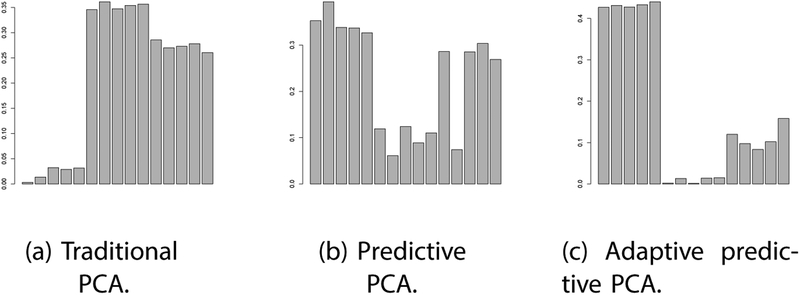
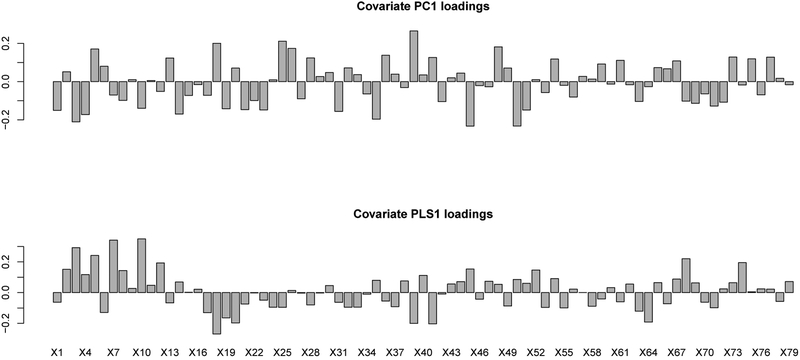
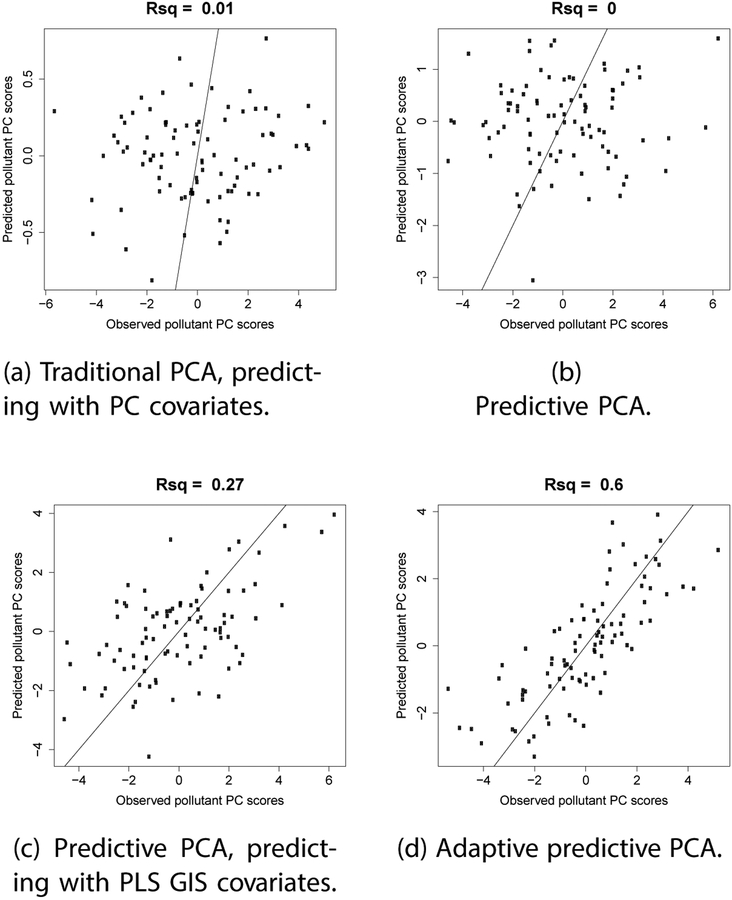
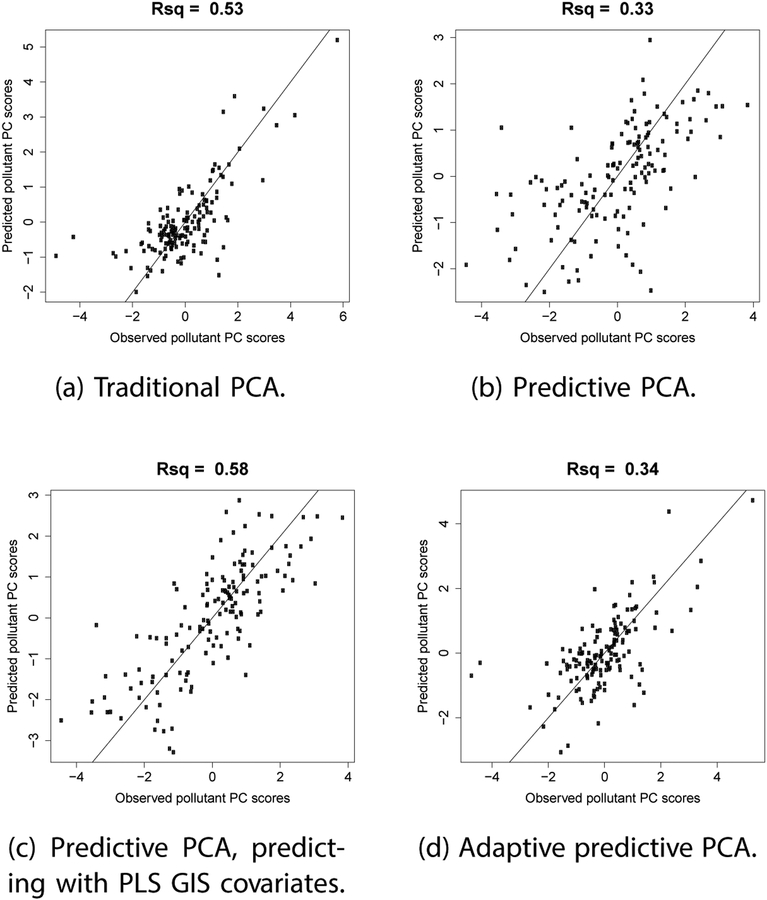
Air pollution monitoring locations are typically spatially misaligned with locations of participants in a cohort study, so to analyze pollution-health associations, exposures must be predicted at subject locations. For a pollution measure like PM2.5 (fine particulate matter) comprised of multiple chemical components, the predictive principal component analysis (PCA) algorithm derives a low-dimensional representation of component profiles for use in health analyses. Geographic covariates and spatial splines help determine the principal component loadings of the pollution data to give improved prediction accuracy of the principal component scores. While predictive PCA can accommodate pollution data of arbitrary dimension, it is currently limited to a small number of pre-selected geographic covariates. We propose an adaptive predictive PCA algorithm, which automatically identifies a combination of covariates that is most informative in choosing the principal component directions in the pollutant space. We show that adaptive predictive PCA improves the accuracy of multi-pollutant exposure predictions at subject locations.
Keywords: Multicomponent pollution; dimension reduction; partial least squares; prediction; spatial misalignment.
Figures
References
-
- Badaloni C, Cesaroni G, Cerza F, Davoli M, Brunekreef B and Forastiere F (2017). Effects of long-term exposure to particulate matter and metal components on mortality in the Rome longitudinal study. Environment International, 109, 146–154. - PubMed
-
- Brook RD, Rajagopalan S, Pope CA, Brook JR, Bhatnagar A, Diez-Roux AV, … Kaufman JD (2010). Particulate matter air pollution and cardiovascular disease: An update to the scientific statement from the American Heart Association. Circulation, 121(21), 2331–2378. - PubMed
Grants and funding
LinkOut - more resources
Full Text Sources