


Identification of PDL1-Related Biomarkers to Select Lung Adenocarcinoma Patients for PD1/PDL1 Inhibitors
- PMID: 32587640
- PMCID: PMC7303743
- DOI: 10.1155/2020/7291586
Identification of PDL1-Related Biomarkers to Select Lung Adenocarcinoma Patients for PD1/PDL1 Inhibitors
Abstract
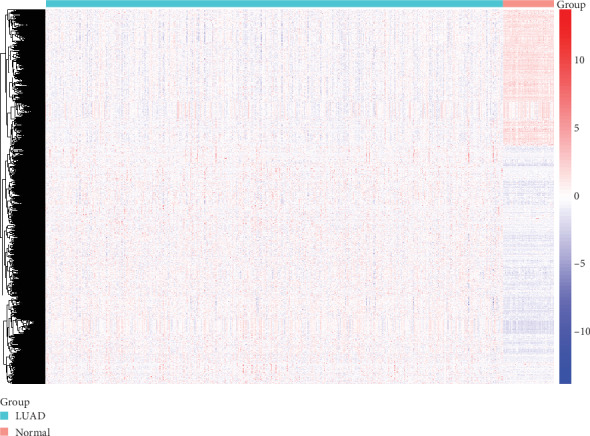
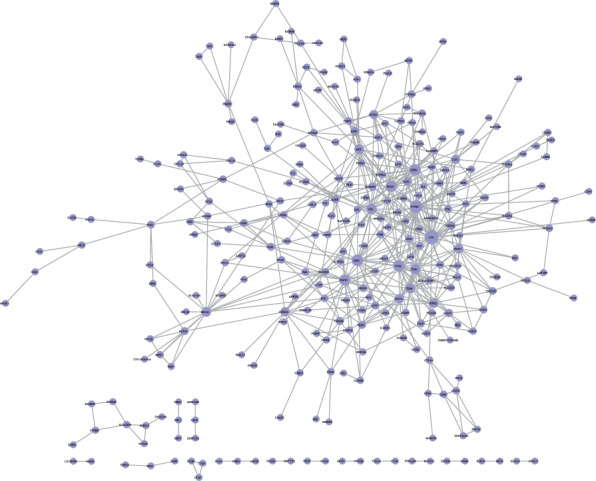
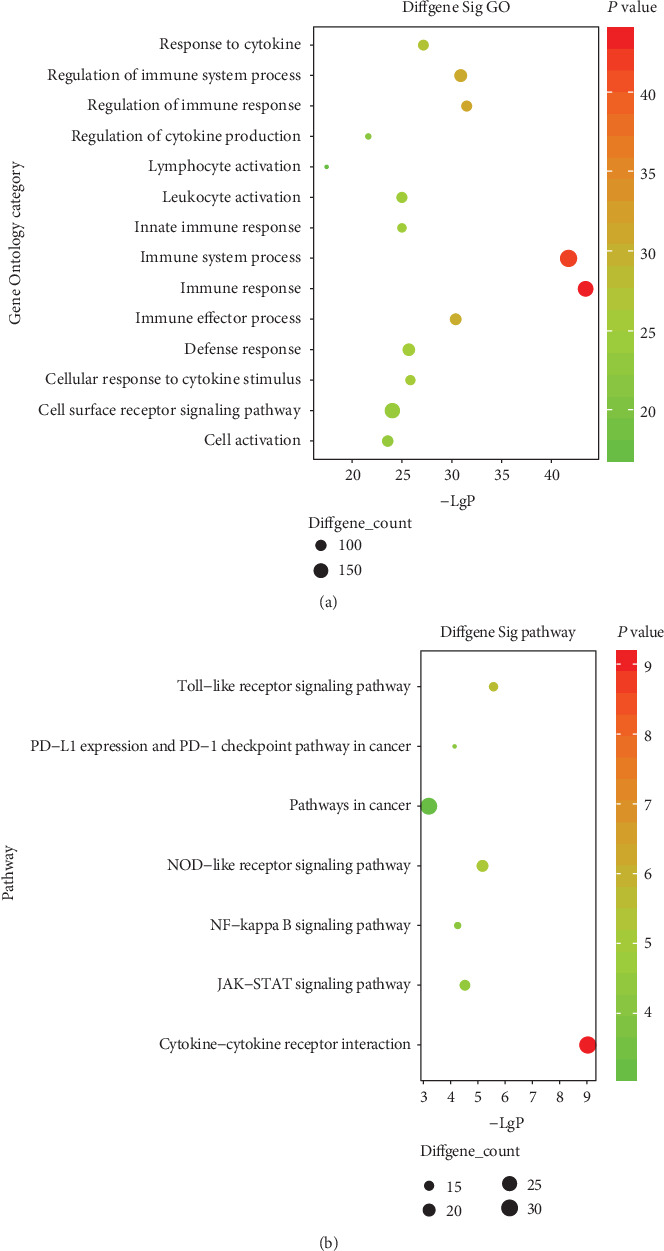
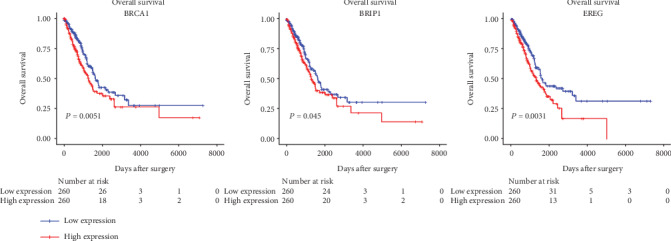
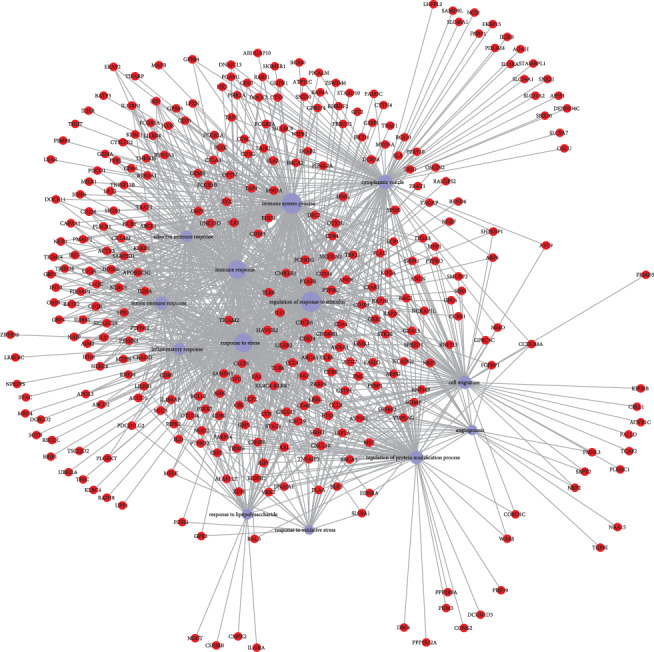
PD1/PDL1 inhibitors have been adopted for the treatment of advanced non-small-cell lung cancer, and PDL1 expression has been investigated as a predictive biomarker for PD1/PDL1 inhibitor therapy. However, PDL1 lacks diagnostic accuracy in differentiating patients who are likely or unlikely to benefit. So, it is urgent and clinically significant to identify other associated predictive biomarkers for PD1/PDL1 inhibitor therapy. Our work was to identify PDL1-related biomarkers that could improve the patient selection for PD1/PDL1 inhibitor treatment. We obtained 500 genes coexpressed with PDL1 in lung adenocarcinoma from the TCGA database. Then, we identified 125 out of 500 genes differentially expressed in lung adenocarcinoma. A total of 39 genes were distinguished with prognostic value and associated with overall survival. Median survival time analysis based on gene expression level, protein-protein interaction analysis, GO and KEGG enrichment analyses, and significant GO and KEGG function consistency analyses were conducted to screen candidate biomarkers. Three candidate genes, BRCA1, BRIP1, and EREG, were identified to be functionally significantly coexpressed with PDL1. Functional enrichment analysis and protein-protein interaction networks further showed that these genes mainly participated in immune response and cell activation. Additionally, to find potential adjuvant therapeutic targets in PD1/PDL1 inhibitor treatment, we performed transcription factor prediction analysis. A group of negative differential expression but PDL1-related biomarkers has been identified, which might help to assess the clinical management of lung cancer patients. A combination of potential biomarkers and adjuvant therapeutic targets with PDL1 will predict the response to PD1/PDL1 inhibitors more accurately and help with the patient selection for more personalized immune checkpoint inhibitor treatment.
Copyright © 2020 Yanping Wu et al.
Conflict of interest statement
The authors declare that they have no conflicts of interest.
Figures
References
MeSH terms
Substances
LinkOut - more resources
Full Text Sources
Medical
Research Materials
Miscellaneous
