


Imaging the aging brain: study design and baseline findings of the SENIOR cohort
- PMID: 32591008
- PMCID: PMC7320588
- DOI: 10.1186/s13195-020-00642-1
Imaging the aging brain: study design and baseline findings of the SENIOR cohort
Abstract
Background: Current demographic trends point towards an aging society entailing increasing occurrence and burden of neurodegenerative diseases. In this context, understanding physiological aging and its turning point into neurodegeneration is essential for the development of possible biomarkers and future therapeutics of brain disease.
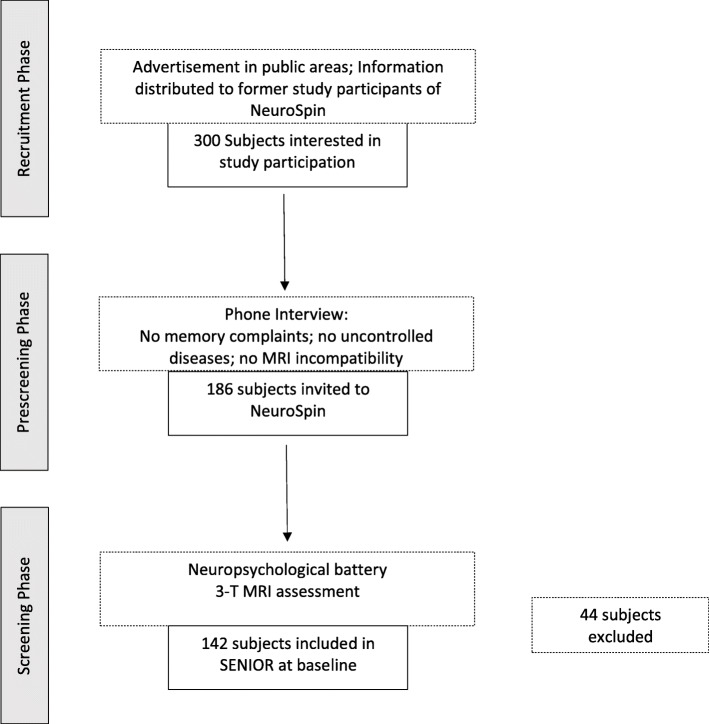
Methods: The SENIOR study represents a longitudinal, observational study including cognitively healthy elderlies aged between 50 and 70 years old at the time of inclusion, being followed annually over 10 years. Our multimodal protocol includes structural, diffusion, functional, and sodium magnetic resonance imaging (MRI) at 3 T and 7 T, positron emission tomography (PET), blood samples, genetics, audiometry, and neuropsychological and neurological examinations as well as assessment of neuronal risk factors.
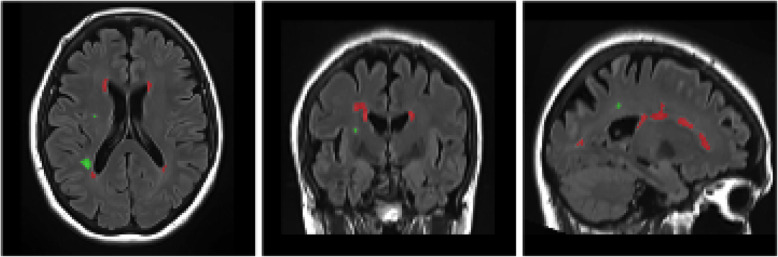
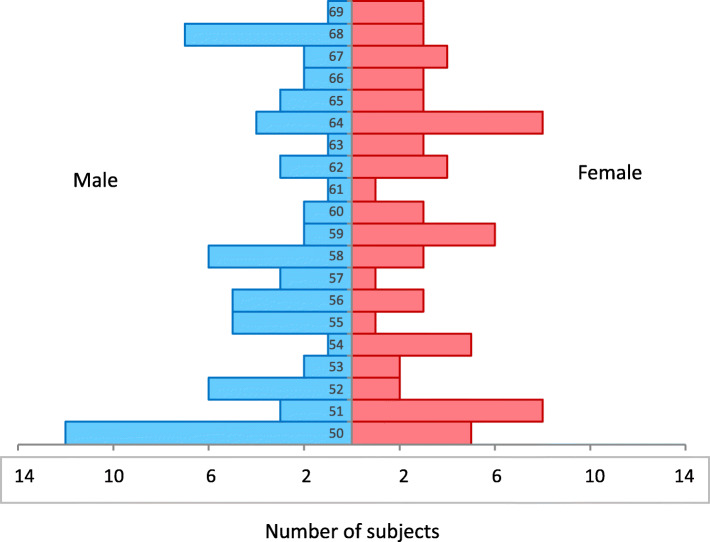
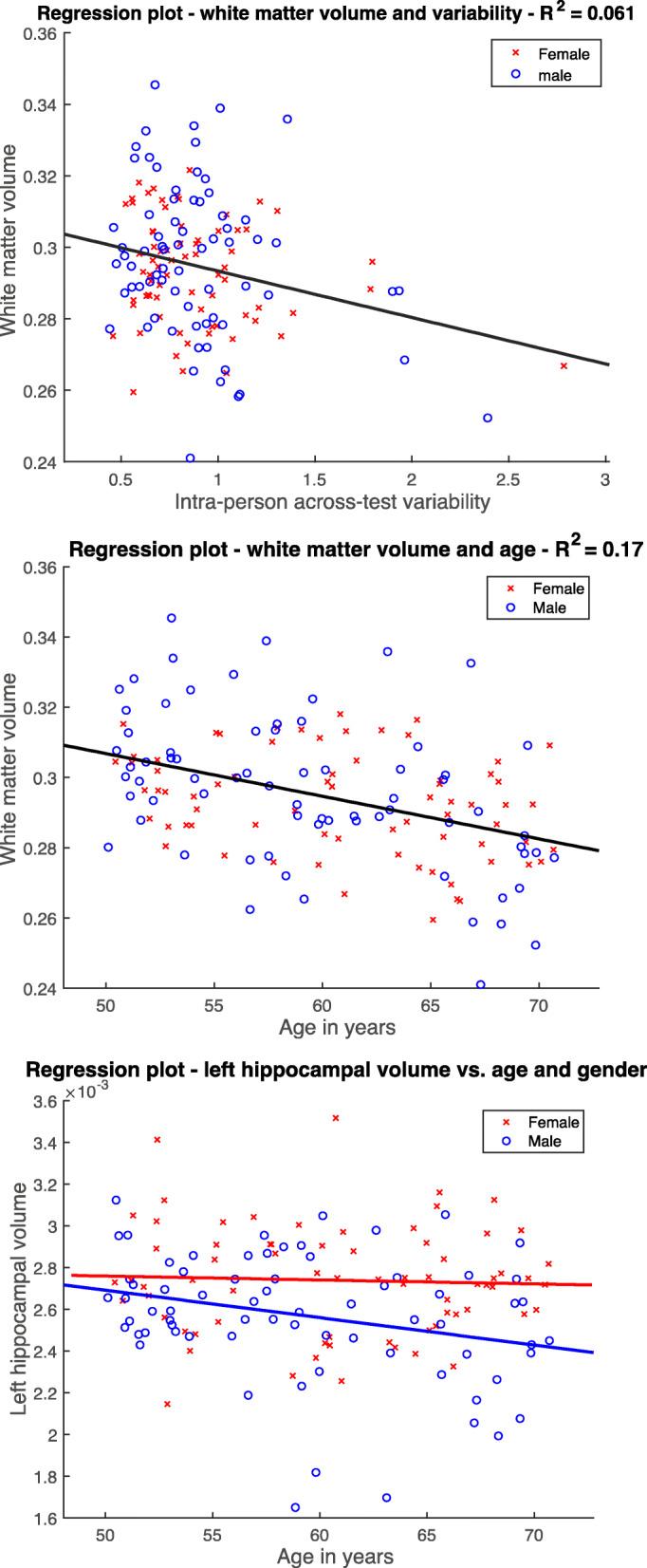
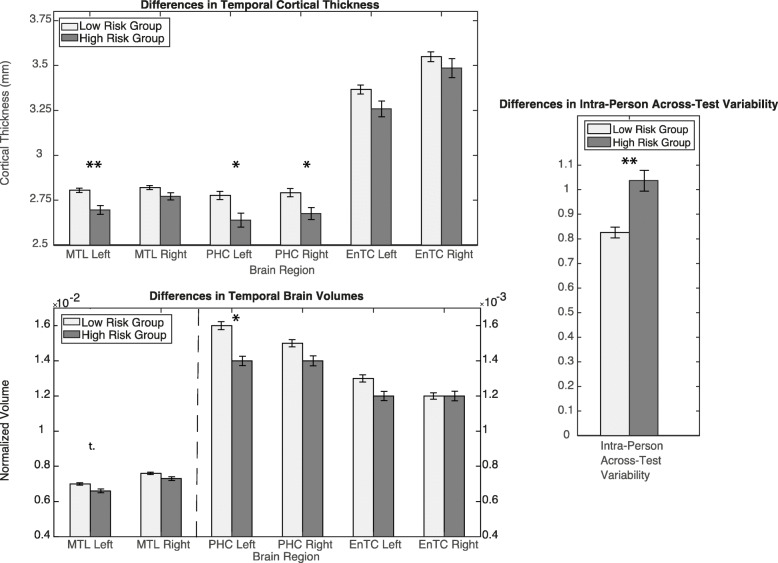
Results: One hundred forty-two participants (50% females) were enrolled in the SENIOR cohort with a mean age of 60 (SD 6.3) years at baseline. Baseline results with multiple regression analyses reveal that cerebral white matter lesions can be predicted by cardiovascular and cognitive risk factors and age. Cardiovascular risk factors were strongly associated with juxtacortical and periventricular lesions. Intra-subject across-test variability as a measure of neuropsychological test performance and possible cognitive marker predicts white matter volume and is significantly associated with risk profile. Division of the cohort into subjects with a higher and lower risk profile shows significant differences in intra-subject across-test variability and volumes as well as cortical thickness of brain regions of the temporal lobe. There is no difference between the lower- and higher-risk groups in amyloid load using PET data from a subset of 81 subjects.
Conclusions: We here describe the study protocol and baseline findings of the SENIOR observational study which aim is the establishment of integrated, multiparametric maps of normal aging and the identification of early biomarkers for neurodegeneration. We show that intra-subject across-test variability as a marker of neuropsychological test performance as well as age, gender, and combined risk factors influence neuronal decline as represented by decrease in brain volume, cortical thickness, and increase in white matter lesions. Baseline findings will be used as underlying basis for the further implications of aging and neuronal degeneration as well as examination of brain aging under different aspects of brain pathology versus physiological aging.
Keywords: Aging; Alzheimer’s disease; Biomarker; Cognitive decline; Dementia; Imaging; Intra-person across-test variability; Neurodegenerative disease; Prevention.
Conflict of interest statement
Not applicable.
Figures
References
-
- Jeromin A, Bowser R. Nanomedicine for inflammatory diseases. 2017. Biomarkers in neurodegenerative diseases; pp. 491–528. - PubMed
Publication types
MeSH terms
LinkOut - more resources
Full Text Sources
Medical
