


Cancer therapy with iron oxide nanoparticles: Agents of thermal and immune therapies
- PMID: 32603814
- PMCID: PMC7736167
- DOI: 10.1016/j.addr.2020.06.025
Cancer therapy with iron oxide nanoparticles: Agents of thermal and immune therapies
Abstract
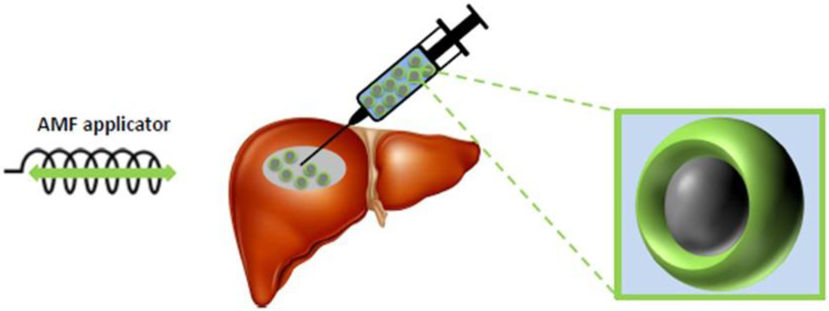
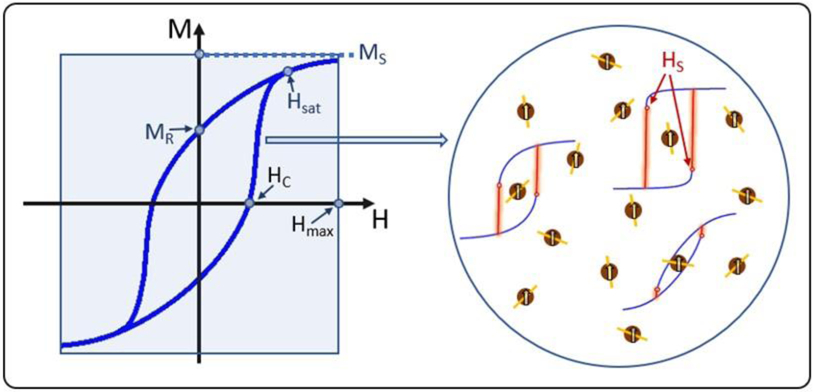
Significant research and preclinical investment in cancer nanomedicine has produced several products, which have improved cancer care. Nevertheless, there exists a perception that cancer nanomedicine 'has not lived up to its promise' because the number of approved products and their clinical performance are modest. Many of these analyses do not consider the long clinical history and many clinical products developed from iron oxide nanoparticles. Iron oxide nanoparticles have enjoyed clinical use for about nine decades demonstrating safety, and considerable clinical utility and versatility. FDA-approved applications of iron oxide nanoparticles include cancer diagnosis, cancer hyperthermia therapy, and iron deficiency anemia. For cancer nanomedicine, this wealth of clinical experience is invaluable to provide key lessons and highlight pitfalls in the pursuit of nanotechnology-based cancer therapeutics. We review the clinical experience with systemic liposomal drug delivery and parenteral therapy of iron deficiency anemia (IDA) with iron oxide nanoparticles. We note that the clinical success of injectable iron exploits the inherent interaction between nanoparticles and the (innate) immune system, which designers of liposomal drug delivery seek to avoid. Magnetic fluid hyperthermia, a cancer therapy that harnesses magnetic hysteresis heating is approved for treating humans only with iron oxide nanoparticles. Despite its successful demonstration to enhance overall survival in clinical trials, this nanotechnology-based thermal medicine struggles to establish a clinical presence. We review the physical and biological attributes of this approach, and suggest reasons for barriers to its acceptance. Finally, despite the extensive clinical experience with iron oxide nanoparticles new and exciting research points to surprising immune-modulating potential. Recent data demonstrate the interactions between immune cells and iron oxide nanoparticles can induce anti-tumor immune responses. These present new and exciting opportunities to explore additional applications with this venerable technology. Clinical applications of iron oxide nanoparticles present poignant case studies of the opportunities, complexities, and challenges in cancer nanomedicine. They also illustrate the need for revised paradigms and multidisciplinary approaches to develop and translate nanomedicines into clinical cancer care.
Keywords: Cancer; Immune therapy; Iron deficiency anemia; Iron oxide nanoparticles; Magnetic nanoparticle hyperthermia; Nanomedicine.
Copyright © 2020 The Authors. Published by Elsevier B.V. All rights reserved.
Conflict of interest statement
Declaration of Competing Interest R.I. is an inventor on nanoparticle patents, and all these patents are assigned to either The Johns Hopkins University or Aduro BioTech, Inc. R.I. consults for Imagion Biosystems, a company developing imaging with magnetic iron oxide nanoparticles. All other authors report no conflicts of interest.
Figures
References
-
- Feynman RP RP, There’s plenty of room at the bottom. Engineering and Science 23 (1960) 22–36.
-
- NNI, https://www.nano.gov/nanotech-101/what; Searched January 02, 2020.
-
- Jafarizadeh-Malmiri H, Sayyar Z, Anarjan N, Berenjian A. Commercialization Consideration, in: Nanobiotechnology in Food: Concepts, applications and perspectives. Springer Nature AG, Cham, Switzerland, 2019, pp 137–151.
-
- Hobson DW, Commercialization of nanotechnology. WIREs Nanomed. Nanobiotechnol 1 (2009) 189–202. - PubMed
Publication types
MeSH terms
Grants and funding
LinkOut - more resources
Full Text Sources
Medical
