


Exploitation of Agro-Industrial Waste as Potential Source of Bioactive Compounds for Aquaculture
- PMID: 32605275
- PMCID: PMC7404778
- DOI: 10.3390/foods9070843
Exploitation of Agro-Industrial Waste as Potential Source of Bioactive Compounds for Aquaculture
Abstract
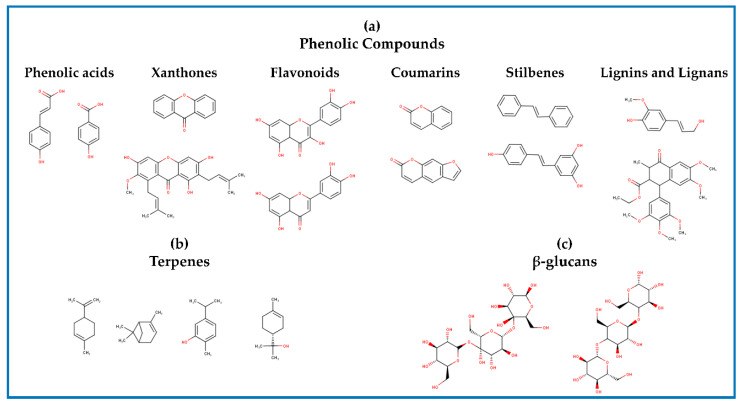
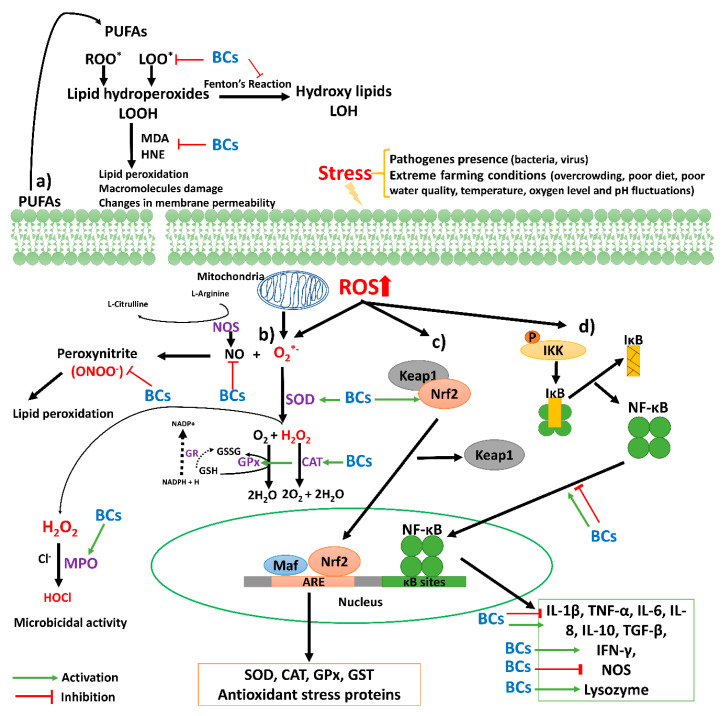
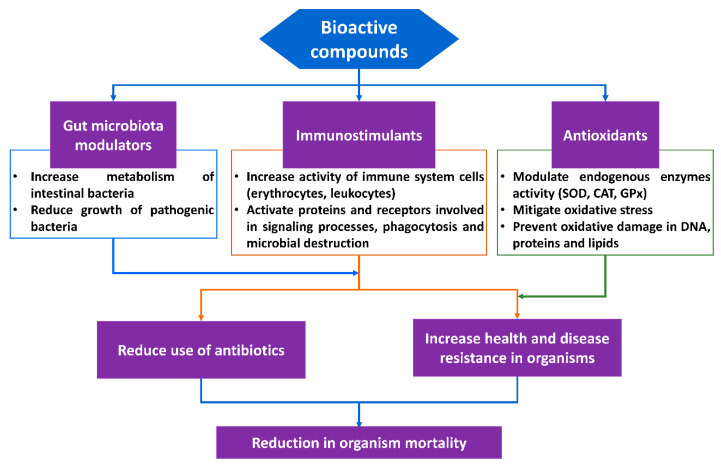
The agroindustry generates a large amount of waste. In postharvest, food losses can reach up to 50%. This waste represents a source of contamination of soil, air, and bodies of water. This represents a problem for the environment as well as for public health. However, this waste is an important source of bioactive compounds, such as phenolic compounds, terpenes, and β-glucans, among others. Several biological activities have been attributed to these compounds; for example, antioxidant, antimicrobial, gut microbiota, and immune system modulators. These properties have been associated with improvements in health. Recently, the approach of using these bioactive compounds as food additives for aquaculture have been addressed, where it is sought that organisms, in addition to growing, preserve their health and become disease resistant. The exploitation of agro-industrial waste as a source of bioactive compounds for aquaculture has a triple objective-to provide added value to production chains, reduce pollution, and improve the well-being of organisms through nutrition. However, to make use of the waste, it is necessary to revalue them, mainly by determining their biological effects in aquaculture organisms. The composition of bioactive compounds of agro-industrial wastes, their biological properties, and their application in aquaculture will be addressed here.
Keywords: antioxidant; biological activities; fish; food by-products; immunostimulants; phenolic compounds; prebiotics.
Conflict of interest statement
The authors declare no conflict of interest.
Figures
References
-
- Nasrin T.A.A., Matin M.A. Valorization of vegetable wastes. In: Anal A.K., editor. Food Processing By-Products and Their Utilization. John Wiley & Sons Ltd.; Hoboken, NJ, USA: 2017. pp. 53–88.
-
- Guaadaoui A., Benaicha S., Elmajdoub N., Bellaoui M., Hamal A. What is a bioactive compound? A combined definition for a preliminary consensus. Int. J. Nutr. Food Sci. 2014;3:174–179. doi: 10.11648/j.ijnfs.20140303.16. - DOI
-
- Ayala-Zavala J.F., Vega-Vega V., Rosas-Domínguez C., Palafox-Carlos H., Villa-Rodriguez J.A., Siddiqui M.W., Dávila-Aviña J.E., González-Aguilar G.A. Agro-industrial potential of exotic fruit byproducts as a source of food additives. Food Res. Int. 2011;44:1866–1874. doi: 10.1016/j.foodres.2011.02.021. - DOI
Publication types
LinkOut - more resources
Full Text Sources
Other Literature Sources
