


Mechanical and surgical interventions for treating primary postpartum haemorrhage
- PMID: 32609374
- PMCID: PMC8407481
- DOI: 10.1002/14651858.CD013663
Mechanical and surgical interventions for treating primary postpartum haemorrhage
Abstract
Background: Primary postpartum haemorrhage (PPH) is commonly defined as bleeding from the genital tract of 500 mL or more within 24 hours of birth. It is one of the most common causes of maternal mortality worldwide and causes significant physical and psychological morbidity. An earlier Cochrane Review considering any treatments for the management of primary PPH, has been split into separate reviews. This review considers treatment with mechanical and surgical interventions.
Objectives: To determine the effectiveness and safety of mechanical and surgical interventions used for the treatment of primary PPH.
Search methods: We searched Cochrane Pregnancy and Childbirth's Trials Register, ClinicalTrials.gov, the WHO International Clinical Trials Registry Platform (ICTRP) (26 July 2019) and reference lists of retrieved studies.
Selection criteria: Randomised controlled trials (RCTs) of mechanical/surgical methods for the treatment of primary PPH compared with standard care or another mechanical/surgical method. Interventions could include uterine packing, intrauterine balloon insertion, artery ligation/embolism, or uterine compression (either with sutures or manually). We included studies reported in abstract form if there was sufficient information to permit risk of bias assessment. Trials using a cluster-RCT design were eligible for inclusion, but quasi-RCTs or cross-over studies were not.
Data collection and analysis: Two review authors independently assessed studies for inclusion and risk of bias, independently extracted data and checked data for accuracy. We used GRADE to assess the certainty of the evidence.
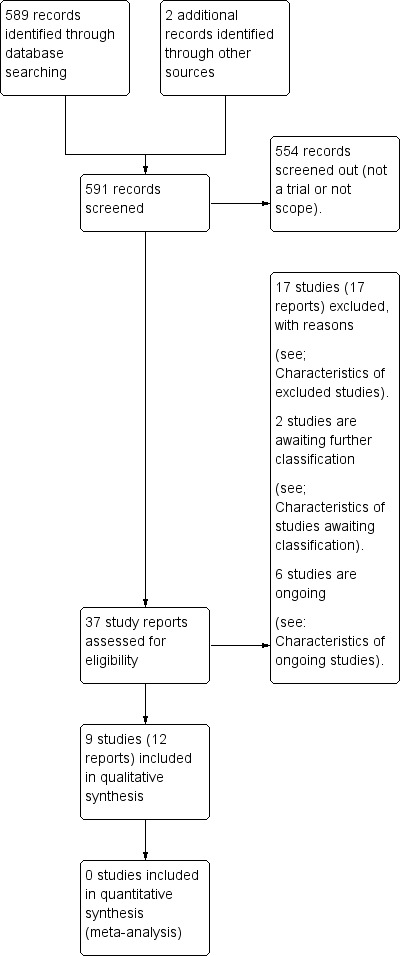
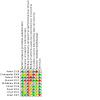
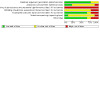
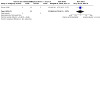
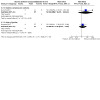
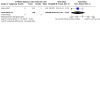
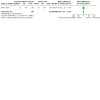
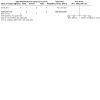
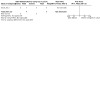
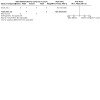
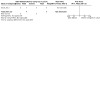
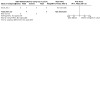
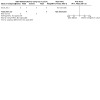
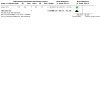
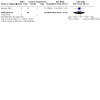
Main results: We included nine small trials (944 women) conducted in Pakistan, Turkey, Thailand, Egypt (four trials), Saudi Arabia, Benin and Mali. Overall, included trials were at an unclear risk of bias. Due to substantial differences between the studies, it was not possible to combine any trials in meta-analysis. Many of this review's important outcomes were not reported. GRADE assessments ranged from very low to low, with the majority of outcome results rated as very low certainty. Downgrading decisions were mainly based on study design limitations and imprecision; one study was also downgraded for indirectness. External uterine compression versus normal care (1 trial, 64 women) Very low-certainty evidence means that we are unclear about the effect on blood transfusion (risk ratio (RR) 2.33, 95% confidence interval (CI) 0.66 to 8.23). Uterine arterial embolisation versus surgical devascularisation plus B-Lynch (1 trial, 23 women) The available evidence for hysterectomy to control bleeding (RR 0.73, 95% CI 0.15 to 3.57) is unclear due to very low-certainty evidence. The available evidence for intervention side effects is also unclear because the evidence was very low certainty (RR 1.09; 95% CI 0.08 to 15.41). Intrauterine Tamponade Studies included various methods of intrauterine tamponade: the commercial Bakri balloon, a fluid-filled condom-loaded latex catheter ('condom catheter'), an air-filled latex balloon-loaded catheter ('latex balloon catheter'), or traditional packing with gauze. Balloon tamponade versus normal care (2 trials, 356 women) One study(116 women) used the condom catheter. This study found that it may increase blood loss of 1000 mL or more (RR 1.52, 95% CI 1.15 to 2.00; 113 women), very low-certainty evidence. For other outcomes the results are unclear and graded as very low-certainty evidence: mortality due to bleeding (RR 6.21, 95% CI 0.77 to 49.98); hysterectomy to control bleeding (RR 4.14, 95% CI 0.48 to 35.93); total blood transfusion (RR 1.49, 95% CI 0.88 to 2.51); and side effects. A second study of 240 women used the latex balloon catheter together with cervical cerclage. Very low-certainty evidence means we are unclear about the effect on hysterectomy (RR 0.14, 95% CI 0.01 to 2.74) and additional surgical interventions to control bleeding (RR 0.20, 95% CI 0.01 to 4.12). Bakri balloon tamponade versus haemostatic square suturing of the uterus (1 trial, 13 women) In this small trial there was no mortality due to bleeding, serious maternal morbidity or side effects of the intervention, and the results are unclear for blood transfusion (RR 0.57, 95% CI 0.14 to 2.36; very low certainty). Bakri balloon tamponade may reduce mean 'intraoperative' blood loss (mean difference (MD) -426 mL, 95% CI -631.28 to -220.72), very low-certainty evidence. Comparison of intrauterine tamponade methods (3 trials, 328 women) One study (66 women) compared the Bakri balloon and the condom catheter, but it was uncertain whether the Bakri balloon reduces the risk of hysterectomy to control bleeding due to very low-certainty evidence (RR 0.50, 95% CI 0.05 to 5.25). Very low-certainty evidence also means we are unclear about the results for the risk of blood transfusion (RR 0.97, 95% CI 0.88 to 1.06). A second study (50 women) compared Bakri balloon, with and without a traction stitch. Very low-certainty evidence means we are unclear about the results for hysterectomy to control bleeding (RR 0.20, 95% CI 0.01 to 3.97). A third study (212 women) compared the condom catheter to gauze packing and found that it may reduce fever (RR 0.47, 95% CI 0.38 to 0.59), but again the evidence was very low certainty. Modified B-Lynch compression suture versus standard B-Lynch compression suture (1 trial, 160 women) Low-certainty evidence suggests that a modified B-Lynch compression suture may reduce the risk of hysterectomy to control bleeding (RR 0.33, 95% CI 0.11 to 0.99) and postoperative blood loss (MD -244.00 mL, 95% CI -295.25 to -192.75).
Authors' conclusions: There is currently insufficient evidence from RCTs to determine the relative effectiveness and safety of mechanical and surgical interventions for treating primary PPH. High-quality randomised trials are urgently needed, and new emergency consent pathways should facilitate recruitment. The finding that intrauterine tamponade may increase total blood loss > 1000 mL suggests that introducing condom-balloon tamponade into low-resource settings on its own without multi-system quality improvement does not reduce PPH deaths or morbidity. The suggestion that modified B-Lynch suture may be superior to the original requires further research before the revised technique is adopted. In high-resource settings, uterine artery embolisation has become popular as the equipment and skills become more widely available. However, there is little randomised trial evidence regarding efficacy and this requires further research. We urge new trial authors to adopt PPH core outcomes to facilitate consistency between primary studies and subsequent meta-analysis.
Trial registration: ClinicalTrials.gov NCT02430155 NCT02910310 NCT02660567 NCT03570723 NCT01980173 NCT02416089 NCT02568657 NCT02694341 NCT02735733 NCT03891082 NCT02226731.
Copyright © 2020 The Cochrane Collaboration. Published by John Wiley & Sons, Ltd.
Conflict of interest statement
JW: has received FIGO/Wellbeing fellowship. This was a training fellowship and included facilitation of this review. The award also supported travel and attendance at training workshops in systematic review methodologies in Liverpool and at other UK institutions.
ADW: has been involved in misoprostol research for many years and runs www.misoprostol.org, which is a website that seeks to provide independent information on misoprostol doses. He has been an investigator on a team investigating the use of misoprostol for postpartum haemorrhage prophylaxis in rural Uganda. He is also one of two inventors of the PPH Butterfly ‐ a device to facilitate bimanual compression of the uterus. The patent is held by his employer (the University of Liverpool), but ADW would receive royalties from any future sales of the device.
HM: none known.
FK: is the Managing Editor of Cochrane Pregnancy and Childbirth and employed by the University of Liverpool via NIHR Cochrane Infrastructure funding paid to the host institution. Cochrane Pregnancy and Childbirth also received project funding from WHO to prepare Cochrane evidence to inform prioritised WHO recommendations for updating. FK is a member of the Executive Guideline Steering Group for Updating WHO Maternal and Perinatal Health Recommendations (2017 to 2019) and she has received travel and per diem expenses from WHO within the last three years in relation to attendance at WHO technical and prioritisation meetings. As a member of Cochrane Pregnancy and Childbirth's editorial team, Frances has not been involved in the editorial processing or any editorial decisions relating to the protocol, or the subsequent review.
Figures
































References
References to studies included in this review
Ashraf 2018 {published data only}
-
- Ashraf N, Ashraf A, Khursheed K. Efficacy and safety of intrauterine balloon tamponade versus ueterovaginal roll gauze packing in patient presenting with primary postpartum haemorrhage after normal vaginal delivery. Annals of King Edward Medical University 2018;24(Special Issue):889-92.
Chantrapitak 2009 {published data only}
-
- Chantrapitak W, Srijanteok K, Puangsa-art S. Lower uterine segment compression for management of early postpartum hemorrhage after vaginal delivery at Charoenkrung Pracharak Hospital. Journal of the Medical Association of Thailand 2009;92(5):600-5. [PMID: ] - PubMed
Darwish 2018 {published data only}
-
- Darwish AM, Abdallah MM, Shaaban OM, Ali MK, Khalaf M, Sabra AM. Bakri balloon versus condom-loaded foley's catheter for treatment of atonic postpartum hemorrhage secondary to vaginal delivery: a randomized controlled trial. Journal of Maternal-Fetal & Neonatal Medicine 2018;31(6):747-53. - PubMed
-
- NCT02430155. Comparison of condom-loaded foley's catheter versus bakri balloon for treatment of primary postpartum hemorrhage: a randomized controlled trial. clinicaltrials.gov/show/NCT02430155 (first received 30 April 2015).
Dumont 2017 {published data only}ISRCTN01202389
-
- ISRCTN01202389. Evaluation of intrauterine balloon tamponade efficacy with condom catheter and misoprostol (usual treatment) compared to misoprostol alone in the severe postpartum management hemorrhage management in Benin and Mali: a randomized controlled trial. www.isrctn.com/ISRCTN01202389 (first received 9 September 2013).
-
- Tort J, Hounkpatin B, Popowski T, Traore M, Bodin C, Perrin R, et al. A randomized controlled trial to test the effectiveness of intrauterine balloon tamponade with condom catheter in severe postpartum hemorrhage management: a feasibility study in Benin. Journal of Women's Health Care 2013;2(4):135.
El‐Sokkary 2016 {published data only}
Farouk 2016 {published data only}
-
- Farouk O, Elbasuony W, Elbohouty A. Uterine artery embolization versus surgical management in primary atonic postpartum hemorrhage: A randomized clinical trial. Egyptian Journal of Radiology and Nuclear Medicine 2016;47(3):817-23.
Kavak 2013 {published data only}
-
- Kavak SB, Atilgan R, Demirel I, Celik E, Ilhan R, Sapmaz E. Endouterine hemostatic square suture vs. Bakri balloon tamponade for intractable hemorrhage due to complete placenta previa. Journal of Perinatal Medicine 2013;41(6):705-9. - PubMed
Khalil 2011 {published data only}
-
- Khalil MI, Al-Dohami H, Aldahish MM. A method to improve the effectiveness of the Bakri balloon for management of postpartum hemorrhage at cesarean. International Journal of Gynecology & Obstetrics 2011;115(2):198-200. - PubMed
References to studies excluded from this review
Anger 2016 {published data only}
-
- NCT02910310. Introduction of a uterine balloon tamponade for postpartum hemorrhage in three low income countries: a stepped wedge cluster randomized trial. clinicaltrials.gov/show/NCT02910310 (first received 22 September 2016).
Azmy 2016 {published data only}
-
- NCT02660567. The impacts of using amr's maneuver (cervical traction) on atonic postpartum hemorrhage; multi-centre randomized controlled study. clinicaltrials.gov/show/NCT02660567 (first received 21 January 2016).
Chen 2017 {published data only}
-
- ChiCTR-IOR-17012244. Bilateral internal iliac artery balloon occlusion for the management of pernicious placenta previa and accreta. www.chictr.org.cn/showproj.aspx?proj=20741 (first received 4 August 2017).
Farouk 2018 {published data only}
-
- Farouk H, NCT03570723. Glove-loaded foley's catheter tamponade to reducing blood loss during cesarean delivery for complete placenta previa: a randomized controlled trial. clinicaltrials.gov/ct2/show/NCT03570723 (first received 27 June 2018).
Gelany 2012 {published data only}
-
- Gelany SA, Soltan MH. External aortic compression device, manual aortic compression & El Minya air inflated balloon: simple, cost-effective, and saving many lives in low resource settings. International Journal of Gynaecology and Obstetrics 2012;119:S335.
Khalil 2014 {published data only}
-
- Khalil M. Upper segment caesarean section, bilateral uterine artery ligation, with Khalil, s traction stitch for Bakri balloon tamponade to control postpartum hemorrhage from morbid adherent placenta previa. Journal of Maternal-Fetal & Neonatal Medicine 2014;27(Suppl 1):40.
Letouzey 2013 {published data only}
-
- Letouzey V, NCT01980173. Medico-economic comparison of postpartum hemorrhage management using the bakri balloon and standard care. https://clinicaltrials.gov/show/NCT01980173 (first received 8 Novemmber 2013).
Liu 2016 {published data only}
-
- Liu M, Li D. Effect of overall care for postpartum major hemorrhage patients with uterine artery embolization. Chinese Journal of Interventional Imaging and Therapy 2016;13(6):338-41.
Mohamed 2014 {published data only}
-
- Mohamed AM, Agawany AS, Abd Rabbo S. Stepwise devascularization versus B-Lynch for massive postpartum haemorrhage. BJOG: an international journal of obstetrics and gynaecology 2014;121(Suppl 2):120.
Nermeen 2015 {published data only}
-
- Nermeen SE, Aly K, Sameh SE, Amr AE. Uterine compression sutures and the amount of post partum blood loss in high risk cases of atonic post partum hemorrhage. Journal of Perinatal Medicine 2015;43(Suppl 1):Abstract no: O-0006.
Purwosonu 2015 {published data only}
-
- Purwosonu Y, Widyastuti. Control of post-partum hemorrhage by vacuum induced uterine tamponade. Journal of Obstetrics and Gynaecology Research 2015;41(Suppl S1):47, Abstract no: FC 9.01.
Rahman 2015 {published data only}
-
- NCT02416089. Tampostat: a low-cost, self-regulating tamponade for management of postpartum hemorrhage in Bangladesh. clinicaltrials.gov/show/NCT02416089 (first received 14 April 2015).
Rezk 2016 {published data only}
-
- PACTR201610001803327. Bilateral uterine artery ligation and square sutures versus a novel combined suture for controlling bleeding from the placental bed in placenta previa centralis at cesarean section: a randomized clinical trial. pactr.org/ATMWeb/appmanager/atm/atmregistry?dar=true&tNo=PACTR201610... (first received 3 October 2016).
Sallam 2019 {published data only}
-
- Sallam HF, Shady NW. A sandwich technique (N&H variation technique) to reduce blood loss during cesarean delivery for complete placenta previa: a randomized controlled trial. Journal of Maternal-Fetal & Neonatal Medicine 2019;32(19):3145-152. - PubMed
Soltan 2009 {published data only}
-
- Soltan MH, Faragallah MF, Mosabah MH, Al-Adawy AR. External aortic compression device: the first aid for postpartum hemorrhage control. Journal of Obstetrics and Gynaecology Research 2009;35(3):453-8. - PubMed
Soltan 2010 {published data only}
-
- Soltan MH, Imam HH, Zahran KA, Atallah SM. Assessing changes in flow velocimetry and clinical outcome following use of an external aortic compression device in women with postpartum hemorrhage. International Journal of Gynecology & Obstetrics 2010;110(3):257-61. - PubMed
von Beckerath 2016 {published data only}
-
- Beckerath AK, Maul H, Elmohandes AM, Shaaban M, Habib DM, Nasr A, et al. Comparison of Celox and Bakri balloon in management of primary atonic postpartum hemorrhage. American Journal of Obstetrics and Gynecology 2016;214(1 Suppl):S335, Abstract no: 628.
References to studies awaiting assessment
Ali 2015 {published data only}
-
- NCT02568657. Comparison between celox versus bakri balloon for treatment of primary atonic postpartum hemorrhage. clinicaltrials.gov/ct2/show/record/NCT02568657 (first received 6 October 2015).
Elkateeb 2016 {published data only}
-
- Elkateeb R, PACTR201601001435165. Using of bakri balloon cathter with intrauterine washing with misoprostol in cases of atonic postpartum hemorrhage. pactr.org/ATMWeb/appmanager/atm/atmregistry?dar=true&tNo=PACTR201601... (first received 23 January 2016).
References to ongoing studies
Abbas 2016 {published data only}
-
- Abbas MA, NCT02694341. Bakri balloon with or without abdominal traction stitch in management of uterine bleeding in cases of placenta previa. clinicaltrials.gov/ct2/show/NCT02694341 (first received 29 February 2016).
Hofmeyr 2019 {published data only}
-
- Hofmeyr GJ, PACTR201907769424884. Uterine vacuum tamponade for treatment of postpartum haemorrhage: a randomized study. https://pactr.samrc.ac.za/TrialDisplay.aspx?TrialID=8223 (first received 30 June 2019).
Hu 2015 {published data only}
-
- ChiCTR-ICR-15006467. The comparative study to evaluate the success rate of the intrauterine tamponade balloon and gauze packing the event of uncontrollable hemorrhage due to placenta previa in cesarean section cases: a randomized perspective controlled multicenter trial. chictr.org.cn/showproj.aspx?proj=11074 (first received 29 June 2015).
Joshipura 2016 {published data only}
-
- NCT02735733. Does cold saline used to inflate a balloon tamponade catheter more significantly reduce blood loss from postpartum hemorrhage than room temperature saline? clinicaltrials.gov/ct2/show/record/NCT02735733 (first received 16 April 2016).
Maged 2019 {published data only}
-
- Maged A, NCT03891082. A comparative study between Bakri Balloon and B lynch suture used to control primary postpartum hemorrhage after cesarean section. https://clinicaltrials.gov/ct2/show/NCT03891082 (first received 26 March 2019).
Rozenberg 2014 {published data only}
-
- NCT02226731. Assessment of the efficacy of early intrauterine tamponade with a belfort-dildy balloon obstetric tamponade system in the treatment of immediate postpartum hemorrhage. clinicaltrials.gov/show/NCT02226731 (first received 27 August 2014).
Additional references
Abdel‐Aleem 2015
Abedi 2016
Aisaka 1988
-
- Aisaka K, Ando S, Kokuho K, Tawada T, Kaneda S, Yoshimatsu J. Effects of obesity and weight gain during pregnancy on obstetrical factors. Acta Obstetrica et Gynaecologica Japonica 1988;63:1851–8. - PubMed
Alexander 2002
Alkema 2016
-
- Alkema L, Chou D, Hogan D, Zhang S, Moller AB, Gemmill A, et al. Global, regional, and national levels and trends in maternal mortality between 1990 and 2015, with scenario-based projections to 2030: a systematic analysis by the UN Maternal Mortality Estimation Inter-Agency Group. Lancet 2016;387(10017):462-74. [PMID: ] - PMC - PubMed
Antony 2017
B‐Lynch 1997
-
- B-Lynch C, Coker A, Lawal AH, Abu J, Cowen MJ. The B-Lynch surgical technique for the control of massive postpartum haemorrhage: an alternative to hysterectomy? Five cases reported. British Journal of Obstetrics and Gynaecology 1997;104(3):372–5. - PubMed
Bakri 2001
-
- Bakri YN, Amri A, Abdul Jabbar F. Tamponade-balloon for obstetrical bleeding. International Journal of Gynaecology and Obstetrics 2001;74(2):139-42. [PMID: ] - PubMed
Begley 2019
Bonnar 2000
-
- Bonnar J. Massive obstetric haemorrhage. Baillieres Best Practice and Research in Clinical Obstetrics and Gynaecology 2000;14(1):1-18. - PubMed
Burke 2016
-
- Burke TF, Ahn R, Nelson BD, Hines R, Kamara J, Oguttu M, et al. A postpartum haemorrhage package with condom uterine balloon tamponade: a prospective multi-centre case series in Kenya, Sierra Leone, Senegal, and Nepal. BJOG: an international journal of obstetrics and gynaecology 2016;123(9):1532-40. - PubMed
Carroli 2008
-
- Carroli G, Cuesta C, Abalos E, Gulmezoglu AM. Epidemiology of postpartum hemorrhage: a systematic review. Best Practice and Research. Clinical Obstetrics and Gynaecology 2008;22(6):999–1020. [DOI: 10.1016/j.bpobgyn.2008.08.004 ] - PubMed
Cekmez 2015a
-
- Cekmez Y, Ozkaya E, Ocal FD, Kucukozkan T. Experience with different techniques for the management of postpartum hemorrhage due to uterine atony: compression sutures, artery ligation and Bakri balloon. Irish Journal of Medical Science 2015;184(2):399-402. [DOI: 10.1007/s11845-014-1130-3] - DOI - PubMed
Chan 1997
-
- Chan C, Razvi K, Tham KF, Arulkumaran S. The use of a Sengstaken-Blakemore tube to control post-partum hemorrhage. International Journal of Gynaecology and Obstetrics 1997;58(2):251-2. [PMID: ] - PubMed
Cho 2000
-
- Cho JH, Jun HS, Lee CN. Hemostatic suturing technique for uterine bleeding during cesarean delivery. Obstetrics & Gynecology 2000;96(1):129-31. [PMID: ] - PubMed
Clark 1985
-
- Clark SL, Phelan JP, Yeh SY, Bruce SR, Paul RH. Hypogastric artery ligation for obstetric hemorrhage. Obstetrics & Gynecology 1985;66(3):353-6. [PMID: 3875064] - PubMed
Combs 1991
-
- Combs CA, Murphy EL, Laros RK Jr. Factors associated with postpartum haemorrhage with vaginal birth. Obstetrics & Gynecology 1991;77(1):69-76. [PMID: ] - PubMed
COPE 2019
-
- The carboprost or oxytocin postpartum haemorrhage effectiveness study. https://doi.org/10.1186/ISRCTN16416766.
CORD 2018
Doumouchtsis 2007
Eastman 1950
-
- Eastman NJ. Anomalies of the third stage of labor. In: William’s Obstetrics. 10th edition. New York: Appleton-Century Crofts, 1950:917–9.
El Ayadi 2013
Geller 2006
-
- Geller SE, Adams MG, Kelly PJ, Kodkany BS, Derman RJ. Postpartum hemorrhage in resource-poor settings. International Journal of Gynaecology and Obstetrics 2006;92(3):202-11. - PubMed
Georgiou 2009
Gilbert 1987
-
- Gilbert L, Porter W, Brown VA. Postpartum haemorrhage: a continuing problem. British Journal of Obstetrics and Gynaecology 1987;94(1):67-71. [PMID: ] - PubMed
Green 2016
-
- Green L, Knight M, Seeney FM, Hopkinson C, Collins PW, Collis RE, et al. The epidemiology and outcomes of women with postpartum haemorrhage requiring massive transfusion with eight or more units of red cells: a national cross-sectional study. BJOG: an international journal of obstetrics and gynaecology 2016;123(13):2164-70. [DOI: 10.1111/1471-0528.13831] - DOI - PubMed
Grillo‐Ardila 2014
Hancock 2015
Hayman 2002
-
- Hayman RG, Arulkumaran S, Steer PJ. Uterine compression sutures: surgical management of postpartum hemorrhage. Obstetrics & Gynecology 2002;99(3):502-6. [PMID: ] - PubMed
Higgins 2011
-
- Higgins JP, Green S, editors. Cochrane Handbook for Systematic Reviews of Interventions Version 5.1.0 [updated March 2011]. The Cochrane Collaboration, 2011. Available from www.cochrane-handbook.org.
Hofmeyr 2013b
Hoveyda 2001
-
- Hoveyda F, MacKenzie IZ. Secondary postpartum haemorrhage: incidence, morbidity and current management. BJOG: an international journal of obstetrics and gynaecology 2001;108(9):927-30. [PMID: ] - PubMed
Johanson 2001
-
- Johanson R, Kumar M, Obhrai M, Young P. Management of massive postpartum haemorrhage: use of a hydrostatic balloon catheter to avoid laparotomy. BJOG: an international journal of obstetrics and gynaecology 2001;108(4):420-2. [PMID: ] - PubMed
Jouppila 1995
-
- Jouppila P. Postpartum haemorrhage. Current Opinion in Obstetrics and Gynecology 1995;7(6):446–50. [PMID: ] - PubMed
Kassebaum 2014
-
- Kassebaum NJ, Bertozzi-Villa A, Coggeshall MS, Shackelford KA, Steiner C, Heuton KR, et al. Global, regional, and national levels and causes of maternal mortality during 1990-2013: a systematic analysis for the Global Burden of Disease Study 2013. Lancet 2014;384(9947):980-1004. [DOI: 10.1016/S0140-6736(14)60696-6] - DOI - PMC - PubMed
Kerr 2016
Khan 2006
Knight 2009
-
- Knight M, Callaghan WM, Berg C, Alexander S, Bouvier-Colle MH, Ford JB, et al. Trends in postpartum hemorrhage in high resource countries: a review and recommendations from the International Postpartum Hemorrhage Collaborative Group. BMC Pregnancy and Childbirth 2009;9:55. [DOI: 10.1186/1471-2393-9-55] - DOI - PMC - PubMed
Kramer 2011
-
- Kramer MS, Dahhou M, Vallerand D, Liston R, Joseph KS. Risk factors for postpartum hemorrhage: can we explain the recent temporal increase? Journal of Obstetrics and Gynaecology Canada 2011;33(8):810-9. [PMID: ] - PubMed
Kramer 2013
-
- Kramer MS, Berg C, Abenhaim H, Dahhou M, Rouleau J, Mehrabadi A, et al. Incidence, risk factors, and temporal trends in severe postpartum hemorrhage. American Journal of Obstetrics and Gynecology 2013;209(5):449.e1-7. [PMID: ] - PubMed
Liabsuetrakul 2018
Lozano 2011
-
- Lozano R, Wang H, Foreman KJ, Rajaratnam JK, Naghavi M, Marcus JR, et al. Progress towards Millennium Development Goals 4 and 5 on maternal and child mortality: an updated systematic analysis. Lancet 2011;378(9797):1139-65. [PMID: ] - PubMed
Machado 2011
Manzando‐Nunez 2018
-
- Manzano-Nunez R, Escobar-Vidarte MF, Naranjo MP, Rodriguez F, Ferrada P, Casallas JD, et al. Expanding the field of acute care surgery: a systematic review of the use of resuscitative endovascular balloon occlusion of the aorta (REBOA) in cases of morbidly adherent placenta. European Journal of Trauma and Emergency Surgery 2018;44(4):519-26. - PubMed
Marasinghe 2011
Matsuzaki 2017
McDonald 2004
Meher 2019
-
- Meher S, Cuthbert A, Kirkham JJ, Williamson P, Abalos E, Aflaifel N, et al. Core outcome sets for prevention and treatment of postpartum haemorrhage: an international Delphi consensus study. BJOG: an international journal of obstetrics and gynaecology 2019;126(1):83-93. - PubMed
Miller 2013b
Mori 2012
Mousa 2001
-
- Mousa HA, Walkinshaw S. Major postpartum haemorrhage. Current Opinion in Obstetrics and Gynecology 2001;13(6):595-603. [PMID: ] - PubMed
Mousa 2008
Mousa 2014c
Novikova 2015a
Ochoa 2002
-
- Ochoa M, Allaire AD, Stitely ML. Pyometria after hemostatic square suture technique. Obstetrics and Gynecology 2002;99(3):506-9. [PMID: ] - PubMed
Oladapo 2012
Oladapo 2018
Pantoja 2016
Parry Smith 2017
-
- Parry Smith WR, Gallos ID, Williams HM, Widmer M, Angolkar M, Tobias A, et al. First-line uterotonics for treating postpartum haemorrhage: a systematic review and network meta-analysis. Cochrane Database of Systematic Reviews 2017, Issue 8. [DOI: 10.1002/14651858.CD012754] - DOI
Pereira 2005
-
- Pereira A, Nunes F, Pedroso S, Saraiva J, Retto H, Meirinho M. Compressive uterine sutures to treat postpartum bleeding secondary to uterine atony. Obstetrics and Gynecology 2005;106(3):569-72. [PMID: ] - PubMed
Porro 1876
-
- Porro E. Della amputazione utero-ovarica comecomplemento di taglio cesareo (Italian). https://catalog.hathitrust.org/Record/009895279 (accessed July 2018) 1876;237.
Poujade 2011
-
- Poujade O, Grossetti A, Mougel L, Ceccaldi PF, Ducarme G, Luton D. Risk of synechiae following uterine compression sutures in the management of major postpartum haemorrhage. BJOG: an international journal of obstetrics and gynaecology 2011;118(4):433-9. [PMID: ] - PubMed
Rathat 2011
RevMan 2014 [Computer program]
-
- The Nordic Cochrane Centre, The Cochrane Collaboration Review Manager (RevMan). Version 5.3. Copenhagen: The Nordic Cochrane Centre, The Cochrane Collaboration, 2014.
Sentilhes 2011a
-
- Sentilhes L, Gromez A, Clavier E, Resch B, Descamps P, Marpeau L. Long-term psychological impact of severe postpartum hemorrhage. Acta Obstetricia et Gynecologica Scandinavica 2011;90(6):615-20. [PMID: ] - PubMed
Sentilhes 2016
-
- Sentilhes L, Vayssiere C, Deneux-Tharaux C, Aya AG, Bayoumeu F, Bonnet MP, et al. Postpartum hemorrhage: guidelines for clinical practice from the French College of Gynaecologists and Obstetricians (CNGOF): in collaboration with the French Society of Anesthesiology and Intensive Care (SFAR). European Journal of Obstetrics, Gynecology, and Reproductive Biology 2016;198:12-21. [PMID: ] - PubMed
Shahin 2018
-
- Shahin Y, Pang CL. Endovascular interventional modalities for haemorrhage control in abnormal placental implantation deliveries: a systematic review and meta-analysis. European Radiology 2018;28(7):2713-26. - PubMed
Shakur 2018
Sloan 2010
Soro 2017
-
- Soro MP, Denys A, Rham M, Baud D. Short & long term adverse outcomes after arterial embolisation for the treatment of postpartum haemorrhage: a systematic review. European Radiology 2017;27(2):749-62. - PubMed
Stones 1993
-
- Stones RW, Paterson CM, Saunders NJ. Risk factors for major obstetric haemorrhage. European Journal of Obstetrics & Gynecology and Reproductive Biology 1993;48(1):15-8. [PMID: ] - PubMed
Suzuki 2012
Tindell 2013
-
- Tindell K, Garfinkel R, Abu-Haydar E, Ahn R, Burke TF, Conn K, et al. Uterine balloon tamponade for the treatment of postpartum haemorrhage in resource-poor settings: a systematic review. BJOG: an international journal of obstetrics and gynaecology 2013;120(1):5-14. - PubMed
Tunçalp 2012
van Stralen 2016
-
- Stralen G, Schmidt Auf Altenstadt JF, Bloemenkamp KW, Roosmalen J, Hukkelhoven CW. Increasing incidence of postpartum hemorrhage: the Dutch piece of the puzzle. Acta Obstetricia et Gynecologica Scandinavica 2016;95(10):1104-10. [PMID: ] - PubMed
Weeks 2015a
-
- Weeks A. The prevention and treatment of postpartum haemorrhage: what do we know, and where do we go to next? BJOG: an international journal of obstetrics and gynaecology 2015;122(2):202-10. [PMID: ] - PubMed
Weeks 2019
Wetta 2013
WHO 2012
-
- WHO. WHO Recommendations for the Prevention and Treatment of Postpartum Haemorrhage. World Health Organization, 2012. - PubMed
WHO 2015
-
- WHO. WHO Guidelines for the Management of Postpartum Haemorrhage and Retained Placenta. World Health Organization, 2009. - PubMed
WOMAN 2017
-
- WOMAN Trial Collaborators. Effect of early tranexamic acid administration on mortality, hysterectomy, and other morbidities in women with post-partum haemorrhage (WOMAN): an international, randomised, double-blind, placebo-controlled trial. Lancet 2017;389(10084):2105-16. [DOI: 10.1016/S0140-6736(17)30638-4] - DOI - PMC - PubMed
References to other published versions of this review
Wandabwa 2018
-
- Wandabwa J, Mousa H, Kellie F, Weeks A. Mechanical and surgical interventions for treating primary postpartum haemorrhage. PROSPERO 2018 CRD42018065107. Available from: https://www.crd.york.ac.uk/prospero/display_record.php?ID=CRD42018065107. - PMC - PubMed
Publication types
MeSH terms
Associated data
Grants and funding
LinkOut - more resources
Full Text Sources
Medical
