


Intravenous N-acetylcysteine in severe cutaneous drug reaction treatment: A case series
- PMID: 32612831
- PMCID: PMC7307482
- DOI: 10.1177/2050313X20934708
Intravenous N-acetylcysteine in severe cutaneous drug reaction treatment: A case series
Abstract
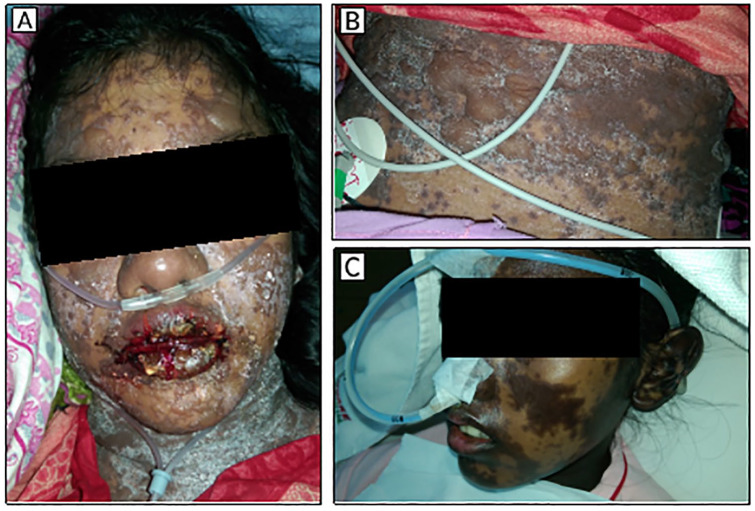
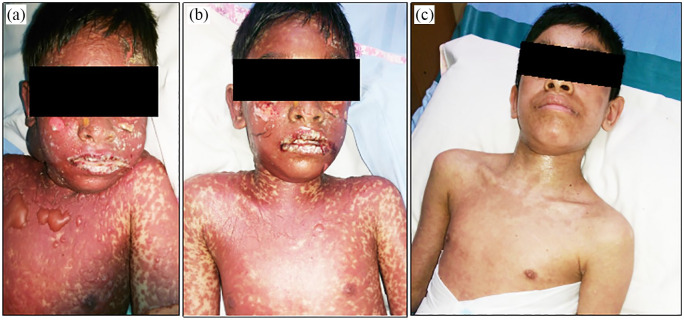
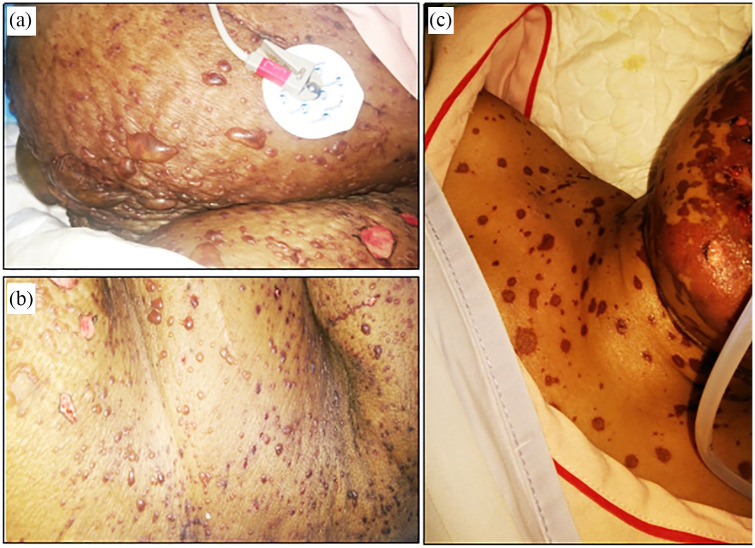
Drug-induced serious adverse reaction is an unpleasant event with high rate of mortality. Stevens-Johnson Syndrome and toxic epidermal necrolysis are most common among the serious adverse drug reactions. There is no selective drug therapy for the management of serious adverse drug reactions-associated mucocutaneous blisters. The use of N-acetylcysteine in the treatment of mucocutaneous blisters has limited evidence worldwide. Three cases of toxic epidermal necrolysis or Stevens-Johnson Syndrome-associated mucocutaneous blisters are presented in this study where intravenous N-acetylcysteine (600 mg, every 8 h) was given in early hospitalization hours for the treatment of mucocutaneous fluid-filled blisters. Here, one patient with toxic epidermal necrolysis received intravenous immunoglobulin along with intravenous N-acetylcysteine and the other two patients (toxic epidermal necrolysis/Stevens-Johnson Syndrome) received only N-acetylcysteine intravenously. In response, mucocutaneous fluid-filled blisters stopped progressing within 48 h and were healed within 2 weeks of admission in the intensive care unit. Thus, intravenous N-acetylcysteine with or without having intravenous immunoglobulin in the treatment of serious adverse drug reactions-associated mucocutaneous blisters may be an effective therapeutic option for better clinical outcome.
Keywords: N-acetylcysteine; Serious adverse drug reactions; Stevens–Johnson syndrome; mucocutaneous blister; toxic epidermal necrolysis.
© The Author(s) 2020.
Conflict of interest statement
Declaration of conflicting interests: The author(s) declared no potential conflicts of interest with respect to the research, authorship, and/or publication of this article.
Figures
References
-
- Nguyen KD, Tran TN, Nguyen MT, et al. Drug-induced Stevens-Johnson syndrome and toxic epidermal necrolysis in vietnamese spontaneous adverse drug reaction database: a subgroup approach to disproportionality analysis. J Clin Pharm Ther 2019; 44(1): 69–77. - PubMed
Publication types
LinkOut - more resources
Full Text Sources
