


Mechanisms of Cardiovascular Benefits of Sodium Glucose Co-Transporter 2 (SGLT2) Inhibitors: A State-of-the-Art Review
- PMID: 32613148
- PMCID: PMC7315190
- DOI: 10.1016/j.jacbts.2020.02.004
Mechanisms of Cardiovascular Benefits of Sodium Glucose Co-Transporter 2 (SGLT2) Inhibitors: A State-of-the-Art Review
Abstract
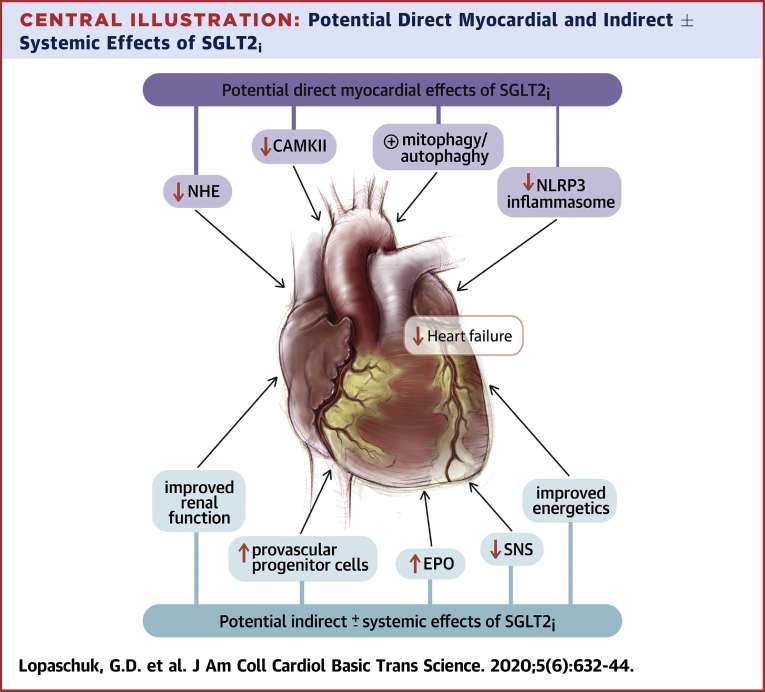
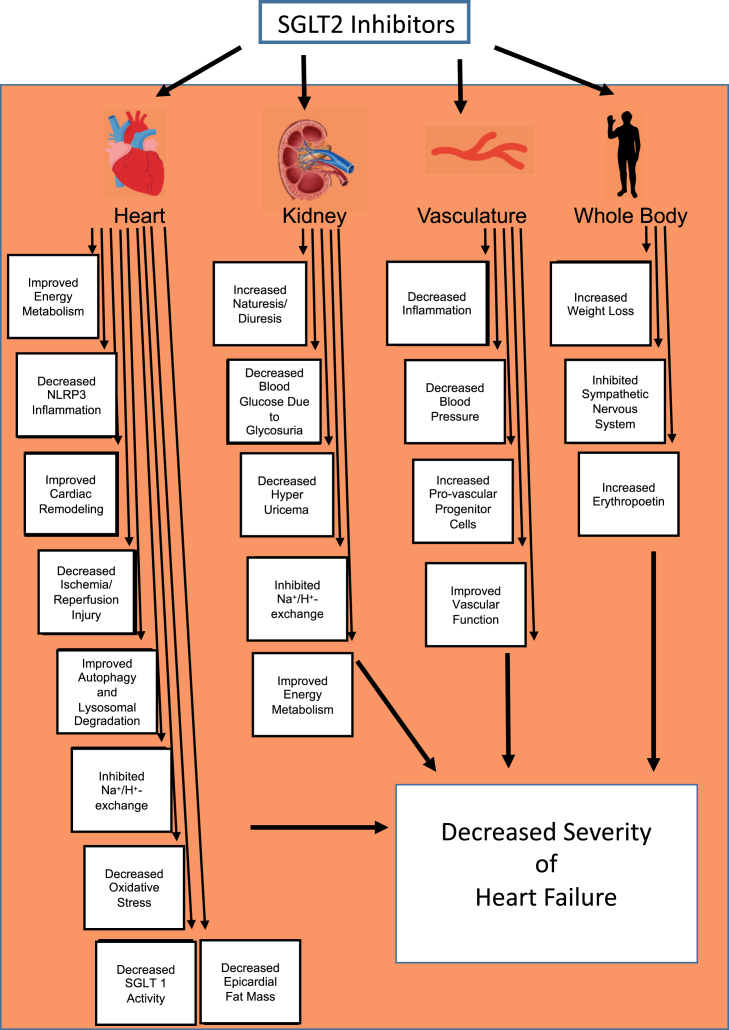
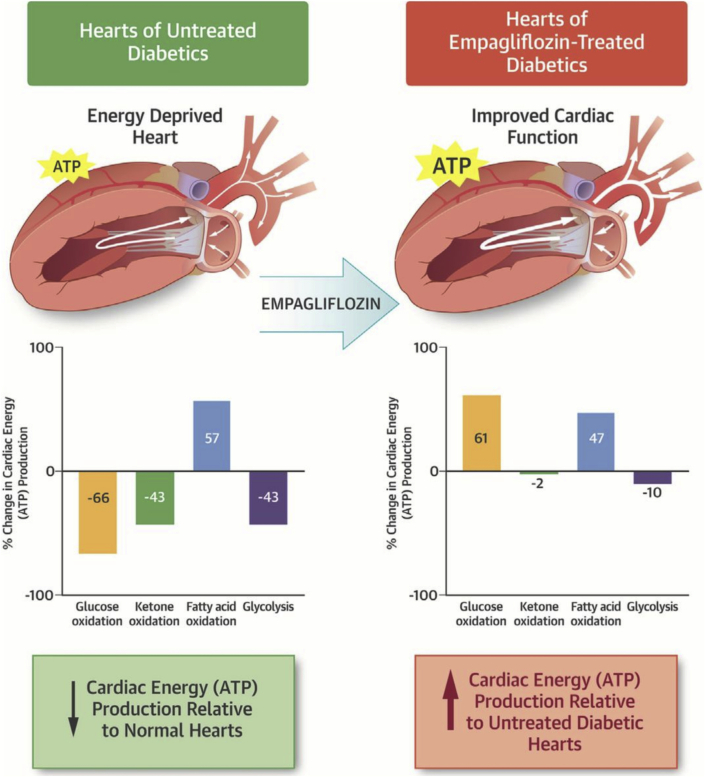
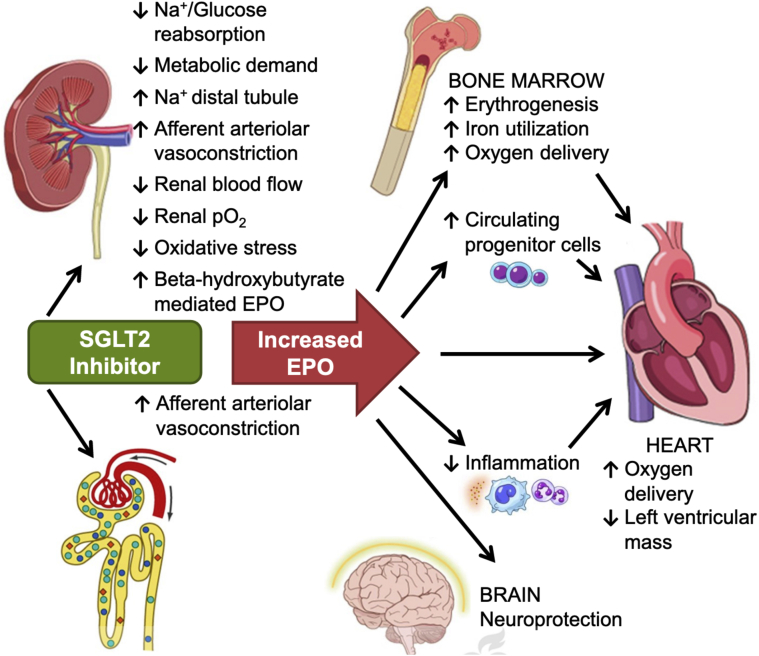
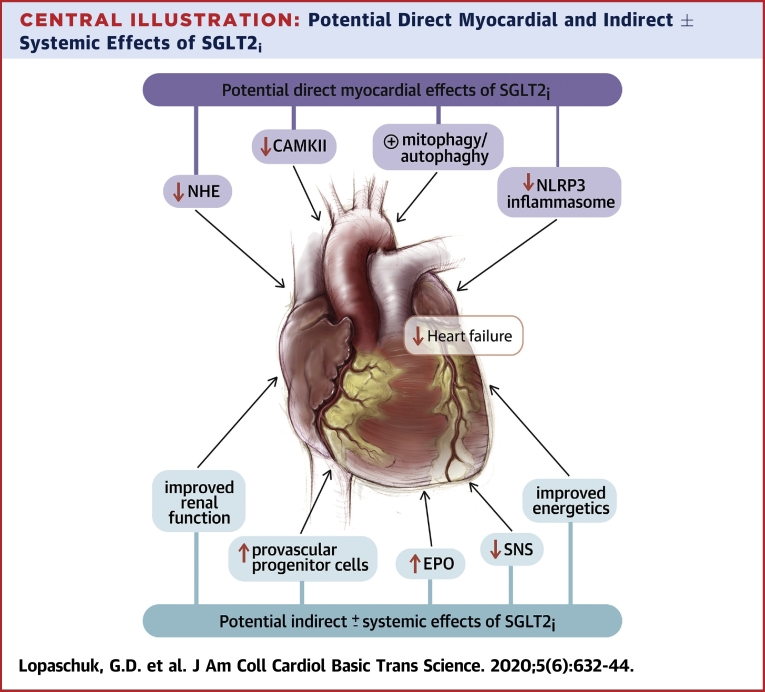
Recent clinical trials have shown that sodium glucose co-transport 2 (SGLT2) inhibitors have dramatic beneficial cardiovascular outcomes. These include a reduced incidence of cardiovascular death and heart failure hospitalization in people with and without diabetes, and those with and without prevalent heart failure. The actual mechanism(s) responsible for these beneficial effects are not completely clear. Several potential theses have been proposed to explain the cardioprotective effects of SGLT2 inhibition, which include diuresis/natriuresis, blood pressure reduction, erythropoiesis, improved cardiac energy metabolism, inflammation reduction, inhibition of the sympathetic nervous system, prevention of adverse cardiac remodeling, prevention of ischemia/reperfusion injury, inhibition of the Na+/H+-exchanger, inhibition of SGLT1, reduction in hyperuricemia, increasing autophagy and lysosomal degradation, decreasing epicardial fat mass, increasing erythropoietin levels, increasing circulating pro-vascular progenitor cells, decreasing oxidative stress, and improving vascular function. The strengths and weaknesses of these proposed mechanisms are reviewed in an effort to try to synthesize and prioritize the mechanisms as they relate to clinical event reduction.
Keywords: EPO, erythropoietin; LV, left ventricular; NLRP3, nucleotide-binding oligomerization domain, leucine-rich repeat, and pyrin domain-containing 3; ROS, reactive oxygen species; SGLT, sodium glucose co-transporter; SNS, sympathetic nervous system; T2DM, type 2 diabetes mellitus; erythropoetin; inflammation; ketones; renal function; sympathetic nervous system.
© 2020 The Authors.
Figures
References
-
- Braunwald E. The war against heart failure: the Lancet lecture. Lancet. 2015;385:812–824. - PubMed
-
- Khan S.S., Butler J., Gheorghiade M. Management of comorbid diabetes mellitus and worsening heart failure. JAMA. 2014;311:2379–2380. - PubMed
-
- American Diabetes Association Cardiovascular disease and risk management: standards of medical care in diabetes—2019. Diabetes Care. 2019;42:S103–S123. - PubMed
Publication types
LinkOut - more resources
Full Text Sources
Medical
Research Materials
