


Molecular mechanisms and epidemiology of COVID-19 from an allergist's perspective
- PMID: 32624257
- PMCID: PMC7331543
- DOI: 10.1016/j.jaci.2020.05.033
Molecular mechanisms and epidemiology of COVID-19 from an allergist's perspective
Abstract
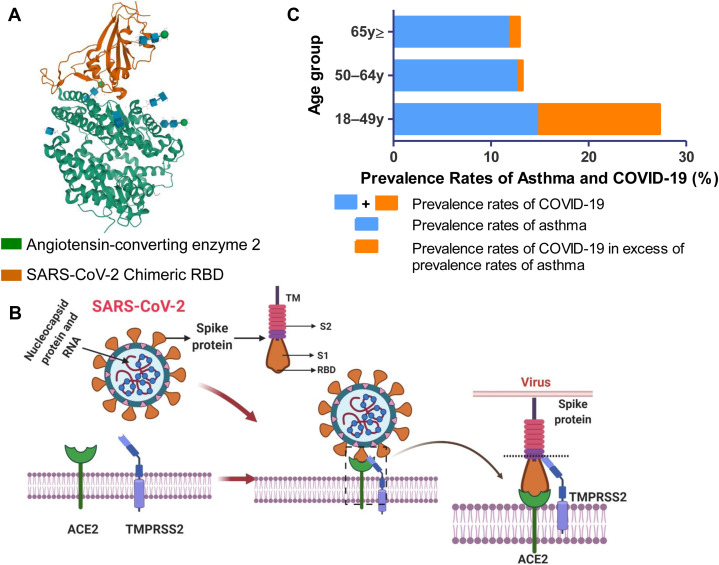
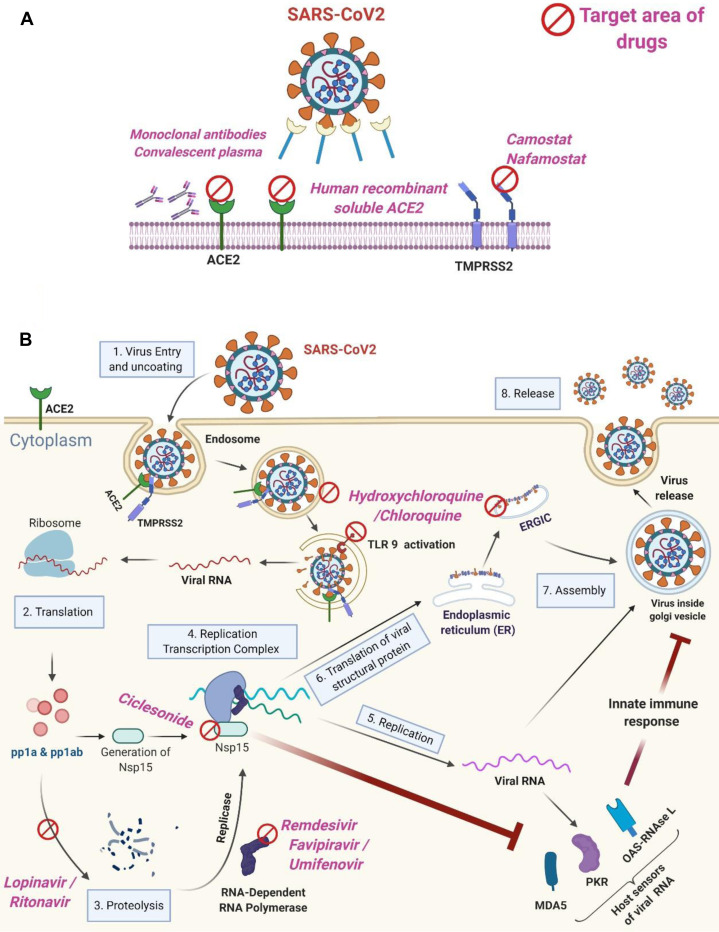
The global pandemic caused by the newly described severe acute respiratory syndrome coronavirus 2 (SARS-CoV-2) has caused worldwide suffering and death of unimaginable magnitude from coronavirus disease 2019 (COVID-19). The virus is transmitted through aerosol droplets, and causes severe acute respiratory syndrome. SARS-CoV-2 uses the receptor-binding domain of its spike protein S1 to attach to the host angiotensin-converting enzyme 2 receptor in lung and airway cells. Binding requires the help of another host protein, transmembrane protease serine S1 member 2. Several factors likely contribute to the efficient transmission of SARS-CoV-2. The receptor-binding domain of SARS-CoV-2 has a 10- to 20-fold higher receptor-binding capacity compared with previous pandemic coronaviruses. In addition, because asymptomatic persons infected with SARS-CoV-2 have high viral loads in their nasal secretions, they can silently and efficiently spread the disease. PCR-based tests have emerged as the criterion standard for the diagnosis of infection. Caution must be exercised in interpreting antibody-based tests because they have not yet been validated, and may give a false sense of security of being "immune" to SARS-CoV-2. We discuss how the development of some symptoms in allergic rhinitis can serve as clues for new-onset COVID-19. There are mixed reports that asthma is a risk factor for severe COVID-19, possibly due to differences in asthma endotypes. The rapid spread of COVID-19 has focused the efforts of scientists on repurposing existing Food and Drug Administration-approved drugs that inhibit viral entry, endocytosis, genome assembly, translation, and replication. Numerous clinical trials have been launched to identify effective treatments for COVID-19. Initial data from a placebo-controlled study suggest faster time to recovery in patients on remdesivir; it is now being evaluated in additional controlled studies. As discussed in this review, till effective vaccines and treatments emerge, it is important to understand the scientific rationale of pandemic-mitigation strategies such as wearing facemasks and social distancing, and implement them.
Keywords: ACE2; COVID-19; TMPRSS2; allergic rhinitis; asthma; receptor-binding domain; severe acute respiratory syndrome coronavirus 2.
Copyright © 2020 American Academy of Allergy, Asthma & Immunology. Published by Elsevier Inc. All rights reserved.
Figures
Comment in
-
Reply.J Allergy Clin Immunol. 2020 Dec;146(6):1455-1456. doi: 10.1016/j.jaci.2020.09.008. Epub 2020 Sep 29. J Allergy Clin Immunol. 2020. PMID: 33077246 Free PMC article. No abstract available.
-
Pulmonary edema in COVID-19: Explained by bradykinin?J Allergy Clin Immunol. 2020 Dec;146(6):1454-1455. doi: 10.1016/j.jaci.2020.08.038. Epub 2020 Sep 29. J Allergy Clin Immunol. 2020. PMID: 33077247 Free PMC article. No abstract available.
References
-
- Johns Hopkins University Coronavirus COVID-19 global cases by the Center for Systems Science and Engineering (CSSE) at Johns Hopkins University (JHU) https://coronavirus.jhu.edu/map.html Available at:
Publication types
MeSH terms
Substances
Grants and funding
LinkOut - more resources
Full Text Sources
Medical
Research Materials
Miscellaneous
