


Assessment of Echinococcus multilocularis surveillance reports submitted in 2017 in the context of Commission Regulation (EU) No 1152/2011
- PMID: 32625344
- PMCID: PMC7010048
- DOI: 10.2903/j.efsa.2017.5051
Assessment of Echinococcus multilocularis surveillance reports submitted in 2017 in the context of Commission Regulation (EU) No 1152/2011
Abstract
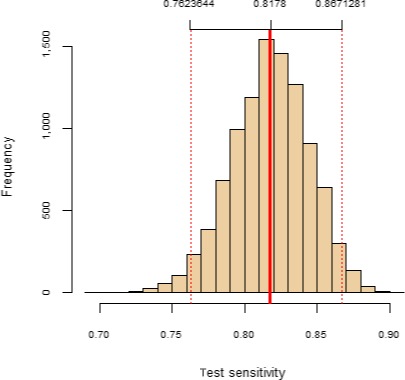
This report is part of the 'Echinococcus multilocularis surveillance' scientific reports which are presented annually by EFSA to the European Commission and are intended to assess the sampling strategy, data collection and detection methods used by Finland, Ireland, Malta, the UK and Norway in their respective surveillance programmes. The surveillance programmes of these five countries were evaluated by checking the information submitted by each of them and verifying that the technical requirements laid down in Regulation (EU) No 1152/2011 were complied. The information was divided into four different categories for assessment: the type and sensitivity of the detection method, the selection of the target population, the sampling strategy and the methodology. For each category, the main aspects that need to be taken into account in order to accomplish the technical requirements of the legislation were checked against compliance of several criteria. All of the territories participating in this surveillance (Finland, the UK, Norway, Malta and Ireland) succeeded in the fulfilment of the technical legal requirements foreseen in Regulation (EU) No 1152/2011 concerning these four different categories. However, both Malta and Northern Ireland (UK) fulfil those requirements only assuming a diagnostic test sensitivity value higher than the one suggested by EFSA (conservative value of 0.78). None of the five countries recorded positive samples in 2016.
Keywords: Echinococcus multilocularis; absence of infection; freedom from disease; surveillance.
© 2017 European Food Safety Authority. EFSA Journal published by John Wiley and Sons Ltd on behalf of European Food Safety Authority.
Figures
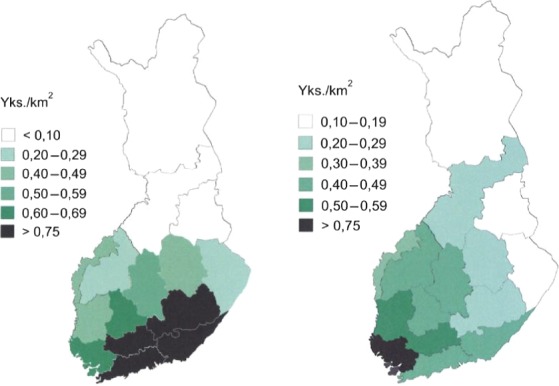
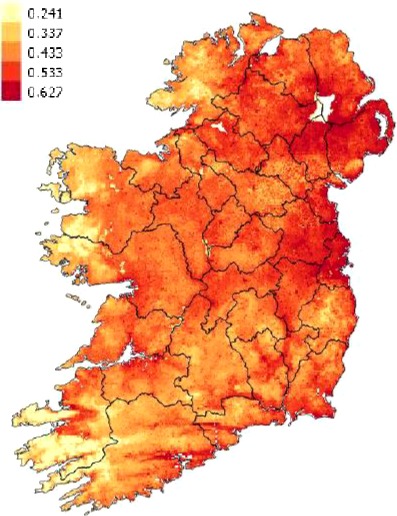
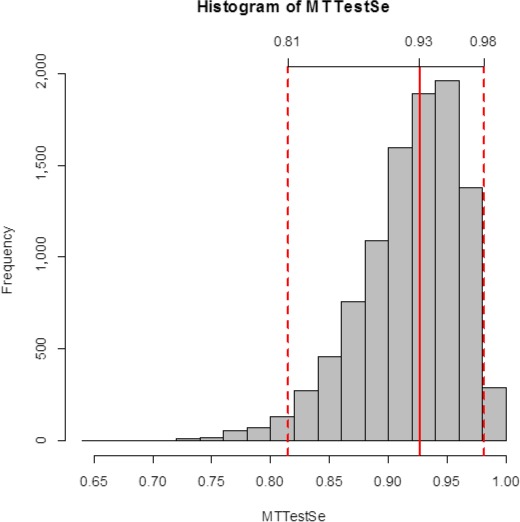
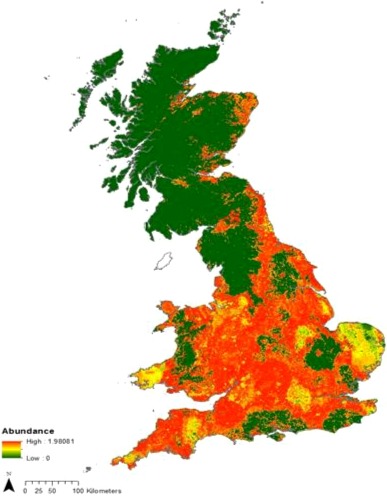
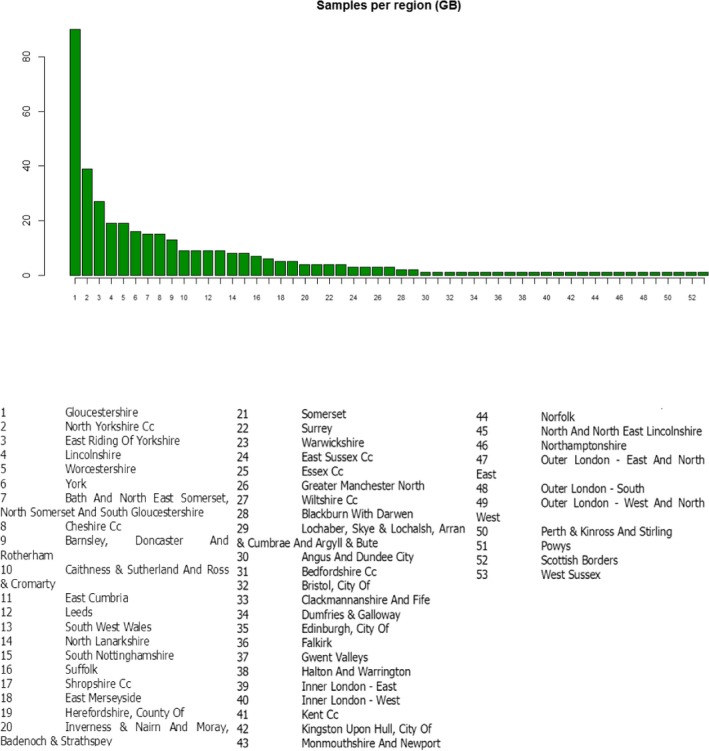
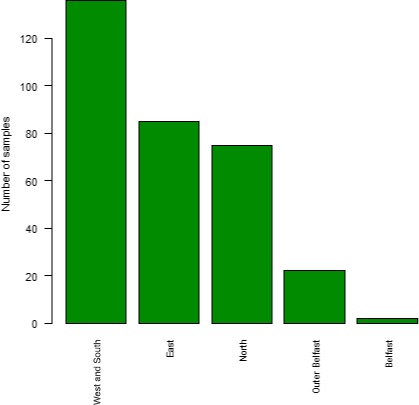
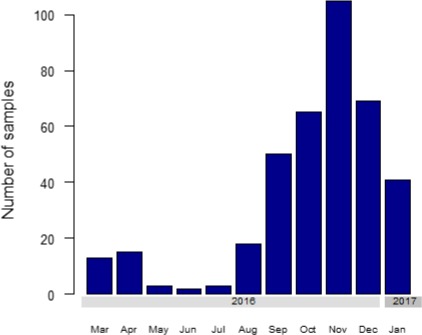
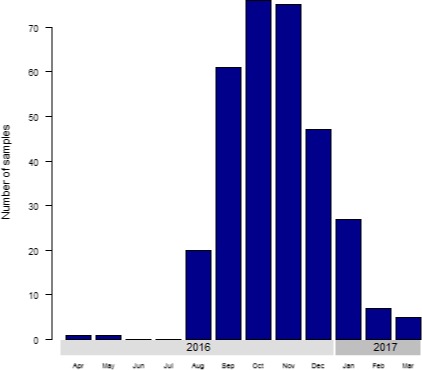
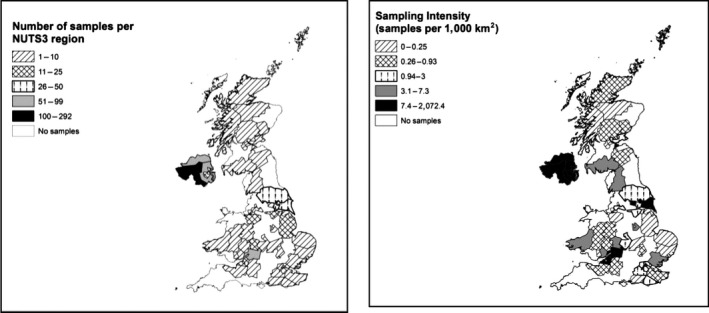
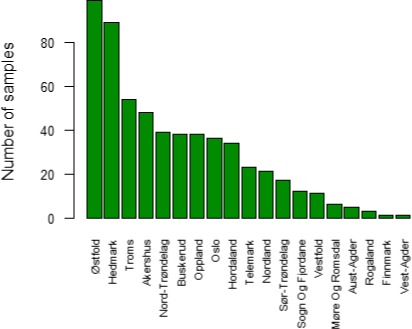
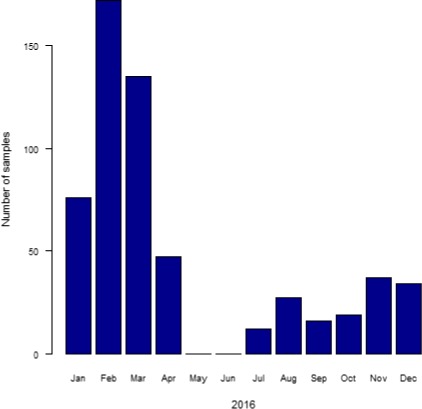
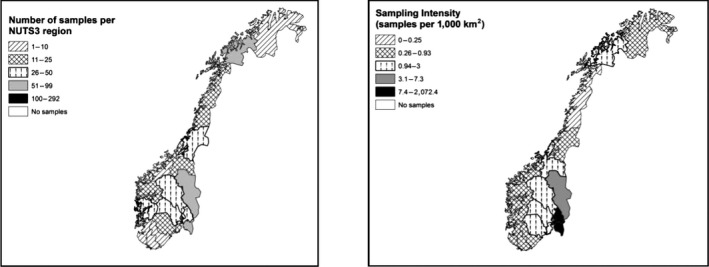
Legend: the density values range from 0 to 1. Decimal values are indicated after the comma.
References
-
- Casulli A, Possenti A, La Torre G, Boue F, Busani L, Colamesta V, Conraths FJ, D'Aguanno S, De Giusti M, De Vito C, Karamon J, Maas M, Mannocci A, Maffongelli E, Mipatrini D, Oksanen A, Probst C, Saulle R, Siles‐Lucas M, Umhang G, van den End S, van der Giessen J and Villari P, 2015. E. multilocularis infection in animals (GP/EFSA/AHAW/2012/01). EFSA Supporting Publication 2015;12(12):EN‐882, 168 pp. 10.2903/sp.efsa.2015.en-882 - DOI
-
- CDC (Centers for disease control and prevention), online. Parasites‐Echinococcosis. Available online: https://www.cdc.gov/parasites/echinococcosis/biology.html [Accessed: 5 July 2017].
-
- Conraths FJ and Deplazes P, 2015. Echinococcus multilocularis: epidemiology, surveillance and state‐of‐the‐art diagnostics from a veterinary public health perspective. Veterinary Parasitology, 213, 149–161. - PubMed
-
- Conserve Ireland , 2009. Red Fox. Available online: http://www.lhnet.org/red-fox/
LinkOut - more resources
Full Text Sources