


Clinical guidance for navigating the QTc-prolonging and arrhythmogenic potential of pharmacotherapy during the COVID-19 pandemic
- PMID: 32627127
- PMCID: PMC7335663
- DOI: 10.1007/s11845-020-02291-7
Clinical guidance for navigating the QTc-prolonging and arrhythmogenic potential of pharmacotherapy during the COVID-19 pandemic
Abstract
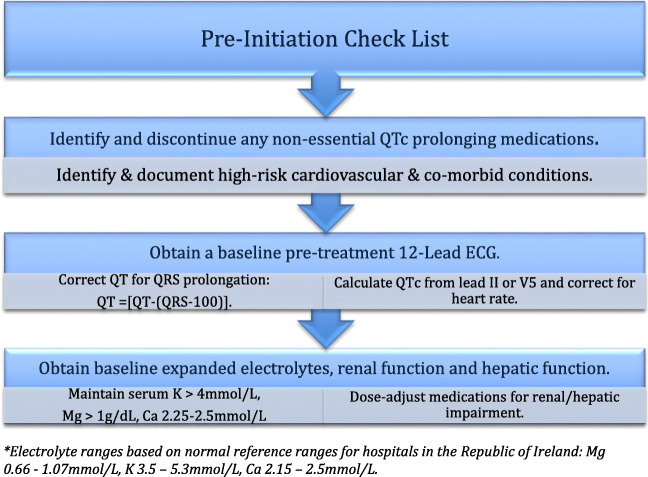
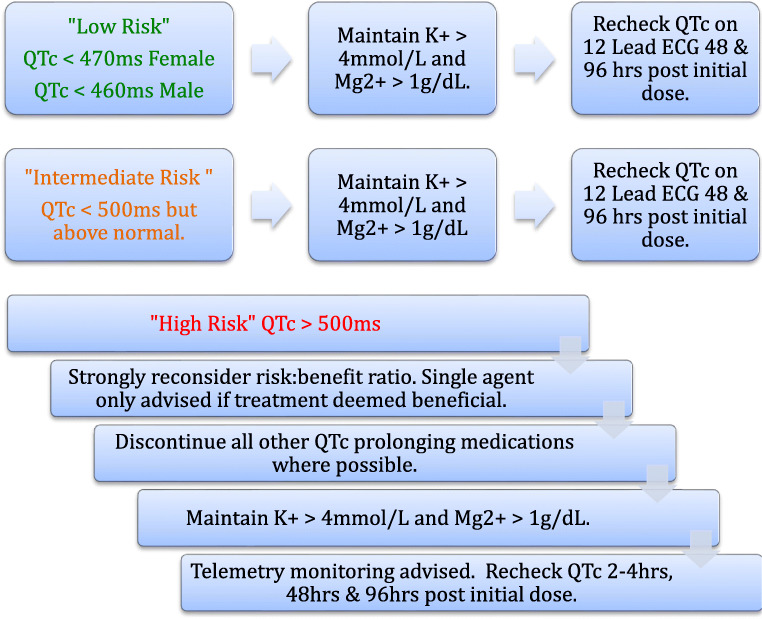
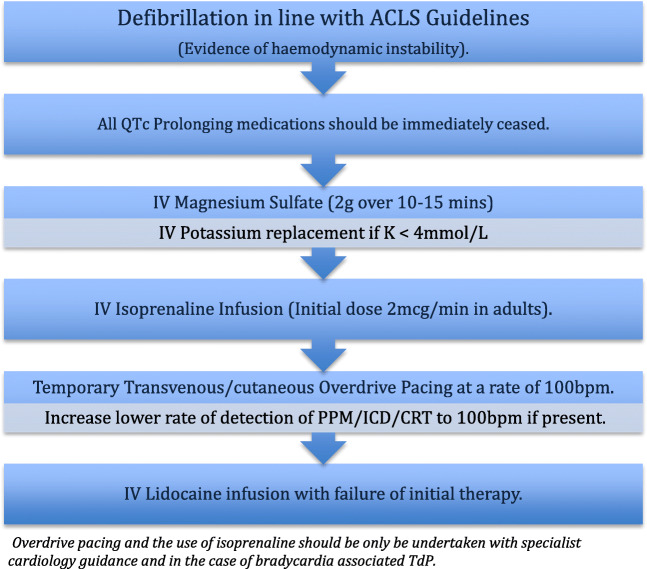
The severe acute respiratory syndrome coronavirus 2 (SARS-CoV-2), responsible for coronavirus disease 19 (COVID-19), has rapidly spread since December 2019 to become the focus of healthcare systems worldwide. Its highly contagious nature and significant mortality has led to its prioritization as a public health issue. The race to prevent and treat this disease has led to "off-label" prescribing of medications such as hydroxychloroquine, azithromycin, and Kaletra (lopinavir/ritonavir). Currently, there is no robust clinical evidence for the use of these drugs in the treatment of COVID-19, with most, if not all of these medications associated with the potential for QT interval prolongation, torsades de pointes, and resultant drug-induced sudden cardiac death. The aim of this document is to help healthcare providers mitigate the potential deleterious effects of drug-induced QTc prolongation.
Keywords: COVID-19; Drug-induced QTc prolongation; Guidelines; Torsades de pointes.
Conflict of interest statement
The authors declare that they have no conflict of interest.
Figures
References
Publication types
MeSH terms
Substances
LinkOut - more resources
Full Text Sources
Medical
Miscellaneous
