


COVID stress syndrome: Concept, structure, and correlates
- PMID: 32627255
- PMCID: PMC7362150
- DOI: 10.1002/da.23071
COVID stress syndrome: Concept, structure, and correlates
Abstract
Background: Research shows that the COVID Stress Scales have a robust multifactorial structure, representing five correlated facets of COVID-19-related distress: (a) Fear of the dangerousness of COVID-19, which includes fear of coming into contact with fomites potentially contaminated with SARSCoV2, (b) worry about socioeconomic costs of COVID-19 (e.g., worry about personal finances and disruption in the supply chain), (c) xenophobic fears that foreigners are spreading SARSCoV2, (d) traumatic stress symptoms associated with direct or vicarious traumatic exposure to COVID-19 (nightmares, intrusive thoughts, or images related to COVID-19), and (e) COVID-19-related compulsive checking and reassurance seeking. These factors cohere to form a COVID stress syndrome, which we sought to further delineate in the present study.
Methods: A population-representative sample of 6,854 American and Canadian adults completed a self-report survey comprising questions about current mental health and COVID-19-related experiences, distress, and coping.
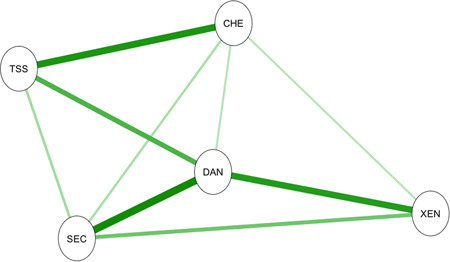
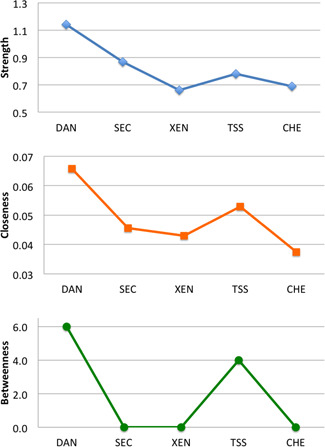
Results: Network analysis revealed that worry about the dangerousness of COVID-19 is the central feature of the syndrome. Latent class analysis indicated that the syndrome is quasi-dimensional, comprising five classes differing in syndrome severity. Sixteen percent of participants were in the most severe class and possibly needing mental health services. Syndrome severity was correlated with preexisting psychopathology and with excessive COVID-19-related avoidance, panic buying, and coping difficulties during self-isolation.
Conclusion: The findings provide new information about the structure and correlates of COVID stress syndrome. Further research is needed to determine whether the syndrome will abate once the pandemic has passed or whether, for some individuals, it becomes a chronic condition.
Keywords: COVID-19; anxiety; coronavirus; fear; pandemic; stress; xenophobia.
© 2020 The Authors. Depression and Anxiety published by Wiley Periodicals LLC.
Conflict of interest statement
Dr. Taylor receives financial support through royalties from various book publishers and from editorial duties as Associate Editor of the Journal of Obsessive Compulsive and Related Disorders. Dr. Asmundson is the Editor‐in‐Chief of the Journal of Anxiety Disorders and Development Editor of Clinical Psychology Review. He receives financial support through payments for his editorial work on the aforementioned journals and royalties from various book publishers. Dr. McKay is Associate Editor of Behavior Therapy, Journal of Obsessive Compulsive and Related Disorders, and the Bulletin of the Menninger Clinic. He receives royalties through his editorial work on the aforementioned journals, as well as from various book publishers. Dr. McKay also receives funding from a private investment company for the development of technology assisted methods for the treatment of fear of public speaking.
Figures
References
-
- Cohen, J. (1988). Statistical power analyses for the behavioral sciences (2nd ed.). Hillsdale, NJ: Erlbaum.
-
- Duncan, L. A. , Schaller, M. , & Park, J. H. (2009). Perceived vulnerability to disease: Development and validation of a 15‐item self‐report instrument. Personality and Individual Differences, 47, 541–546. 10.1016/j.paid.2009.05.001 - DOI
MeSH terms
Grants and funding
LinkOut - more resources
Full Text Sources
Medical
