


Behavioural activation therapy for depression in adults
- PMID: 32628293
- PMCID: PMC7390059
- DOI: 10.1002/14651858.CD013305.pub2
Behavioural activation therapy for depression in adults
Abstract
Background: Behavioural activation is a brief psychotherapeutic approach that seeks to change the way a person interacts with their environment. Behavioural activation is increasingly receiving attention as a potentially cost-effective intervention for depression, which may require less resources and may be easier to deliver and implement than other types of psychotherapy.
Objectives: To examine the effects of behavioural activation compared with other psychological therapies for depression in adults. To examine the effects of behavioural activation compared with medication for depression in adults. To examine the effects of behavioural activation compared with treatment as usual/waiting list/placebo no treatment for depression in adults.
Search methods: We searched CCMD-CTR (all available years), CENTRAL (current issue), Ovid MEDLINE (1946 onwards), Ovid EMBASE (1980 onwards), and Ovid PsycINFO (1806 onwards) on the 17 January 2020 to identify randomised controlled trials (RCTs) of 'behavioural activation', or the main elements of behavioural activation for depression in participants with clinically diagnosed depression or subthreshold depression. We did not apply any restrictions on date, language or publication status to the searches. We searched international trials registries via the World Health Organization's trials portal (ICTRP) and ClinicalTrials.gov to identify unpublished or ongoing trials.
Selection criteria: We included randomised controlled trials (RCTs) of behavioural activation for the treatment of depression or symptoms of depression in adults aged 18 or over. We excluded RCTs conducted in inpatient settings and with trial participants selected because of a physical comorbidity. Studies were included regardless of reported outcomes.
Data collection and analysis: Two review authors independently screened all titles/abstracts and full-text manuscripts for inclusion. Data extraction and 'Risk of bias' assessments were also performed by two review authors in duplicate. Where necessary, we contacted study authors for more information.
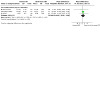
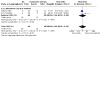
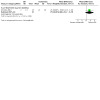
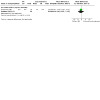
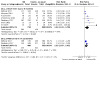
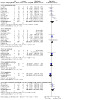
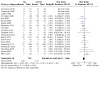
Main results: Fifty-three studies with 5495 participants were included; 51 parallel group RCTs and two cluster-RCTs. We found moderate-certainty evidence that behavioural activation had greater short-term efficacy than treatment as usual (risk ratio (RR) 1.40, 95% confidence interval (CI) 1.10 to 1.78; 7 RCTs, 1533 participants), although this difference was no longer evident in sensitivity analyses using a worst-case or intention-to-treat scenario. Compared with waiting list, behavioural activation may be more effective, but there were fewer data in this comparison and evidence was of low certainty (RR 2.14, 95% CI 0.90 to 5.09; 1 RCT, 26 participants). No evidence on treatment efficacy was available for behavioural activation versus placebo and behavioural activation versus no treatment. We found moderate-certainty evidence suggesting no evidence of a difference in short-term treatment efficacy between behavioural activation and CBT (RR 0.99, 95% CI 0.92 to 1.07; 5 RCTs, 601 participants). Fewer data were available for other comparators. No evidence of a difference in short term-efficacy was found between behavioural activation and third-wave CBT (RR 1.10, 95% CI 0.91 to 1.33; 2 RCTs, 98 participants; low certainty), and psychodynamic therapy (RR 1.21, 95% CI 0.74 to 1.99; 1 RCT,60 participants; very low certainty). Behavioural activation was more effective than humanistic therapy (RR 1.84, 95% CI 1.15 to 2.95; 2 RCTs, 46 participants; low certainty) and medication (RR 1.77, 95% CI 1.14 to 2.76; 1 RCT; 141 participants; moderate certainty), but both of these results were based on a small number of trials and participants. No evidence on treatment efficacy was available for comparisons between behavioural activation versus interpersonal, cognitive analytic, and integrative therapies. There was moderate-certainty evidence that behavioural activation might have lower treatment acceptability (based on dropout rate) than treatment as usual in the short term, although the data did not confirm a difference and results lacked precision (RR 1.64, 95% CI 0.81 to 3.31; 14 RCTs, 2518 participants). Moderate-certainty evidence did not suggest any difference in short-term acceptability between behavioural activation and waiting list (RR 1.17, 95% CI 0.70 to 1.93; 8 RCTs. 359 participants), no treatment (RR 0.97, 95% CI 0.45 to 2.09; 3 RCTs, 187 participants), medication (RR 0.52, 95% CI 0.23 to 1.16; 2 RCTs, 243 participants), or placebo (RR 0.72, 95% CI 0.31 to 1.67; 1 RCT; 96 participants; low-certainty evidence). No evidence on treatment acceptability was available comparing behavioural activation versus psychodynamic therapy. Low-certainty evidence did not show a difference in short-term treatment acceptability (dropout rate) between behavioural activation and CBT (RR 1.03, 95% CI 0.85 to 1.25; 12 RCTs, 1195 participants), third-wave CBT (RR 0.84, 95% CI 0.33 to 2.10; 3 RCTs, 147 participants); humanistic therapy (RR 1.06, 95% CI 0.20 to 5.55; 2 RCTs, 96 participants) (very low certainty), and interpersonal, cognitive analytic, and integrative therapy (RR 0.84, 95% CI 0.32 to 2.20; 4 RCTs, 123 participants). Results from medium- and long-term primary outcomes, secondary outcomes, subgroup analyses, and sensitivity analyses are summarised in the text.
Authors' conclusions: This systematic review suggests that behavioural activation may be more effective than humanistic therapy, medication, and treatment as usual, and that it may be no less effective than CBT, psychodynamic therapy, or being placed on a waiting list. However, our confidence in these findings is limited due to concerns about the certainty of the evidence. We found no evidence of a difference in short-term treatment acceptability (based on dropouts) between behavioural activation and most comparison groups (CBT, humanistic therapy, waiting list, placebo, medication, no treatment or treatment as usual). Again, our confidence in all these findings is limited due to concerns about the certainty of the evidence. No data were available about the efficacy of behaioural activation compared with placebo, or about treatment acceptability comparing behavioural activation and psychodynamic therapy, interpersonal, cognitive analytic and integrative therapies. The evidence could be strengthened by better reporting and better quality RCTs of behavioural activation and by assessing working mechanisms of behavioural activation.
Copyright © 2020 The Cochrane Collaboration. Published by John Wiley & Sons, Ltd.
Conflict of interest statement
Eleonora Uphoff: no conflicts of interest
David Ekers, in his role of Chief Investigator, is responsible for the conduct of the ongoing CHEMIST and MODS trials in which behavioural activation therapies are evaluated. He is a Co‐Investigator of the included CASPER trial and the author of several publications reporting on trials of behavioural activation.
Lindsay Robertson: no conflicts of interest
Sarah Dawson: no conflicts of interest
Emily Sanger: no conflicts of interest
Emily South: no conflicts of interest
Zainab Samaan: no conflicts of interest
David Richards has been involved in several trials of behavioural activation, including in his role as Chief Investigator of the UK National Institute for Health Research funded COBRA and CADET trials. He has published extensively on the subject of behavioural activation in peer reviewed journals and clinical text books.
Nicholas Meader: no conflicts of interest
Rachel Churchill leads and has responsibility for Cochrane Common Mental Disorders, which has supported parts of the review process and is largely funded by a grant from the National Institute of Health and Research (NIHR) in the UK.
Figures














Update of
References
References to studies included in this review
Arjadi 2018 {published data only}
-
- Arjadi R, Nauta MH, Scholte WF, Hollon SD, Chowdhary N, Suryani AO, et al. Guided Act and Feel Indonesia (GAF-ID) - Internet-based behavioral activation intervention for depression in Indonesia: study protocol for a randomized controlled trial. Trials 2016;17(1):455. [DOI: 10.1186/s13063-016-1577-9] - DOI - PMC - PubMed
-
- Arjadi R, Nauta MH, Scholte WF, Hollon SD, Chowdhary N, Suryani AO, et al. Internet-based behavioural activation with lay counsellor support versus online minimal psychoeducation without support for treatment of depression: a randomised controlled trial in Indonesia. Lancet Psychiatry 2018;5(9):707-16. [DOI: 10.1016/S2215-0366(18)30223-2] - DOI - PubMed
-
- NTR5920. Guided Act and Feel Indonesia (GAF-ID): online behavioral activation intervention for depression in Indonesia [Guided Act and Feel Indonesia (GAF-ID): a randomized controlled trial of an internet-based behavioral activation intervention for depression guided by lay counselors in Indonesia]. trialregister.nl/trial/5733 (first received 1 July 2016). - PMC - PubMed
Armento 2012 {published data only}
-
- Armento ME, McNulty JK, Hopko DR. Behavioral Activation of Religious Behaviors (BARB): randomized trial with depressed college students. Psychology of Religion and Spirituality 2012;4(3):206-22. [DOI: 10.1037/a0026405] - DOI
-
- Armento ME. Behavioral activation of religious behaviors: treating depressed college students with a randomized controlled trial [thesis]. Knoxville (US): University of Tennessee, 2011.
Bolton 2014 {published data only}
-
- NCT00925262. Controlled trial of mental health interventions for torture survivors in Kurdistan [A controlled trial of mental health interventions for common mental health problems experienced by torture survivors Living in Kurdistan, Iraq]. ClinicalTrials.gov/show/NCT00925262 (first received 22 June 2009).
Bosanquet 2017 {published data only}
-
- Bosanquet K, Adamson J, Atherton K, Bailey D, Baxter C, Beresford-Dent J, et al. CollAborative care for Screen-Positive EldeRs with major depression (CASPER plus): a multicentred randomised controlled trial of clinical effectiveness and cost-effectiveness. Health Technology Assessment 2017;21(67):1-252. [DOI: 10.3310/hta21670] - DOI - PMC - PubMed
-
- Overend K, Lewis H, Bailey D, Bosanquet K, Chew-Graham C, Ekers D, et al. CASPER plus (CollAborative care in Screen-Positive EldeRs with major depressive disorder): study protocol for a randomised controlled trial.[Erratum appears in Trials. 2016;17(1):217]. Trials 2014;15:451. [DOI: 10.1186/1745-6215-15-451] - DOI - PMC - PubMed
Bowe 2014 {published data only}
-
- Bowe WM. Refinement and pilot testing of a culturally enhanced treatment for depressed African-Americans [thesis]. Vol. 75. Milwaukee (US): University of Wisconsin-Milwaukee, 2014.
Carlbring 2013 {published data only}
Carlbring 2013a {published data only}
-
- Carlbring P, Lindner P, Martell C, Hassmen P, Forsberg L, Strom L, et al. The effects on depression of Internet-administered behavioural activation and physical exercise with treatment rationale and relapse prevention: study protocol for a randomised controlled trial. Trials 2013;14:35. [DOI: 10.1186/1745-6215-14-35] - DOI - PMC - PubMed
-
- NCT01619930. The effects of behavioural activation and physical exercise on depression [The effects on depression of internet-administered behavioural activation and physical exercise with treatment rationale and relapse prevention: study protocol for a randomised controlled trial]. clinicaltrials.gov/ct2/show/NCT01619930 (first received 14 June 2012). - PMC - PubMed
Chang 2018 {published data only}
Chowdhary 2016 {published data only}
-
- Chowdhary N, Anand A, Dimidjian S, Shinde S, Weobong B, Balaji M, et al. The Healthy Activity Program lay counsellor delivered treatment for severe depression in India: systematic development and randomised evaluation. British Journal of Psychiatry 2016;208(4):381-88. [DOI: 10.1192/bjp.bp.114.161075] - DOI - PMC - PubMed
Collado 2016 {published data only}
-
- Collado A. Evaluating the efficacy of behavioral activation among Spanish-speaking Latinos [thesis]. Vol. 77. College Park (US): University of Maryland, 2016.
-
- NCT01958840. Evaluating behavioral activation efficacy in depressed Spanish-speaking Latinos. ClinicalTrials.gov/show/NCT01958840 (first received 9 October 2013).
Comas Díaz 1981 {published data only}
-
- Comas-Díaz L. Effects of cognitive and behavioral group treatment on the symptomatology of depression in Puerto Rican women [thesis]. Dissertation abstracts international 1979;40(3-B):1356 1979;40(3-B):1356.
Cullen 2003 {published data only}
-
- Cullen JM. Testing the effectiveness of behavioral activation therapy in the treatment of acute unipolar depression [thesis]. Vol. 64. Kalamazoo (US): Western Michigan University, 2003.
Dimidjian 2006 {published data only}
-
- Dimidjian S, Hollon SD, Dobson KS, Schmaling K, Kohlenberg RJ, Addis ME, et al. Randomized trial of behavioral activation, cognitive therapy, and antidepressant medication in the acute treatment of adults with major depression. Journal of Consulting and Clinical Psychology 2006;74(4):658-70. - PubMed
-
- Dimidjian SA, Hollon SD, Dobson KS, Schmaling KB, Kohlenberg RJ, Addis M, et al. Methods and acute-phase outcomes. In: 157th Annual Meeting of the American Psychiatric Association; 2004 May 1-6; New York. 2004:27A.
-
- Dobson KS, Hollon SD, Dimidjian S, Schmaling KB, Kohlenberg RJ, Gallop RJ, et al. Randomized trial of behavioral activation, cognitive therapy, and antidepressant medication in the prevention of relapse and recurrence in major depression. Journal of Consulting and Clinical Psychology 2008;76(3):468-77. [DOI: ] - PMC - PubMed
-
- Rizvi S, Dimidjian SA, Hollon SD, Dobson KS, Schmaling KB, Kohlenberg RJ, et al. Predictiont of treatment response. In: 157th Annual Meeting of the American Psychiatric Association; 2004 May 1-6; New York. 2004:27C.
Ekers 2011 {published data only}
-
- Ekers D, Godfrey C, Gilbody S, Parrott S, Richards DA, Hammond D, et al. Cost utility of behavioural activation delivered by the non-specialist. British Journal of Psychiatry 2011;199(6):510-1. [DOI: ] - PubMed
Fleming 1980 {published data only}
-
- Fleming BM, Thornton DW. Coping skills training as a component in the short-term treatment of depression. Journal of Consulting and Clinical Psychology 1980;48(5):652-4. - PubMed
Fuchs 1977 {published data only}
Gardner 1981 {published data only}
-
- Gardner P, Oei TP. Depression and self-esteem: an investigation that used behavioral and cognitive approaches to the treatment of clinically depressed clients. Journal of Clinical Psychology 1981;37(1):128-35. - PubMed
Gawrysiak 2009 {published data only}
-
- Gawrysiak M, Nicolas C, Hopko DR. Behavioral activation for moderately depressed university students: randomized controlled trial. Journal of Counseling Psychology 2009;56(3):468-75. [DOI: 10.1037/a0016383] - DOI
-
- Gawrysiak MJ. Behavioral activation for mildly depressed students: randomized controlled trial [thesis]. Knoxville (US): University of Tennessee, 2008.
Gilbody 2017 {published data only}
Hammen 1975 {published data only}
Hemanny 2019 {published data only}
-
- Hemanny C, Carvalho C, Maia N, Reis D, Botelho AC, Bonavides D, et al. Efficacy of trial-based cognitive therapy, behavioral activation and treatment as usual in the treatment of major depressive disorder: preliminary findings from a randomized clinical trial. CNS Spectrums 26 Nov 2019;[Epub ahead of print]:1-10. [DOI: 10.1017/S1092852919001457] - DOI - PubMed
Jacobson 1996 {published data only}
Kanter 2015 {published data only}
-
- Santos MM, Nagy GA, Hurtado GD, West P, Santiago-Rivera AL, Lee HJ, et al. Acculturative stress as a moderator of treatment engagement and retention in behavioral activation and treatment as usual for Latinos with depression. Special Issue: Evidence-Based Treatments With Latinas/os 2017;5(4):275-89. [DOI: 10.1037/lat0000074] - DOI
-
- Santos MM. Is the therapeutic alliance associated with and predictive of treatment retention and outcome among Latinos? A secondary analysis of an RCT of behavioral activation for Latinos with depression versus treatment-as-usual [thesis]. Vol. 78. Milwaukee (US): University of Wisconsin-Milwaukee, 2017.
Kelly 1983 {published data only}
-
- Kelly FD, Dowd ET, Duffey DK. A comparison of cognitive and behavioural intervention strategies in the treatment of depression. British Journal of Cognitive Psychotherapy 1983;1(2):51-8.
Kornblith 1980 {published data only}
-
- Kornblith SJ. Evaluating the contribution of self reinforcement training and behavioral assignments of the efficacy of self control therapy for depression [thesis]. Dissertation abstracts international 1980;41(1-B):0354-0355 .
Luo 2020 {published data only}
Ly 2014 {published data only}
-
- Ly KH, Truschel A, Jarl L, Magnusson S, Windahl T, Johansson R, et al. Behavioural activation versus mindfulness-based guided self-help treatment administered through a smartphone application: a randomised controlled trial. BMJ Open 2014;4(1):e003440. [DOI: 10.1136/bmjopen-2013-003440] - DOI - PMC - PubMed
-
- NCT01463020. Behavioural activation-based treatment administered through smartphone [Behavioural activation-based guided self-help treatment administered through a smartphone application]. clinicaltrials.gov/show/NCT01463020 (first received 19 June 2013).
McCluskey 2018 {published data only}
-
- McCluskey DL. Examining the efficacy of a 1-session brief behavioral activation intervention with university students with mild to moderate depressive symptoms [thesis]. Vol. 79. Morgantown (US): West Virginia University, 2018.
McIndoo 2016 {published data only}
-
- McIndoo CC. Mindfulness-based therapy and behavioral activation: a randomized controlled trial with depressed college students [thesis]. Knoxville (US): University of Tennessee, 2015. - PubMed
McNamara 1986 {published data only}
-
- McNamara K, Horan JJ. Experimental construct validity in the evaluation of cognitive and behavioral treatments for depression. Journal of Counseling Psychology 1986;33(1):23-30. [DOI: 10.1037/0022-0167.33.1.23] - DOI
Meeks 2008 {published data only}
-
- NCT00056485. Treatment of depression in nursing homes [Behavioral intervention for depression in nursing homes]. clinicaltrials.gov/ct2/show/NCT00056485 (first received 13 April 2017).
-
- NCT00536406. Evaluating a behavioral activities treatment program for depressed nursing home residents (BE-ACTIV) [BE-ACTIV: Treating Depression in Nursing Homes]. clinicaltrials.gov/show/NCT00536406 (first received 13 April 2017).
Moradveisi 2015 {published data only}
-
- IRCT138807192573N1. A randomized controlled trial of behavioral activation and treatment as usual in the acute treatments of adults with major depressive disorder. en.irct.ir/trial/2321 (first received 16 January 2010).
-
- Moradveisi L, Huibers MJ, Arntz A. The influence of patients' attributions of the immediate effects of treatment of depression on long-term effectiveness of behavioural activation and antidepressant medication. Behaviour Research and Therapy 2015;69:83-92. [DOI: 10.1016/j.brat.2015.04.007] - DOI - PubMed
-
- Moradveisi L. Behavioral activation for depressed patients in Iran: Effectiveness, predictors and mediators in the context of a randomized trial [thesis]. Maastricht: Maastricht University, 2015.
Nasrin 2017 {published data only}
-
- Nasrin F. Investigating mechanisms of behavioural activation for depression [thesis]. London (UK): Kings College London, 2014.
Padfield 1976 {published data only}
-
- Padfield M. The comparative effects of two counseling approaches on the intensity of depression among rural women of low socioeconomic status. Journal of Counseling Psychology 1976;23(3):209-14. [DOI: 10.1037/0022-0167.23.3.209] - DOI
Raue 2019 {published data only}
Rehm 1982 {published data only}
-
- Rehm LP, Rabin AS, Kaslow NJ, Willard R. Cognitive and behavioral targets in a self-control therapy program for depression. Association for the Advancement of Behavior Therapy, Los Angeles, CA. November 20 1982.
Richards 2017 {published data only}
-
- ISRCTN27473954. COBRA: Cost and Outcome of BehaviouRal Activation [COBRA (Cost and Outcome of BehaviouRal Activation): a two-arm Phase III, non-inferiority, patient level, randomised controlled trial of behavioural activation versus cognitive behaviour therapy]. isrctn.com/ISRCTN27473954 (first received 5 December 2011).
-
- Richards DA, Ekers D, McMillan D, Taylor RS, Byford S, Warren FC, et al. Cost and Outcome of Behavioural Activation versus Cognitive Behavioural Therapy for Depression (COBRA): a randomised, controlled, non-inferiority trial. Lancet 2016;388(10047):871-80. [DOI: 10.1016/S0140-6736(16)31140-0] - DOI - PMC - PubMed
Shaw 1977 {published data only}
-
- Shaw BF. A systematic investigation of two psychological treatments of depression [thesis]. Vol. 36. London (Canada): Western University, 1976.
Skinner 1984 {published data only}
-
- Skinner DA. Self-control of depression: A comparison of behavior therapy and cognitive behavior therapy [thesis]. Vol. 45. United States International University, 1984.
Stiles‐Shields 2019 {published data only}
Takagaki 2016 {published data only}
-
- Takagaki K, Jinnin R, Mori A, Nishiyama Y, Yamamura T, Yokoyama S et al. Enduring effects of a 5-week behavioral activation program for subthreshold depression among late adolescents: An exploratory randomized controlled trial. Neuropsychiatric Disease and Treatment 2018;14:2633-41. [DOI: 10.2147/NDT.S172385] - DOI - PMC - PubMed
Taylor 1977 {published data only}
-
- Taylor FG, Marshall WL. Experimental analysis of a cognitive-behavioral therapy for depression. Cognitive Therapy and Research 1977;1(1 CNO - CN-00216245):59-72.
Thomas 1987 {published data only}
Thompson 1987 {published data only}
-
- Smith CA. The comparative effectiveness of psychotherapies for depressed elders: Interaction between individual attributes and therapeutic models [thesis]. Dissertation abstracts international 1995;56(6-B CNO - CN-00711179):3464.
Toghyani 2018 {published data only}
-
- Toghyani M, Kajbaf MB, Amir G. Adherence to Islamic lifestyle as a cost-effective treatment for depression. Mental Health, Religion & Culture 2018;21(8):797-809. [DOI: 10.1080/13674676.2018.1551342] - DOI
van den Hout 1995 {published data only}
Vázquez 2014 {published data only}
-
- Vázquez FL, Torres A, Ptero P, Blanco V, Diaz O, Estevez LE. Analysis of the components of a cognitive-behavioral intervention administered via conference call for preventing depression among non-professional caregivers: a pilot study. Aging and Mental Health 2017;21(9):938-46. [DOI: 10.1080/13607863.2016.1181714] - DOI - PubMed
Weinberg 1978 {published data only}
-
- Weinberg L. Behaviorally and cognitively oriented approaches to the alleviation of depressive symptoms in college students [thesis]. Dissertation abstracts international 1978;38(7-B):3422-3.
Weobong 2017 {published data only}
-
- Patel V, Weobong B, Weiss HA, Anand A, Bhat B, Katti B, et al. The Healthy Activity Program (HAP), a lay counsellor-delivered brief psychological treatment for severe depression, in primary care in India: a randomised controlled trial. Lancet 2017;389(10065):176-85. [DOI: 10.1016/S0140-6736(16)31589-6] - DOI - PMC - PubMed
-
- Weobong B, Weiss HA, McDaid D, Singla DR, Hollon SD, Nadkarni A, et al. Sustained effectiveness and cost-effectiveness of the Healthy Activity Programme, a brief psychological treatment for depression delivered by lay counsellors in primary care: 12-month follow-up of a randomised controlled trial. PLOS Medicine 2017;14(9):e1002385. [DOI: 10.1371/journal.pmed.1002385] - DOI - PMC - PubMed
Wilson 1983 {published data only}
-
- Wilson PH, Goldin JC, Charbonneau-Powis M. Comparative efficacy of behavioral and cognitive treatments of depression. Cognitive Therapy and Research 1983;7(2):111-24.
Xie 2019 {published data only}
Zeiss 1979 {published data only}
Zemestani 2016 {published data only}
References to studies excluded from this review
Almeida 2018 {published data only}
-
- Almeida OP. BAN-Dep: a Trial to decrease the prevalence of depression in Australian nursing homes [A randomised control trial of Behavioral activation among older Australians living in nursing homes to treat and prevent depression - The BAN-Dep Trial]. anzctr.org.au/ACTRN12618000634279.aspx (first received 6 April 2018).
Arjadi 2018a {published data only}
-
- Arjadi R. A step toward bridging the mental health gap using the internet: internet interventions for common mental health disorders in low and middle income countries, and treating depression in Indonesia [thesis]. Groningen: University of Groningen, 2018.
Bagnall 2014 {published data only}
-
- Bagnall KM. Long-term follow-up of NetmumsHWD: a feasibility randomised controlled trial of telephone supported online behavioural activation for postnatal depression at 16 months post-randomisation [thesis]. Exeter (UK): University of Exeter, 2014.
Barrera 1979 {published data only}
Cernin 2009 {published data only}
-
- Cernin P, Lichtenberg P. Behavioral treatment for depressed mood: A pleasant events intervention for seniors residing in assisted living. Special Issue: Long-term care 2009;32(3):324-31. [DOI: 10.1080/07317110902896547] - DOI
Clignet 2012 {published data only}
Dimidjian 2017 {published data only}
Egede 2018 {published data only}
Farrand 2014 {published data only}
-
- Farrand P, Pentecost C, Greaves C, Taylor RS, Warren F, Green C, et al. A written self-help intervention for depressed adults comparing behavioural activation combined with physical activity promotion with a self-help intervention based upon behavioural activation alone: study protocol for a parallel group pilot randomised controlled trial (BAcPAc). Trials 2014;15:196. [DOI: 10.1186/1745-6215-15-196] - DOI - PMC - PubMed
Gallagher 1983 {published data only}
-
- Gallagher DE, Thompson LW. Effectiveness of psychotherapy for both endogenous and nonendogenous depression in older adult outpatients. Journals of Gerontology 1983;38(6 CNO - CN-00350623):707-12. - PubMed
Lambert 2018 {published data only}
-
- Lambert JD, Greaves CJ, Farrand P, Price L, Haase AM, Tahlor AH. Web-based intervention using behavioral activation and physical activity for adults with depression (the eMotion study): pilot randomized controlled trial. Journal of Medical Internet Research 2018;20(7):e10112. [DOI: 10.2196/10112] - DOI - PMC - PubMed
-
- Lambert JD. A pilot randomized controlled trial of an intervention for adults with depression: the eMotion study [A pilot randomized controlled trial of a web-based intervention using behavioral activation and physical activity for adults with depression: the eMotion study]. ClinicalTrials.gov/show/NCT03084055 (first received 20 March 2017). - PMC - PubMed
Luxton 2012 {published data only}
-
- Luxton DD. A randomized controlled trial of in-home tele-behavioral health care utilizing behavioral activation for depression. ClinicalTrials.gov/show/NCT01599585 (first received 16 May 2012).
Ly 2015 {published data only}
Mausbach 2018 {published data only}
-
- Mausbach BT. Mobile web-based behavioral intervention for improving caregiver well-being. ClinicalTrials.gov/show/NCT03506945 (first received 24 April 2018).
McKendree Smith 2000 {published data only}
-
- McKendree-Smith NL. Cognitive and behavioral bibliotherapy for depression: an examination of efficacy and mediators and moderators of change [thesis]. Vol. 60. Tuscaloosa: University of Alabama, 2000.
McLean 1973 {published data only}
-
- McLean PD, Ogston K, Grauer L. A behavioral approach to the treatment of depression. Journal of Behavior Therapy and Experimental Psychiatry 1973;4(4):323-30. [DOI: 10.1016/0005-7916%2873%2990002-5] - DOI
McLean 1979 {published data only}
-
- McLean PD, Hakstian AR. Clinical depression: comparative efficacy of outpatient treatments. Journal of Consulting and Clinical Psychology 1979;47(5):818-36. - PubMed
Moss 2012 {published data only}
Pentecost 2015 {published data only}
-
- Pentecost C, Farrand P, Greaves CJ, Taylor RS, Warren FC, Hillsdon M, et al. Combining behavioural activation with physical activity promotion for adults with depression: findings of a parallel-group pilot randomised controlled trial (BAcPAc). Trials 2015;16:367. [DOI: 10.1186/s13063-015-0881-0] - DOI - PMC - PubMed
Rehm 1981 {published data only}
-
- Rehm LP, Kornblith SJ, O'Hara MW. An evaluation of major components in a self-control therapy program for depression. Behavior Modification 1981;5(4):459-89.
Shapiro 1974 {published data only}
-
- Shapiro MB, Shapiro DA. Experiments on the feeling of depression. British Journal of Social and Clinical Psychology 1974;13(Pt 2):191-9. - PubMed
Soucy 2018 {published data only}
Stein 2017 {published data only}
-
- Stein AT. A pilot study of therapist guided activity practice for depressive symptoms. ClinicalTrials.gov/show/NCT03327259 (first received 31 October 2017).
Turner 1979 {published data only}
-
- Turner RW, Ward MF, Turner DJ. Behavioral treatment for depression: an evaluation of therapeutic components. Journal of Clinical Psychology 1979;35(1):166-75. - PubMed
Watkins 2016 {published data only}
-
- Watkins E, Newbold A, Tester-Jones M, JAvaid M, Cadman J, Collins LM, et al. Implementing multifactorial psychotherapy research in online virtual environments (IMPROVE-2): study protocol for a phase III trial of the MOST randomized component selection method for internet cognitive-behavioural therapy for depression. BMC Psychiatry 2016;16(1):345. [DOI: 10.1186/s12888-016-1054-8] - DOI - PMC - PubMed
References to studies awaiting assessment
Bolin 1974 {published data only}
-
- Bolin DC, Kivens L. Evaluation in a community mental health center: Huntsville, Alabama. Evaluation: The International Journal of Theory, Research and Practice 1974;2(1):26-35. [PMID: ] - PubMed
Bollenbach 1983 {published data only}
-
- Bollenbach A. A comparison of three cognitive treatments in alleviating depression. In: 63rd Annual Meeting of the Western Psychological Association, San Francisco, CA, April 6-10. 1983:84.
Central South University {published data only}
-
- The Third Xiangya Hospital of Central South University. A modified behavioral activation treatment for geriatric depressive symptoms in left-behind elderly in rural china. clinicaltrials.gov/ct2/show/NCT02785211 (first received 27 May 2016).
Jalili 2014 {published data only}
-
- Jalili A, Farid AA, Gharaei B, Soleymani M, Parisa F. Effectiveness of group behavioral activation treatment on depressive symptoms and dysfunctional attitudes. Psychological Research 2014;17(1):45-66.
Naeem 2015 {published data only}
-
- Naeem F. Pilot RCT to test effectiveness of the ACE4 (Activity Challenge-4 areas) for depression and anxiety [A pilot RCT to test effectiveness of the ACE4 (Activity Challenge-4 areas) for depression and anxiety: a behavioural activation based game]. clinicaltrials.gov/ct2/show/NCT02538549 (first received 2 September 2015).
Pace 1978 {published data only}
-
- Pace FR. Behavioral techniques in the treatment of depression. Dissertation Abstracts International 1978;39(2-B):0992.
Steffen 1998 {published data only}
-
- Steffen AM, Futterman A, Gallagher-Thompson D. Depressed caregivers: comparative outcomes of two interventions. Clinical Gerontologist 1998;19(4):3-15.
Weiss 2010 {published data only}
-
- Weiss B. Paraprofessional treatment of depression in Vietnam. clinicaltrials.gov/ct2/show/NCT01006694 (first received 3 November 2009).
References to ongoing studies
Almeida 2016 {published data only}
-
- Almeida O. The MIRROR2 pilot study: prevention of major depressIon among older people living in regional and remote areas of Western Australia [Randomised controlled trial to determine if a behavioural activation intervention reduces the onset of a Major Depressive Episode in older people with subsyndromal depression living in remote and regional Western Australia]. anzctr.org.au/ACTRN12616001398493.aspx (first received 5 October 2016).
-
- Almeida OP. The MIRROR1 pilot study: treatMent of depressIon among older people living in Regional and RemOte aReas. anzctr.org.au/Trial/Registration/TrialReview.aspx?id=368500 (first received 5 October 2016).
Banerjee 2019 {published data only}
-
- Banerjee M. Cognitive control training for depression [Cognitive control training for depression: a randomized controlled trial]. isrctn.com/ISRCTN13666367 (first received 11 September 2019).
Botella 2015 {published data only}
-
- Botella C, Baños R. Efficacy of two internet delivered intervention programs for depression: behavioral activation vs physical activity (PROMETEOII) [Treatment of depression: efficacy and efficiency of two self-administered online intervention protocols based on behavioral activation and physical activity]. clinicaltrials.gov/ct2/show/NCT02369393 (first received 23 February 2015).
Daphne 2017 {published data only}
-
- Lejuez CW. Development and testing of a behavioral activation mobile therapy for elevated depressive systems. clinicaltrials.gov/ct2/show/NCT02498132 (first received 13 September 2019).
Haynes 2018 {published data only}
-
- Hutchins EM. Reducing depressive symptoms among rural African Americans (REJOICE) [Reducing depressive symptoms among rural African Americans]. ClinicalTrials.gov/show/NCT02860741 (first received 9 August 2016).
Isometsä 2016 {published data only}
-
- Isometsä E. Effectiveness of add-on group behavioral activation treatment for depression in psychiatric care [Effectiveness of group format behavioral activation treatment for depression or peer support groups added on usual treatment vs treatment as usual for depression in psychiatric care]. isrctn.com/ISRCTN10647845 (first received 21 October 2016).
Janssen 2017 {published data only}
Massoudi 2017 {published data only}
-
- Massoudi B, Blanker MH, Valen E, Wouters H, Bockting CL, Burger H. Blended care vs. usual care in the treatment of depressive symptoms and disorders in general practice [BLENDING]: study protocol of a non-inferiority randomized trial. BMC Psychiatry 2017;17(1):218. [DOI: 10.1186/s12888-017-1376-1] - DOI - PMC - PubMed
Ruzickova 2019 {published data only}
-
- Ruzickova T, Murphy S, Harmer C. Effects of behavioural activation on emotional cognition and mood (protocol). Pharmacological Reports 2019;71(6):1313.
Sakai 2017 {published data only}
-
- Sakai M. Randomized controlled trial of behavioral activation group therapy for depression in undergraduate students. upload.umin.ac.jp/cgi-open-bin/ctr_e/ctr_view.cgi?recptno=R000034033 (first received 1 November 2017).
Samaan 2014 {published data only}
-
- Samaan Z. A pilot study to assess the effectiveness of behaviouRal ActiVation Group Program in Patients With dEpression (BRAVE). clinicaltrials.gov/ct2/show/NCT02045771 (first received 27 January 2014).
-
- Samaan Z. A study to assess the effectiveness of behavioural activation group therapy in individuals with depression (BRAVE) [A pragmatic randomized trial to investigate the effectiveness of behavioural activation group therapy in reducing depressive symptoms and improving quality of life in patient with depression: BRAVE Study]. ClinicalTrials.gov/show/NCT02297282 (first received 21 November 2014).
Schaich 2018 {published data only}
-
- Schaich A, Heikaus L, Assmann N, Kohne S, Jauch-Chara K, Huppe M, et al. PRO MDD study protocol: effectiveness of outpatient treatment programs for major depressive disorder: metacognitive therapy vs. behavioral activation a single-center randomized clinical trial. Frontiers in Psychiatry 2018;9:584. [DOI: 10.3389/fpsyt.2018.00584] - DOI - PMC - PubMed
University of Pennsylvania 2016 {published data only}
-
- University of Pennsylvania. Feasibility of a behavioral activation trial [Feasibility of a behavioral activation trial in community mental health]. clinicaltrials.gov/ct2/show/NCT02992158 (first received 14 December 2016).
VA Office of Research and Development 2014 {published data only}
-
- VA Office of Research and Development. Improving mood in veterans in primary care [RCT of behavioral activation for depression and suicidality in primary care]. clinicaltrials.gov/ct2/show/NCT02276807 (first received 28 October 2014).
Additional references
APA 1980
-
- American Psychiatric Association. Diagnostical and Statistical Manual of Mental Disorders (DSM-III). 3rd edition. Washington, DC: American Psychiatric Association, 1980.
APA 1987
-
- American Psychiatric Association. Diagnostical and Statistical Manual of Mental Disorders (DSM-III-R). 3rd edition, revised. Washington, DC: American Psychiatric Association, 1987.
APA 1994
-
- American Psychiatric Association. Diagnostic and Statistical Manual of Mental Disorders (DSM-IV). 4th edition. Washington, DC: American Psychiatric Association, 1994.
APA 2000
-
- American Psychiatric Association. Diagnostical and Statistical Manual of Mental Disorders (DSM-IV-TR). 4th edition, text revision. Washington, DC: American Psychiatric Association, 2000.
APA 2013
-
- American Psychiatric Association. Diagnostic and Statistical Manual of Mental Disorders (DSM-5). 5th edition. Washington, DC: American Psychiatric Association, 2013.
Arroll 2009
Barbato 2018
Beck 1961
-
- Beck AT, Ward CH, Mendelsohn M, Mock J, Erbaugh J. An inventory for measuring depression. Archives of General Psychiatry 1961;4:561-71. - PubMed
Beck 1979
-
- Beck AT, Rush AJ, Shaw BF, Emery G. Cognitive Therapy of Depression. New York: Guildford Press, 1979.
Beck 1988
-
- Beck AT, Epstein N, Brown G, Steer RA. An inventory for measuring clinical anxiety: psychometric properties. Journal of Consulting and Clinical Psychology 1988;56(6):893-7. - PubMed
Bennett‐Levy 2004
-
- Bennett-Levy J, Butler G, Fennell M, Hackmann A, Mueller M, Westbrook D. Oxford Guide to Behavioural Experiments in Cognitive Therapy. Oxford: Oxford University Press, 2004.
Bernstein 1973
-
- Bernstein DA, Borkovec TD. Progressive Relaxation Training. Champaign, Illinois: Research Press, 1973.
Bowlby 1980
-
- Bowlby J. Loss: sadness & depression. In: Attachment and Loss (Vol 3). London: Hogarth Press, 1980.
Brooks 1995
-
- Brooks R. EuroQol: the current state of play. Health Policy 1995;37:53-72. - PubMed
Cain 2002
-
- Cain DJ, Seeman J. Humanistic Psychotherapies: Handbook of Research and Practice. Washington, DC: American Psychological Association, 2002.
Churchill 2000
Churchill 2013
Cipriani 2009a
Cipriani 2009b
-
- Cipriani A, Furukawa TA, Salanti G, Geddes JR, Higgins JP, Churchill R, et al. Comparative efficacy and acceptability of 12 new-generation antidepressants: a multiple-treatments meta-analysis. Lancet 2009;373(9665):746-58. - PubMed
Cipriani 2010
Cuijpers 2014
-
- Cuijpers P, Vogelzangs N, Twisk J, Kleiboer A, Li J, Penninx BW. Comprehensive meta-analysis of excess mortality in depression in the general community versus patients with specific illnesses. American Journal of Psychiatry 2014;171(4):453-62. - PubMed
da Costa 2012
-
- da Costa BR, Rutjes AW, Johnston BC, Reichenbach S, Nuesch E, Tonia T, et al. Methods to convert continuous outcomes into odds ratios of treatment response and numbers needed to treat: meta-epidemiological study. International Journal of Epidemiology 2012;41:1445-59. - PubMed
de Shazer 1988
-
- Shazer S. Clues: Investigating Solutions in Brief Therapy. New York, NY: WW Norton & Co, 1988.
Deeks 1997
-
- Deeks JJ. Are you sure that's a standard deviation? (part 1). Cochrane News 1997;10:11-2.
Deeks 2017
-
- Deeks JJ, Higgins JP, Altman DG (editors) on behalf of the Cochrane Statistical Methods Group. Chapter 9: Analysing data and undertaking meta-analyses. In: Higgins JP, Churchill R, Chandler J, Cumpston MS (editors), Cochrane Handbook for Systematic Reviews of Interventions version 5.2.0 (updated June 2017), Cochrane, 2017. Available from www.training.cochrane.org/handbook.
Dimidjian 2011
-
- Dimidjian S, Barrera M Jr, Martell C, Muñoz RF, Lewinsohn PM. The origins and current status of behavioral activation treatments for depression. Annual Review of Clinical Psychology 2011;7:1-38. - PubMed
Ekers 2014
Eurostat 2014
-
- Eurostat. European Health Interview Survey (EHIS). ec.europa.eu/eurostat/statistics-explained/index.php/Mental_health_and_r.... (Accessed 20 Feb 2019).
Eysenck 1960
-
- Eysenck HJ. Behavior Therapy and the Neuroses. Oxford: Pergamon, 1960.
Fawzi 2012
-
- Fawzi W, Abdel Mohsen M, Hashem A, Moussa S, Cooker E, Wilson K. Beliefs about medications predict adherence to antidepressants in older adults. International Psychogeriatrics 2012;24(1):159-69. - PubMed
Freud 1949
-
- Freud S. An Outline of Psychoanalysis. London: Hogarth Press, 1949.
Furukawa 2005
-
- Furukawa TA, Cipriani A, Barbui C, Brambilla P, Watanabe N. Imputing response rates from means and standard deviations in meta-analysis. Internal Clinical Psychopharmacology 2005;20:49-52. - PubMed
Furukawa 2006
-
- Furukawa TA, Barbui C, Cipriani A, Brambilla P, Watanabe N. Imputing missing standard deviations in meta-analyses can provide accurate results. Journal of Clinical Epidemiology 2006;59:7-10. - PubMed
GRADEpro 2015 [Computer program]
-
- GRADEpro GDT. Version accessed prior to 5 April 2019. Hamilton (ON): McMaster University (developed by Evidence Prime), 2015.Available at gradepro.org.
Greenberg 2015
-
- Greenberg PE, Fournier AA, Sisitsky T, Pike CT, Kessler RC. The economic burden of adults with major depressive disorder in the United States (2005 and 2010). Journal of Clinical Psychiatry 2015;76(2):155-62. [PMID: ] - PubMed
Guaiana 2007
Hamilton 1959
-
- Hamilton M. The assessment of anxiety states by rating. British Journal of Medical Psychology 1959;32(1):50-5. - PubMed
Hamilton 1960
Hayes 2007
Henken 2007
Higgins 2003
Higgins 2011
-
- Higgins JP, Deeks JJ, Altman DG (editors). Chapter 16: Special topics in statistics. In: Higgins JP, Green S (editors), Cochrane Handbook for Systematic Reviews of Interventions Version 5.1.0 (updated March 2011). The Cochrane Collaboration, 2011. Available from handbook.cochrane.org.
Higgins 2016
-
- Higgins JP, Sterne JA, Savović J, Page MJ, Hróbjartsson A, Boutron I, et al. A revised tool for assessing risk of bias in randomized trials In: Chandler J, McKenzie J, Boutron I, Welch V (editors). Cochrane Methods. Cochrane Database of Systematic Reviews 2016, Issue 10 (Suppl 1). sites.google.com/site/riskofbiastool/welcome/rob-2-0-tool?authuser=0. Accessed 15 Feb 2019 . [DOI: ]
Ho 2016
-
- Ho SC, Chong HY, Chaiyakunapruk N, Tangiisuran B, Jacob SA. Clinical and economic impact of non-adherence to antidepressants in major depressive disorder: A systematic review. Journal of affective disorders 2016;193:1-10. - PubMed
Hobson 1985
-
- Hobson RF. Forms of Feeling: The Heart of Psychotherapy. London: Tavistock Publications, 1985.
Hofmann 2008
-
- Hofmann SG, Asmundson GJG. Acceptance and mindfulness-based therapy: new wave or old hat? Clinical Psychology Review 2008;28(1):1-16. - PubMed
Hollon 1990
-
- Hollon S, Garber J. Cognitive therapy for depression: a social cognitive perspective. Personality and Social Psychology Bulletin 1990;16:58-73.
Hopko 2003a
-
- Hopko DR, Lejuez CW, Ruggiero KJ, Eifert GH. Contemporary behavioral activation treatments for depression: procedures, principles, and progress. Clinical Psychology Review 2003;23(5):699-717. - PubMed
Hunot 2007
Hunot 2013
Ilyas 2012
-
- Ilyas S, Moncrieff J. Trends in prescriptions and costs of drugs for mental disorders in England, 1998-2010. British Journal of Psychiatry 2012;200(5):393-8. - PubMed
Jackson 1985
-
- Jackson HJ, Moss JD, Solinski S. Social skills training—an effective treatment for unipolar nonpsychotic depression. Australian and New Zealand Journal of Psychiatry 1985;19(4):342-53. - PubMed
Jacobson 2001
-
- Jacobson NS, Martell CR, Dimidjian S. Behavioral activation treatment for depression: returning to contextual roots. Clinical Psychology: Science and Practice 2001;8(3):255-70.
Jung 1963
-
- Jung CG, Jaffe A, Winston C. Memories, Dreams, Reflections. New York: Pantheon Books, 1963.
Kanter 2010
-
- Kanter JW, Manos RC, Bowe WM, Baruch DE, Busch AM, Rusch LC. What is behavioral activation? A review of the empirical literature. Clinical Psychology Review 2010;30(6):608-20. - PubMed
Klein 1960
-
- Klein M. Our Adult World and Its Roots in Infancy. London: Tavistock, 1960.
Klerman 1984
-
- Klerman GL, Weissman MM, Rousaville BJ, Chevron ES. Interpersonal Psychotherapy for Depression. New York: Basic Books, 1984.
Lazarus 1971
-
- Lazarus AA. Behavior Therapy and Beyond. New York, NY: McGraw-Hill, 1971.
Lewinsohn 1974
-
- Lewinsohn PM. A behavioural approach to depression. In: Friedman RJ, Katz MM, editors(s). The Psychology of Depression: Contemporary Theory and Research. Washington, DC: Winston, 1974:157-78.
Lewinsohn 1984
-
- Lewinsohn PM. The Coping With Depression Course: A Psychoeducational Intervention for Unipolar Depression. Eugene, OR: Castalia Publishing Company, 1984.
Magni 2013
Malan 1963
-
- Malan DH. A Study of Brief Psychotherapy. London: Tavistock, 1963.
Mann 1973
-
- Mann J. Time-Limited Psychotherapy. Cambridge, MA: Havard University Press, 1973.
Martell 2010
-
- Martell C, Dimidjian S, Herman-Dunn R. Behavioral activation for depression: a clinicians guide. 1 edition. New York: Guilford Press, 2010.
Maslow 1943
-
- Maslow AH. A theory of human motivation. Psychological Review 1943;50:270-96.
May 1961
-
- May R. Existential Psychology. New York: Random House, 1961.
McHugh 2013
Moher 2009
Montgomery 1979
-
- Montgomery SA, Asberg M. A new depression scale designed to be sensitive to change. British Journal of Psychiatry 1979;134:382-9. - PubMed
Nelson‐Jones 1990
-
- Nelson-Jones R. The Theory and Practice of Counselling Psychology. London: Cassell, 1990.
NICE 2009
-
- NICE. Depression: treatment management of depression in adults, including adults with a chronic physical health problem. In: Clinical Guidelines 09 and 91. London: National Institute for Clinical Excellence, 2009.
O'Connell 2007
-
- O'Connell B. Solution-focused therapy. In: Dryden W, editors(s). Dryden's Handbook of Individual Therapy. London: Sage, 2007.
Rachman 1997
-
- Rachman SJ. The evolution of cognitive behaviour therapy. In: Clark DM, Fairburn CG, editors(s). Science and Practice of Cognitive Behaviour Therapy. Oxford: Oxford University Press, 1997:2-26.
Review Manager 2014 [Computer program]
-
- Review Manager 5 (RevMan 5). Version 5.3. Copenhagen: Nordic Cochrane Centre, The Cochrane Collaboration, 2014.
Richards 2013
Richards 2016
Riedel‐Heller 2005
-
- Riedel-Heller SG, Matschinger H, Angermeyer MC. Mental disorders—who and what might help? Help-seeking and treatment preferences of the lay public. Social Psychiatry and Psychiatric Epidemiology 2005;40(2):167-74. - PubMed
Rogers 1951
-
- Rogers C. Client-centered Therapy: its Current Practice, Implications and Theory. London: Constable, 1951.
Ryle 1990
-
- Ryle A. Cognitive-Analytic Therapy—Active Participation in Change: New Integration in Brief Psychotherapy. Chichester: John Wiley & Sons, 1990.
Schünemann 2017a
-
- Schünemann HJ, Oxman AD, Vist GE, Higgins JP, Deeks JJ, Glasziou P, et al, on behalf of the Cochrane Applicability and Recommendations Methods Group. Chapter 12: Interpreting results and drawing conclusions. In: Higgins JP, Churchill R, Chandler J, Cumpston MS (editors), Cochrane Handbook for Systematic Reviews of Interventions version 5.2.0 (updated June 2017). Cochrane, 2017. Available from: training.cochrane.org/handbook.
Schünemann 2017b
-
- Schünemann HJ, Oxman AD, Higgins JP, Vist GE, Glasziou P, Guyatt GH. Chapter 11: Presenting results and ‘Summary of findings’ tables. In: Higgins JP, Churchill R, Chandler J, Cumpston MS, editors(s). Cochrane Handbook for Systematic Reviews of Interventions. Cochrane Collaboration, 2017.
Shapiro 1990
-
- Shapiro DA, Startup MJ. Raters' Manual for the Sheffield Psychotherapy Rating Scale. Sheffield: MRC/ESRC Social and Applied Psychology Unit, University of Sheffield, 1990.
Shinohara 2013
Skinner 1953
-
- Skinner BF. Science and Human Behaviour. New York: Free Press, 1953.
Spielberger 1983
-
- Spielberger CD, Gorsuch RL, Lushene R, Vagg PR, Jacobs GA. Manual for the State-Trait Anxiety Inventory. Palo Alto, CA: Consulting Psychologists Press, 1983.
Sterne 2017
-
- Sterne JA, Egger M, Moher D, Boutron I (editors). Chapter 10: Addressing reporting biases. In: Higgins JP, Churchill R, Chandler J, Cumpston MS (editors), Cochrane Handbook for Systematic Reviews of Interventions version 5.2.0 (updated June 2017), Cochrane, 2017. Available from training.cochrane.org/handbook.
Stiles 2008
-
- Stiles WB, Barkham M, Mellor-Clark J, Connell J. Effectiveness of cognitive-behavioural, person-centred, and psychodynamic therapies in UK primary-care routine practice: replication in a larger sample. Psychological Medicine 2008;38(5):677-88. - PubMed
Strupp 1984
-
- Strupp H, Binder J. Psychotherapy in a New Key: A Guide to Time-Limited Dynamic Psychotherapy. New York: Basic Books, 1984.
Uphoff 2019b
-
- Uphoff E, Pires M, Barbui C, Barua D, Churchill R, Ekers D, Fottrell E, Mazumdar P, Purgato M, Rana R, Wright J, Siddiqi N. Behavioural activation therapies for depression in adults with non-communicable diseases. Cochrane Database of Systematic Reviews 2019, Issue 10. [DOI: 10.1002/14651858.CD013461] - DOI - PMC - PubMed
van Geffen 2009
Vos 2017
-
- Vos T, GBD 2016 Disease and Injury Incidence and Prevalence Collaborators. Global, regional, and national incidence, prevalence, and years lived with disability for 328 diseases and injuries for 195 countries, 1990–2016: a systematic analysis for the Global Burden of Disease Study 2016. Lancet 2017;390(10100):1211-59. - PMC - PubMed
Watson 1924
-
- Watson JB. Behaviorism. New York: WW Norton, 1924.
Watzlavick 1974
-
- Watzlavick P, Weakland J, Fisch R. Change: Principles of Problem Formation and Problem Resolution. New York: WW Norton, 1974.
Weissman 2007
-
- Weissman MM, Markowitz JC, Klerman GL. Clinician's Quick Guide to Interpersonal Psychotherapy. Oxford: Oxford University Press, 2007.
WHO 1978
-
- World Health Organization (WHO). The Ninth Revision of the International Classification of Diseases and Related HealthProblems (ICD-9). Geneva: WHO, 1978.
WHO 1992
-
- World Health Organization. The ICD-10 Classification of Mental and Behavioural Disorders. Geneva: WHO, 1992.
Williams 1997
-
- Williams JM. Specific problems and disorders: depression. In: Clark DA, Fairburn Christopher G, editors(s). Science and Practice of Cognitive Behaviour Therapy. Oxford: Oxford University Press, 1997.
Wolpe 1958
-
- Wolpe J. Psychotherapy by Reciprocal Inhibition. Stanford, CA: Stanford University Press; Johannesburg, South Africa: Witwatersrand University Press, 1958.
Publication types
MeSH terms
Substances
Grants and funding
LinkOut - more resources
Full Text Sources
Medical
