


The Effectiveness of Probiotics in the Treatment of Inflammatory Bowel Disease (IBD)-A Critical Review
- PMID: 32630805
- PMCID: PMC7400428
- DOI: 10.3390/nu12071973
The Effectiveness of Probiotics in the Treatment of Inflammatory Bowel Disease (IBD)-A Critical Review
Abstract
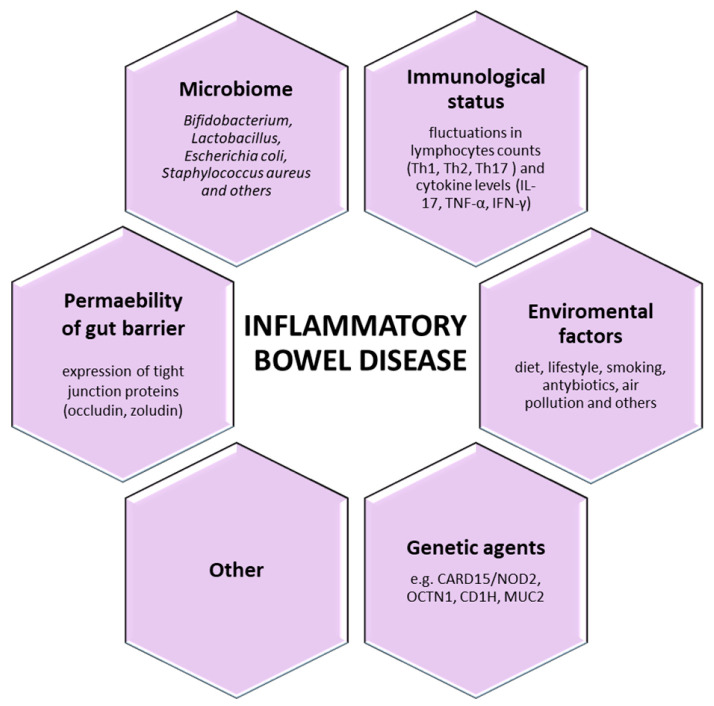
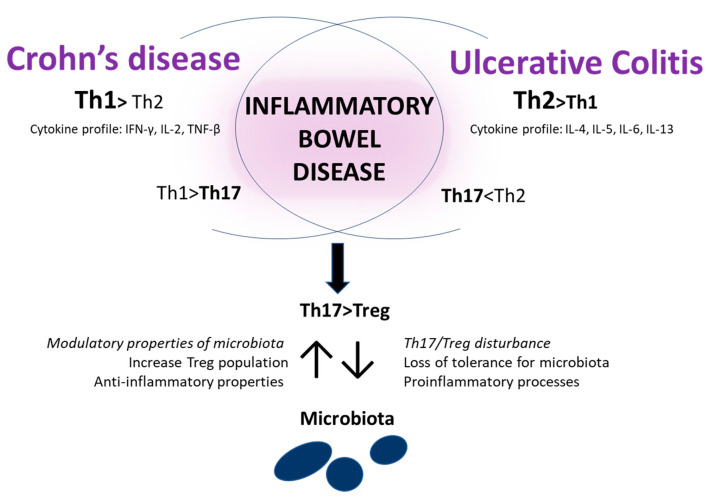
Inflammatory bowel disease (IBD), which affects millions of people worldwide, includes two separate diseases: Crohn's disease (CD) and ulcerative colitis (UC). Although the background (chronic inflammatory state) and some of the symptoms of CD and UC are similar, both diseases differ from each other. It is becoming clear that a combination of many factors, in particular genetic background, host immune response and microbial reduced diversity status are associated with IBD. One potential strategy to prevent/treat IBD is gut modulation by probiotics. Over the last twenty years, many publications have focused on the role of probiotics in the course of IBD. The review discusses the utility of different strains of probiotics, especially Bifidobacterium spp., in all factors potentially involved in the etiology of IBD. The probiotic modulatory properties among different study models (cell lines, animal models of colitis, clinical study) are discussed and probiotic usefulness is assessed in relation to the treatment, prevention, and remission of diseases.
Keywords: Bifidobacterium; Crohn’s disease; anti-inflammatory; inflammatory bowel disease; probiotic; treatment; ulcerative colitis.
Conflict of interest statement
The authors declare no conflicts of interest.
Figures
References
-
- European Federation of Crohn’s & Ulcerative Colitis Associations. [(accessed on 1 April 2020)]; Available online: http://www.efcca.org.
-
- Centers of Disease Control and Prevention. [(accessed on 1 April 2020)]; Available online: https://www.cdc.gov.
Publication types
MeSH terms
LinkOut - more resources
Full Text Sources
Miscellaneous
