


Iron Supplementation Influence on the Gut Microbiota and Probiotic Intake Effect in Iron Deficiency-A Literature-Based Review
- PMID: 32635533
- PMCID: PMC7400826
- DOI: 10.3390/nu12071993
Iron Supplementation Influence on the Gut Microbiota and Probiotic Intake Effect in Iron Deficiency-A Literature-Based Review
Abstract
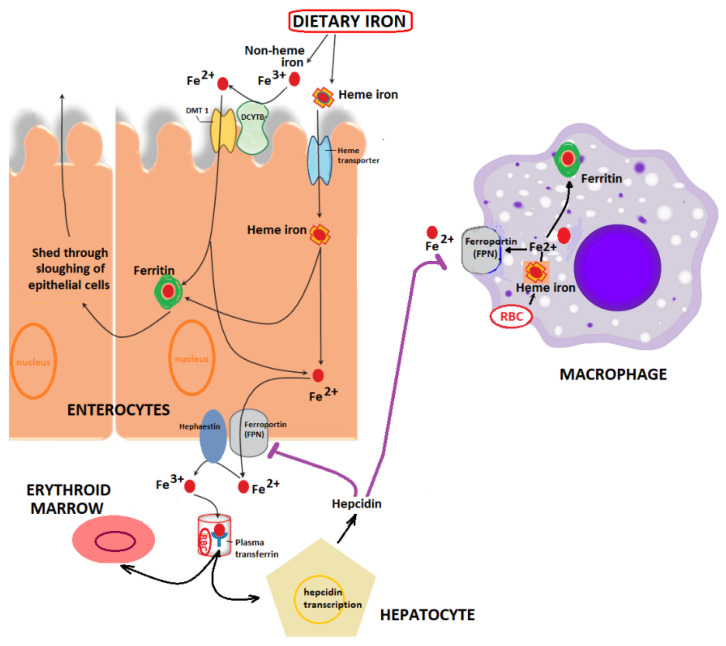
Iron deficiency in the human body is a global issue with an impact on more than two billion individuals worldwide. The most important functions ensured by adequate amounts of iron in the body are related to transport and storage of oxygen, electron transfer, mediation of oxidation-reduction reactions, synthesis of hormones, the replication of DNA, cell cycle restoration and control, fixation of nitrogen, and antioxidant effects. In the case of iron deficiency, even marginal insufficiencies may impair the proper functionality of the human body. On the other hand, an excess in iron concentration has a major impact on the gut microbiota composition. There are several non-genetic causes that lead to iron deficiencies, and thus, several approaches in their treatment. The most common methods are related to food fortifications and supplements. In this review, following a summary of iron metabolism and its health implications, we analyzed the scientific literature for the influence of iron fortification and supplementation on the gut microbiome and the effect of probiotics, prebiotics, and/or synbiotics in iron absorption and availability for the organism.
Keywords: diet; gut microbiota; iron; prebiotics; probiotics.
Conflict of interest statement
The authors declare no conflict of interest.
Figures
References
Publication types
MeSH terms
Substances
LinkOut - more resources
Full Text Sources
Medical
