


A novel humanized mouse model to study the function of human cutaneous memory T cells in vivo in human skin
- PMID: 32636404
- PMCID: PMC7341892
- DOI: 10.1038/s41598-020-67430-7
A novel humanized mouse model to study the function of human cutaneous memory T cells in vivo in human skin
Abstract
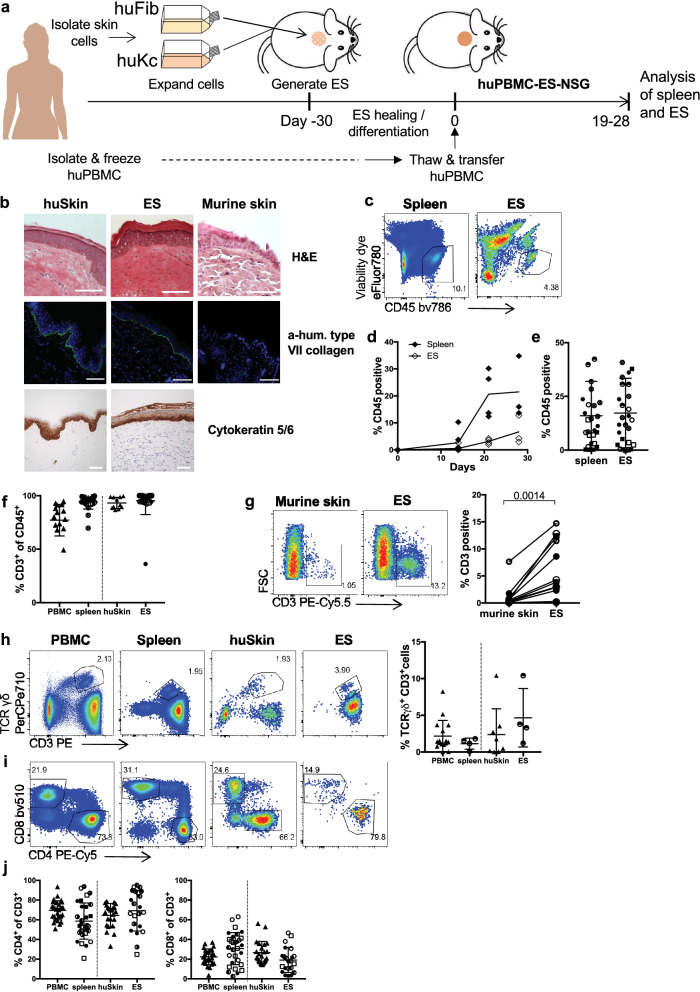
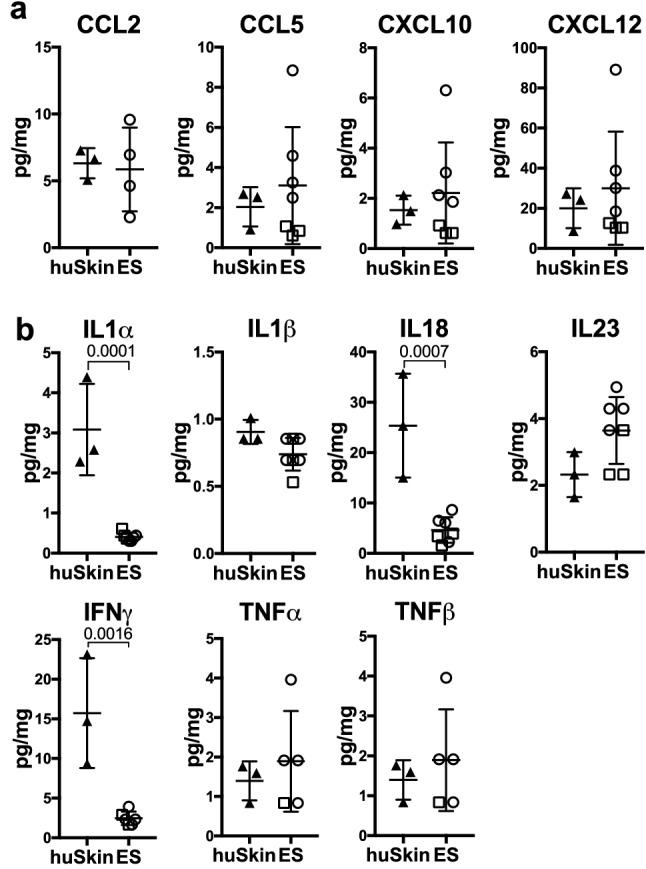
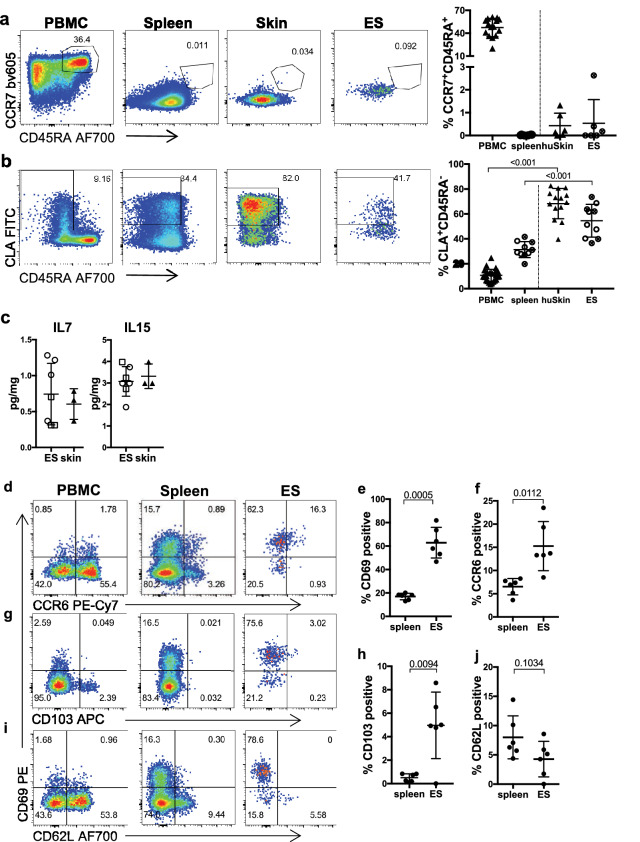
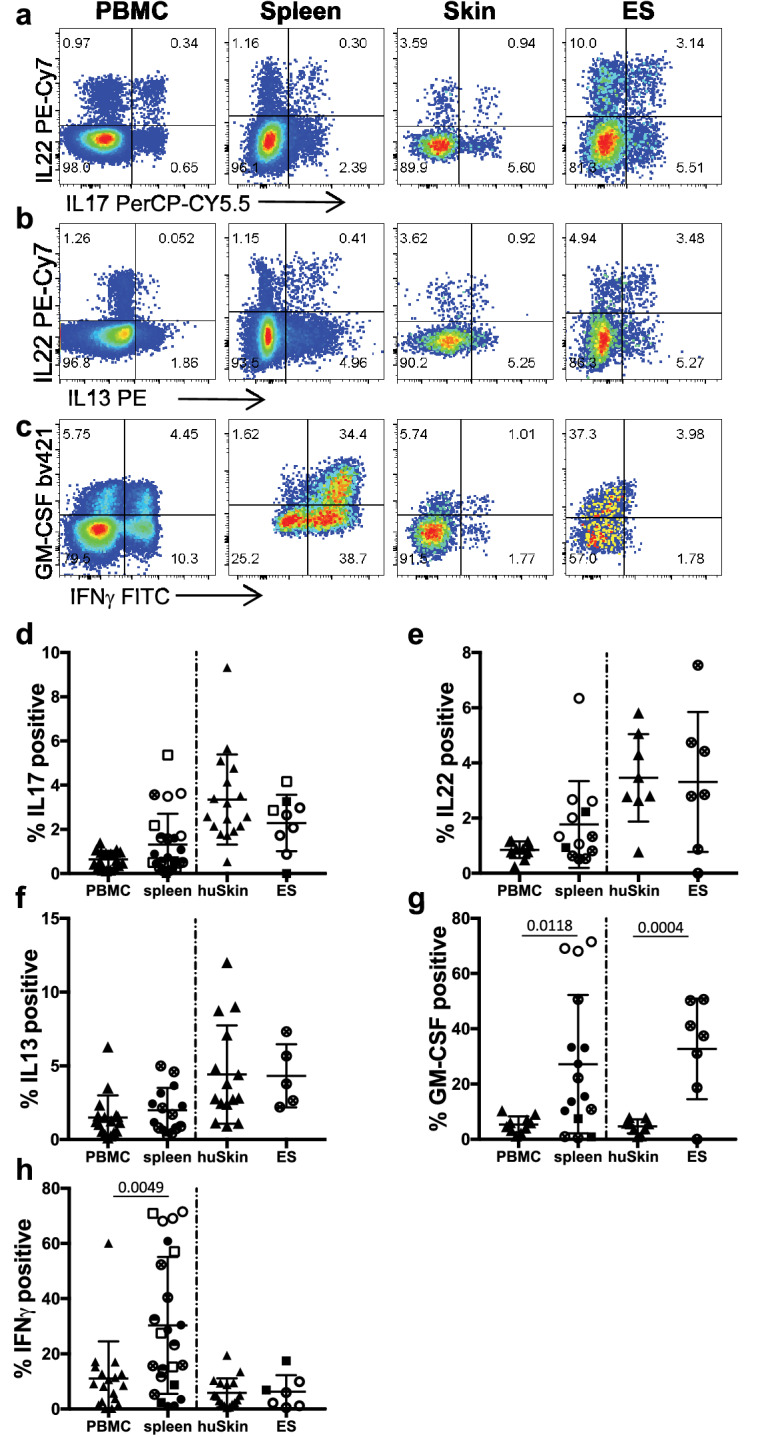
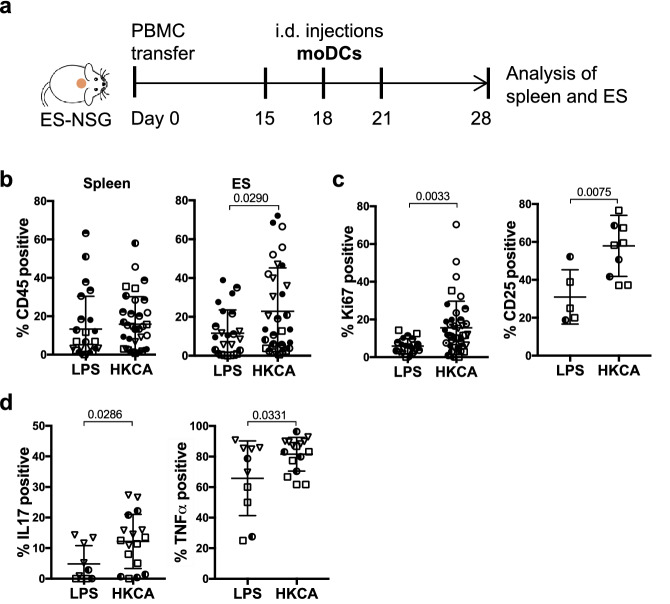
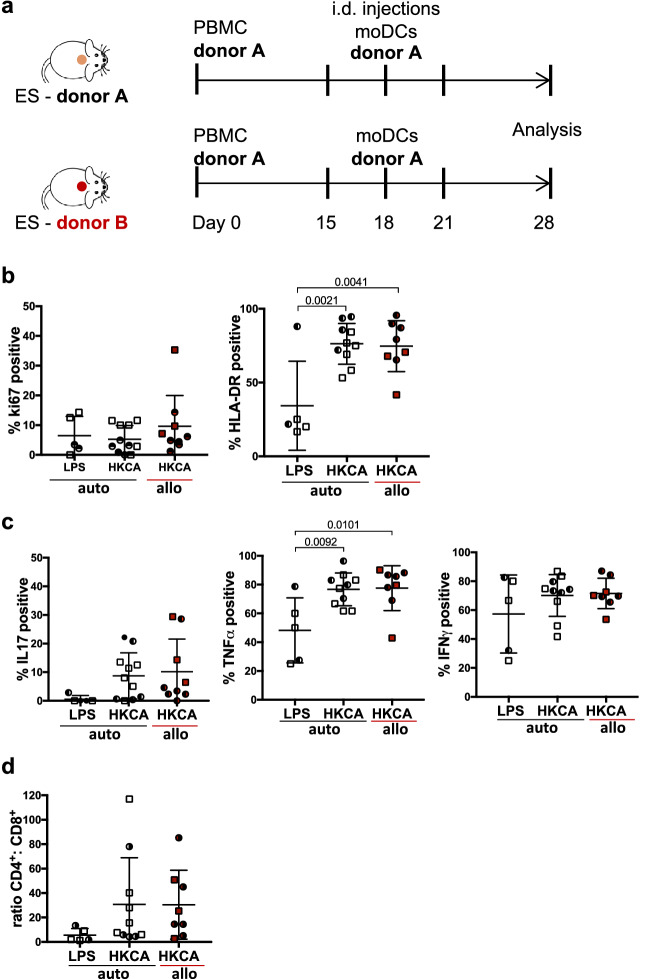
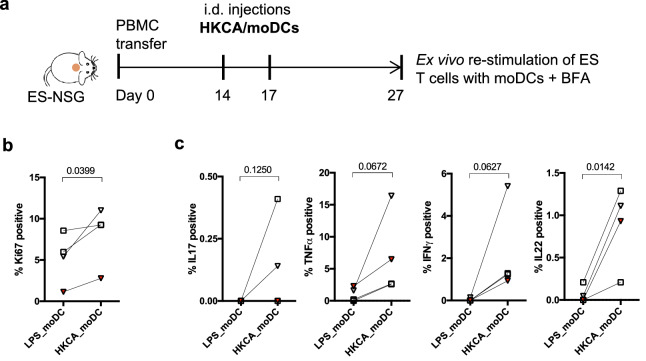
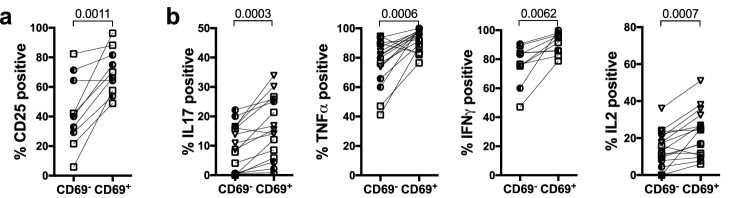
Human skin contains a population of memory T cells that supports tissue homeostasis and provides protective immunity. The study of human memory T cells is often restricted to in vitro studies and to human PBMC serving as primary cell source. Because the tissue environment impacts the phenotype and function of memory T cells, it is crucial to study these cells within their tissue. Here we utilized immunodeficient NOD-scid IL2rγnull (NSG) mice that carried in vivo-generated engineered human skin (ES). ES was generated from human keratinocytes and fibroblasts and was initially devoid of skin-resident immune cells. Upon adoptive transfer of human PBMC, this reductionist system allowed us to study human T cell recruitment from a circulating pool of T cells into non-inflamed human skin in vivo. Circulating human memory T cells preferentially infiltrated ES and showed diverse functional profiles of T cells found in fresh human skin. The chemokine and cytokine microenvironment of ES closely resembled that of non-inflamed human skin. Upon entering the ES T cells assumed a resident memory T cell-like phenotype in the absence of infection, and a proportion of these cutaneous T cells can be locally activated upon injection of monocyte derived dendritic cells (moDCs) that presented Candida albicans. Interestingly, we found that CD69+ memory T cells produced higher levels of effector cytokines in response to Candida albicans, compared to CD69- T cells. Overall, this model has broad utility in many areas of human skin immunology research, including the study of immune-mediated skin diseases.
Conflict of interest statement
M.M.K., E.M.M. and I.K.G. are inventors on patent application EP18168258 / US 16389821 that was jointly filed by the University of Salzburg, Austria, and Debra Austria that covers the use of skin humanized mice in pre-clinical studies involving engineered skin and human T cells.
Figures
References
-
- Bos JD, et al. Predominance of ‘memory’ T cells (CD4+, CDw29+) over ‘naive’ T cells (CD4+, CD45R+) in both normal and diseased human skin. Arch. Dermatol. Res. 1989;281:24–30. - PubMed
-
- Clark RA, et al. The vast majority of CLA+ T cells are resident in normal skin. J. Immunol. Baltim. Md. 2006;1950(176):4431–4439. - PubMed
-
- Di Meglio P, Perera GK, Nestle FO. The multitasking organ: recent insights into skin immune function. Immunity. 2011;35:857–869. - PubMed
Publication types
MeSH terms
Grants and funding
LinkOut - more resources
Full Text Sources
