


Cognitive Enhancement via Neuromodulation and Video Games: Synergistic Effects?
- PMID: 32636739
- PMCID: PMC7319101
- DOI: 10.3389/fnhum.2020.00235
Cognitive Enhancement via Neuromodulation and Video Games: Synergistic Effects?
Abstract
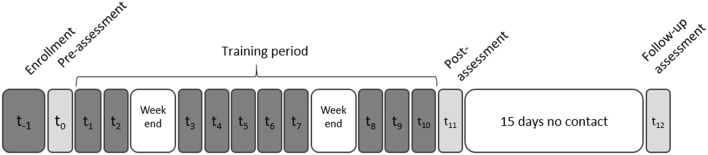
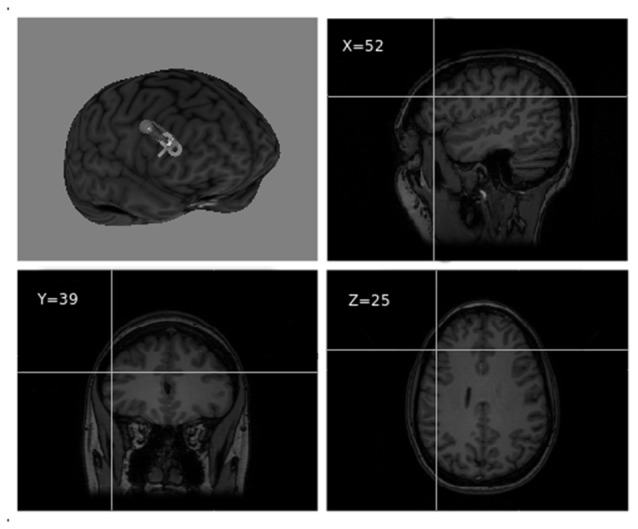
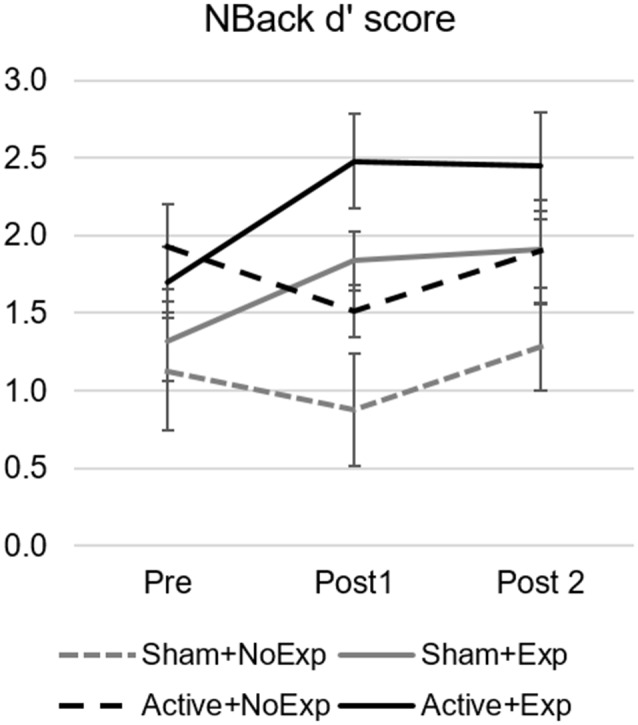
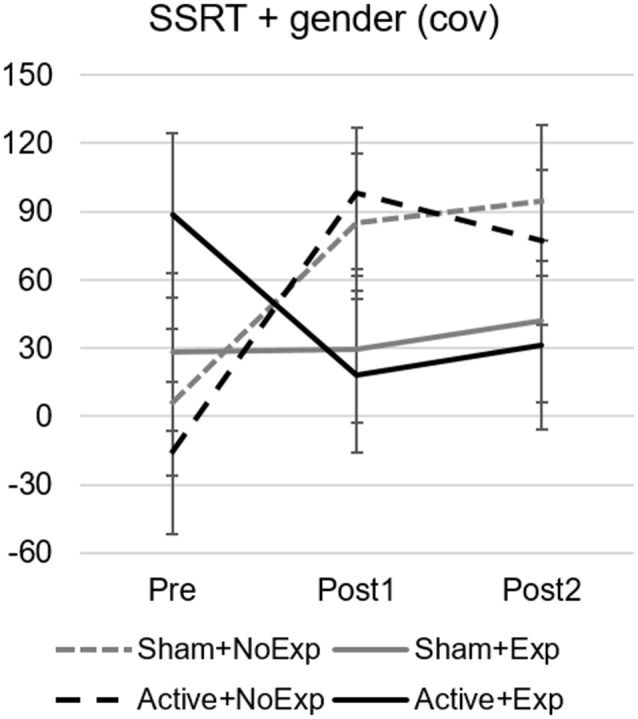
Transcranial magnetic stimulation (TMS) is a non-invasive brain stimulation technique able to modulate cortical excitability. This modulation may influence areas and networks responsible for specific cognitive processes, and the repetition of the induced temporary changes can produce long-lasting effects. TMS effectiveness may be enhanced when used in conjunction with cognitive training focused on specific cognitive functions. Playing video games can be an optimal cognitive training since it involves different cognitive components and high levels of engagement and motivation. The goal of this study is to assess the synergistic effects of TMS and video game training to enhance cognition, specifically, working memory and executive functions. We conducted a randomized 2 × 3 repeated measures (stimulation × time) study, randomly assigning 27 healthy volunteers to an active intermittent theta-burst stimulation or a sham stimulation group. Participants were assessed using a comprehensive neuropsychological battery before, immediately after, and 15 days after finishing the video game+TMS training. The training consisted of 10 sessions where participants played a 3D platform video game for 1.5 h. After each gaming session, TMS was applied over the right dorsolateral prefrontal cortex (DLPFC). All participants improved their video gaming performance, but we did not find a synergistic effect of stimulation and video game training. Neither had we found cognitive improvements related to the stimulation. We explored possible confounding variables such as age, gender, and early video gaming experience through linear regression. The early video gaming experience was related to improvements in working memory and inhibitory control. This result, although exploratory, highlights the influence of individual variables and previous experiences on brain plasticity.
Keywords: cognitive enhancement; dorsolateral prefrontal cortex; executive functions; iTBS; theta-burst stimulation; transcranial magnetic stimulation; video games; working memory.
Copyright © 2020 Palaus, Viejo-Sobera, Redolar-Ripoll and Marrón.
Figures
References
-
- Beck A. T., Steer R. A., Brown G. K. (1996). Manual for the Beck depression inventory-II. San Antonio, TX: Psychological Corporation.
-
- Bentwich J., Dobronevsky E., Aichenbaum S., Shorer R., Peretz R., Khaigrekht M., et al. (2011). Beneficial effect of repetitive transcranial magnetic stimulation combined with cognitive training for the treatment of Alzheimer’s disease: a proof of concept study. J. Neural Transm. 118, 463–471. 10.1007/s00702-010-0578-1 - DOI - PubMed
LinkOut - more resources
Full Text Sources
