Multicenter Study
. 2020 Sep;31(9):2168-2183.
doi: 10.1681/ASN.2020030306. Epub 2020 Jul 8.

Transcriptional Changes in Kidney Allografts with Histology of Antibody-Mediated Rejection without Anti-HLA Donor-Specific Antibodies

Affiliations
Multicenter Study

Transcriptional Changes in Kidney Allografts with Histology of Antibody-Mediated Rejection without Anti-HLA Donor-Specific Antibodies

Jasper Callemeyn et al. J Am Soc Nephrol. 2020 Sep.

Abstract

Background: Circulating donor-specific anti-HLA antibodies (HLA-DSAs) are often absent in serum of kidney allograft recipients whose biopsy specimens demonstrate histology of antibody-mediated rejection (ABMR). It is unclear whether cases involving ABMR histology without detectable HLA-DSAs represent a distinct clinical and molecular phenotype.

Methods: In this multicenter cohort study, we integrated allograft microarray analysis with extensive clinical and histologic phenotyping from 224 kidney transplant recipients between 2011 and 2017. We used the term ABMR histology for biopsy specimens that fulfill the first two Banff 2017 criteria for ABMR, irrespective of HLA-DSA status.

Results: Of 224 biopsy specimens, 56 had ABMR histology; 26 of these (46.4%) lacked detectable serum HLA-DSAs. Biopsy specimens with ABMR histology showed overexpression of transcripts mostly related to IFNγ-induced pathways and activation of natural killer cells and endothelial cells. HLA-DSA-positive and HLA-DSA-negative biopsy specimens with ABMR histology displayed similar upregulation of pathways and enrichment of infiltrating leukocytes. Transcriptional heterogeneity observed in biopsy specimens with ABMR histology was not associated with HLA-DSA status but was caused by concomitant T cell-mediated rejection. Compared with cases lacking ABMR histology, those with ABMR histology and HLA-DSA had higher allograft failure risk (hazard ratio [HR], 7.24; 95% confidence interval [95% CI], 3.04 to 17.20) than cases without HLA-DSA (HR, 2.33; 95% CI, 0.85 to 6.33), despite the absence of transcriptional differences.

Conclusions: ABMR histology corresponds to a robust intragraft transcriptional signature, irrespective of HLA-DSA status. Outcome after ABMR histology is not solely determined by the histomolecular presentation but is predicted by the underlying etiologic factor. It is important to consider this heterogeneity in further research and in treatment decisions for patients with ABMR histology.

Keywords: antibody-mediated rejection; donor-specific antibodies; kidney transplantation; natural killer cells; transcriptomics.


Figures

None
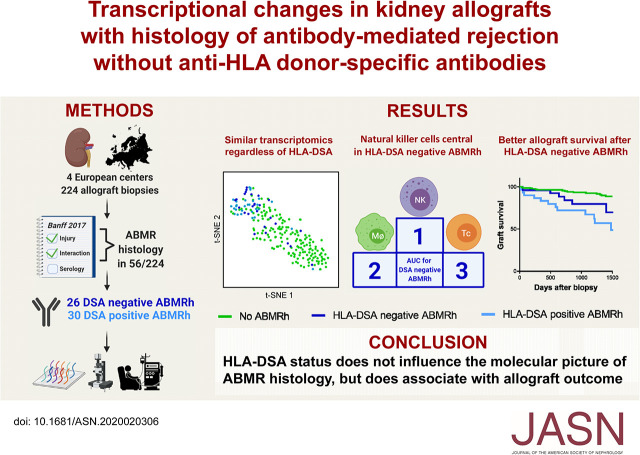
Graphical abstract
Figure 1.
Figure 1.
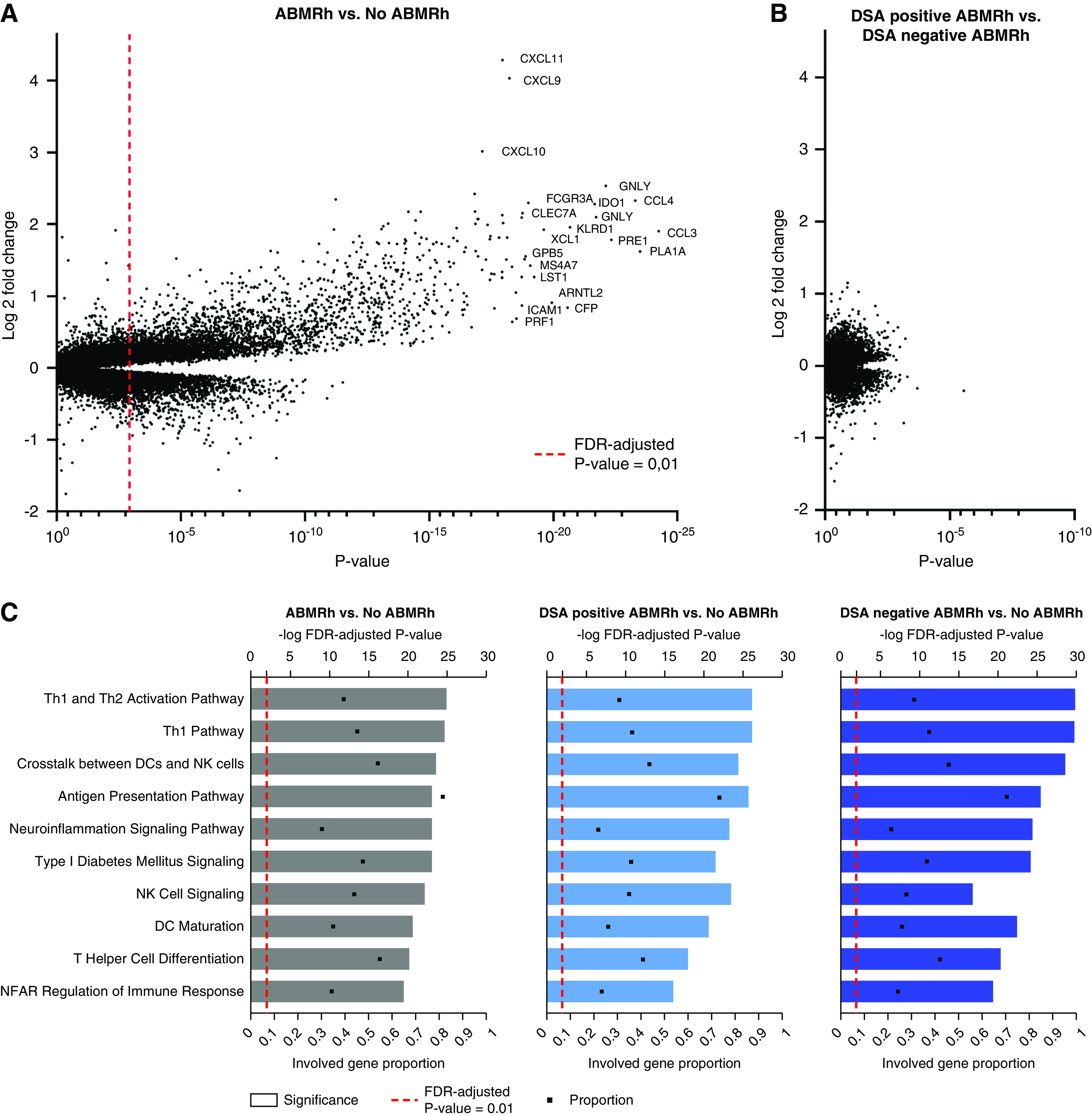
HLA-DSA-negative ABMRh exhibits similar transcriptional changes as HLA-DSA-positive ABMRh. (A) Differential gene expression analysis between ABMRh (n=56) and no ABMRh (n=168). Genes can be represented by multiple probe sets within a single microarray. FDR-adjusted P value <0.01 was considered significant (dashed red line). (B) Differential gene expression analysis between HLA-DSA–negative ABMRh (n=26) and HLA-DSA–positive ABMRh (n=30). No probe sets were found to differ between these two groups after FDR adjustment, despite a clear distinction between ABMRh cases and other biopsy specimens as presented in (A). (C) Ingenuity pathway analysis of differentially expressed genes in ABMRh, HLA-DSA–positive ABMRh, or HLA-DSA–negative ABMRh versus other biopsy specimens. The top ten upregulated pathways in ABMRh were preserved in both ABMRh subtypes. Gene proportion denotes the fraction of known genes within the analyzed pathway that are significantly overexpressed. DCs, dendritic cells; NFAT, nuclear factor of activated T cells; Th1, T helper type 1 cell.
Figure 2.
Figure 2.
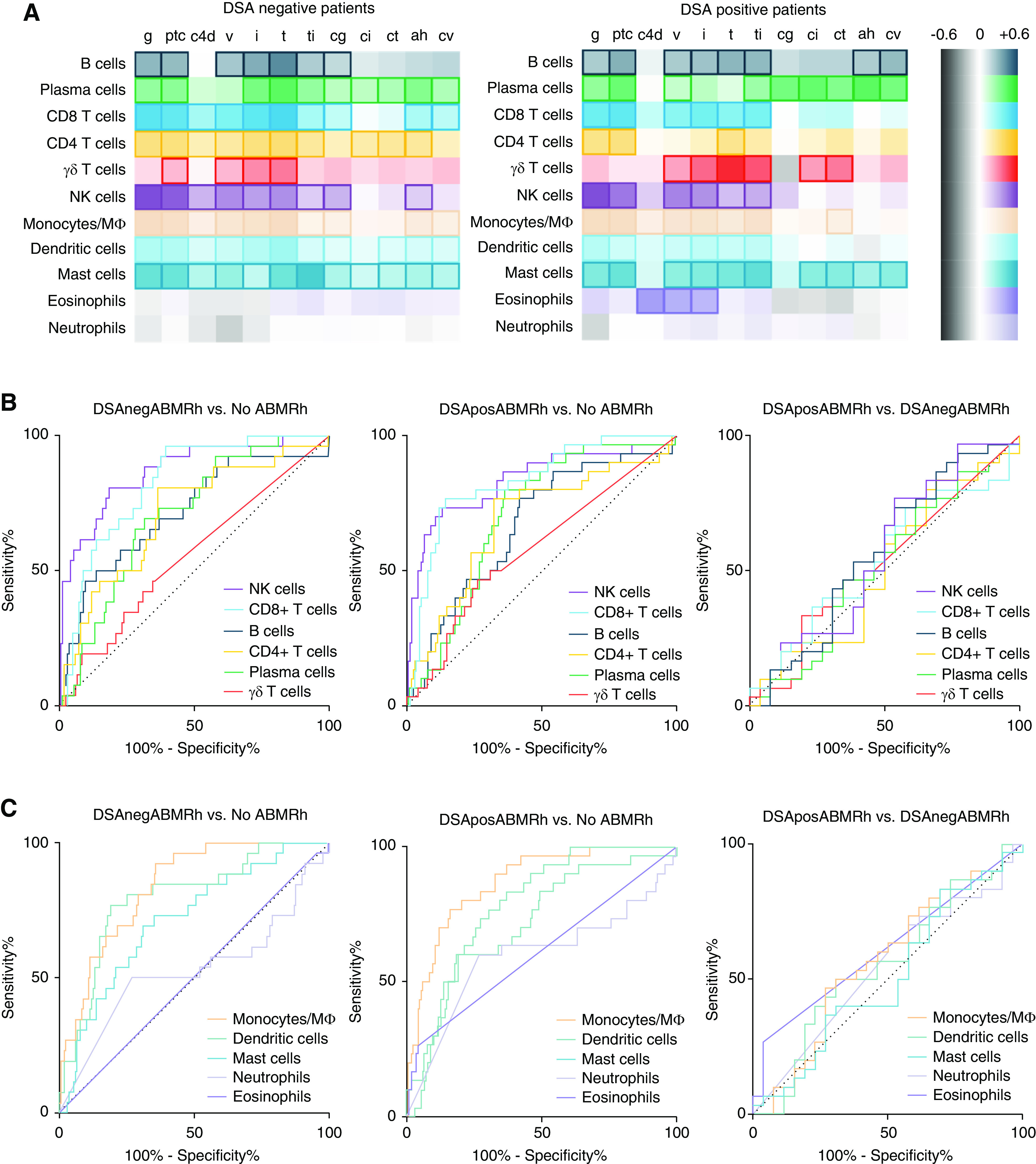
Intragraft leukocyte infiltration associates with ABMR histology. (A) Heatmap of Spearman correlation coefficients between absolute leukocyte infiltration and severity of histologic lesions in patients who are HLA-DSA negative (DSAneg; n=140) and those who are HLA-DSA positive (DSApos; n=84). Marked boxes indicate statistical significance (P<0.05). (B and C) Receiver operating characteristic curves depicting diagnostic accuracy of (B) lymphoid and (C) myeloid cell infiltration for and between ABMRh subtypes. Infiltration of NK cells, monocytes/macrophages, and CD8-positive T cells had the highest predictive value for ABMRh, regardless of HLA-DSA status. The heatmap for the entire population and receiver operating characteristic curves for ABMRh are depicted in Supplemental Figure 2. Mϕ, macrophage.
Figure 3.
Figure 3.
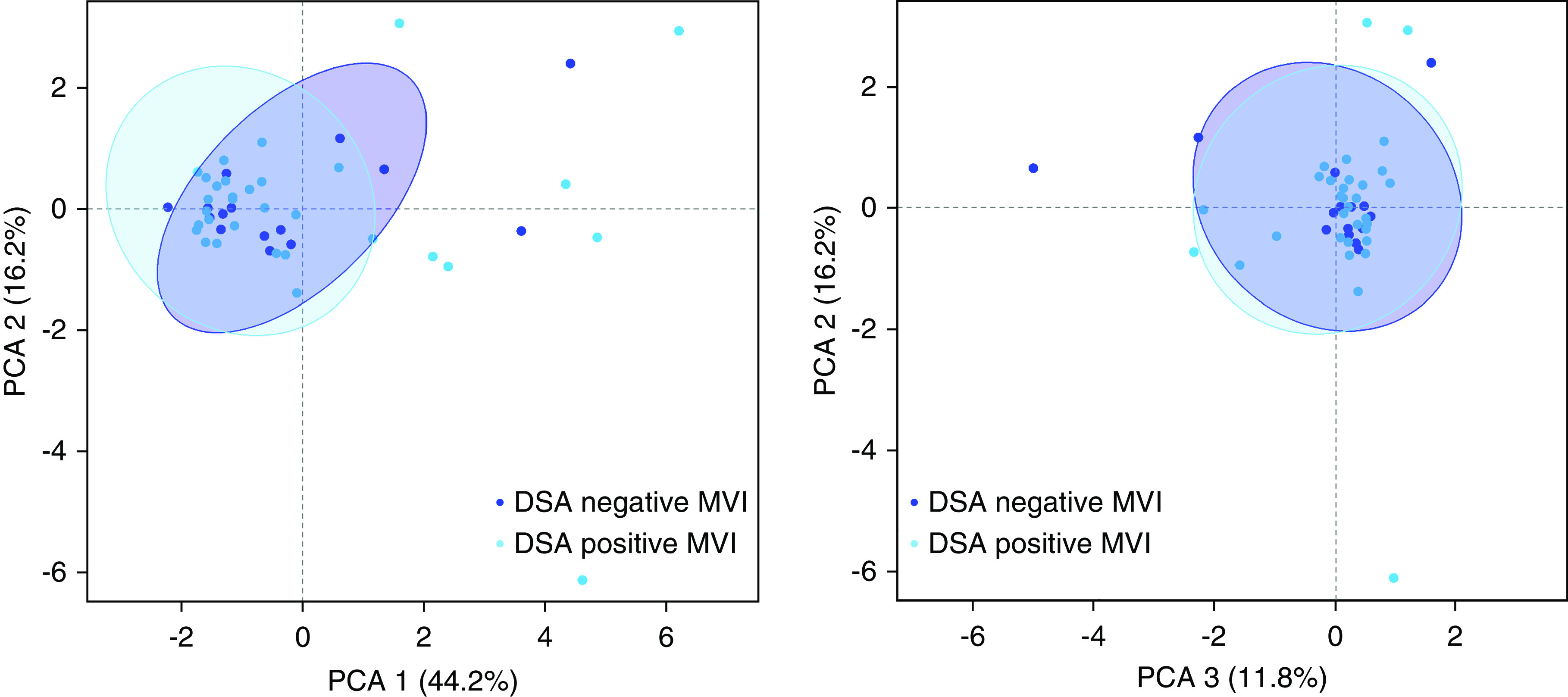
Spatial distribution and extent of leukocyte infiltration in MVI is not influenced by HLA-DSA. Principal component analysis (PCA) of leukocyte subset infiltration quantified by computer-assisted analysis of immunohistochemical staining in kidney allografts with MVI, in the presence (n=32) or absence (n=15) of circulating HLA-DSA. Plotted 95% confidence ellipses show major areas of overlap.
Figure 4.
Figure 4.
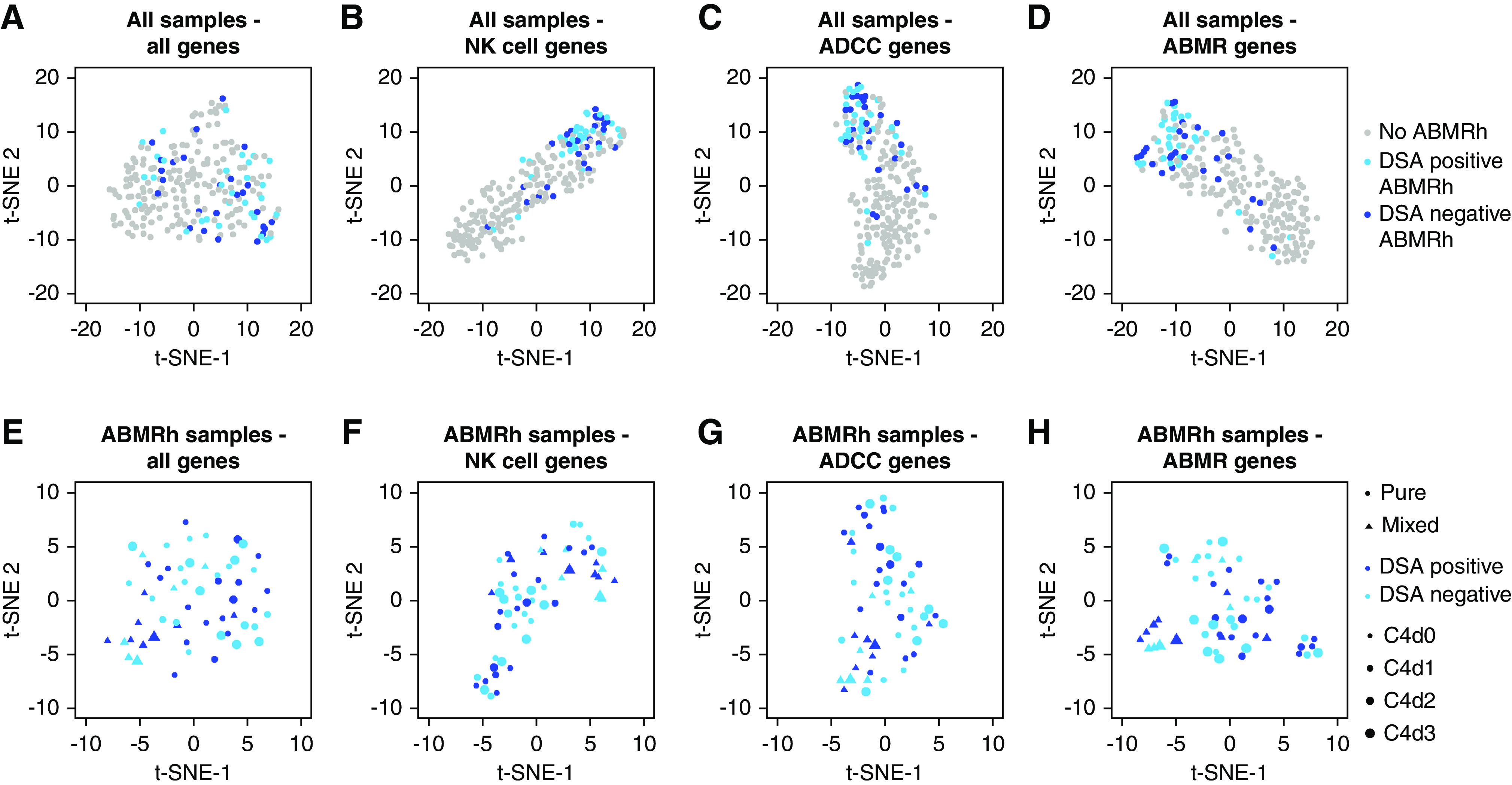
HLA-DSA status does not explain molecular heterogeneity within ABMRh. (A–D) Clustering of all allograft biopsy specimens (n=224) based on expression of (A) all genes and (B–D) gene subsets distinguished most ABMRh biopsy specimens. Ten ABMRh cases were persistent outliers. (E–H) Among ABMRh biopsy specimens (n=56), transcriptional heterogeneity was not explained by HLA-DSA or C4d severity, whereas biopsy specimens with mixed rejection (concomitant borderline/TCMR) colocalize. t-SNE was used for dimensionality reduction. Points represent individual biopsies.
Figure 5.
Figure 5.
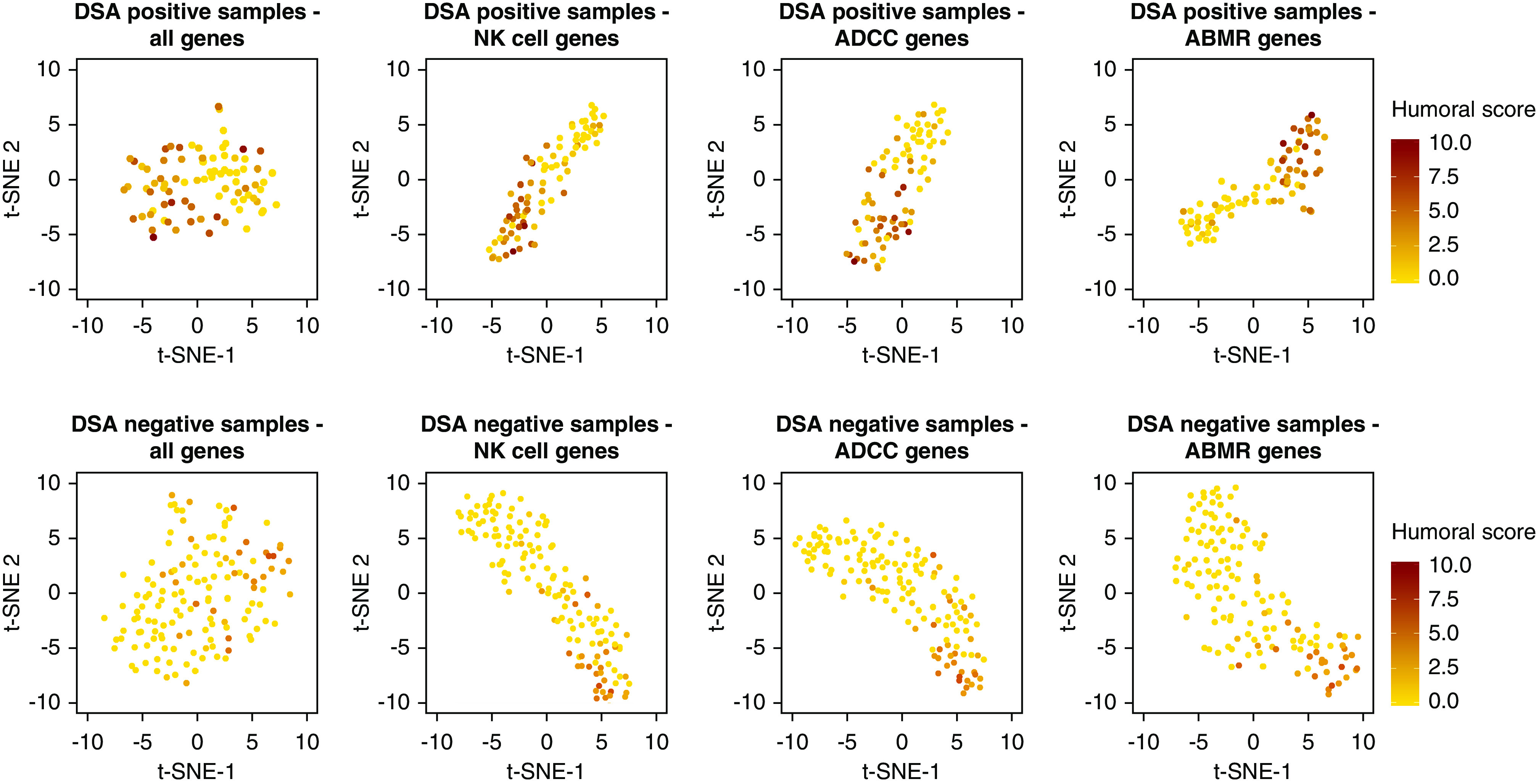
ABMR gene subset expression correlates with humoral lesion severity. Clustering of biopsy specimens based on expression of selective gene sets, with labeling based on the histomorphologic humoral lesion score (i.e., sum of glomerulitis, peritubular capillaritis, arteritis, C4d and transplant glomerulopathy). In both patients who were HLA-DSA positive (n=84) and HLA-DSA negative (n=140), ADCC, NK cell, and ABMR transcripts associate with severity of humoral scores. t-SNE is used for dimensionality reduction. Points represent biopsy specimens.
Figure 6.
Figure 6.
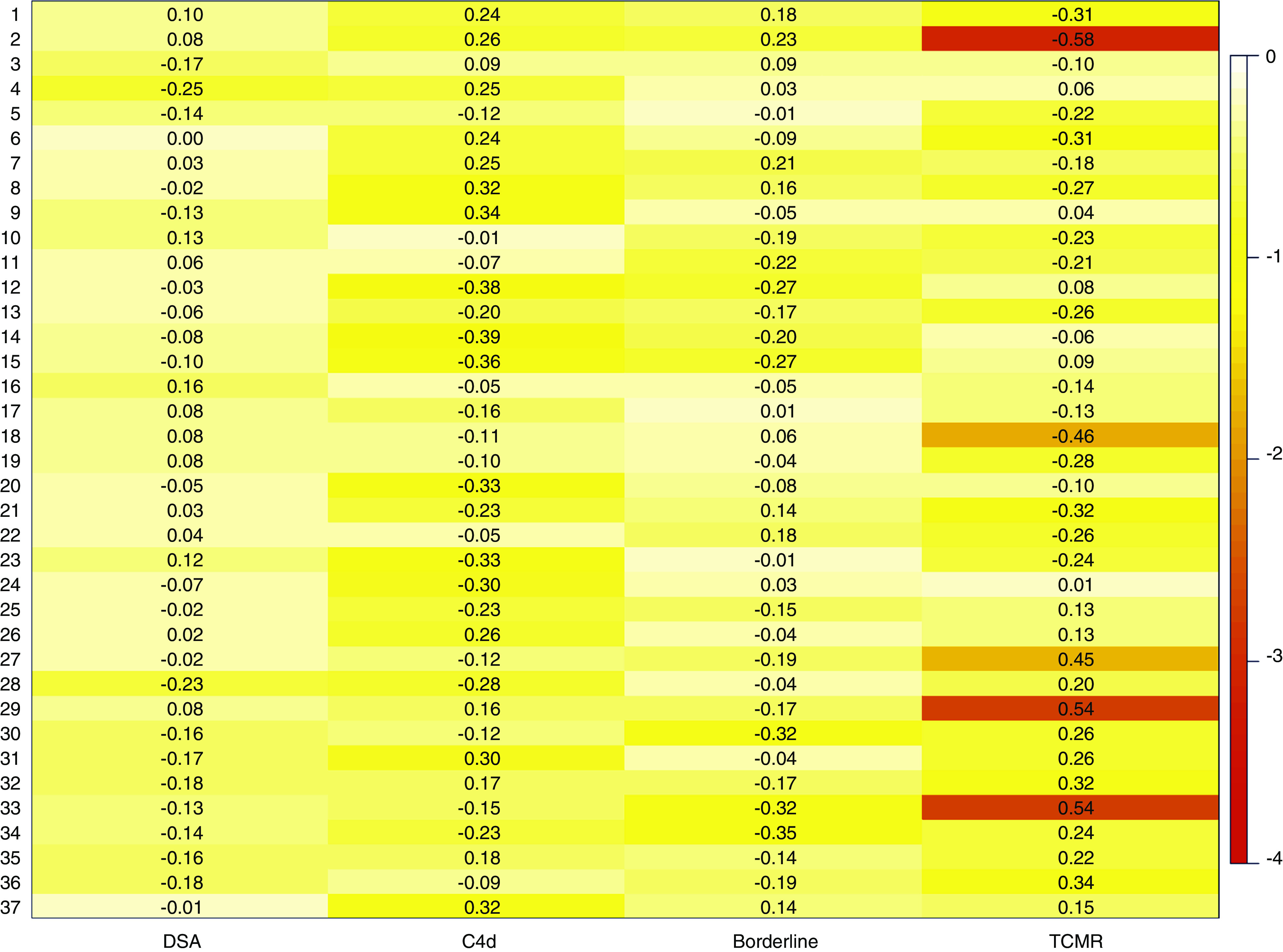
TCMR causes transcriptional variability within ABMRh (n=56). Heatmap represents the correlation between the 37 detected modules (y axis) and different traits of interest (x axis). Color represent log10 P values after FDR adjustment, numbers represent strength of the association (biweight midcorrelation coefficient). HLA-DSA status, C4d score, and borderline rejection did not significantly correlate with modules within ABMRh, in contrast to TCMR.
Figure 7.
Figure 7.
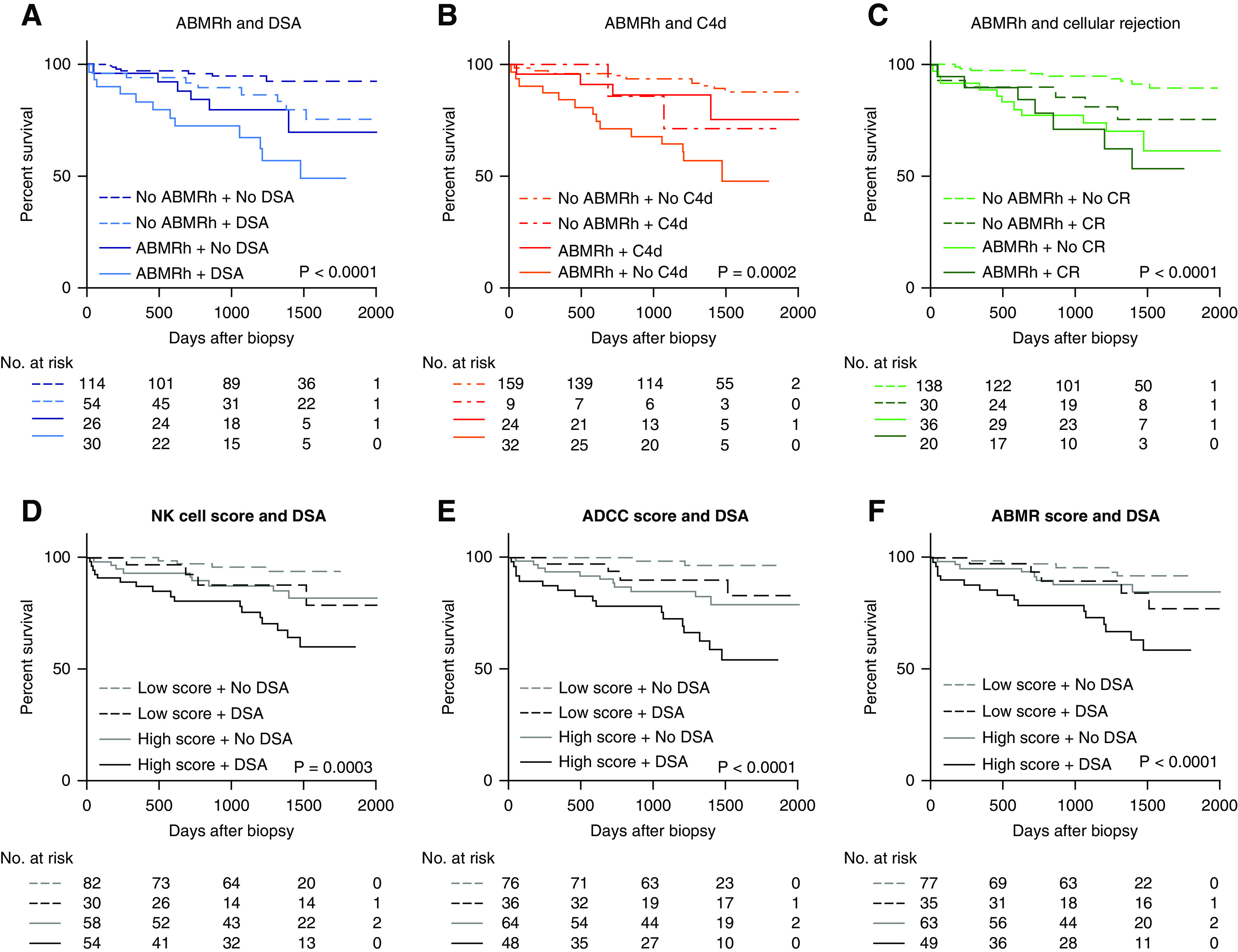
HLA-DSA status associates with worse allograft outcome after ABMRh diagnosis. (A–C) Kaplan–Meier curves of death-censored allograft survival based on ABMR histology with HLA-DSA, C4d positivity, or cellular rejection. C4d positivity is defined as a C4d score >0 by immunohistochemistry, or C4d >1 by immunofluorescence. Cellular rejection denotes borderline or TCMR. (D–F) Survival analysis based on average expression of selected gene sets and HLA-DSA. High molecular scores were defined as above the median value in the entire cohort.

References

    1. Coemans M, Süsal C, Döhler B, Anglicheau D, Giral M, Bestard O, et al.: Analyses of the short- and long-term graft survival after kidney transplantation in Europe between 1986 and 2015. Kidney Int 94: 964–973, 2018. - PubMed
    1. Lamb KE, Lodhi S, Meier-Kriesche HU: Long-term renal allograft survival in the United States: A critical reappraisal. Am J Transplant 11: 450–462, 2011. - PubMed
    1. Halloran PF: Immunosuppressive drugs for kidney transplantation. N Engl J Med 351: 2715–2729, 2004. - PubMed
    1. Pouliquen E, Koenig A, Chen CC, Sicard A, Rabeyrin M, Morelon E, et al.: Recent advances in renal transplantation: antibody-mediated rejection takes center stage. F1000Prime Rep 7: 51, 2015. - PMC - PubMed
    1. Naesens M, Kuypers DRJ, De Vusser K, Evenepoel P, Claes K, Bammens B, et al.: The histology of kidney transplant failure: a long-term follow-up study. Transplantation 98: 427–435, 2014. - PubMed

Publication types