


An Overview of Rickets in Children
- PMID: 32647755
- PMCID: PMC7335963
- DOI: 10.1016/j.ekir.2020.03.025
An Overview of Rickets in Children
Abstract
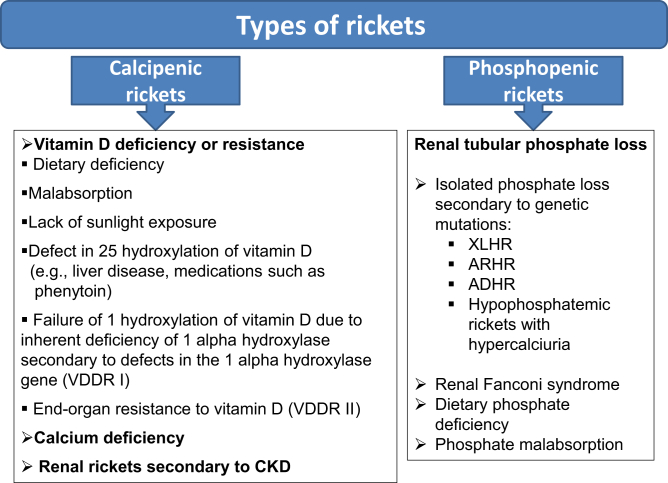
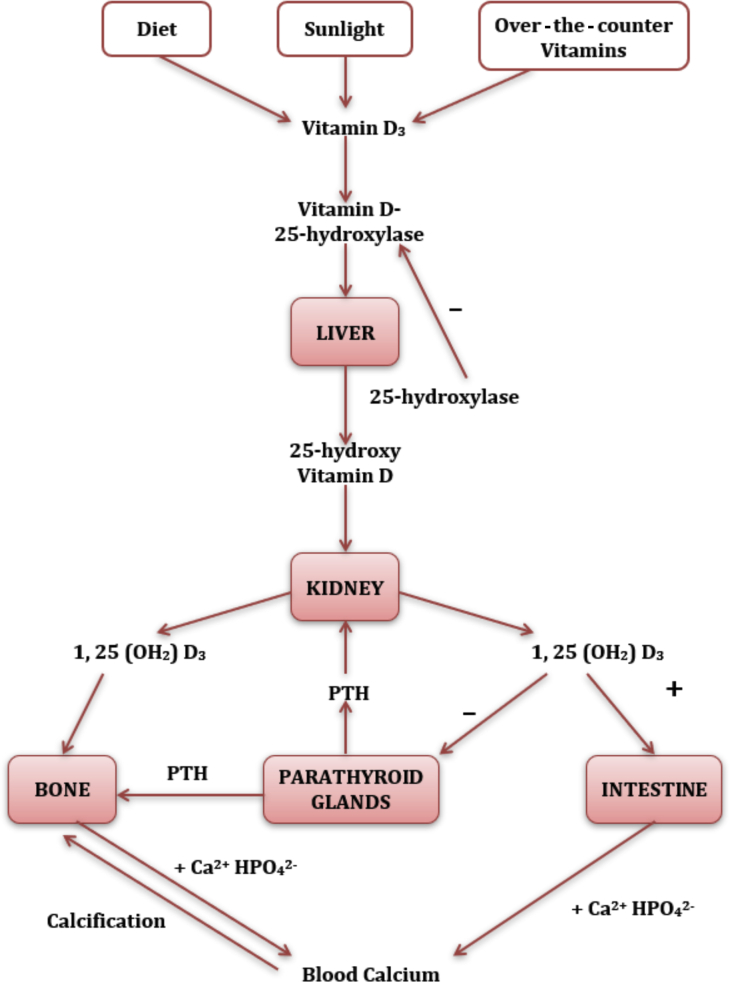
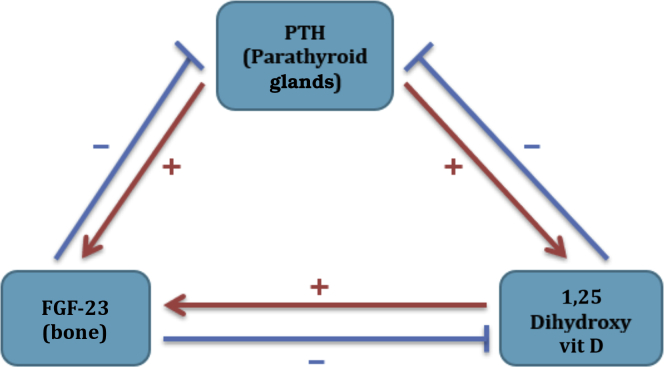
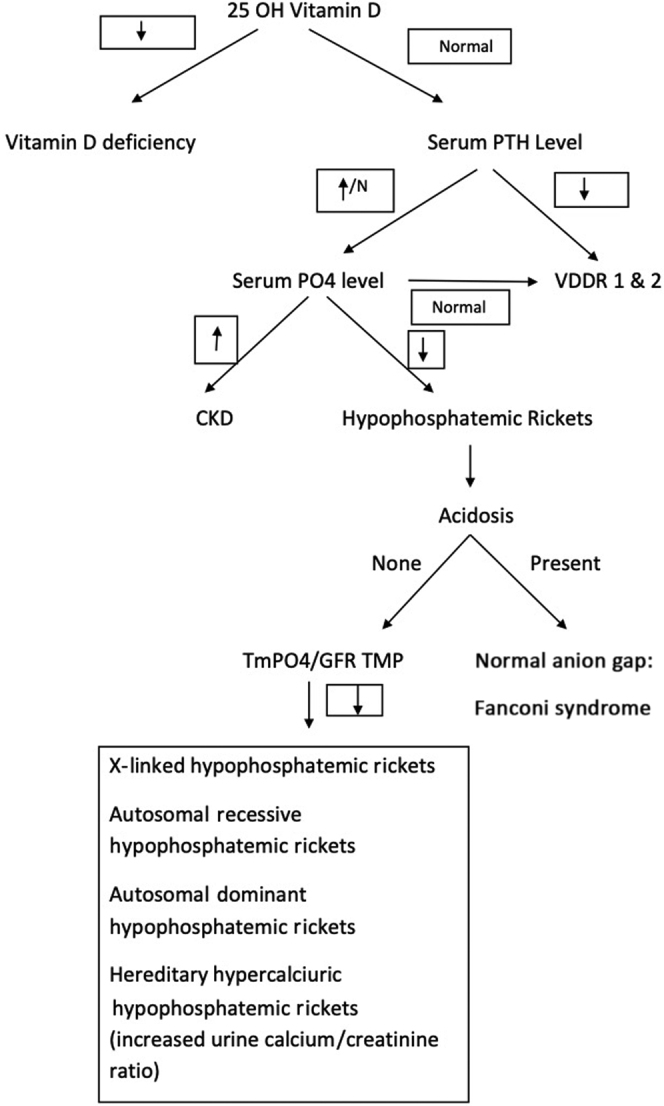
Rickets is a common bone disease worldwide that is associated with disturbances in calcium and phosphate homeostasis and can lead to short stature and joint deformities. Rickets can be diagnosed based on history and physical examination, radiological features, and biochemical tests. It can be classified into 2 major groups based on phosphate or calcium levels: phosphopenic and calcipenic. Knowledge of categorization of the type of rickets is essential for prompt diagnosis and proper management. Nutritional rickets is a preventable disease through adequate intake of vitamin D through both dietary and sunlight exposure. There are other subtypes of rickets, such as vitamin D-dependent type 1 rickets and vitamin D-dependent type 2 rickets (due to defects in vitamin D metabolism), renal rickets (due to poor kidney function), and hypophosphatemic rickets (vitamin D-resistant rickets secondary to renal phosphate wasting wherein fibroblast growth factor-23 (FGF-23) often plays a major role), which requires closer monitoring and supplementation with activated vitamin D with or without phosphate supplements. An important development has been the introduction of burosumab, a human monoclonal antibody to FGF-23, which is approved for the treatment of X-linked hypophosphatemia among children 1 year and older.
Keywords: chronic kidney disease; hypocalcemia; hypophosphatemia; phosphorus; vitamin D.
© 2020 International Society of Nephrology. Published by Elsevier Inc.
Figures
References
Publication types
LinkOut - more resources
Full Text Sources
Medical
