


Vascular consequences of inflammation: a position statement from the ESH Working Group on Vascular Structure and Function and the ARTERY Society
- PMID: 32649623
- PMCID: PMC7610698
- DOI: 10.1097/HJH.0000000000002508
Vascular consequences of inflammation: a position statement from the ESH Working Group on Vascular Structure and Function and the ARTERY Society
Abstract
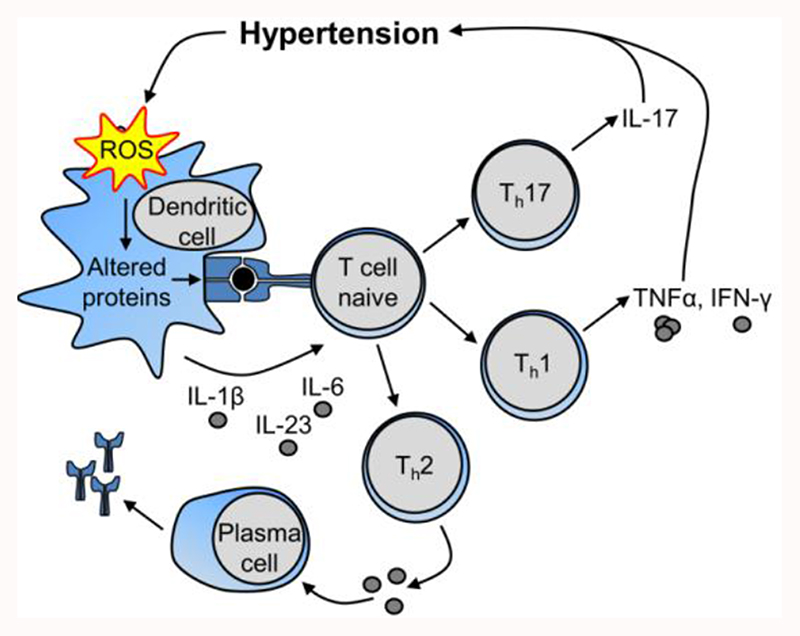
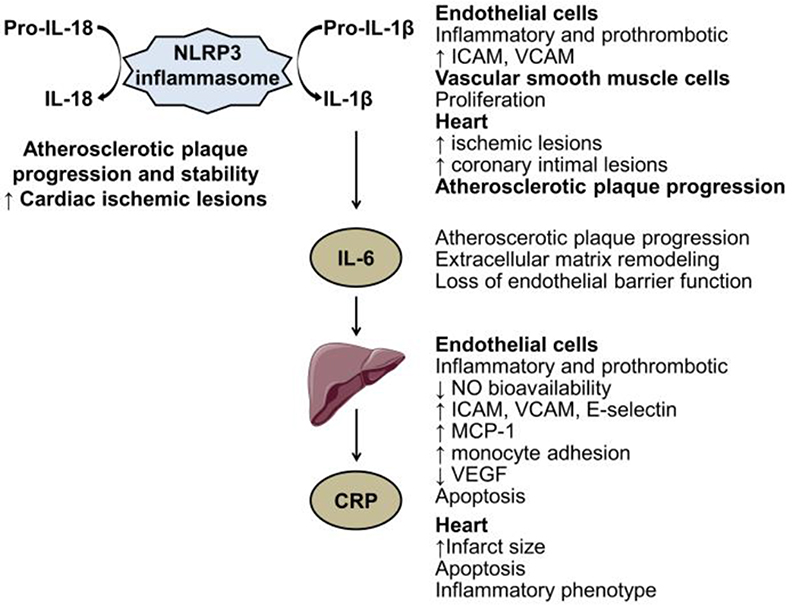
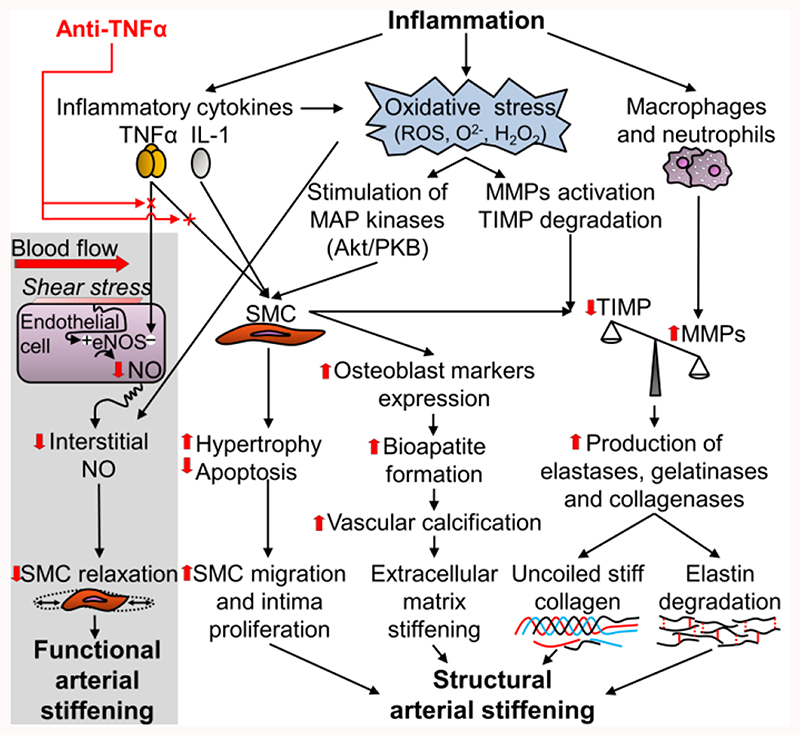
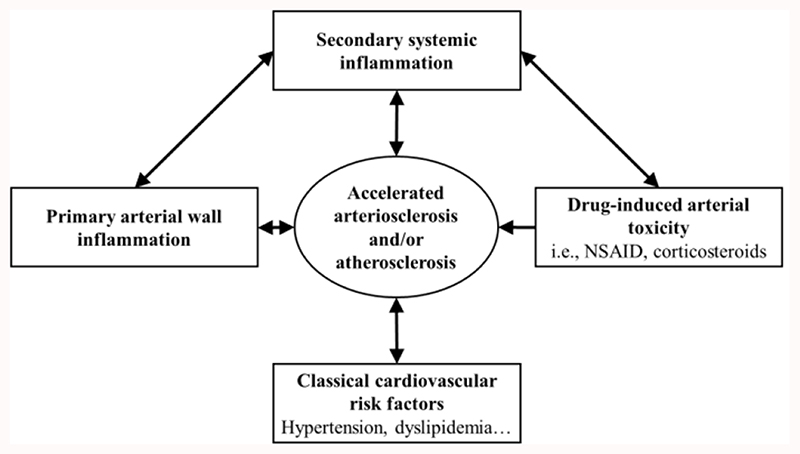
: Inflammation is a physiological response to aggression of pathogenic agents aimed at eliminating the aggressor agent and promoting healing. Excessive inflammation, however, may contribute to tissue damage and an alteration of arterial structure and function. Increased arterial stiffness is a well recognized cardiovascular risk factor independent of blood pressure levels and an intermediate endpoint for cardiovascular events. In the present review, we discuss immune-mediated mechanisms by which inflammation can influence arterial physiology and lead to vascular dysfunction such as atherosclerosis and arterial stiffening. We also show that acute inflammation predisposes the vasculature to arterial dysfunction and stiffening, and alteration of endothelial function and that chronic inflammatory diseases such as rheumatoid arthritis, inflammatory bowel disease and psoriasis are accompanied by profound arterial dysfunction which is proportional to the severity of inflammation. Current findings suggest that treatment of inflammation by targeted drugs leads to regression of arterial dysfunction. There is hope that these treatments will improve outcomes for patients.
Conflict of interest statement
None declared.
Figures
Comment in
-
Immunity, inflammation and the vasculature in the COVID-19 era.J Hypertens. 2020 Sep;38(9):1701-1702. doi: 10.1097/HJH.0000000000002525. J Hypertens. 2020. PMID: 32769685 No abstract available.
References
Publication types
MeSH terms
Grants and funding
LinkOut - more resources
Full Text Sources
Medical
