


Brain MR imaging and spectroscopy for outcome prognostication after pediatric cardiac arrest
- PMID: 32653571
- PMCID: PMC7769908
- DOI: 10.1016/j.resuscitation.2020.06.033
Brain MR imaging and spectroscopy for outcome prognostication after pediatric cardiac arrest
Abstract
Aim: Children surviving cardiac arrest are at high risk of neurological morbidity and mortality; however, there is a lack of validated prognostic biomarkers. We aimed to evaluate brain magnetic resonance imaging (MRI) and spectroscopy (MRS) as predictors of death and disability. Secondly, we evaluated whether MRI/S by randomized group.
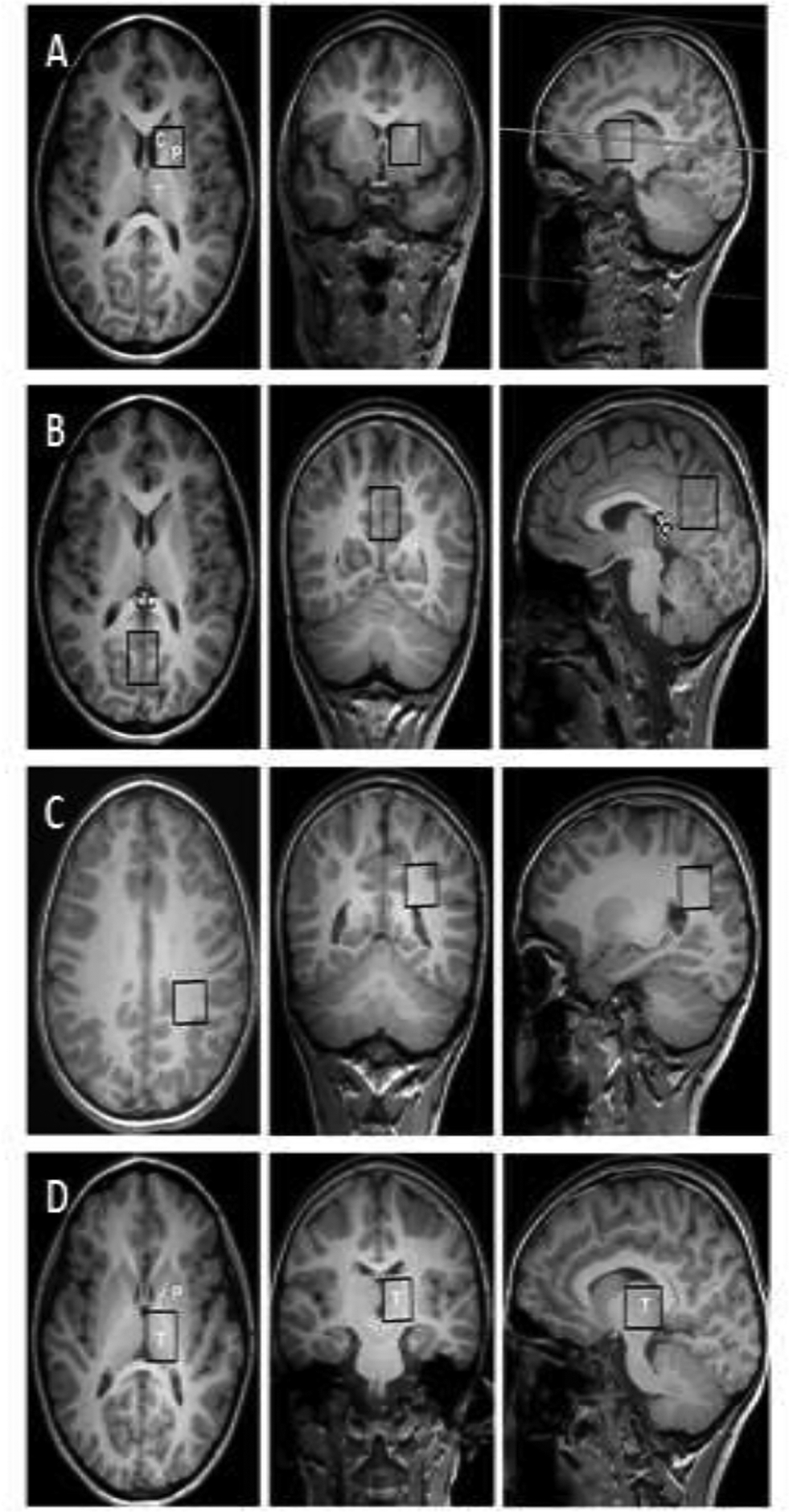
Methods: This single center study analyzed clinically indicated brain MRI/S data from children enrolled in a randomized controlled trial of 24 vs. 72 h of hypothermia following cardiac arrest. Two pediatric radiologists scored conventional MRIs. Lactate and N-acetyl-aspartate (NAA) concentrations (mmol/kg) were determined from spectra acquired from the basal ganglia, thalamus, parietal white matter and parietooccipital gray matter. Mortality and neurological outcomes (favorable = Pediatric Cerebral Performance Category [PCPC] 1, 2, 3 or increase < 2) were assessed at hospital discharge. Non-parametric tests were used to test for associations between MRI/S biomarkers and outcome and randomized group.
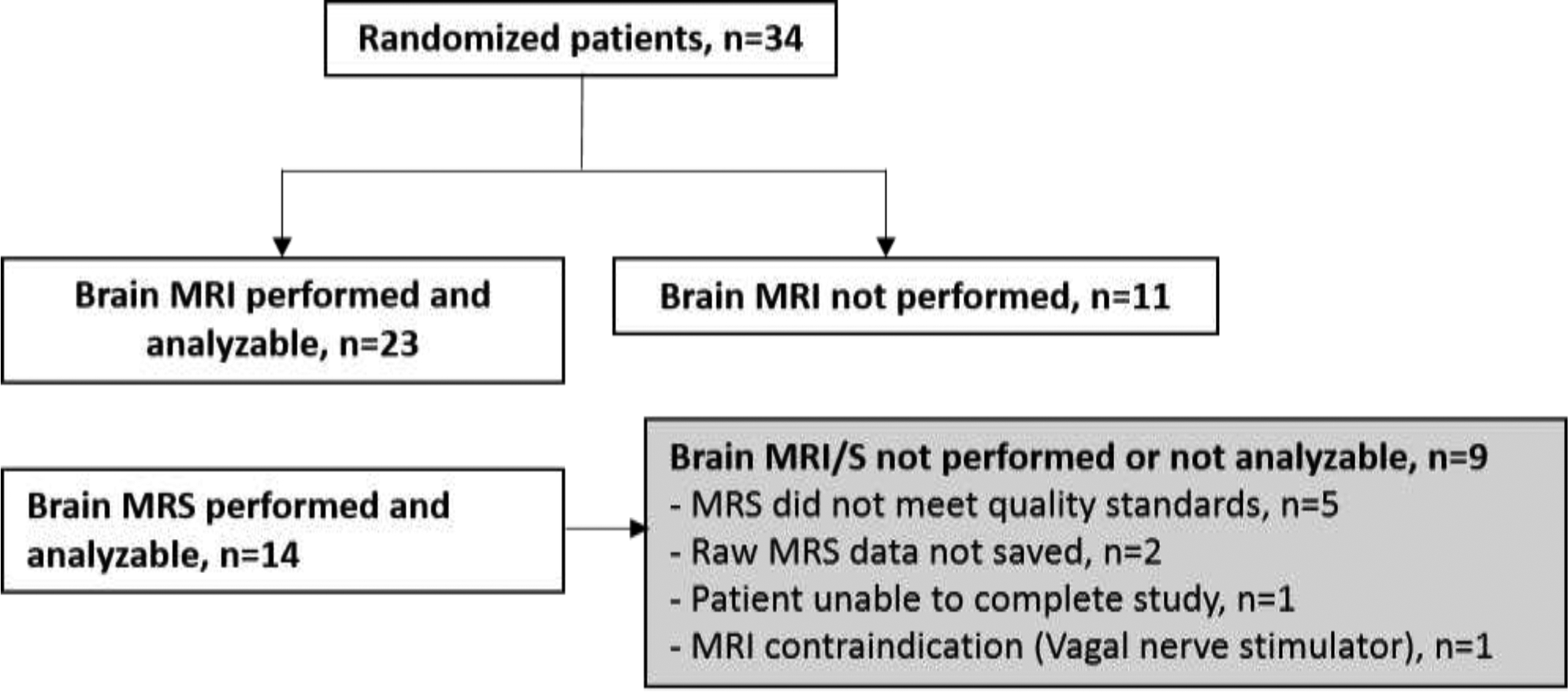
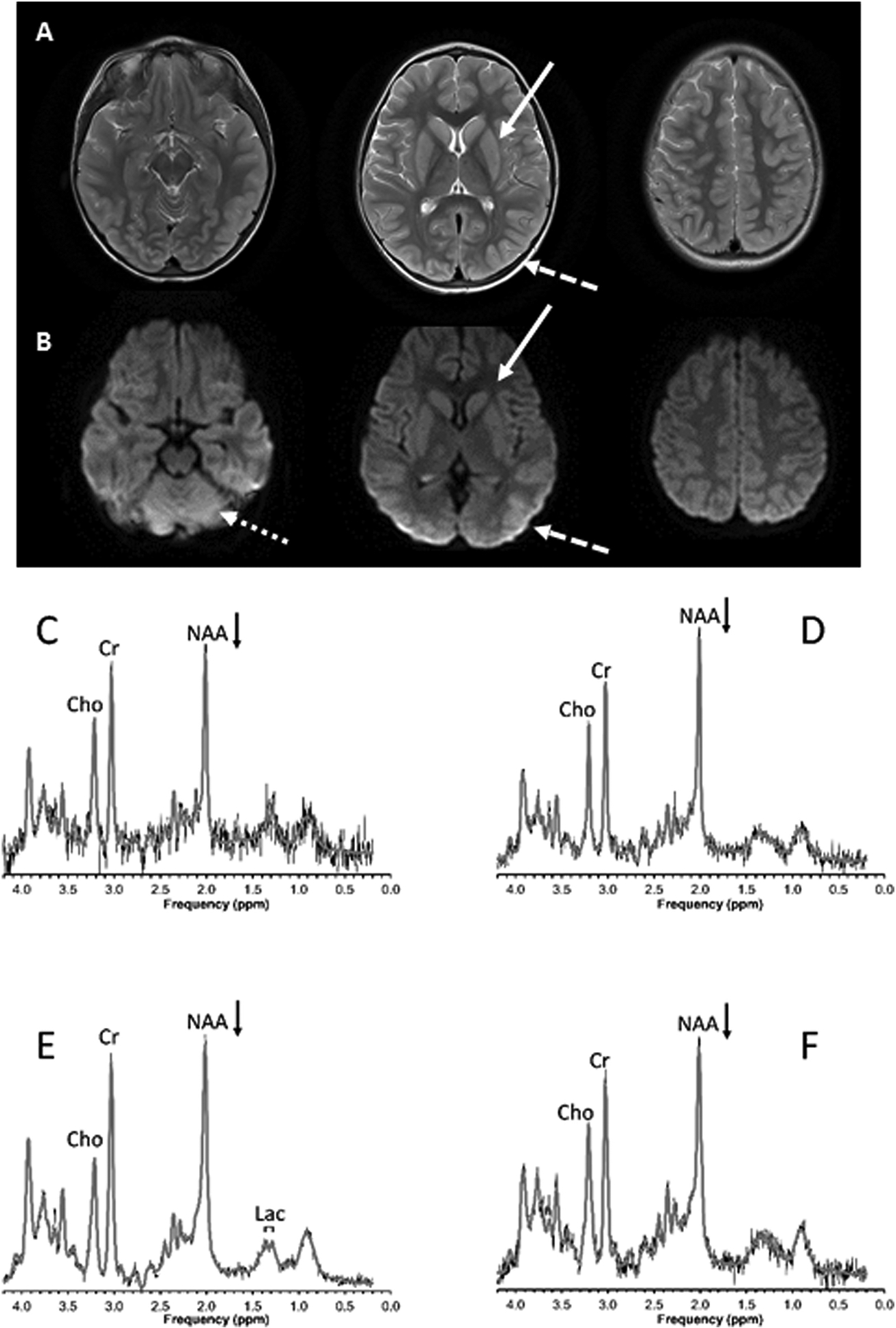
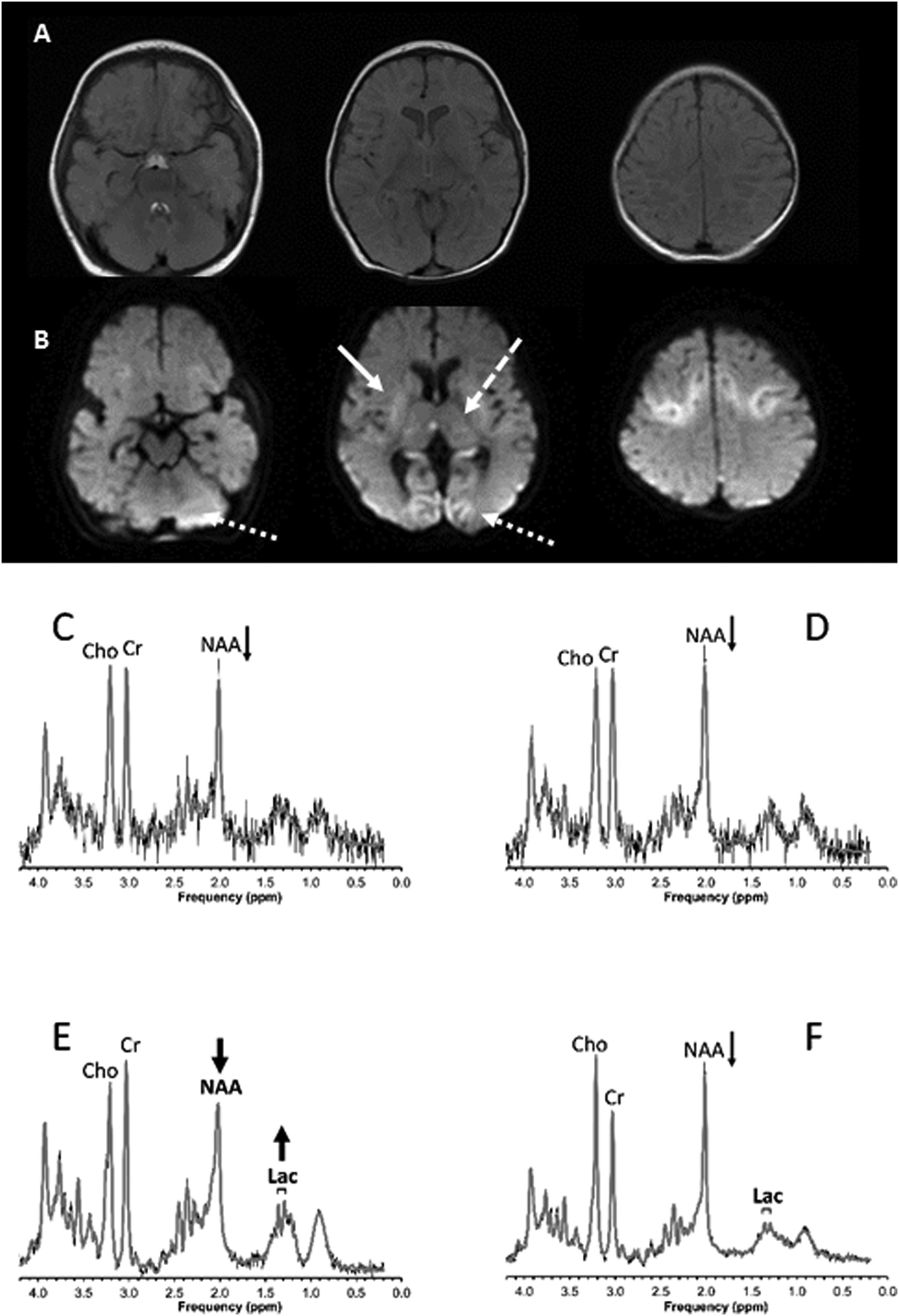
Results: 23 children with (median [interquartile range]) age of 1.5 (0.3-4.0) years. Ten (44%) had favorable outcome. There were more T2 brain lesions in the lentiform nuclei in children with unfavorable 12 (92%) vs. favorable 3 (33%) outcome, p = 0.007. Increased lactate and decreased NAA concentrations in the parietooccipital gray matter and decreased NAA in the parietal white matter were associated with unfavorable outcome (p's < 0.05). There were no differences for any biomarker by randomized group.
Conclusion: Regional cerebral and metabolic MRI/S biomarkers are predictive of neurological outcomes at hospital discharge in pediatric cardiac arrest and should undergo validation testing in a large sample.
Trial registration: ClinicalTrials.gov NCT00797680.
Keywords: Cardiac arrest; Magnetic resonance imaging; Magnetic resonance spectroscopy; Outcome; Pediatric; Prognostication.
Copyright © 2020 Elsevier B.V. All rights reserved.
Conflict of interest statement
Figures
Comment in
-
MRI/MRS for prognosis in pediatric cardiac arrest: Worth a deeper dive.Resuscitation. 2020 Dec;157:259-260. doi: 10.1016/j.resuscitation.2020.07.028. Epub 2020 Oct 17. Resuscitation. 2020. PMID: 33080370 No abstract available.
References
-
- Nolan JP, Neumar RW, Adrie C, et al. Post-cardiac arrest syndrome: epidemiology, pathophysiology, treatment, and prognostication: a scientific statement from the International Liaison Committee on Resuscitation; the American Heart Association Emergency Cardiovascular Care Committee; the Council on Cardiovascular Surgery and Anesthesia; the Council on Cardiopulmonary, Perioperative, and Critical Care; the Council on Clinical Cardiology; the Council on Stroke (Part II). Int Emerg Nurs. 2010;18(1):8–28. - PubMed
Publication types
MeSH terms
Associated data
Grants and funding
LinkOut - more resources
Full Text Sources
Medical
