


Integrated Metabolomic and Lipidomic Analysis Reveals the Neuroprotective Mechanisms of Bushen Tiansui Formula in an A β 1-42-Induced Rat Model of Alzheimer's Disease
- PMID: 32655770
- PMCID: PMC7322593
- DOI: 10.1155/2020/5243453
Integrated Metabolomic and Lipidomic Analysis Reveals the Neuroprotective Mechanisms of Bushen Tiansui Formula in an A β 1-42-Induced Rat Model of Alzheimer's Disease
Abstract
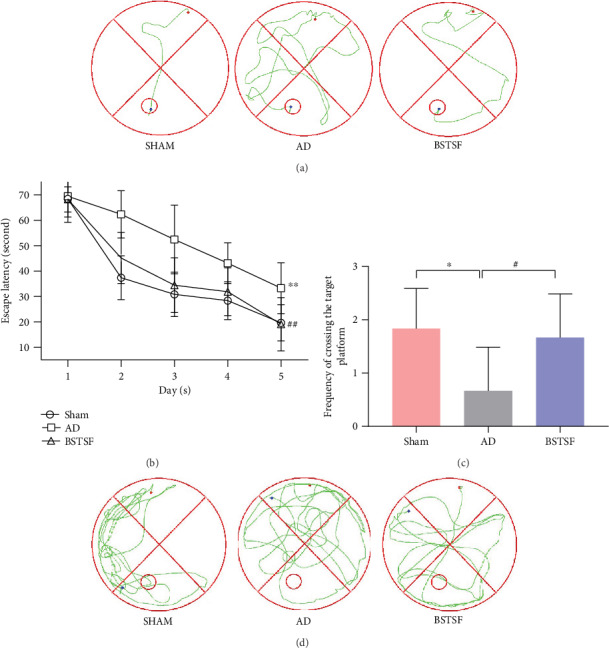
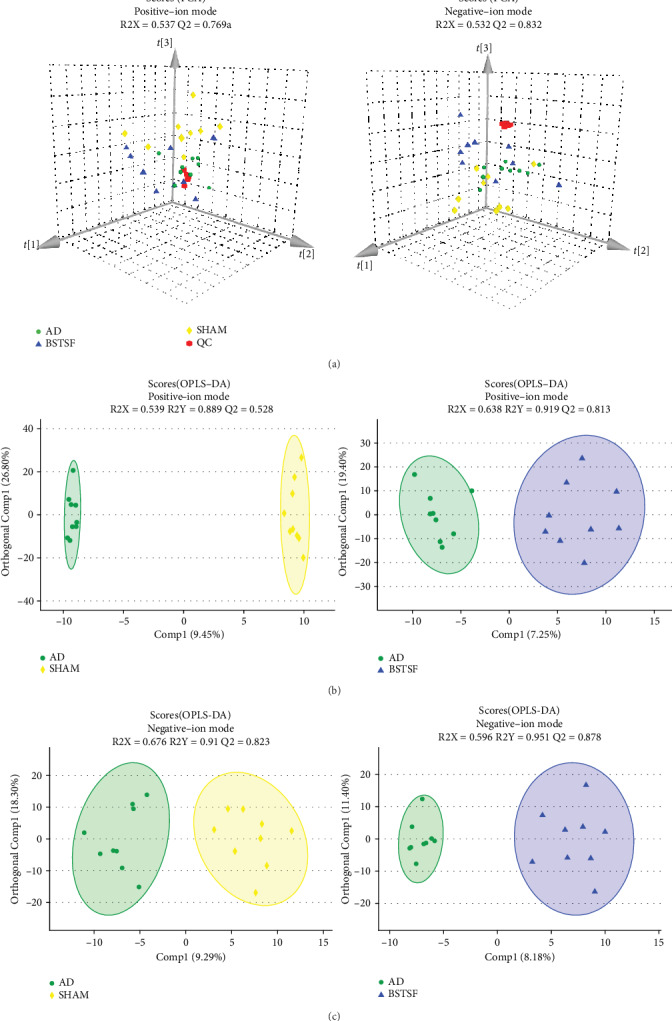
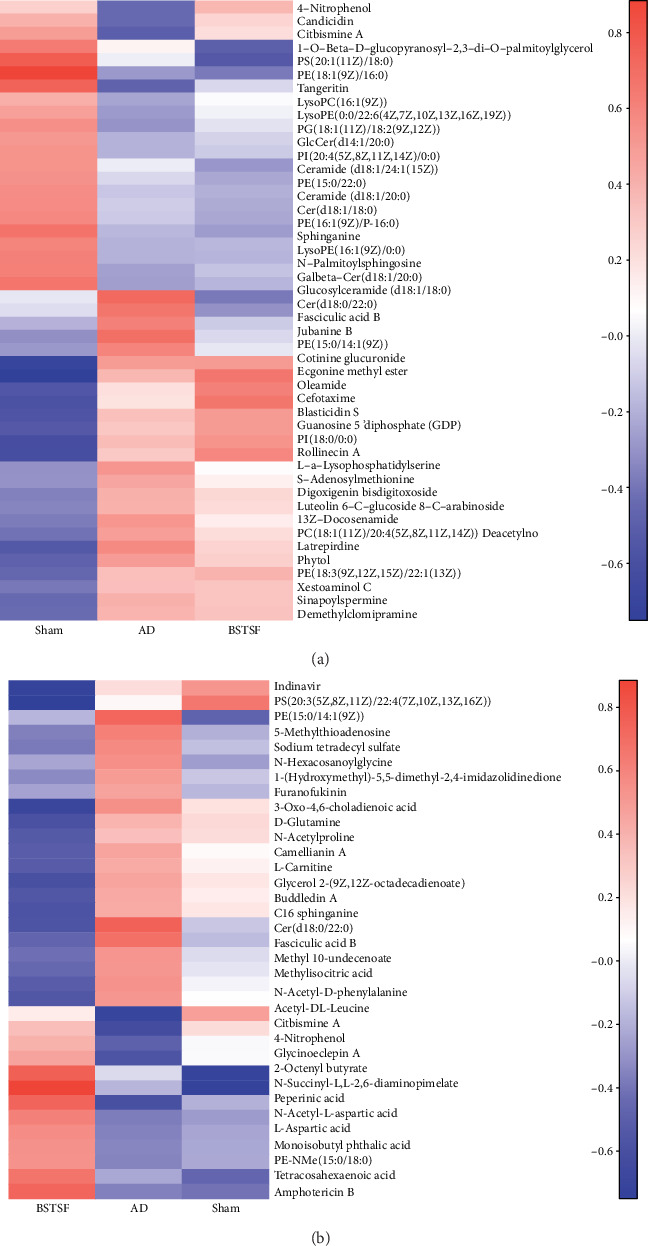
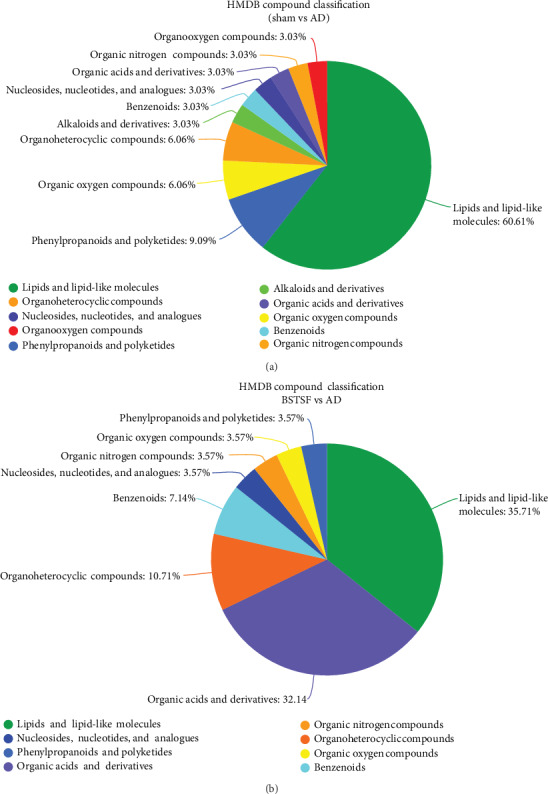
Bushen Tiansui Formula (BSTSF) is a traditional Chinese medicine prescription. It has been widely applied to treat Alzheimer's disease (AD) in the clinic; however, the mechanisms underlying its effects remain largely unknown. In this study, we used a rat AD model to study the effects of BSTSF on cognitive performance, and UPLC-MS/MS-based metabolomic and lipidomic analysis was further performed to identify significantly altered metabolites in the cerebral cortices of AD rats and determine the effects of BSTSF on the metabolomic and lipidomic profiles in the cerebral cortices of these animals. The results revealed that the levels of 47 metabolites and 30 lipids primarily associated with sphingolipid metabolism, glycerophospholipid metabolism, and linoleic acid metabolism were significantly changed in the cerebral cortices of AD rats. Among the altered lipids, ceramides, phosphatidylethanolamines, lysophosphatidylethanolamines, phosphatidylcholines, lysophosphatidylcholines, phosphatidylserines, sphingomyelins, and phosphatidylglycerols showed robust changes. Moreover, 34 differential endogenous metabolites and 21 lipids, of which the levels were mostly improved in the BSTSF treatment group, were identified as potential therapeutic targets of BSTSF against AD. Our results suggest that lipid metabolism is highly dysregulated in the cerebral cortices of AD rats, and BSTSF may exert its neuroprotective mechanisms by restoring metabolic balance, including that of sphingolipid metabolism, glycerophospholipid metabolism, alanine, aspartate, and glutamate metabolism, and D-glutamine and D-glutamate metabolism. Our data may lead to a deeper understanding of the AD-associated metabolic profile and shed new light on the mechanism underlying the therapeutic effects of BSTSF.
Copyright © 2020 Min Yi et al.
Conflict of interest statement
The authors declare that there are no other nonfinancial competing interests.
Figures
References
-
- Nichols E., Szoeke C. E. I., Vollset S. E., et al. Global, regional, and national burden of Alzheimer's disease and other dementias, 1990–2016: a systematic analysis for the Global Burden of Disease Study 2016. The Lancet Neurology. 2019;18(1):88–106. doi: 10.1016/S1474-4422(18)30403-4. - DOI - PMC - PubMed
-
- Hou Z., Li F., Chen J., et al. Beneficial Effects of Sagacious Confucius’ Pillow Elixir on Cognitive Function in Senescence-Accelerated P8 Mice (SAMP8) via the NLRP3/Caspase-1 Pathway. Evidence-based Complementary and Alternative Medicine. 2019;2019:13. doi: 10.1155/2019/3097923.3097923 - DOI - PMC - PubMed
MeSH terms
Substances
LinkOut - more resources
Full Text Sources
Medical
