


The effects of green coffee extract supplementation on glycemic indices and lipid profile in adults: a systematic review and dose-response meta-analysis of clinical trials
- PMID: 32665012
- PMCID: PMC7362645
- DOI: 10.1186/s12937-020-00587-z
The effects of green coffee extract supplementation on glycemic indices and lipid profile in adults: a systematic review and dose-response meta-analysis of clinical trials
Abstract
Background: The role of coffee consumption in the risk of cardiovascular diseases has been debated for many years. The current study aimed to summarize earlier evidence on the effects of green coffee extract (GCE) supplementation on glycemic indices and lipid profile.
Methods: We searched available online databases for relevant clinical trials published up to October 2019. All clinical trials investigating the effect of GCE supplementation, compared with a control group, on fasting blood glucose (FBG), serum insulin, total cholesterol (TC), triglyceride (TG), low-density lipoprotein (LDL), and high-density lipoprotein (HDL) were included. Overall, 14 clinical trials with a total sample size of 766 participants were included in the current meta-analysis.
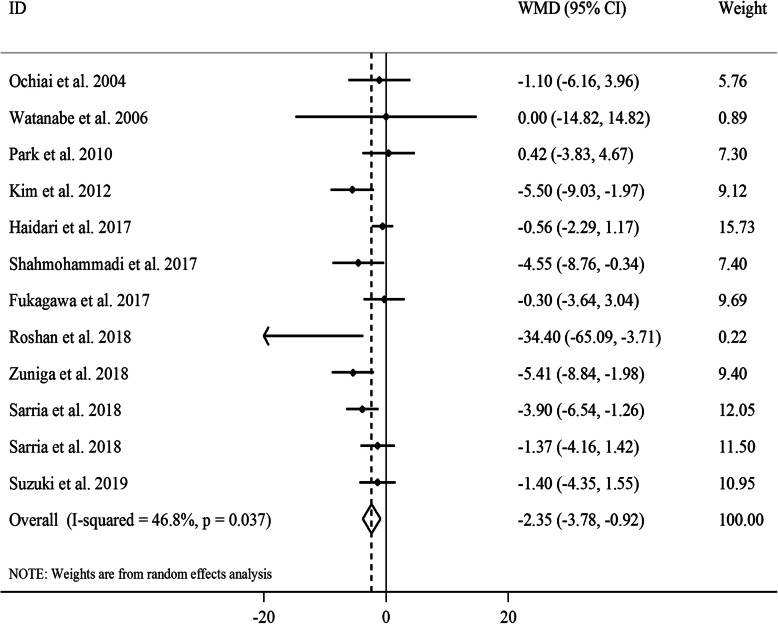
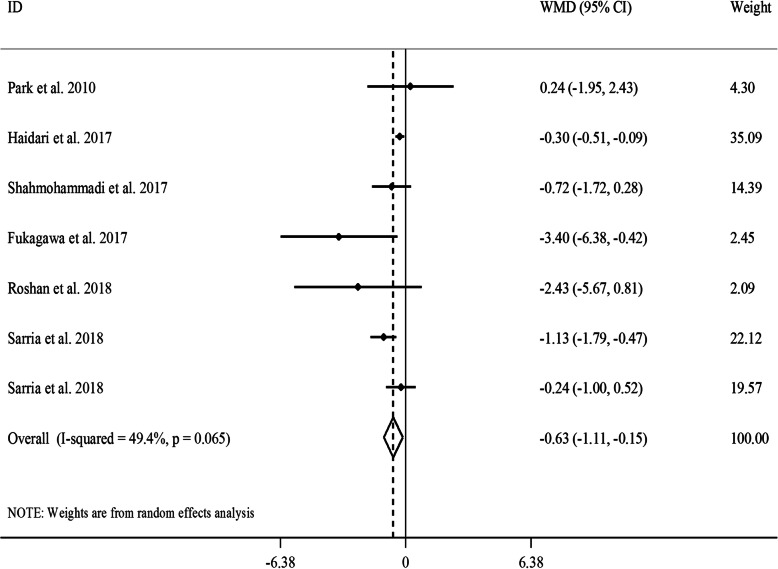
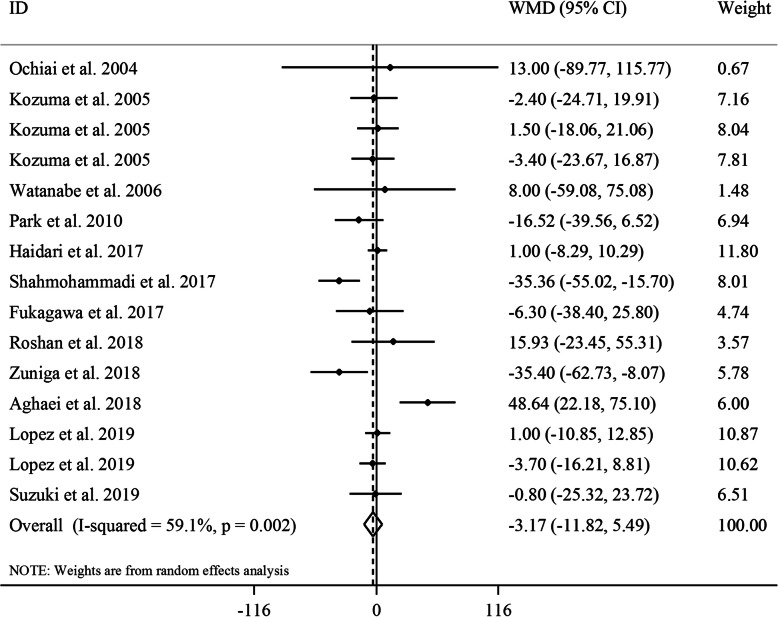
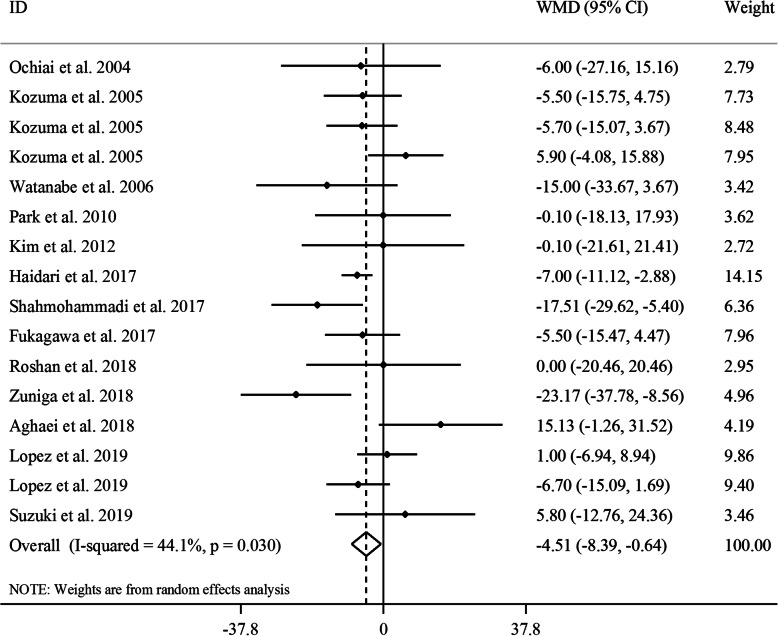
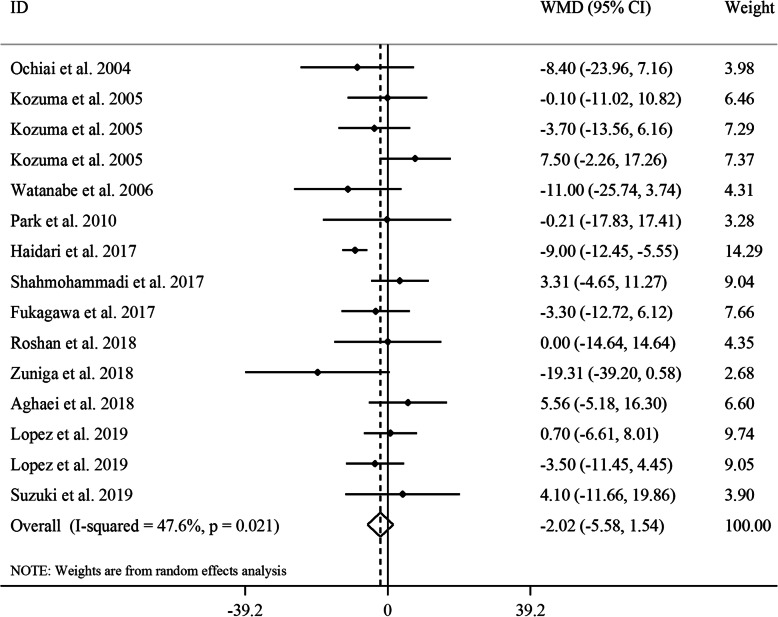
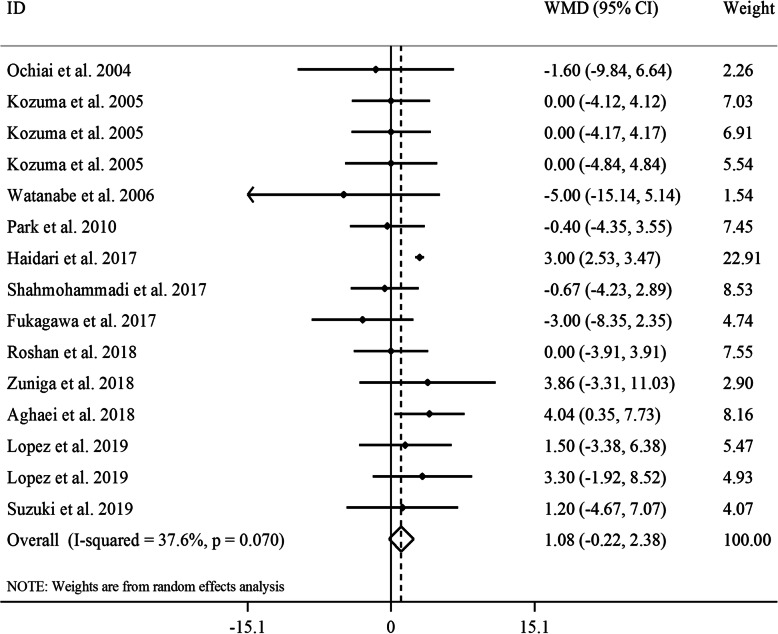
Results: We found a significant reducing effect of GCE supplementation on FBG (weighted mean difference (WMD): -2.35, 95% CI: - 3.78, - 0.92 mg/dL, P = 0.001) and serum insulin (WMD: -0.63, 95% CI: - 1.11, - 0.15 μU/L, P = 0.01). With regard to lipid profile, we observed a significant reduction only in serum levels of TC following GCE supplementation in the overall meta-analysis (WMD: -4.51, 95% CI: - 8.39, - 0.64, P = 0.02). However, subgroup analysis showed a significant reduction in serum TG in studies enrolled both genders. Also, such a significant reduction was seen in serum levels of LDL and HDL when the analyses confined to studies with intervention duration of ≥8 weeks and those included female subjects. In the non-linear dose-response analyses, we found that the effects of chlorogenic acid (CGA) dosage, the main polyphenol in GCE, on FBG, TG and HDL were in the non-linear fashions.
Conclusion: In conclusion, we found that GCE supplementation improved FBG and serum levels of insulin and TC. Also, there was a significant improvement in other markers of lipid profile in some subgroups of clinical trials.
Keywords: Chlorogenic acid; Glycemic indices; Green coffee; Lipid profile.
Conflict of interest statement
The authors declare that they have no competing interests.
Figures
References
-
- Leong DP, Joseph PG, McKee M, Anand SS, Teo KK, Schwalm JD, et al. Reducing the global burden of cardiovascular disease, part 2: prevention and treatment of cardiovascular disease. Circ Res. 2017;121:695–710. - PubMed
-
- Pol T, Held C, Westerbergh J, Lindback J, Alexander JH, Alings M, et al. Dyslipidemia and risk of cardiovascular events in patients with atrial fibrillation treated with Oral anticoagulation therapy: insights from the ARISTOTLE (Apixaban for reduction in stroke and other thromboembolic events in atrial fibrillation) trial. J Am Heart Assoc. 2018;7. - PMC - PubMed
-
- Abdul-Ghani M, DeFronzo RA, Jayyousi A. Prediabetes and risk of diabetes and associated complications: impaired fasting glucose versus impaired glucose tolerance: does it matter? Curr Opin Clin Nutr Metab Care. 2016;19:394–399. - PubMed
-
- Katan MB, Grundy SM, Jones P, Law M, Miettinen T, Paoletti R. Efficacy and safety of plant stanols and sterols in the management of blood cholesterol levels. Mayo Clin Proc. 2003;78:965–978. - PubMed
-
- Anderson JW, Konz EC. Obesity and disease management: effects of weight loss on comorbid conditions. Obes Res. 2001;9(Suppl 4):326s–334s. - PubMed
Publication types
MeSH terms
Substances
LinkOut - more resources
Full Text Sources
Research Materials
Miscellaneous
