


Physiological responses to submaximal exercise at the mid-follicular, ovulatory and mid-luteal phases of the menstrual cycle
- PMID: 32665749
- PMCID: PMC7359490
- DOI: 10.1111/j.1600-0838.1991.tb00277.x
Physiological responses to submaximal exercise at the mid-follicular, ovulatory and mid-luteal phases of the menstrual cycle
Abstract
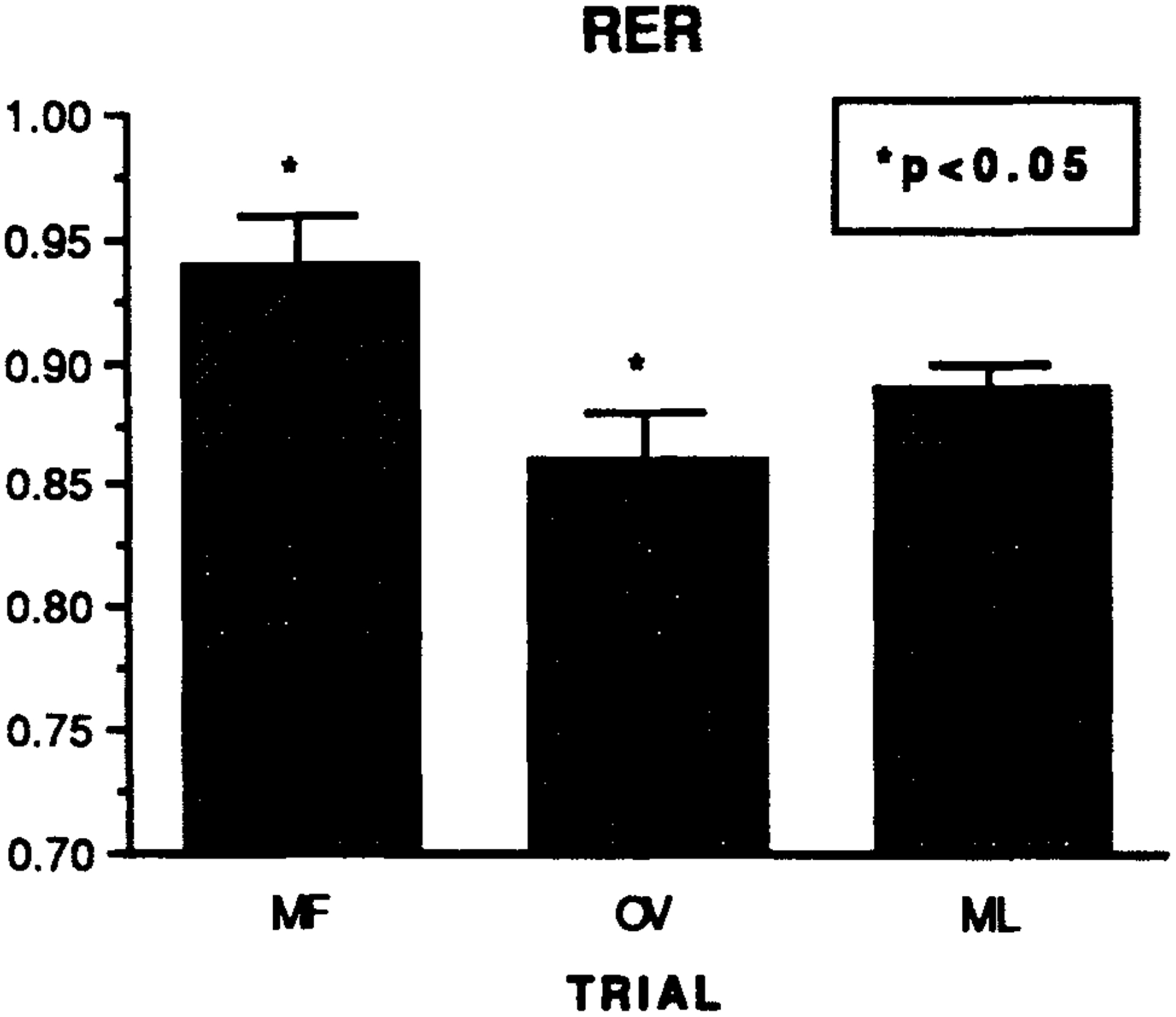
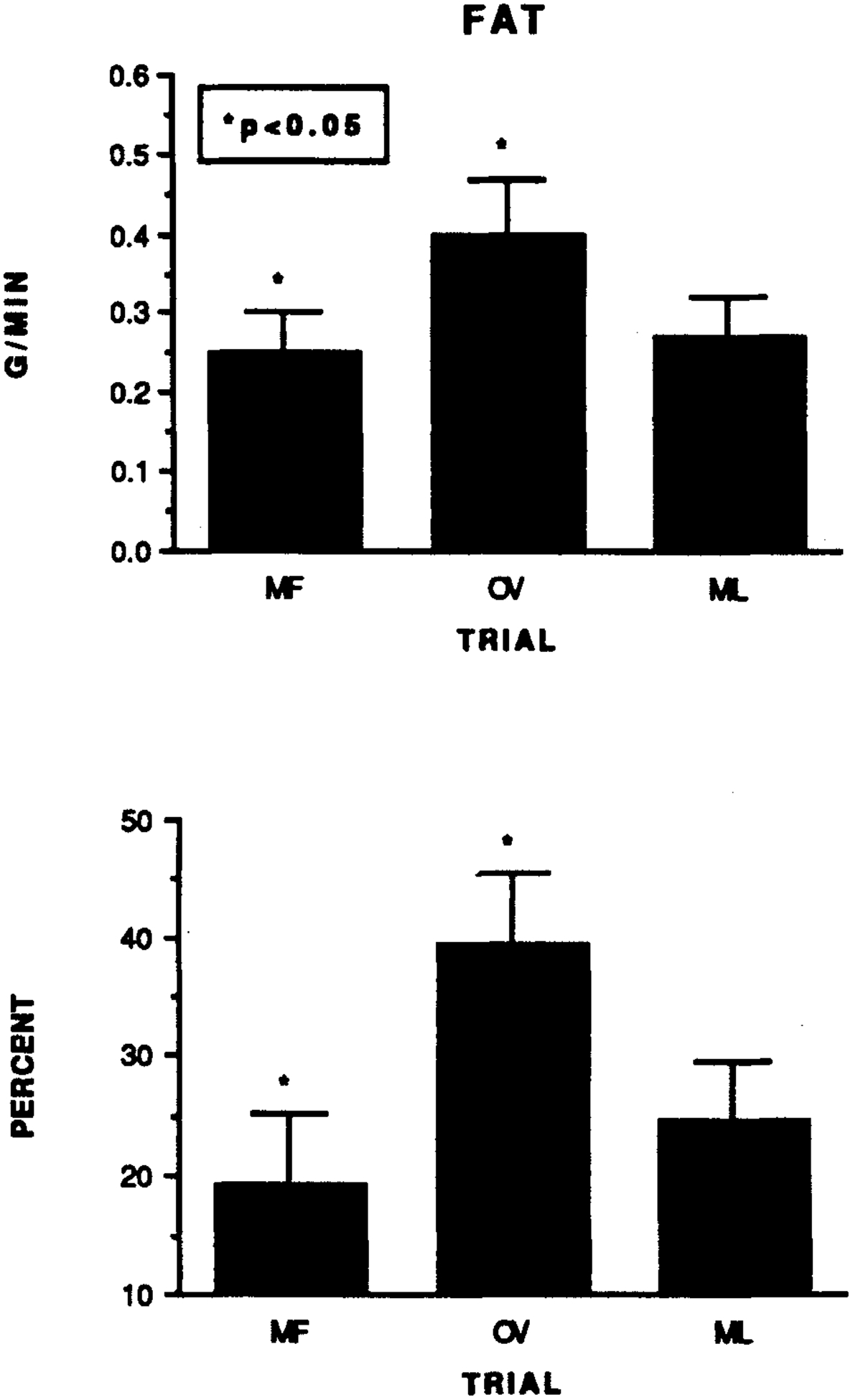
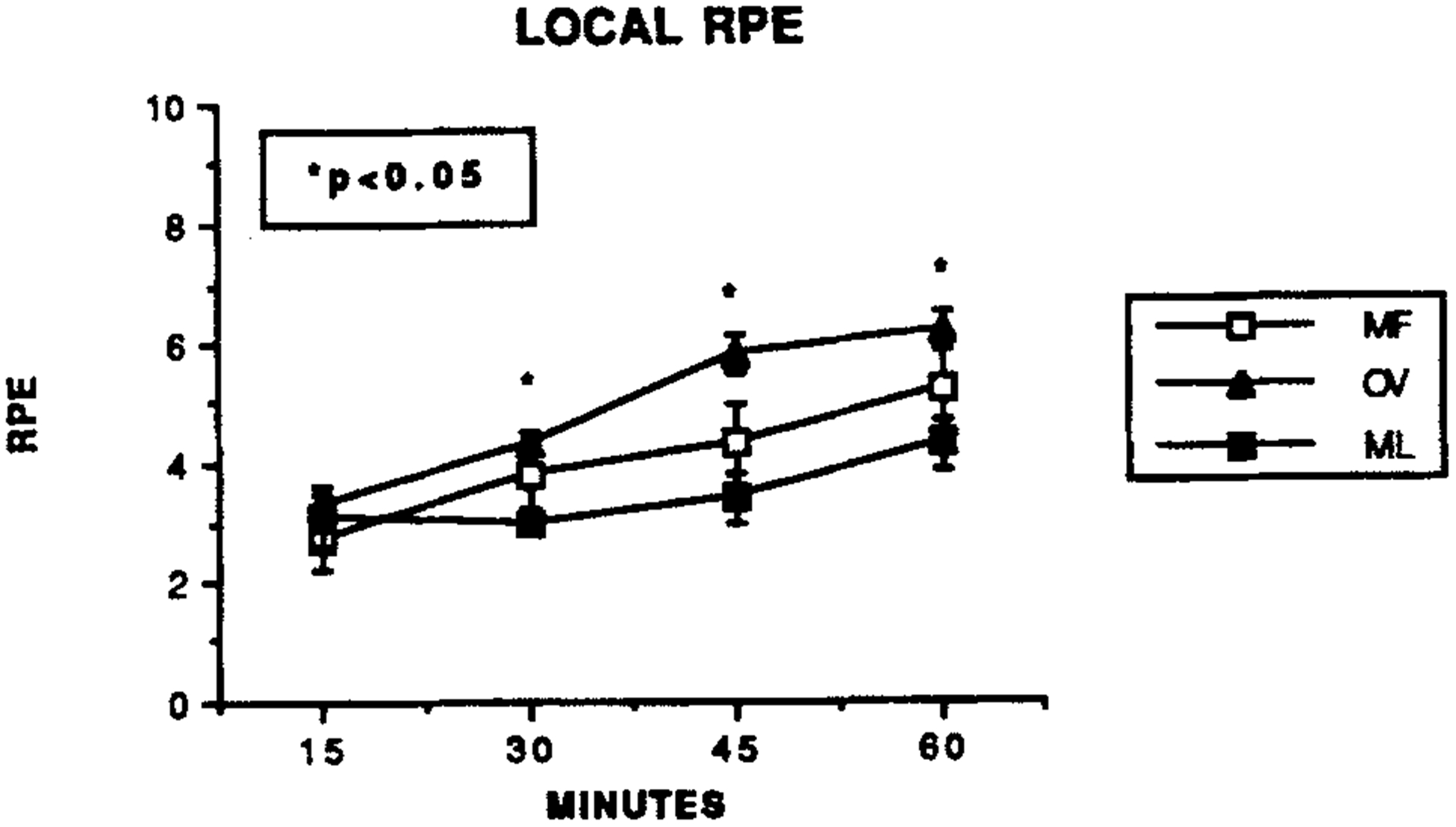
This study examined the responses of eumenorrheic women to 60 min of submaximal exercise at the mid-follicular (MF), ovulatory (OV) and mid-luteal (ML) phases of the menstrual cycle. Blood metabolite-hormonal measures, cardiorespiratory responses and ratings of perceived exertion (RPE) (local, legs only; and total, entire body) were monitored at 15-min intervals throughout exercise. No significant effects for phase were observed in the blood measures or the cardiorespiratory responses, except for the respiratory exchange ratio (RER). The overall exercise OV RER (0.86 ± 0.02; mean ± SEM) was lower than at MF (0.94 ± 0.02) but not at ML (0.89 ± 0.01). Substrate utilization (%) and oxidation (g/min) calculations indicated that more fat was used during OV than at MF but not ML. Conversely, more carbohydrate was used during MF than OV. Additionally, local RPE was higher in OV than in the MF or ML trials at 30-60 min of exercise. These findings suggest that menstrual cycle hormonal fluctuations influence metabolic substrate usage and effort perception during submaximal exercise in eumenorrheic women.
Keywords: eumenorrhea; females; hormones; metabolism.
Figures
References
-
- Bonen A, Ling WV, MacIntyre KP, Neil R, McGrail JC, Belcastro AN. Effects of exercise on the serum concentrations of FSH, LH, progesterone, and estradiol. Eur J Appl Physiol 1979: 42: 15–23. - PubMed
-
- Hackney AC, Pearman SN, Nowacki JM. Physiological profiles of overtrained and stale athletes: a review. J Appl Sport Psychol 1990: 2: 21–33.
-
- Jurkowski JE, Jones NL, Walker C, Younglai EV, Sutton JR. Ovarian hormonal responses to exercise. J Appl Physiol 1978: 44: 109–14. - PubMed
-
- Nicklas BJ, Hackney AC, Sharp RL. The menstrual cycle and exercise: performance, muscle glycogen, and substrate responses. Int J Sports Med 1989. 29 264–9. - PubMed
-
- Matute ML, Kalkhoff EK. Sex steroid influence on hepatic gluconeogenesis and glycogen formation. Endocrinology 1973: 92: 762–8. - PubMed
Grants and funding
LinkOut - more resources
Full Text Sources