. 2020 Jul 15;15(7):e0235492.
doi: 10.1371/journal.pone.0235492. eCollection 2020.

A "plan bee" for cities: Pollinator diversity and plant-pollinator interactions in urban green spaces

Affiliations

A "plan bee" for cities: Pollinator diversity and plant-pollinator interactions in urban green spaces

Benjamin Daniels et al. PLoS One. .

Abstract

Green infrastructure in cities is considered to serve as a refuge for insect pollinators, especially in the light of an ongoing global decline of insects in agricultural landscapes. The design and maintenance of urban green spaces as key components of green infrastructure play a crucial role in case of nesting opportunities and for foraging insects. However, only few research has explored the impact of urban green space design on flower visitor communities, plant-pollinator interaction and the provision of the ecosystem service of pollination in cities. We investigated the abundance and diversity of pollinator communities in different urban park types in designed, standardized vegetation units, linked the visitation rates to the structural composition of the park types and derived indices for implemented pollination performances. The study was performed in two different structural park elements, flower beds and insect-pollinating trees. To gain a comprehensive understanding of the interaction between plants and pollinators, we calculated a plant-pollinator network of the recorded community in the investigation area. Visitation rates at different park types clearly showed, that the urban community gardens in comparison to other urban park types had a significantly higher abundance of pollinator groups, comparable to results found on a rural reference site. Tilia trees contributed significantly to the ecosystem service of pollination in investigated green spaces with a high supply of nectar and pollen during their flowering period. Calculations of pollination performances showed that recreational parks had comparably low visitation rates of pollinators and a high potential to improve conditions for the ecosystem service of pollination. The results indicated the strong potential of cities to provide a habitat for different groups of pollinators. In order to access this refuge, it is necessary to rely on near-natural concepts in design and maintenance, to create a wide range of flower diversity and to use even small green patches. Based on the findings, we encourage an integrated management of urban free spaces to consider parks as key habitats for pollinators in anthropogenic dominated, urban environments.


Conflict of interest statement

The authors have declared that no competing interests exist.

Figures
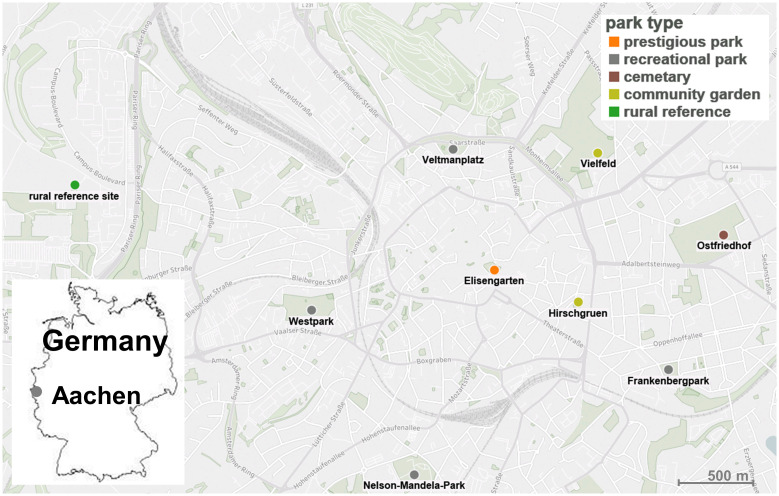
Fig 1
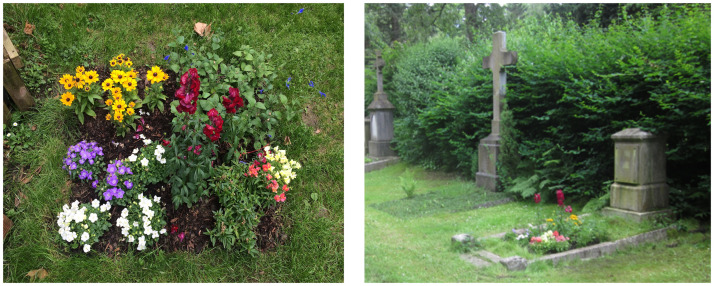
Fig 1. Investigation sites and park types located in the city of Aachen, Germany.
Fig 2
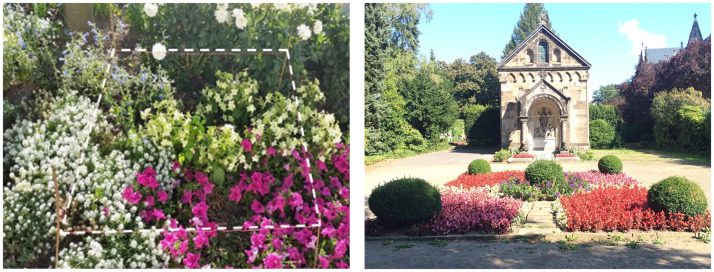
Fig 2. Arrangement of standardized plants in the designed study bed (left) and example of an investigated study bed (site: Cemetery Ostfriedhof).
Fig 3
Fig 3. Defined investigation area within a public bed with marked surveyed area of one square meter (left, site: Representative park Elisengarten) and example of a surrounding area (right, site: Cemetery Ostfriedhof).
Fig 4
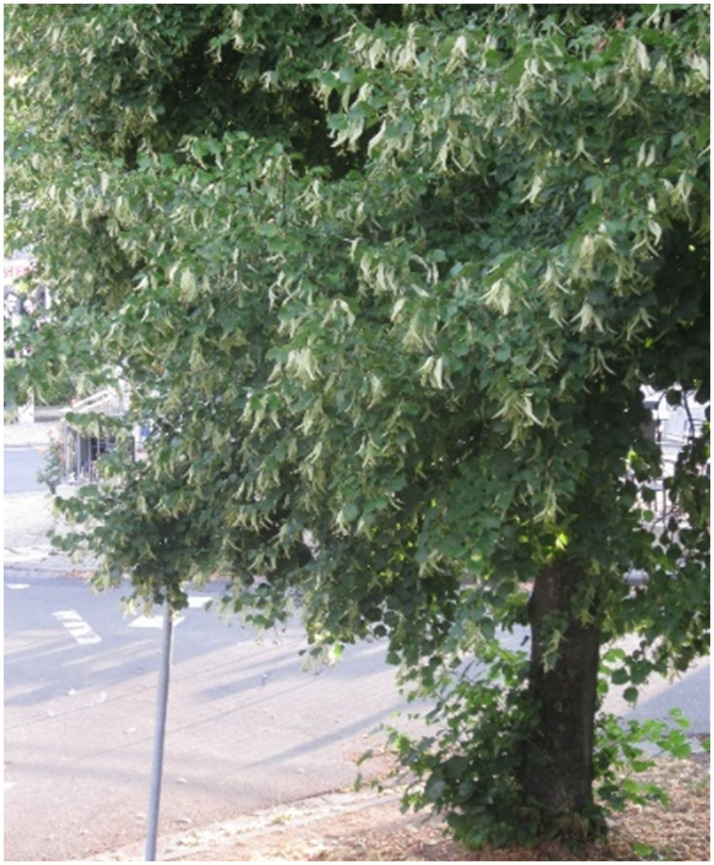
Fig 4. Branches of a flowering Tilia tree in the city of Aachen, July 2016.
Fig 5
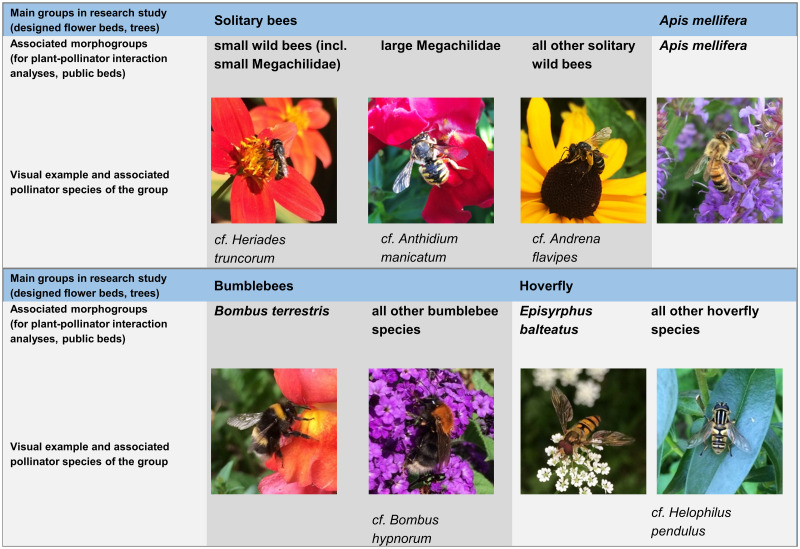
Fig 5. Representatives of differentiated pollinator groups.
Fig 6
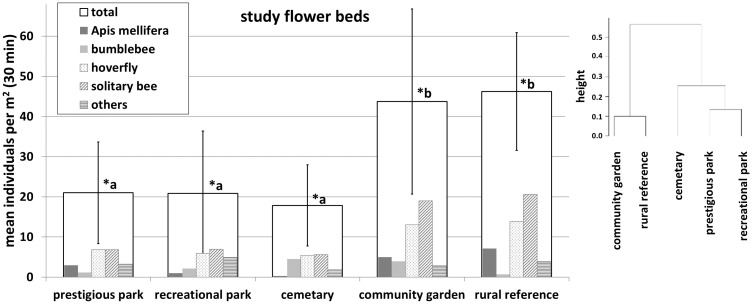
Fig 6. Mean number of recorded flower bed visitations for every green space type.
From white to black bars: Total visitations, Apis mellifera, bumblebees, hoverflies, solitary bees and others. Bars with the same letter show no significant differences (p> 0.05), different letters indicate a significant difference (p< 0.05). In addition, an agglomerative cluster analysis was performed with untransformed visitation means (right figure).
Fig 7
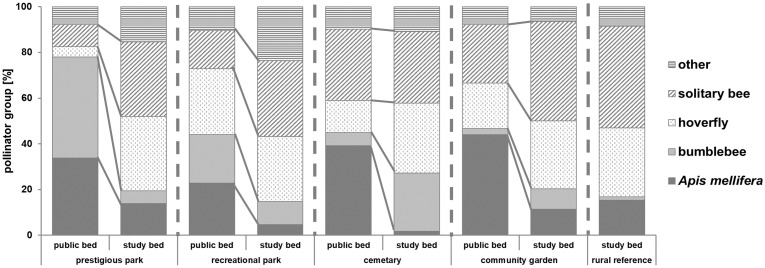
Fig 7. Percentage distribution of recorded individuals per pollinator groups in public beds and designed study beds for every type of green space.
From black to grey bars: Apis mellifera, bumblebees, hoverflies, solitary bees and others.
Fig 8
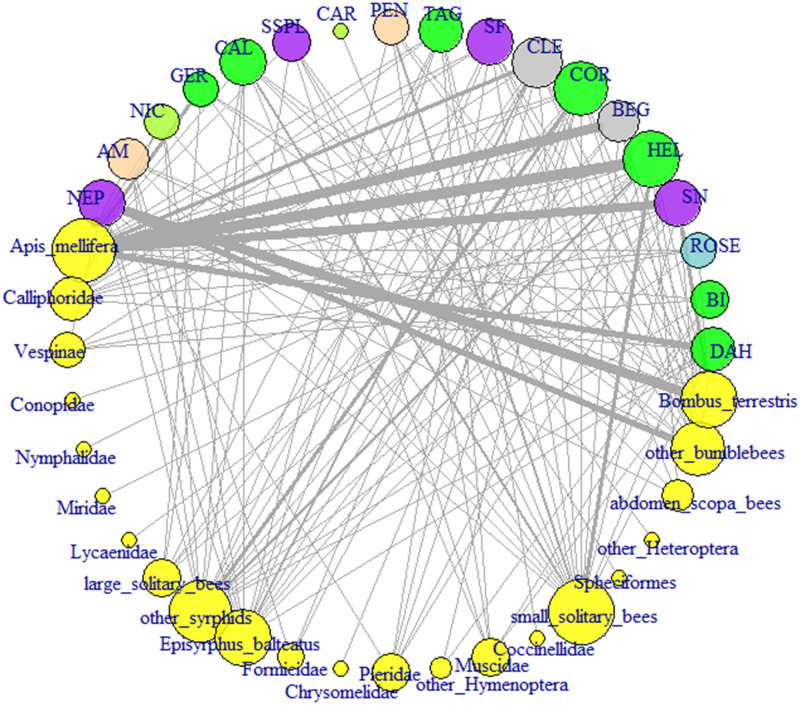
Fig 8. Plant-pollinator network of recorded plant visitations by pollinator groups.
The color of plant vertices indicates the respective pollinating syndrome classification of the plants. Abbreviation of plants (pollen syndrome): COR: Coreopsis lanceolata (generalist); PEN: Penstemon x gloxinioides (bumblebee); AM: Antirrhinum majus (bumblebee); CAR: Dianthus chinensis (butterfly); CLE: Tarenaya hassleriana (n.d.); SF: Salvia farinacea (Hymenoptera); SSPL: Salvia splendens (Hymenoptera); DAH: Dahlia hortensis (generalist); CAL: Calendula officinalis (generalist); TAG: Tagetes tenuifolia (generalist); BI: Bidens ferulifolia (generalist); NEP: Nepeta x faassenii (Hymenoptera); ROSE: Rosa x centifolia (pollen); SN: Salvia nemorosa (Hymenoptera); GER: Geranium x magnificum (generalist); NIC: Nicotiana x sanderae (butterfly); HEL: Heliotropium arborescens (generalist); BEG: Begonia semperflorens (n.d.).
Fig 9
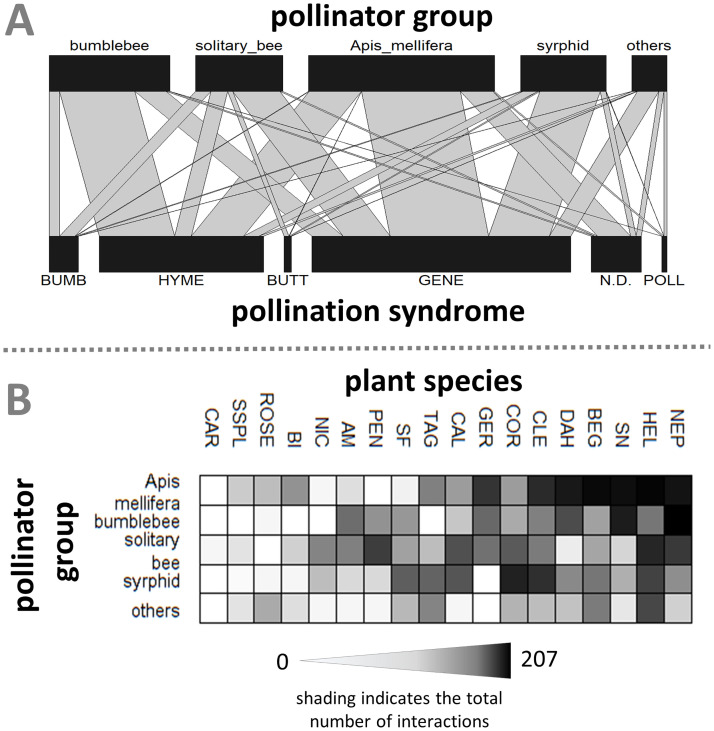
Fig 9. (A) Diagonal community interaction matrix (all plant species and grouped pollinators) and (B) the bipartite graph with aggregated pollinator groups and plants categorized according to their pollination syndrome.
The shading of matrix entries indicates the number of observations. Abbreviation of plants (pollen syndrome): COR: Coreopsis lanceolata (generalist); PEN: Penstemon x gloxinioides (bumblebee); AM: Antirrhinum majus (bumblebee); CAR: Dianthus chinensis (butterfly); CLE: Tarenaya hassleriana (n.d.); SF: Salvia farinacea (hymenoptera); SSPL: Salvia splendens (hymenoptera); DAH: Dahlia hortensis (generalist); CAL: Calendula officinalis (generalist); TAG: Tagetes tenuifolia (generalist); BI: Bidens ferulifolia (generalist); NEP: Nepeta x faassenii (hymenoptera); ROSE: Rosa x centifolia (pollen); SN: Salvia nemorosa (hymenoptera); GER: Geranium x magnificum (generalist); NIC: Nicotiana x sanderae (butterfly); HEL: Heliotropium arborescens (generalist); BEG: Begonia semperflorens (n.d.); Abbreviation of plant pollinating syndrome: BUMB: bumblebee; HYME: hymenoptera; BUTT: butterfly; GENE: generalist; n.d.: not detectable; poll: pollen.
Fig 10
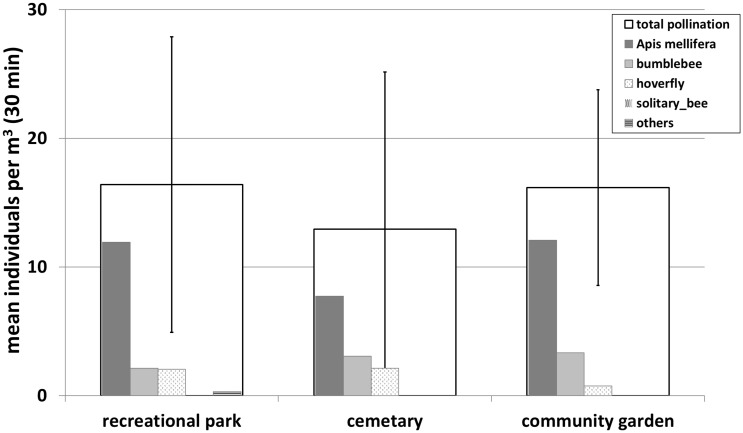
Fig 10. Mean number of recorded flower visitations in green volume of 1 m3 for Tilia trees (Tilia spp.).
From white to black bars: Total visitations, Apis mellifera, bumblebees, hoverflies, solitary bees and others.
Fig 11
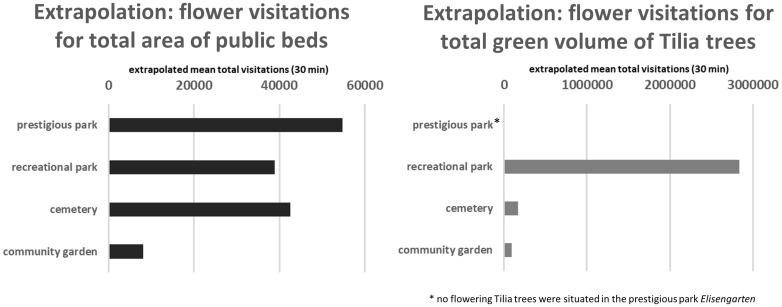
Fig 11. Extrapolation of mean total flower visitation rates for all public flower beds (left) and all insect-pollinated flowering Tilia trees (right) in the investigated park types of the city of Aachen, Germany.
Fig 12
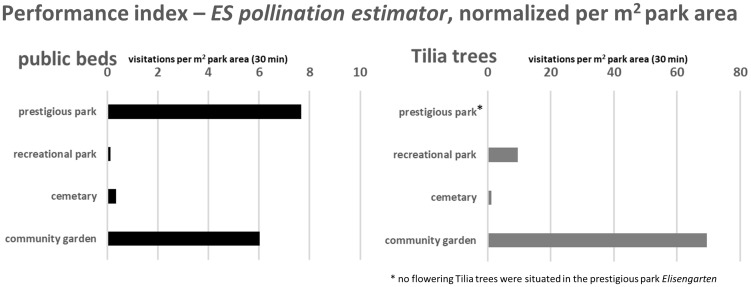
Fig 12. Calculation of the performance index (ES pollination estimator) for the supplied ecosystem service of pollination per m2 park area.
The figures left (for public beds) and right (for Tilia trees) show an estimation of the park performance, expressed as mean total insect visitations per m2 park area.

References

    1. Ollerton J, Winfree R, Tarrant S. How many flowering plants are pollinated by animals? Oikos. 2011;120(3):321–6.
    1. Soliveres S, van der Plas F, Manning P, Prati D, Gossner MM, Renner SC, et al. Biodiversity at multiple trophic levels is needed for ecosystem multifunctionality. Nature. 2016;536(7617):456–9. 10.1038/nature19092 - DOI - PubMed
    1. Noriega JA, Hortal J, Azcárate FM, Berg MP, Bonada N, Briones MJI, et al. Research trends in ecosystem services provided by insects. Basic Appl Ecol. 2018;26:8–23.
    1. Jansson A, Polasky S. Quantifying Biodiversity for Building Resilience for Food Security in Urban Landscapes: Getting Down to Business. Ecol Soc. 2010;15(3).
    1. Garibaldi LA, Steffan-Dewenter I, Kremen C, Morales JM, Bommarco R, Cunningham SA, et al. Stability of pollination services decreases with isolation from natural areas despite honey bee visits. Ecol Lett. 2011;14(10):1062–72. 10.1111/j.1461-0248.2011.01669.x - DOI - PubMed

Publication types