


Transurethral needle electrode resection and transurethral holmium laser resection of bladder cancer
- PMID: 32669107
- PMCID: PMC7364503
- DOI: 10.1186/s12957-020-01943-3
Transurethral needle electrode resection and transurethral holmium laser resection of bladder cancer
Abstract
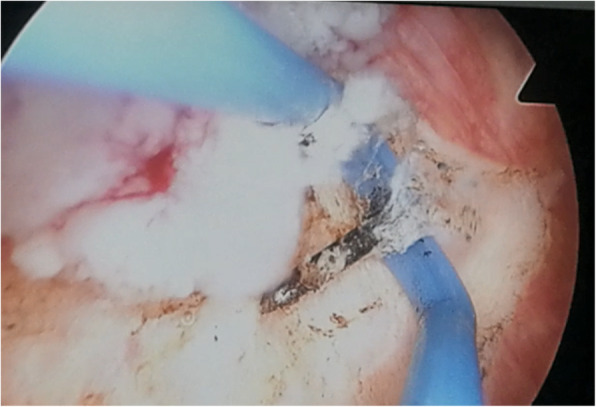
Purpose: The aim of the present study was to explore the efficacy and safety of transurethral needle electrode resection and transurethral holmium laser resection of non-muscular invasive bladder cancer (NMIBC).
Patients and methods: In this prospective, case-control study, patients from the Urinary Surgery or Oncology Department who met the inclusion and exclusion criteria received transurethral needle electrode resection (n = 52) or transurethral holmium laser resection (n = 51).
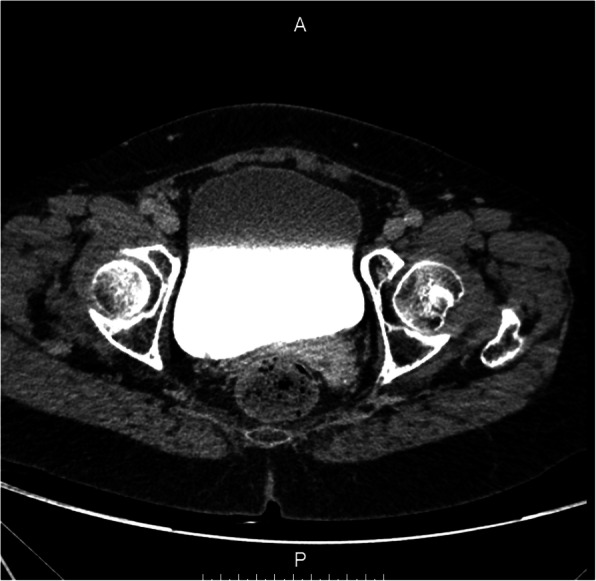
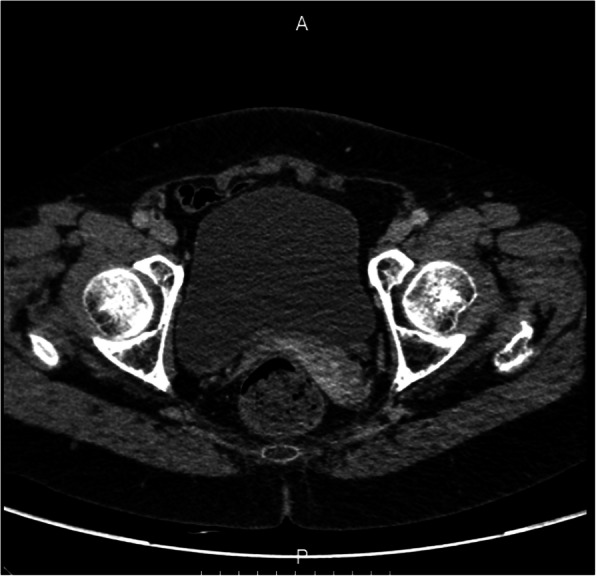
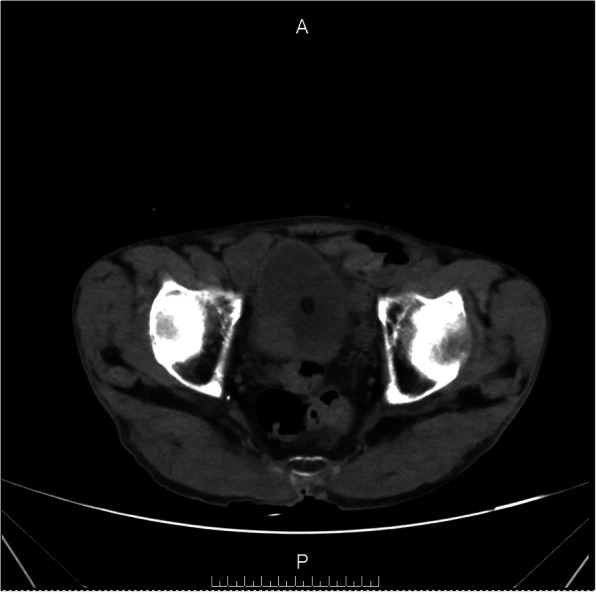
Results: A total of 103 patients with NMIBC were included in the present study, with 68 males and 35 females. Their mean age was 57.3 years. Sixty-two patients had Ta, 15 patients had T1, and 26 patients had Tis. Operative time, intraoperative blood loss, postoperative gross hematuria time, bladder irrigation time, and postoperative hospitalization time were all significantly lower in the transurethral holmium laser resection group than the transurethral needle electrode resection group. After resection, transurethral holmium laser resection significantly decreased the value of HGF, TSH, and TNF-α versus the transurethral needle electrode resection group. The incidence of obturator reflex was significantly lower in the transurethral holmium laser resection group than the transurethral needle electrode resection group. There was no significant difference in disease-free survival rate and progression-free survival rate between the two groups.
Conclusions: Transurethral holmium laser resection has clinical advantages in the treatment of NMIBC.
Keywords: Non-muscular invasive bladder cancer; Transurethral holmium laser resection; Transurethral needle electrode resection.
Conflict of interest statement
The authors declare that they have no competing interests.
Figures



References
-
- Antoni S, Ferlay J, Soerjomataram I, Znaor A, Jemal A, Bray F. Bladder cancer incidence and mortality: a global overview and recent trends. Eur Urol. 2017;71(1):96–108. - PubMed
-
- Chavan S, Bray F, Lortet-Tieulent J, Goodman M, Jemal A. International variations in bladder cancer incidence and mortality. Eur Urol. 2014;66(1):59–73. - PubMed
-
- Dy GW, Gore JL, Forouzanfar MH, Naghavi M, Fitzmaurice C. Global burden of urologic cancers, 1990-2013. Eur Urol. 2017;71(3):437–446. - PubMed
-
- Aron M. Variant histology in bladder cancer-current understanding of pathologic subtypes. Current urology reports. 2019;20(12):80. - PubMed
-
- Gurram S, Muthigi A, Egan J, Stamatakis L. Imaging in localized bladder cancer: can current diagnostic modalities provide accurate local tumor staging? Current urology reports. 2019;20(12):82. - PubMed
MeSH terms
LinkOut - more resources
Full Text Sources
Medical
Miscellaneous
