


Targeting Cytokine Storm to Manage Patients with COVID-19: A Mini-Review
- PMID: 32682575
- PMCID: PMC7303639
- DOI: 10.1016/j.arcmed.2020.06.012
Targeting Cytokine Storm to Manage Patients with COVID-19: A Mini-Review
Abstract
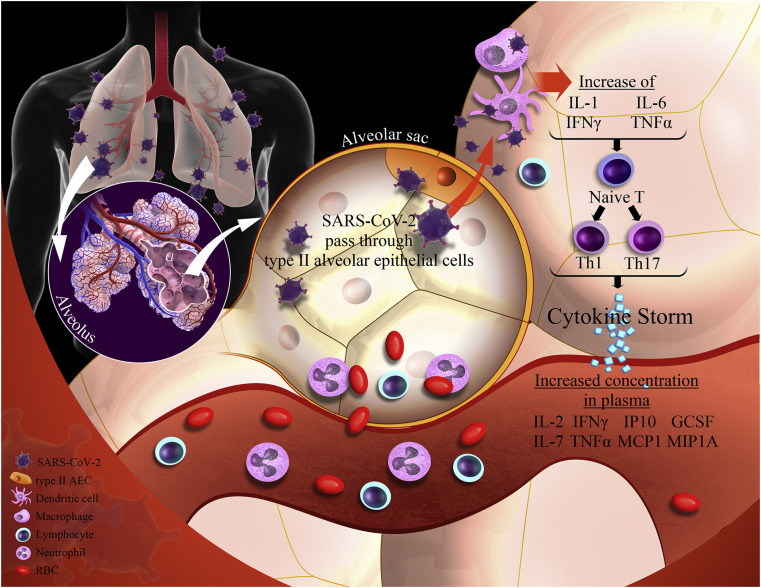
Corona Virus Disease 2019 (COVID-19) pandemic is rapidly spreading all over the world. Excessive immune responses trigger life-threatening cytokine release syndrome (CRS) which can result in overproduction of pro-inflammatory cytokines including tumor necrosis factor alpha (TNFα), interleukin-6 (IL-6), and IL-1β with different pro-inflammatory roles. Anecdotal evidence suggests that the modulation of systemic immune responses may have a potential role in the treatment of patients with COVID-19. Given the importance of the issue and the lack of therapeutic treatment or vaccine; anti-cytokine therapy such as IL-6, TNFα and IL-1 antagonists have been suggested for the alleviation of hyper-inflammation status in these patients. In this mini-review, we addressed the inflammatory pathways of the severe acute respiratory syndrome coronavirus 2 (SARS-CoV-2) and its relationship with the host cytokine storm. Furthermore, the proposed therapeutic options to reverse hyper-inflammation in infected patients were mentioned.
Keywords: COVID-19; Cytokine storm; IL-1β; IL-6; SARS-CoV-2; TNFα.
Copyright © 2020 IMSS. Published by Elsevier Inc. All rights reserved.
Figures
References
-
- Organization WH . 2020. Coronavirus disease 2019 (COVID-19): situation report, 72.
Publication types
MeSH terms
LinkOut - more resources
Full Text Sources
Medical
Miscellaneous
