Redox and mTOR-dependent regulation of plasma lamellar calcium influx controls the senescence-associated secretory phenotype
- PMID: 32686475
- PMCID: PMC7787549
- DOI: 10.1177/1535370220943122
Redox and mTOR-dependent regulation of plasma lamellar calcium influx controls the senescence-associated secretory phenotype
Abstract
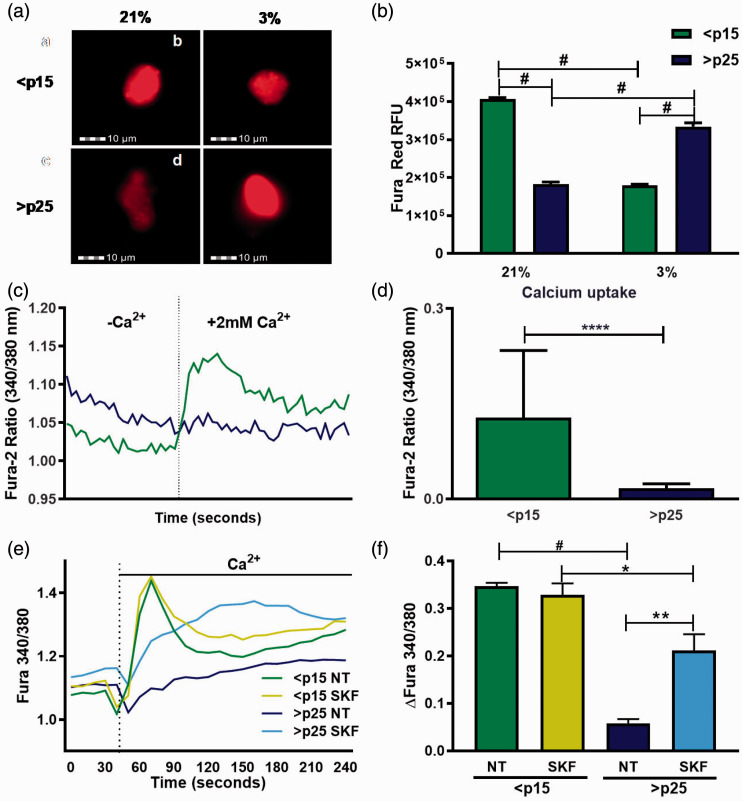
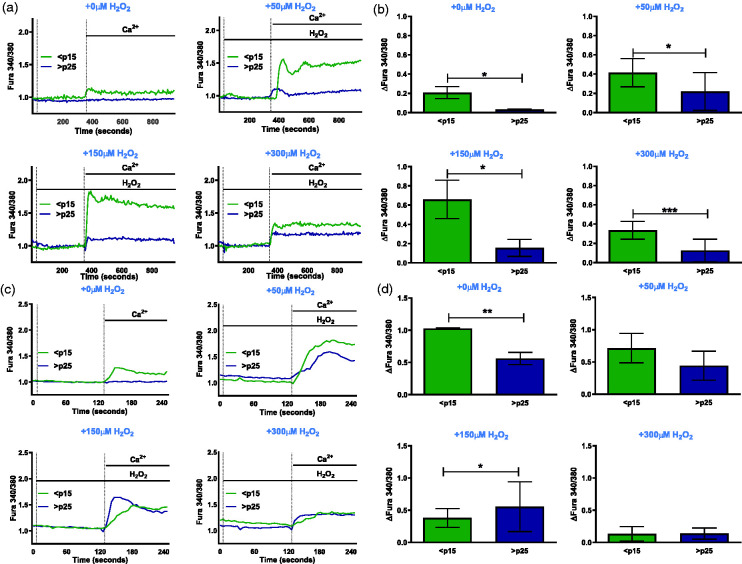
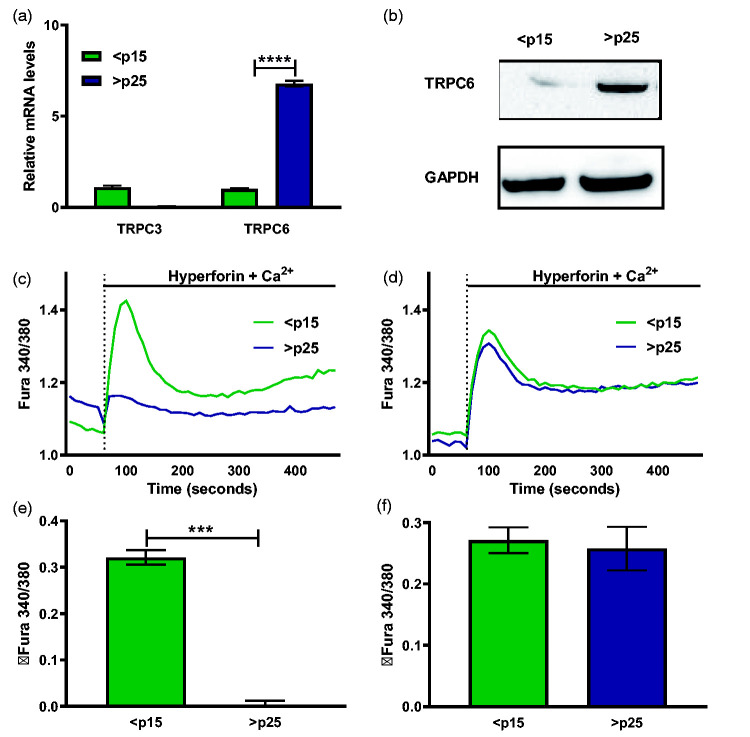
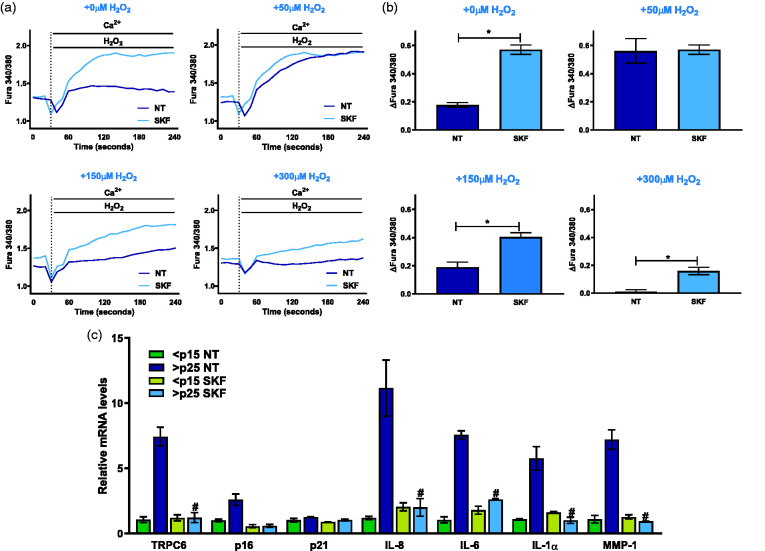
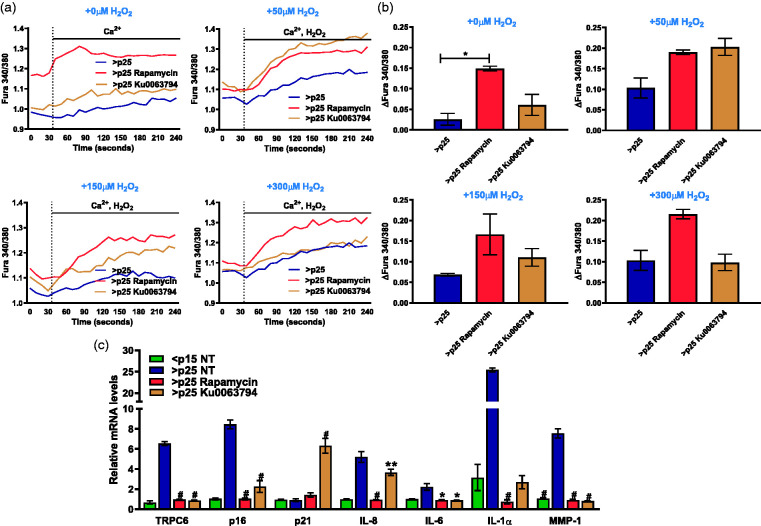
Through its ability to evoke responses from cells in a paracrine fashion, the senescence-associated secretory phenotype (SASP) has been linked to numerous age-associated disease pathologies including tumor invasion, cardiovascular dysfunction, neuroinflammation, osteoarthritis, and renal disease. Strategies which limit the amplitude and duration of SASP serve to delay age-related degenerative decline. Here we demonstrate that the SASP regulation is linked to shifts in intracellular Ca2+ homeostasis and strategies which rescue redox-dependent calcium entry including enzymatic H2O2 scavenging, TRP modulation, or mTOR inhibition block SASP and TRPC6 gene expression. As Ca2+ is indispensable for secretion from both secretory and non-secretory cells, it is exciting to speculate that the expression of plasma lamellar TRP channels critical for the maintenance of intracellular Ca2+ homeostasis may be coordinately regulated with the SASP.
Keywords: SASP; Senescence; TRPC6; calcium; hydrogen peroxide; mTOR.
Figures
References
-
- Hayflick L, Moorhead PS. The serial cultivation of human diploid cell strains. Exp Cell Res 1961; 25:585–621 - PubMed
-
- Courtois-Cox S, Jones SL, Cichowski K. Many roads lead to oncogene-induced senescence. Oncogene 2008; 27:2801–9 - PubMed
-
- Wickens AP. Ageing and the free radical theory. Respir Physiol 2001; 128:379–91 - PubMed
Publication types
MeSH terms
Substances
Grants and funding
LinkOut - more resources
Full Text Sources
Research Materials
Miscellaneous