


Longitudinal Follow-Up of Long-Term Care Planning Using PlanYourLifespan.org
- PMID: 32686545
- PMCID: PMC8720501
- DOI: 10.1177/0733464820943066
Longitudinal Follow-Up of Long-Term Care Planning Using PlanYourLifespan.org
Abstract
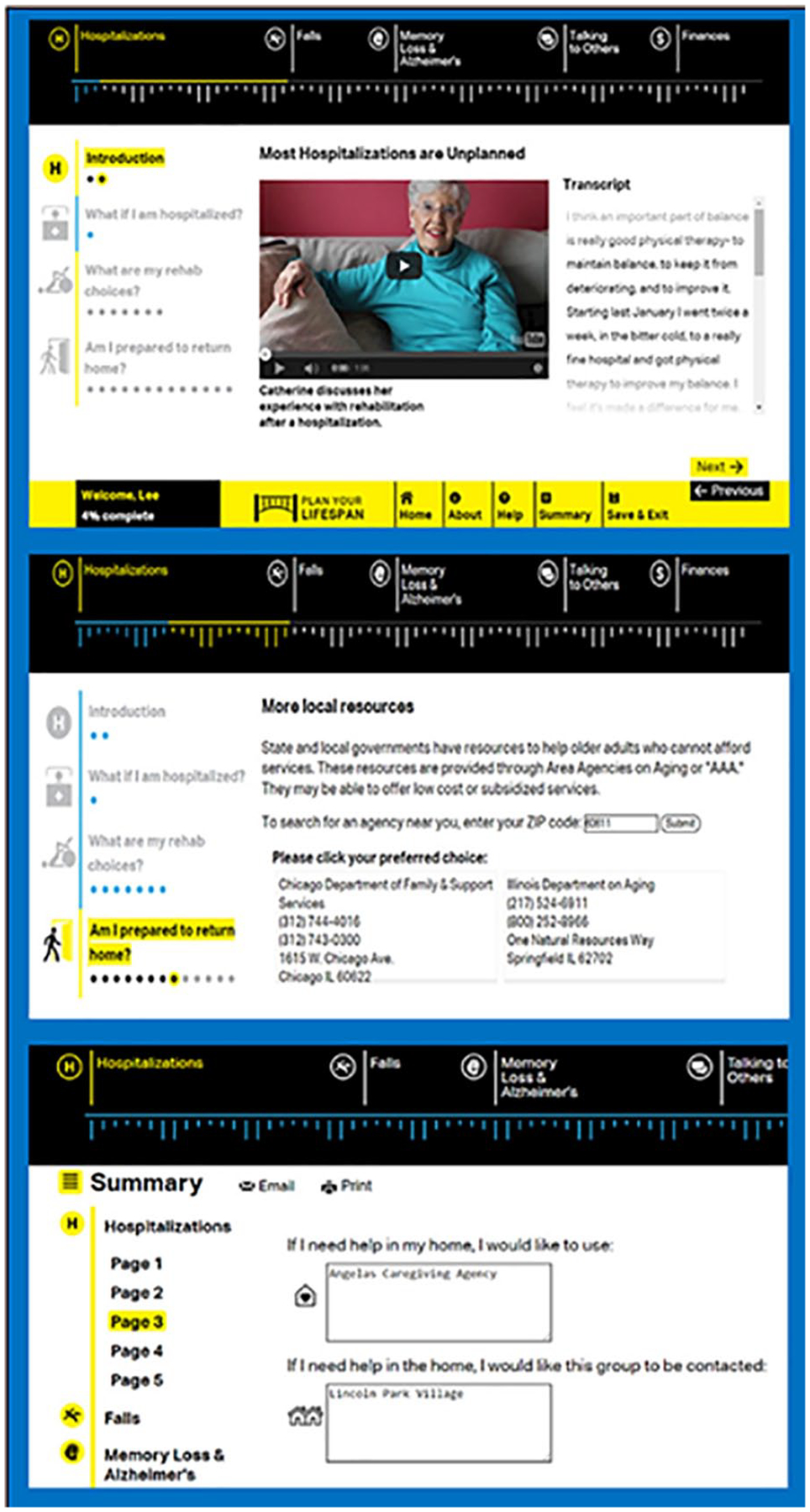
Many older adults wish to age-in-place but do not have long-term care plans for when they may require more assistance. PlanYourLifespan.org (PYL) is an evidence-based tool that helps older adults understand and plan for their long-term care needs. We examined the long-term effects of PYL use on user perceptions and planning of long-term care services. Individuals who previously accessed PYL were invited to complete an online, nation-wide mixed methodology survey about end-user outcomes related to PYL. Among 115 completed surveys, users found PYL helpful with long-term planning for their future needs. Over half of website users reported having conversations with others because of PYL use. However, 40% of respondents reported not having a conversation with others about their plans; common themes for barriers to planning included procrastination and a lack of immediate support needs. Although PYL helps with planning, many people are still not communicating their long-term care plans.
Keywords: advance care planning interventions; advance health events; aging-in-place; older adults.
Conflict of interest statement
Declaration of Conflicting Interests
The authors declared no potential conflicts of interest with respect to the research, authorship, and/or publication of this article.
References
-
- Ball MM, Perkins MM, Whittington FJ, Connell BR, Hollingsworth C, King SV, Elrod CL, & Combs BL (2004). Managing decline in assisted living: The key to aging in place. Journals of Gerontology, Series B: Psychological Sciences & Social Sciences, 59, S202–S212. - PubMed
-
- Centers for Disease Control. (2020). Health places terminology. https://www.cdc.gov/healthyplaces/terminology.htm
Publication types
MeSH terms
Grants and funding
LinkOut - more resources
Full Text Sources
Medical
