


Workplace pedometer interventions for increasing physical activity
- PMID: 32700325
- PMCID: PMC7389933
- DOI: 10.1002/14651858.CD009209.pub3
Workplace pedometer interventions for increasing physical activity
Abstract
Background: The World Health Organization (WHO) recommends undertaking 150 minutes of moderate-intensity physical activity per week, but most people do not. Workplaces present opportunities to influence behaviour and encourage physical activity, as well as other aspects of a healthy lifestyle. A pedometer is an inexpensive device that encourages physical activity by providing feedback on daily steps, although pedometers are now being largely replaced by more sophisticated devices such as accelerometers and Smartphone apps. For this reason, this is the final update of this review.
Objectives: To assess the effectiveness of pedometer interventions in the workplace for increasing physical activity and improving long-term health outcomes.
Search methods: We searched the Cochrane Central Register of Controlled Trials, MEDLINE, Embase, the Cumulative Index to Nursing and Allied Health Literature (CINAHL), Occupational Safety and Health (OSH) UPDATE, Web of Science, ClinicalTrials.gov, and the WHO International Clinical Trials Registry Platform from the earliest record to December 2016. We also consulted the reference lists of included studies and contacted study authors to identify additional records. We updated this search in May 2019, but these results have not yet been incorporated. One more study, previously identified as an ongoing study, was placed in 'Studies awaiting classification'.
Selection criteria: We included randomised controlled trials (RCTs) of workplace interventions with a pedometer component for employed adults, compared to no or minimal interventions, or to alternative physical activity interventions. We excluded athletes and interventions using accelerometers. The primary outcome was physical activity. Studies were excluded if physical activity was not measured.
Data collection and analysis: We used standard methodological procedures expected by Cochrane. When studies presented more than one physical activity measure, we used a pre-specified list of preferred measures to select one measure and up to three time points for analysis. When possible, follow-up measures were taken after completion of the intervention to identify lasting effects once the intervention had ceased. Given the diversity of measures found, we used ratios of means (RoMs) as standardised effect measures for physical activity.
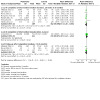
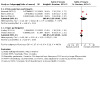
Main results: We included 14 studies, recruiting a total of 4762 participants. These studies were conducted in various high-income countries and in diverse workplaces (from offices to physical workplaces). Participants included both healthy populations and those at risk of chronic disease (e.g. through inactivity or overweight), with a mean age of 41 years. All studies used multi-component health promotion interventions. Eleven studies used minimal intervention controls, and four used alternative physical activity interventions. Intervention duration ranged from one week to two years, and follow-up after completion of the intervention ranged from three to ten months. Most studies and outcomes were rated at overall unclear or high risk of bias, and only one study was rated at low risk of bias. The most frequent concerns were absence of blinding and high rates of attrition. When pedometer interventions are compared to minimal interventions at follow-up points at least one month after completion of the intervention, pedometers may have no effect on physical activity (6 studies; very low-certainty evidence; no meta-analysis due to very high heterogeneity), but the effect is very uncertain. Pedometers may have effects on sedentary behaviour and on quality of life (mental health component), but these effects were very uncertain (1 study; very low-certainty evidence). Pedometer interventions may slightly reduce anthropometry (body mass index (BMI) -0.64, 95% confidence interval (CI) -1.45 to 0.18; 3 studies; low-certainty evidence). Pedometer interventions probably had little to no effect on blood pressure (systolic: -0.08 mmHg, 95% CI -3.26 to 3.11; 2 studies; moderate-certainty evidence) and may have reduced adverse effects (such as injuries; from 24 to 10 per 100 people in populations experiencing relatively frequent events; odds ratio (OR) 0.50, 95% CI 0.30 to 0.84; low-certainty evidence). No studies compared biochemical measures or disease risk scores at follow-up after completion of the intervention versus a minimal intervention. Comparison of pedometer interventions to alternative physical activity interventions at follow-up points at least one month after completion of the intervention revealed that pedometers may have an effect on physical activity, but the effect is very uncertain (1 study; very low-certainty evidence). Sedentary behaviour, anthropometry (BMI or waist circumference), blood pressure (systolic or diastolic), biochemistry (low-density lipoprotein (LDL) cholesterol, total cholesterol, or triglycerides), disease risk scores, quality of life (mental or physical health components), and adverse effects at follow-up after completion of the intervention were not compared to an alternative physical activity intervention. Some positive effects were observed immediately at completion of the intervention periods, but these effects were not consistent, and overall certainty of evidence was insufficient to assess the effectiveness of workplace pedometer interventions.
Authors' conclusions: Exercise interventions can have positive effects on employee physical activity and health, although current evidence is insufficient to suggest that a pedometer-based intervention would be more effective than other options. It is important to note that over the past decade, technological advancement in accelerometers as commercial products, often freely available in Smartphones, has in many ways rendered the use of pedometers outdated. Future studies aiming to test the impact of either pedometers or accelerometers would likely find any control arm highly contaminated. Decision-makers considering allocating resources to large-scale programmes of this kind should be cautious about the expected benefits of incorporating a pedometer and should note that these effects may not be sustained over the longer term. Future studies should be designed to identify the effective components of multi-component interventions, although pedometers may not be given the highest priority (especially considering the increased availability of accelerometers). Approaches to increase the sustainability of intervention effects and behaviours over a longer term should be considered, as should more consistent measures of physical activity and health outcomes.
Copyright © 2020 The Cochrane Collaboration. Published by John Wiley & Sons, Ltd.
Conflict of interest statement
None of the researchers have a commercial interest in the outcomes of this review. Two review authors (RFP, AP) would like to disclose that they undertook an independent research study, titled the Global Corporate Challenge® (GCC®) Evaluation Study, which evaluated the impact of a workplace pedometer intervention, which was not included in this review, as it was not a randomised controlled trial. The GCC® study was partially funded by the Australian Research Council (ARC) and the Foundation for Chronic Disease Prevention™ in the Workplace, which is associated with the Global Corporate Challenge®.
Figures





Update of
-
Workplace pedometer interventions for increasing physical activity.Cochrane Database Syst Rev. 2013 Apr 30;(4):CD009209. doi: 10.1002/14651858.CD009209.pub2. Cochrane Database Syst Rev. 2013. Update in: Cochrane Database Syst Rev. 2020 Jul 21;7:CD009209. doi: 10.1002/14651858.CD009209.pub3. PMID: 23633368 Updated.
References
References to studies included in this review
Aittasalo 2012 {published data only}
-
- Aittasalo M. Personal communication with RFP. 19 June 2017.
-
- Aittasalo M. Personal communication with RFP. 25 June 2012.
Audrey 2015 {published and unpublished data}72882329
-
- Audrey S. Employer schemes to encourage walking to work: feasibility study incorporating an exploratory randomised controlled trial (protocol). NIHR Public Health Research Programme; version 3, July 2011. www.journalslibrary.nuhr.ac.uk/projects/10300104. - PubMed
-
- Audrey S. Personal communication with M Hill. 13 May 2015.
-
- Audrey S. Personal communication with RFP. 8 March 2017.
Carr 2013 {published data only}
-
- NCT01371084. Pedal@Work: a worksite wellness program (Pedal@Work). clinicaltrials.gov/show/NCT01371084 (first posted 10 June 2011).
Dishman 2009 {published data only}
-
- Dishman RK, DeJoy DM, Wilson MG, Vandenberg RJ. Move to Improve: a randomized workplace trial to increase physical activity. American Journal of Preventive Medicine 2009;36(2):133-41. - PubMed
-
- Dishman RK, Vandenberg RJ, Motl RW, Wilson MG, DeJoy DM. Dose relations between goal setting, theory-based correlates of goal setting and increases in physical activity during a workplace trial. Health Education Research 2010;25(4):620-31. - PubMed
-
- Dishman RK. Personal communication with RFP. 10 January 2017.
-
- Dishman RK. Personal communication with RFP. 15 August 2012.
-
- Wilson MG, Basta TB, Bynum BH, DeJoy DM, Vandenberg RJ, Dishman RK. Do intervention fidelity and dose influence outcomes? Results from the Move to Improve worksite physical activity program. Health Education Research 2010;25(2):294-305. - PubMed
Linde 2012 {published data only}
-
- Linde J. Personal communication with M Hill. Btw. 20 Feb and 1 July 2015.
-
- Linde JA, Nygaard KE, MacLehose RF, Mitchell NR, Harnack LJ, Cousins JM, et al. HealthWorks: results of a multi-component group - randomized worksite environmental intervention trial for weight gain prevention. International Journal of Behavioral Nutrition and Physical Activity 2012;9(1):14. - PMC - PubMed
-
- NCT00708461. Environmental intervention for weight gain prevention (HealthWorks). clinicaltrials.gov/ct2/show/NCT00708461. 18 July 2013.
Mansi 2013 {published data only}
-
- Mansi S, Milosavljevic S, Tumilty S, Hendrick P, Higgs C, Baxter DG. Investigating the effect of a 3-month workplace-based pedometer-driven walking programme on health-related quality of life in meat processing workers: a feasibility study within a randomized controlled trial. BMC Public Health 2015;15:410. - PMC - PubMed
-
- Mansi S. Personal communication with RFP. 30 January 2014.
Maruyama 2010 {published data only}
-
- Maruyama C, Kimura M, Okumura H, Hayashi K, Arao T. Effect of a worksite-based intervention program on metabolic parameters in middle-aged male white-collar workers: a randomized controlled trial. Preventive Medicine 2010;51(1):11-7. - PubMed
-
- Maruyama C. Personal communication with RFP. 6 March 2012.
-
- Moriyasu A. Personal communication with RFP. 3 April 2017.
Morgan 2011 {published data only}
-
- ACTRN12609001003268. The Workplace POWER trial: feasibility and efficacy of an obesity treatment and healthy lifestyles program for overweight male shift workers. http://www.anzctr.org.au/trial_view.aspx?ID=320595 (first received 16 November 2009).
-
- Morgan PJ, Collins CE, Plotnikoff RC, Cook AT, Berthon B, Mitchell S, et al. Efficacy of a workplace-based weight loss program for overweight male shift workers: the Workplace POWER (Preventing Obesity Without Eating like a Rabbit) randomized controlled trial. Preventive Medicine 2011;52(5):317-25. - PubMed
-
- Morgan PJ, Collins CE, Plotnikoff RC, Cook AT, Berthon B, Mitchell S, et al. The impact of a workplace-based weight loss program on work-related outcomes in overweight male shift workers. Journal of Occupational and Environmental Medicine 2012;54(2):122-7. - PubMed
-
- Morgan PJ. Personal correspondence with RFP. 21 August 2012.
-
- Young M. Personal correspondence with RFP. 13 Feburary 2017.
Parry 2013 {published data only}
-
- ACTRN12612000743864. Can a participatory workplace intervention improve sedentary behaviour and physical activity in office workers? (Protocol). http://www.anzctr.org.au/Trial/Registration/TrialReview.aspx?ACTRN=12612... (first received 9 July 2012).
-
- Parry S, Straker L, Gilson ND, Smith AJ. Can participatory workplace interventions aimed at changing sedentary time also reduce musculoskeletal symptoms in office workers? In: 49th Annual Human Factors and Ergonomics Society of Australia Conference. 2013. [http://hdl.handle.net/20.500.11937/16596]
-
- Parry S. Personal communication with RFP. 28 April 2017.
Pillay 2014 {published data only}
-
- Pillay J. Personal communication with RFP. 11 January 2017.
-
- Pillay J. Personal communication with RFP. 24 January 2013.
-
- Pillay J. Personal communication with RFP. 29 March 2016.
-
- Pillay JD, Kolbe-Alexander TL, Proper KI, Mechelen W, Lambert EV. Steps that count! A feasibility study of a pedometer-based, health promotion intervention in an employed, South African population. South African Journal of Sports Medicine 2014;26(1):15-9. [DOI: 10.7196/SAJSM.500] - DOI
Ribeiro 2014 {published data only}
-
- NCT01567007. Change in physical activity levels in women at working place. https://clinicaltrials.gov/ct2/show/NCT01567007 (first posted 30 March 2012).
-
- Ribeiro MA, Martins MA, Carvalho CRF. Interventions to increase physical activity in middle-age women at the workplace: a randomized controlled trial. Medicine and Science in Sports and Exercise 2014;46:1008-15. - PubMed
Swartz 2014 {published data only}
Talbot 2011 {published data only}
-
- Talbot LA, Metter J, Fleg JL, Weinstein AA, Frick KD. Cost effectiveness of two army physical fitness programs. Military Medicine 2013;178(12):1353. - PubMed
-
- Talbot LA, Weinstein AA, Fleg JL. Army Physical Fitness Test scores predict coronary heart disease risk in Army National Guard soldiers. Military Medicine 2009;174(3):245-52. - PubMed
-
- Talbot LA. Personal communication with RFP. 13 April 2017.
-
- Talbot LA. Personal communication with RFP. 17 July 2012.
Viester 2012 {published data only}
-
- Viester L, Verhagen EA, Bongers PM, Beek AJ. Process evaluation of a multifaceted health program aiming to improve physical activity levels and dietary patterns among construction workers. Journal of Occupational and Environmental Medicine 2014;56(11):1210-7. - PubMed
-
- Viester L, Verhagen EA, Bongers PM, Beek AJ. The effect of a health promotion intervention for construction workers on work-related outcomes: results from a randomized controlled trial. International Archives of Occupational and Environmental Health 2015;88(6):789-98. - PubMed
-
- Viester L, Verhagen EALM, Bongers PM, Beek AJ. Effectiveness of a worksite intervention for male construction workers on dietary and physical activity behaviors, body mass index, and health outcomes: results of a randomized controlled trial. American Journal of Health Promotion 2017;32(3):795-805. [DOI: 10.1177/0890117117694450] - DOI - PubMed
-
- Viester L. Personal communication with RFP. 13 March 2017.
References to studies excluded from this review
Aittasalo 2004 {published data only}
-
- Aittasalo M, Miilunpalo S, Suni J. The effectiveness of physical activity counseling in a work-site setting. A randomized, controlled trial. Patient Education and Counseling 2004;55(2):193-202. - PubMed
Baghianimoghaddam 2016 {published data only}
-
- Baghianimoghaddam MH, Bakhtari-Aghdam F, Asghari-Jafarabadi M, Allahverdipour H, Dabagh-Nikookheslat S, Nourizadeh R. The effect of a pedometer-based program improvement of physical activity in Tabriz University employees. International Journal of Preventive Medicine 2016;1(7):50. [DOI: 10.4103/2008-7802.177897] - DOI - PMC - PubMed
-
- Baghianimoghaddam MH. Personal communication. Email. 16 July 2017.
Barrington 2012 {published data only}
Bassey 1983 {published data only}
-
- Bassey EJ, Patrick JM, Irving JM, Blecher A, Fentem PH. An unsupervised "aerobics" physical training programme in middle-aged factory workers: feasibility, validation and response. European Journal of Applied Physiology and Occupational Physiology 1983;52(1):120-5. - PubMed
Binoy Mathew 2012 {published data only}
Bort Roig 2012 {published data only}
-
- Bort Roig J, Martin Horcajo M, Puig Ribera A, Gonzalez A, Martinez Lemos I. Walk & Work Spain: participants' perspectives and experiences on reducing occupational sitting time. Journal of Science and Medicine in Sport 2012;15(Suppl 1):S303.
-
- Bort Roig J, Puig Ribera A, Gilson N, Gonzalez A, Martinez Lemos I, Gine Garriga M, et al. A 5-months workplace pedometer-based intervention: did it change employees' sedentary behaviour 2 months after removal? Journal of Science and Medicine in Sport 2012;15(Suppl 1):S197.
-
- Puig Ribera AM. Personal correspondence with RFP. 29 March 2016.
Brehm 2011 {published data only}
-
- Brehm BJ, Gates DM, Singler M, Succop PA, D'Alessio DA. Environmental changes to control obesity: a randomized controlled trial in manufacturing companies. American Journal of Health Promotion 2011;25(5):334-40. - PubMed
Brooke‐Wavell 1996 {published data only}
-
- Brooke-Wavell K, Jones PR, Hardman AE. A 1-year programme of brisk walking reduced bone loss in healthy women aged 60-70 [abstract]. Osteoporosis International 1996;6 Suppl 1:137.
Buman 2011 {published data only}
Butler 2004 {published data only}
-
- Butler L, Dwyer D. Pedometers may not provide a positive effect on walking activity [online]. Health Promotion Journal of Australia 2004;15(2):134-6.
Compernolle 2015 {published data only}
-
- Compernolle S, Vandelanotte C, Cardon G, De Bourdeaudhuij I, De Cocker K. Effectiveness of a web-based, computer-tailored, pedometer-based physical activity intervention for adults: a cluster randomized controlled trial. Journal of Medical Internet Research 2015;17(2):e38. DOI:10.2196/jmir.3402.. - PMC - PubMed
Della 2010 {published data only}
Erfurt 1991 {published data only}
-
- Erfurt JC, Foote A, Heirich MA. Worksite wellness programs: incremental comparison of screening and referral alone, health education, follow-up counseling, and plant organization. American Journal of Health Promotion 1991;5(6):438-48. - PubMed
Finkelstein 2015 {published data only}
-
- Finkelstein EA, Sahasranaman A, John G, Haaland BA, Bilger M, Sloan RA, et al. Design and baseline characteristics of participants in the Trial of Economic Incentives to Promote Physical Activity (TRIPPA): a randomized controlled trial of a six month pedometer program with financial incentives. Contemporary Clinical Trials 2015;41:238-47. - PubMed
-
- Ouyang P. Personal communication with RFP. 8 June 2017.
Furukawa 2003 {published data only}
-
- Furukawa F, Kazuma K, Kawa M, Miyashita M, Niiro K, Kusukawa R, et al. Effects of an off-site walking program on energy expenditure, serum lipids, and glucose metabolism in middle-aged women. Biological Research for Nursing 2003;4(3):181-92. - PubMed
Gell 2015 {published data only}
Gilson 2007 {published data only}
-
- Gilson N, McKenna J, Cooke C, Brown W. Walking towards health in a university community: a feasibility study. Preventive Medicine 2007;44(2):167-9. - PubMed
Gilson 2008 {published data only}
-
- Gilson N, McKenna J, Cooke C. Experiences of route and task-based walking in a university community: qualitative perspectives in a randomized control trial. Journal of Physical Activity and Health 2008;5 Suppl 1:176-82. - PubMed
Härmä 1988a {published data only}
-
- Härmä MI, Ilmarinen J, Knauth P, Rutenfranz J, Hänninen O. Physical training intervention in female shift workers: I. The effects of intervention on fitness, fatigue, sleep, and psychosomatic symptoms. Ergonomics 1988;31(1):39-50. - PubMed
Härmä 1988b {published data only}
-
- Härmä MI, Ilmarinen J, Knauth P, Rutenfranz J, Hänninen O. Physical training intervention in female shift workers: II. The effects of intervention on the circadian rhythms of alertness, short-term memory, and body temperature. Ergonomics 1988;31(1):51-63. - PubMed
Hultquist 2005 {published data only}
-
- Hultquist CN, Albright C, Thompson DL. Comparison of walking recommendations in previously inactive women. Medicine and Science in Sports and Exercise 2005;37(4):676-83. - PubMed
Hunter 2012 {published data only}
Hunter 2012a {published data only}
-
- Hunter R, Tully M, Davis M, Stevenson M, Kee F. The 'Physical Activity Loyalty Card Scheme': an RCT investigating the use of incentives to encourage physical activity. Journal of Science and Medicine in Sport 2012;15(Suppl 1):S347-8.
Iwane 2000 {published data only}
-
- Iwane M, Arita M, Tomimoto S, Satani O, Matsumoto M, Miyashita K, et al. Walking 10,000 steps/day or more reduces blood pressure and sympathetic nerve activity in mild essential hypertension. Hypertension Research 2000;23(6):573-80. - PubMed
Johannesson 2010 {published data only}
-
- Johannesson M, Ostling R, Ranehill E. The effect of competition on physical activity: a randomized trial. B.E. Journal of Economic Analysis & Policy 2010;10(1):Article 91.
Kazi 2012 {published data only}
-
- Clemes S. Personal correspondence. 6 May 2016.
-
- Kazi A, Haslam C, Duncan M, Clemes S, Kerr L, Twumasi R. Physical activity interventions to promote employee health and wellbeing: a stage of change approach. Journal of Science and Medicine in Sport 2012;15 Suppl 1:S234.
Kennedy 2007 {published data only}
Kim 2013 {published data only}
-
- Kim BH, Glanz K. Text messaging to motivate walking in older African Americans: a randomized controlled trial. American Journal of Preventive Medicine 2013;44(1):71-5. - PubMed
Lara 2016 {published data only}
-
- Lara J, O'Brien N, Godfrey A, Heaven B, Evans EH, Lloyd S, et al. Pilot randomised controlled trial of a web-based intervention to promote healthy eating, physical activity and meaningful social connections compared with usual care control in people of retirement age recruited from workplaces. PLoS One 2016;11(7):e0159703. - PMC - PubMed
Lee 1997 {published data only}
-
- Lee C, White SW. Controlled trial of a minimal-intervention exercise program for middle-aged working women. Psychology and Health 1997;12(3):361-74.
Leibiger 2012 {published data only}
-
- Leibiger A, Weisser B, Grunhagen M, Kohler M. Effect of a measure for workplace health promotion with the use of pedometers to reduce cardiovascular risk factors (pedometer study "DAMP plus 3000!") [Einfluss einer Maßnahme zur betrieblichenGesundheitsförderung mit Einsatz von Schritt-zählern zur Senkung kardiovaskulärer Risikofaktoren (Schrittzählerstudie „DAMP plus 3000!“)]. Journal für Hypertonie 2012;16(4):12-7.
Mackey 2011 {published data only}
-
- Mackey MG, Bohle P, Taylor P, Di Biase T, McLoughlin C, Purnell K. Walking to wellness in an ageing sedentary university community: design, method and protocol. Contemporary Clinical Trials 2011;32(2):273-9. - PubMed
Martin 2013 {published data only}
-
- Martin S. Personal communication with M Hill. 20 Feburary 2015.
-
- NCT01837134. Telemedical coaching for weight loss (Fit). ClinicalTrials.gov/show/NCT01837134. 2014.
-
- NCT01868763. TeleLifestyle coaching for weight loss (FitMeFit). ClinicalTrials.gov/show/NCT01868763. 2013.
Miller 2015 {published data only}
Molde 2003 {published data only}
-
- Molde Hagen E, Grasdal A, Eriksen HR. Does early intervention with a light mobilization program reduce long-term sick leave for low back pain: a 3-year follow-up study. Spine 2003;28(20):2309-15; discussion 16. - PubMed
Moreau 2001 {published data only}
-
- Moreau KL, Degarmo R, Langley J, McMahon C, Howley ET, Bassett DR Jr, et al. Increasing daily walking lowers blood pressure in postmenopausal women. Medicine and Science in Sports and Exercise 2001;33(11):1825-31. - PubMed
Motl 2005 {published data only}
-
- Motl RW, Konopack JF, McAuley E, Elavsky S, Jerome GJ, Marquez DX. Depressive symptoms among older adults: long-term reduction after a physical activity intervention. Journal of Behavioral Medicine 2005;28(4):385-94. - PubMed
Murphy 2006 {published data only}
Mutrie 2002 {published data only}
Naito 2008 {published data only}
-
- Naito M, Nakayama T, Okamura T, Miura K, Yanagita M, Fujieda Y, et al. Effect of a 4-year workplace-based physical activity intervention program on the blood lipid profiles of participating employees: the high-risk and population strategy for occupational health promotion (HIPOP-OHP) study. Atherosclerosis 2008;197(2):784-90. - PubMed
Oja 1991 {published data only}
-
- Oja P, Manttari A, Heinonen A, Kukkonen-Harjula K, Laukkanen R, Pasanen M, et al. Physiological effects of walking and cycling to work. Scandinavian Journal of Medicine and Science in Sports 1991;1(3):151-7.
Petersen 2012 {published data only}
-
- Petersen CB, Severin M, Hansen AW, Curtis T, Gronbaek M, Tolstrup JS. A population-based randomized controlled trial of the effect of combining a pedometer with an intervention toolkit on physical activity among individuals with low levels of physical activity or fitness. Preventive Medicine 2012;54(2):125-30. - PubMed
Polzien 2007 {published data only}
-
- Polzien KM, Jakicic JM, Tate DF, Otto AD. The efficacy of a technology-based system in a short-term behavioral weight loss intervention. Obesity (Silver Spring) 2007;15(4):825-30. - PubMed
Prestwich 2012 {published data only}
-
- Prestwich A, Conner MT, Lawton RJ, Ward JK, Ayres K, McEachan RR. Randomized controlled trial of collaborative implementation intentions targeting working adults' physical activity. Health Psychology 2012;31(4):486-95. - PubMed
Puhkala 2011 {published data only}
-
- Puhkala J, Kukkonen-Harjula K, Hublin C, Kärmeniemi P, Mansikkamäki K, Olkkonen S, et al. Lifestyle counselling in promoting obese commercial drivers' health - Design and feasibility of an RCT (NCT00893646). Annals of Nutrition and Metabolism 2011;58(Suppl 3):399-400.
-
- Puhkala J, Kukkonen-Harjula K, Mansikkamäki K, Aittasalo M, Hublin C, Kärmeniemi P, et al. Lifestyle counseling to reduce body weight and cardiometabolic risk factors among truck and bus drivers – A randomized controlled trial. Scandinavian Journal of Work, Environment & Health 2015;41(1):54–64. - PubMed
-
- Puhkala J. Personal communication. 5 March 2015.
Puig‐Ribera 2008 {published data only}
-
- Puig-Ribera A, McKenna J, Gilson N, Brown WJ. Change in work day step counts, wellbeing and job performance in Catalan university employees: a randomised controlled trial. Promotion & Education 2008;15(4):11-6. - PubMed
Serwe 2011 {published data only}
Slootmaker 2009 {published data only}
Speck 2001 {published data only}
-
- Speck BJ, Looney SW. Effects of a minimal intervention to increase physical activity in women: daily activity records. Nursing Research 2001;50(6):374-8. - PubMed
Sternfeld 2009 {published data only}
-
- Sternfeld B, Block C, Quesenberry CP Jr, Block TJ, Husson G, Norris JC, et al. Improving diet and physical activity with ALIVE: a worksite randomized trial. American Journal of Preventive Medicine 2009;36(6):475-83. - PubMed
Terry 2010 {published data only}
-
- Terry PE, Fowles JB, Harvey L. Employee engagement factors that effect enrollment compared with retention in two coaching programs-the ACTIVATE study. Population Health Management 2010;13(3):115-22. - PubMed
Thorndike 2012 {published data only}
-
- Thorndike AN, Mills S, Sonnenberg L, Regan S. Using an activity monitor to motivate physical activity among healthy employees: a randomized controlled trial. Circulation 2012;125(10):AP145.
Thøgersen‐Ntoumani 2010 {published and unpublished data}
-
- Thøgersen-Ntoumani C, Loughren EA, Duda JL, Fox KR, Kinnafick F-E. “Step by Step”. A feasibility study of a lunchtime walking intervention designed to increase walking, improve mental well-being and work performance in sedentary employees:Rationale and study design. BMC Public Health 2012;10:578. - PMC - PubMed
-
- Thøgersen-Ntoumani C. Personal communication. 4 March 2015.
Torstensen 1998 {published data only}
-
- Torstensen TA, Ljunggren AE, Meen HD, Odland E, Mowinckel P, Geijerstam S. Efficiency and costs of medical exercise therapy, conventional physiotherapy, and self-exercise in patients with chronic low back pain: a pragmatic, randomized, single-blinded, controlled trial with 1-year follow-up. Spine 1998;23(23):2616-24. - PubMed
Tucker 2011 {published data only}
-
- Tucker SJ, Lanningham-Foster LM, Murphy JN, Thompson WG, Weymiller AJ, Lohse C, et al. Effects of a worksite physical activity intervention for hospital nurses who are working mothers. AAOHN Journal 2011;59(9):377-86. - PubMed
Tudor‐Locke 2004a {published data only}
-
- Tudor-Locke C, Bell RC, Myers AM, Harris SB, Ecclestone NA, Lauzon N, et al. Controlled outcome evaluation of the First Step Program: a daily physical activity intervention for individuals with type II diabetes. International Journal of Obesity and Related Metabolic Disorders 2004;28(1):113-9. - PubMed
Van Berkel 2011 {published data only}
Vincent 2009 {published data only}
-
- Vincent D. Culturally tailored education to promote lifestyle change in Mexican Americans with type 2 diabetes. Journal of the American Academy of Nurse Practitioners 2009;21(9):520-7. - PubMed
Wing 1996 {published data only}
-
- Wing RR, Jeffery RW, Pronk N, Hellerstedt WL. Effects of a personal trainer and financial incentives on exercise adherence in overweight women in a behavioral weight loss program. Obesity Research 1996;4(5):457-62. - PubMed
References to studies awaiting assessment
Audrey 2019 {published data only}
-
- Audrey S, Cooper AR, Hollingworth W, Metcalfe C, Procter S, Davis A, et al. Study protocol: the effectiveness and cost effectiveness of an employer-led intervention to increase walking during the daily commute: the Travel to Work randomised controlled trial. BMC Public Health 2015;15:154. - PMC - PubMed
-
- Gaunt D, Metcalfe C, Garfield K, Hollingworth W, Batista Ferrer H, Cooper A, et al. Travel to Work: Statistical and Health Economics Analysis Plan. University of Bristol, 2017.
Bang 2016 {published data only}
-
- Bang KS, Lee IS, Kim SJ, Song MK, Park SE. The effects of urban forest-walking program on health promotion behavior, physical health, depression, and quality of life: a randomized controlled trial of office-workers. Journal of Korean Academy of Nursing 2016;46(1):140-8. - PubMed
Mattila 2013 {published data only}
-
- Mattila E. Personal communication with RFP. 17 August 2016.
References to ongoing studies
ACTRN12617001395325 {published data only}
-
- ACTRN12617001395325. Activity for wellbeing: promoting wellbeing through physical activity in aged care workers [Activity for wellbeing: a randomised, controlled trial of a need-supportive, person-centred physical activity intervention for aged care workers]. apps.who.int/trialsearch/Trial2.aspx?TrialID=ACTRN12617001395325 (first received 3 October 2017).
ACTRN12618001567213 {published data only}
-
- ACTRN12618001567213. A physical activity and healthy eating program to enhance school staff health [Addressing the health risk behaviours of the education workforce: a program to enhance the wellbeing of primary school staff]. apps.who.int/trialsearch/Trial2.aspx?TrialID=ACTRN12618001567213 (first received 19 September 2018).
ACTRN12619000173190 {published data only}
-
- ACTRN12619000173190. The Virgin PulsE Global ChAllenge Study (VEGAS): a single-blind, randomised controlled trial to evaluate the health outcomes of the Virgin Pulse Global Challenge (VPGC) Programme on quality of life among healthy employees. apps.who.int/trialsearch/Trial2.aspx?TrialID=ACTRN12619000173190 (first received 6 February 2019).
Aittasalo 2017 {published data only}
-
- Aittasalo M, Tiilikainen J, Tokola K, Seimela T, Sarjala S-M, Metsapuro P, et al. Socio-ecological intervention to promote active commuting to work: protocol and baseline findings of a cluster randomized controlled trial in Finland. International Journal of Environmental Research and Public Health 2017;14(10):1257. - PMC - PubMed
Additional references
AIHW 2008
-
- Australian Institute of Health and Welfare (AIHW). Australia’s Health 2008. Vol. Cat. no. AUS 99. Canberra: AIHW, 2008.
Ainsworth 2000
-
- Ainsworth BE, Haskell WL, Whitt MC, Irwin ML, Swartz AM, Strath SJ, et al. Compendium of physical activities: an update of activity codes and MET intensities. Medicine and Science in Sports and Exercise 2000;32:S498–S516. - PubMed
Baker 2011
Baker 2015
Baker IDI Heart and Diabetes Institute 2008
-
- Baker IDI Heart and Diabetes Institute, on behalf of the Australian State and Territory Governments, as part of the COAG Initiative to Reduce the Risk of Type 2 Diabetes. The Australian Type 2 Diabetes Risk Assessment Tool (AUSDRISK). Department of Health and Ageing, Australian Government, 2008.
Bandura 2001
-
- Bandura A. Social cognitive theory: an agentive perspective. Annual Review of Psychology 2001;52:1–26. - PubMed
Batt 2009
-
- Batt ME. Physical activity interventions in the workplace: the rationale and future direction for workplace wellness. British Journal of Sports Medicine 2009;43:47-8. - PubMed
Behrens 2007
-
- Behrens TK, Domina L, Fletcher GM. Evaluation of an employer-sponsored pedometer-based physical activity program. Perceptual and Motor Skills 2007;105(3 Pt 1):968-76. - PubMed
Bravata 2007
-
- Bravata DM, Smith-Spangler C, Sundaram V, Gienger AL, Lin N, Lewis R, et al. Using pedometers to increase physical activity and improve health: a systematic review. JAMA 2007;298:2296-304. - PubMed
Brownson 2005
-
- Brownson RC, Boehmer TK, Luke DA. Declining rates of physical activity in the United States: what are the contributors? Annual Review of Public Health 2005;26:421-43. - PubMed
Campbell 2004
Carlin 1999
-
- Carlin JB, Hocking J. Design of cross-sectional surveys using cluster sampling: an overview with Australian case studies. Australian and New Zealand Journal of Public Health 1999;23:546–51. - PubMed
Chan 2004
-
- Chan CB, Ryan DA, Tudor-Locke C. Health benefits of a pedometer-based physical activity intervention in sedentary workers. Preventive Medicine 2004;39(6):1215-22. - PubMed
Commissaris 2016
-
- Commissaris DA, Huysmans MA, Mathiassen SE, Srinivasan D, Koppes LLj, Hendriksen IJ. Interventions to reduce sedentary behavior and increase physical activity during productive work: a systematic review. Scandinavian Journal of Work, Environment & Health 2016;42(3):181-91. - PubMed
Croteau 2004
-
- Croteau KA. Strategies used to increase lifestyle physical activity in a pedometer-based intervention. Journal of Allied Health 2004;33(4):278-81. - PubMed
Culos‐Reed 2001
-
- Culos-Reed C, Gyurcsik NC, Brawley LR. Using theories of motivated behaviour to understand physical activity. In: Singer RN, Hausenblas HA, Janelle CM, editors(s). Handbook of Sport Psychology. New York: John Wiley & Sons, Inc, 2001:695-717.
D'Agostino 2008
-
- D'Agostino RB, Vasan RS, Pencina MJ, Wolf PA, Cobain M, Massaro JM, et al. General cardiovascular risk profile for use in primary care: the Framingham Heart Study. Circulation 2008;117:743-53. - PubMed
De Cocker 2010
-
- De Cocker KA, De Bourdeaudhuij IM, Cardon GM. The effect of a multi-strategy workplace physical activity intervention promoting pedometer use and step count increase. Health Education Research 2010;25(4):608-19. - PubMed
Deeks 2011
-
- Deeks JJ, Higgins JPT, Altman DG (editors). Chapter 9. Analysing data and undertaking meta-analyses. In: Higgins JPT, Green S, editors(s). Cochrane Handbook for Systematic Reviews of Interventions Version 5.1.0 (updated March 2011). The Cochrane Collaboration, 2011. Available from http://training.cochrane.org/handbook.
Diener 1985
-
- Diener E, Emmons RA, Larsen RJ, Griffin S. The Satisfaction With Life Scale. Journal of Personality Assessment 1985;49(1):71-5. - PubMed
Dobbins 2013
-
- Dobbins M, Husson H, De Corby K, LaRocca RL. School-based physical activity programs for promoting physical activity and fitness in children and adolescents aged 6 to 18. Cochrane Database of Systematic Reviews 2013, Issue 2. Art. No: CD007651. [DOI: 10.1002/14651858.CD007651.pub2] - DOI - PMC - PubMed
Dunkel‐Schetter 1986
-
- Dunkel-Schetter C, Feinstein L, Call J. UCLA Social Support Inventory. http://health.psych.ucla.edu/cds/files/UCLA%20SSI%201986.doc. 1986 (accessed 12 May 2011).
Egger 1998
Faghri 2008
-
- Faghri PD, Omokaro C, Parker C, Nichols E, Gustavesen S, Blozie E. E-technology and pedometer walking program to increase physical activity at work. Journal of Primary Prevention 2008;29(1):73-91. - PubMed
Farag 2010
Ferro‐Luzzi 1996
-
- Ferro-Luzzi A, Martino L. Obesity and physical activity. In: Ciba Foundation Symposium. Vol. 201. 1996:207-21; discussion 221-7. - PubMed
Food and Agricultural Organization of the UN 2006
-
- Food and Agricultural Organization of the UN. The double burden of malnutrition. Case studies from six developing countries. Rome: FAO, 2006 http://www.fao.org/docrep/009/a0442e/a0442e06.htm (accessed 20 February 2013). - PubMed
Foster 2013
Freak‐Poli 2010
-
- Freak-Poli R, Wolfe R, Peeters A. Risk of cardiovascular disease and diabetes in a working population with sedentary occupations. Journal of Occupational and Environmental Medicine 2010;52:1132-7. - PubMed
Freak‐Poli 2011a
-
- Freak-Poli R, Wolfe R, Backholer K, Courten M, Peeters A. Impact of a pedometer-based workplace health program on cardiovascular and diabetes risk profile. Preventive Medicine 2011;53:162-71. - PubMed
Freak‐Poli 2012
-
- Freak-Poli R, Peeters A. The contribution of workplace characteristics to the risk of type 2 diabetes. Current Medical Literature – Diabetes 2012;29(3):65-76. http://www.remedicajournals.com/CML-Diabetes/BrowseIssues/Volume-29-Issu....
Freak‐Poli 2013a
-
- Freak-Poli R, Wolfe R, Brand M, Courten M, Peeters A. Eight-month postprogram completion: change in risk factors for chronic disease amongst participants in a 4-month pedometer-based workplace health program. Obesity (Silver Spring) 2013;21(9):E360-8. - PubMed
Friedrich 2008
GCC 2010
-
- Global Corporate Challenge (GCC). Global Corporate Challenge: at a glance. Available at http://www.gettheworldmoving.com (accessed 14 April 2010).
Gemson 2008
-
- Gemson DH, Commisso R, Fuente J, Newman J, Benson S. Promoting weight loss and blood pressure control at work: impact of an education and intervention program. Journal of Occupational and Environmental Medicine 2008;50(3):272-81. - PubMed
Godin 1985
-
- Godin G, Shepard RJ. A simple method to assess exercise behaviour in the community. Canadian Journal of Applied Sport Sciences. Journal Canadien des Sciences Appliquées Au Sport 1985;10:141–6. - PubMed
Goetzel 2009
Goetzel 2010
Haines 2007
-
- Haines DJ, Davis L, Rancour P, Robinson M, Neel-Wilson T, Wagner S. A pilot intervention to promote walking and wellness and to improve the health of college faculty and staff. Journal of American College Health 2007;55(4):219-25. - PubMed
Higgins 2003
Higgins 2011a
-
- Higgins JPT, Deeks JJ (editors). Chapter 7. Selecting studies and collecting data. In: Higgins JPT, Green S, editors(s). Cochrane Handbook for Systematic Reviews of Interventions Version 5.1.0 (updated March 2011). The Cochrane Collaboration, 2011. Available from http://training.cochrane.org/handbook.
Higgins 2011b
-
- Higgins JPT, Altman DG, Sterne JAC (editors). Chapter 8. Assessing risk of bias in included studies. In: Higgins JPT, Green S, editors(s). Cochrane Handbook for Systematic Reviews of Interventions Version 5.1.0 (updated March 2011). The Cochrane Collaboration, 2011. Available from http://training.cochrane.org/handbook.
Higgins 2011c
-
- Higgins JPT, Deeks JJ, Altman DG (editors). Chapter 16. Special topics in statistics. In: Higgins JPT, Green S, editors(s). Cochrane Handbook for Systematic Reviews of Interventions Version 5.1.0 (updated March 2011). The Cochrane Collaboration, 2011. Available from http://training.cochrane.org/handbook.
Igarashi 2018
-
- Igarashi Y, Akazawa N, Maeda S. The required step count for a reduction in blood pressure: a systematic review and meta-analysis. Journal of Human Hypertension 2018;32(12):814-24. - PubMed
IPAQ 2011
-
- International Physical Activity Questionnaire (IPAQ). Available at http://www.ipaq.ki.se/ipaq.htm (accessed 29 April 2011).
Jahangiry 2017
-
- Jahangiry L, Farhangi MA, Shab-Bidar S, Rezaei F, Pashaei T. Web-based physical activity interventions: a systematic review and meta-analysis of randomized controlled trials. Public Health 2017;152:36-46. - PubMed
Kang 2009
-
- Kang M, Marshall SJ, Barreira TV, Lee JO. Effect of pedometer-based physical activity interventions: a meta-analysis. Research Quarterly for Exercise & Sport 2009;80:648-55. - PubMed
Kwak 2010
Lemon 2010
Lim 2014
-
- Lim SS, Vos T, Flaxman AD, Danaei G, Shibuya K, Adair-Rohani H, et al. A comparative risk assessment of burden of disease and injury attributable to 67 risk factors and risk factor clusters in 21 regions, 1990–2010: a systematic analysis for the Global Burden of Disease Study 2010. Lancet 2012;380(9859):2224-60. doi: 10.1016/S0140-6736(12)61766-8. - PMC - PubMed
Low 2007
-
- Low D, Gramlich M, Engram BW. Self-paced exercise program for office workers: impact on productivity and health outcomes. American Association of Occupational Health Nurses Journal 2007;55(3):99-105. - PubMed
Lubans 2009
Malik 2014
-
- Malik SH, Blake H, Suggs LS. A systematic review of workplace health promotion interventions for increasing physical activity. British Journal of Health Psychology 2014;19(1):149-80. - PubMed
Marshall 2004
-
- Marshall AL. Challenges and opportunities for promoting physical activity in the workplace. Journal of Science and Medicine in Sport 2004;7(Suppl 1):60-6. - PubMed
Matevey 2006
-
- Matevey C, Rogers L, Dawson E, Tudor-Locke C. Lack of reactivity during pedometer self-monitoring in adults. Measurement in Physical Education and Exercise Science 2006;10:1-11.
Norman 2003
-
- Norman A, Bellocco R, Vaida F, Wolk A. Age and temporal trends of total physical activity in Swedish men. Medicine & Science in Sports & Exercise 2003;35:617-22. - PubMed
Ogilvie 2007
Prabhakaran 2009
-
- Prabhakaran D, Jeemon P, Goenka S, Lakshmy R, Thankappan KR, Ahmed F, et al. Impact of a worksite intervention program on cardiovascular risk factors: a demonstration project in an Indian industrial population. Journal of the American College of Cardiology 2009;53(18):1718-28. - PubMed
Prodaniuk 2004
Racette 2009
Reed 2017
-
- Reed JL, Prince SA, Elliott CG, Mullen KA, Tulloch HE, Hiremath S, et al. Impact of workplace physical activity interventions on physical activity and cardiometabolic health among working-age women: a systematic review and meta-analysis. Circulation: Cardiovascular Quality and Outcomes 2017;10(2):e003516. - PubMed
RevMan 2011 [Computer program]
-
- Review Manager (RevMan). Version 5.1. Copenhagen: The Nordic Cochrane Centre, The Cochrane Collaboration, 2011.
Richardson 2008
Rongen 2013
-
- Rongen A, Robroek SJ, Lenthe FJ, Burdorf A. Workplace health promotion: a meta-analysis of effectiveness. American Journal of Preventive Medicine 2013;44(4):406-15. - PubMed
Rush 2009
Ryan 2016
-
- Ryan R, Synnot A, Hill S. Describing results. Melbourne: Cochrane Consumers and Communication, La Trobe University, 1 December 2016. Available at http://cccrg.cochrane.org/author-resources (accessed 28 August 2018).
Sallis 1985
-
- Sallis JF, Haskell WF, Wood PD, Fortmann SP, Rogers T, Blair SN, et al. Physical activity assessment methodology in the Stanford Five-City Project. American Journal of Epidemiology 1985;121:91-106. - PubMed
Schünemann 2011
-
- Schünemann HJ, Oxman AD, Vist GE, Higgins JPT, Deeks JJ, Glasziou P, et al. Chapter 12. Interpreting results and drawing conclusions. In: Higgins JPT, Green S, editors(s). Cochrane Handbook for Systematic Reviews of Interventions Version 5.1.0 (updated March 2011). The Cochrane Collaboration, 2011. Available from http://training.cochrane.org/handbook.
SF‐36 2011
-
- SF-36.org: a community for measuring health outcomes using SF tools. Website: www.sf-36.org (accessed 12 May 2011).
Speck 2009
-
- Speck RM, Hill RK, Pronk NP, Becker MP, Schmitz KH. Assessment and outcomes of HealthPartners 10,000 Steps® program in an academic work site. Health Promotion Practice 2009;11:741-50. - PubMed
StataCorp 2015
-
- StataCorp. Stata(R) 15.1 Statistics/Data Analysis Special Edition. Texas, USA: StataCorp, 2017.
Thomas 2006
-
- Thomas L, Williams M. Promoting physical activity in the workplace: using pedometers to increase daily activity levels. Health Promotion Journal of Australia 2006;17(2):97-102. - PubMed
To 2013
-
- To QG, Chen TT, Magnussen CG, To KG. Workplace physical activity interventions: a systematic review. American Journal of Health Promotion 2013;27(6):e113-23. - PubMed
Tudor‐Locke 2002
-
- Tudor-Locke C. Taking steps toward increased physical activity: using pedometers to measure and motivate. President's Council on Physical Fitness and Sports Research Digest, Washington, DC. 2002;3(17):http://www.fitness.gov/pcpfsdigestjune2002.pdf.
Tudor‐Locke 2004b
-
- Tudor-Locke C, Bassett DR Jr. How many steps/day are enough? Preliminary pedometer indices for public health. Sports Medicine 2004;34(1):1-8. - PubMed
Tudor‐Locke 2009
Verweij 2011
-
- Verweij LM, Coffeng J, Mechelen W, Proper KI. Meta-analyses of workplace physical activity and dietary behaviour interventions on weight outcomes. Obesity Reviews 12;6:406-29. - PubMed
Warren 2010
-
- Warren BS, Maley M, Sugarwala LJ, Wells MT, Devine CM. Small steps are easier together: a goal-based ecological intervention to increase walking by women in rural worksites. Preventive Medicine 2010;50(5-6):230-4. - PubMed
Wendel‐Vos 2003
-
- Wendel-Vos G, Schuit A, Saris W, Kromhout D. Reproducibility and relative validity of the short questionnaire to assess health enhancing physical activity. Journal of Clinical Epidemiology 2003;56:1163-9. - PubMed
WHO & WEF 2008
-
- World Health Organization & World Economic Forum (WHO & WEF). Preventing Noncommunicable Diseases in the Workplace Through Diet and Physical Activity: WHO/World Economic Forum Report of a Joint Event. Geneva: World Health Organization, 2008.
WHO 2000
-
- World Health Organization (WHO). Obesity: Preventing and Managing the Global Epidemic. Geneva: World Health Organization, 2000. - PubMed
WHO 2002
-
- World Health Organization (WHO). Good Practice in Occupational Health Services: A Contribution to Workplace Health. Copenhagen: WHO, 2002.
WHO 2004
-
- World Health Organization (WHO). Global Strategy on Diet, Physical Activity and Health. Switzerland: WHO, 2004.
WHO 2009
-
- World Health Organization (WHO). Global Health Risks: Mortality and Burden of Disease Attributable to Selected Major Risks. Geneva: WHO Press, 2009.
WHO 2010
-
- World Health Organization (WHO). Physical Inactivity: A Global Public Health Problem. http://www.who.int/dietphysicalactivity/factsheet_inactivity/en/index.htm (accessed December 2010).
WHO 2014
-
- World Health Organization (WHO). Global Status Report on Noncommunicable Diseases 2014. Geneva, Switzerland: WHO, 2014.
References to other published versions of this review
Freak‐Poli 2011
Publication types
MeSH terms
LinkOut - more resources
Full Text Sources
Medical
Miscellaneous
