Review
. 2020 Aug;30(8):649-659.
doi: 10.1038/s41422-020-0379-5. Epub 2020 Jul 24.

Metabolic signaling in T cells

Affiliations
Review

Metabolic signaling in T cells

Justin A Shyer et al. Cell Res. 2020 Aug.

Erratum in

Abstract

The maintenance of organismal homeostasis requires partitioning and transport of biochemical molecules between organ systems, their composite cells, and subcellular organelles. Although transcriptional programming undeniably defines the functional state of cells and tissues, underlying biochemical networks are intricately intertwined with transcriptional, translational, and post-translational regulation. Studies of the metabolic regulation of immunity have elegantly illustrated this phenomenon. The cells of the immune system interface with a diverse set of environmental conditions. Circulating immune cells perfuse peripheral organs in the blood and lymph, patrolling for pathogen invasion. Resident immune cells remain in tissues and play more newly appreciated roles in tissue homeostasis and immunity. Each of these cell populations interacts with unique and dynamic tissue environments, which vary greatly in biochemical composition. Furthermore, the effector response of immune cells to a diverse set of activating cues requires unique cellular adaptations to supply the requisite biochemical landscape. In this review, we examine the role of spatial partitioning of metabolic processes in immune function. We focus on studies of lymphocyte metabolism, with reference to the greater immunometabolism literature when appropriate to illustrate this concept.


Conflict of interest statement

R.A.F. is a founder, shareholder and advisor for Rheos Medicines, Inc. The other authors declare no competing financial interests.

Figures

Fig. 1
Fig. 1. “Top-down” vs “bottom-up” metabolic signaling during T cell activation.
“Top-down” signaling regulates the programming of T cell metabolism downstream of ligation of the TCR, co-stimulation and cytokine signaling. Key metabolic regulators are engaged to meet the bioenergetic demands of effector T cells. Signal transduction pathways and de novo gene transcription lead to increased transcription and activation of mTOR and c-Myc, two master regulators of anabolism. mTOR and c-Myc are required to increase glucose uptake and metabolism. c-Myc is also critical for increasing amino acid (AA) and nucleic acid (NA) metabolism. mTOR activates increased lipid metabolism through SREBP1/2. “Bottom-up” signaling refers to metabolite regulation of signaling effectors. Increased rates of glucose and amino acid uptake and metabolism lead to the generation of metabolites that modulate the activity of several key signaling effectors, a process termed bottom-up metabolic signaling. Levels of glycolytic intermediates alter the activity of RNA-binding proteins, regulate post-translational glycosylation, and activate the key metabolic regulator AMPK. Amino acid metabolism and uptake regulate mTOR activity though multiple mechanisms. Lipid species regulate the activity of several key signaling effectors of T cell activation.
Fig. 2
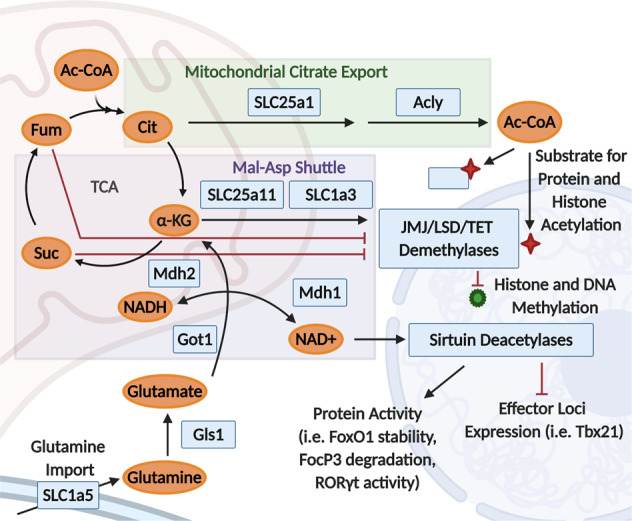
Fig. 2. Metabolic regulation of transcription.
Crosstalk between metabolites generated by citrate cycle (TCA) reactions in the mitochondria and effectors in nucleus/cytosol regulate protein and histone post-translational modifications. Mitochondrial citrate export through the citrate transporter SLC25a1 is a required source of extra-mitochondrial Ac-CoA for protein and histone acetylation. The malate-aspartate shuttle regulates concentrations of α-ketoglutarate (α-KG), succinate (Suc), fumarate (Fum), and FAD, which regulate the activity of the JMJ, LSD, and TET family demethylases. This shuttle also regulates the redox status of the cell, controlling the activity of NAD-activated sirtuin deacetylases.

References

    1. van der Windt GJW, et al. CD8 memory T cells have a bioenergetic advantage that underlies their rapid recall ability. Proc. Natl. Acad. Sci. USA. 2013;110:14336–14341. - PMC - PubMed
    1. Gubser PM, et al. Rapid effector function of memory CD8+ T cells requires an immediate-early glycolytic switch. Nat. Immunol. 2013;14:1064. - PubMed
    1. O’Sullivan D, et al. Memory CD8(+) T cells use cell-intrinsic lipolysis to support the metabolic programming necessary for development. Immunity. 2014;41:75–88. - PMC - PubMed
    1. Bretscher P, Cohn M. A theory of self-nonself discrimination. Science. 1970;169:1042–1049. - PubMed
    1. June CH, Ledbetter JA, Gillespie MM, Lindsten T, Thompson CB. T-cell proliferation involving the CD28 pathway is associated with cyclosporine-resistant interleukin 2 gene expression. Mol. Cell. Biol. 1987;7:4472–4481. - PMC - PubMed

Publication types