


A systematic review on clinical implication of continuous glucose monitoring in diabetes management
- PMID: 32742108
- PMCID: PMC7373113
- DOI: 10.4103/jpbs.JPBS_7_20
A systematic review on clinical implication of continuous glucose monitoring in diabetes management
Abstract
Objective: The aim of this systematic review was to evaluate the clinical implications of continuous glucose monitoring (CGM) among patients with diabetes mellitus using variables that include glycated hemoglobin (HbA1c), estimated A1c, glucose variability, and users' perspectives.
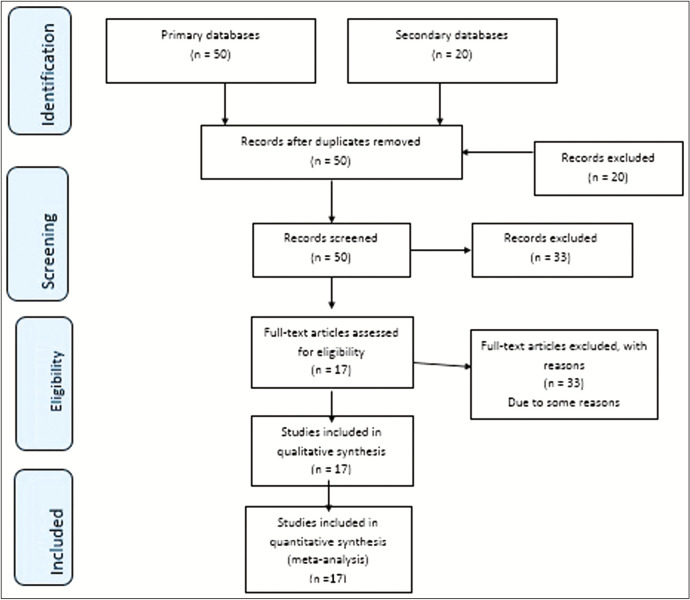
Materials and methods: This study analyzed 17 articles that were identified and studied according to the research question criteria. PRISMA guidelines were used for identification and screening of the literature. The required data were searched using Medscape, PubMed, PROSPERO, Wiley Library, Scopus, Clinical Trial Registry, and Trip.
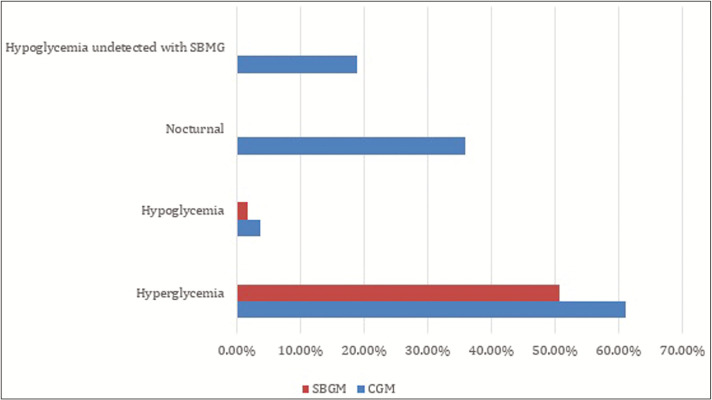
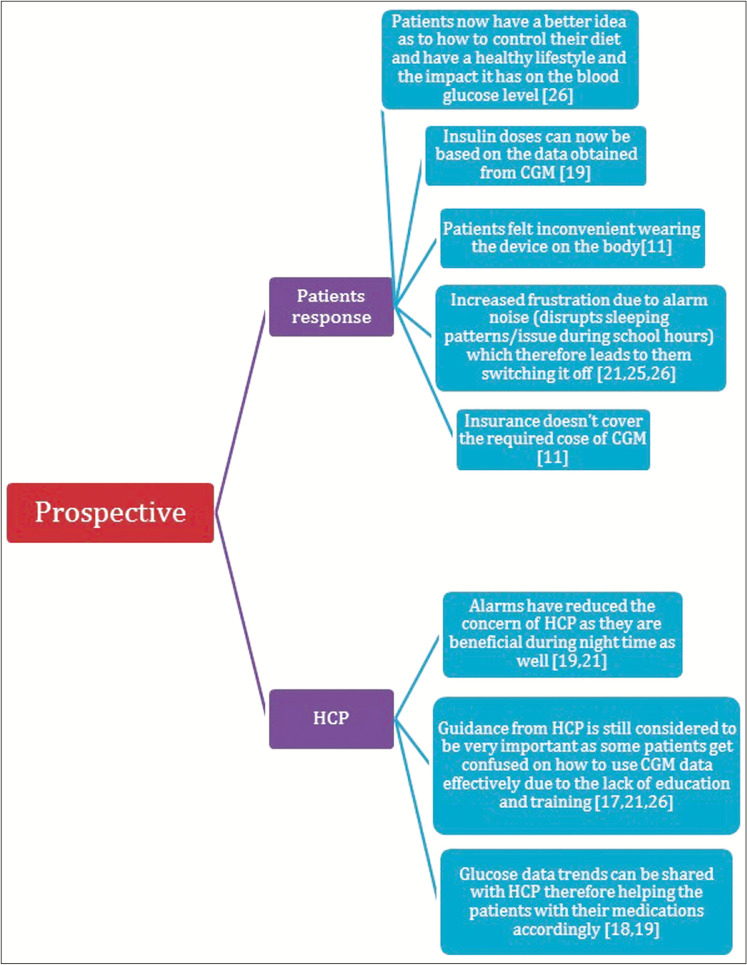
Results: The articles reviewed were on the use of CGM in type 1 and type 2 diabetes mellitus, which showed significant improvement in the levels of HbA1c as compared to non-CGM. The application of CGM on acute sudden onset type of adverse drug reactions (i.e., hypoglycemia) is better than fasting blood sugar or self-monitoring of blood glucose or capillary blood glucose (random blood glucose monitoring). CGM is beneficial for use in patients with type 2 diabetes mellitus including elderly patients as it gives information regarding glucose variability as well as HbA1c levels. The health-care providers require full spectrum of patients' CGM data to design a better therapeutic plan. However, the patients experienced inconvenience on wearing the device on the body for longer periods. The findings also stated the fact that more education and training is required for the patients to interpret their own glycemic data using CGM and modify their lifestyle accordingly. Use of CGM along with HbA1c has also been used to achieve better glycemic results and it allows the health care professional to guide patients in terms of their glucose level; whether they are hypoglycemic or hyperglycemic, however its use has some controversies that minimize its application.
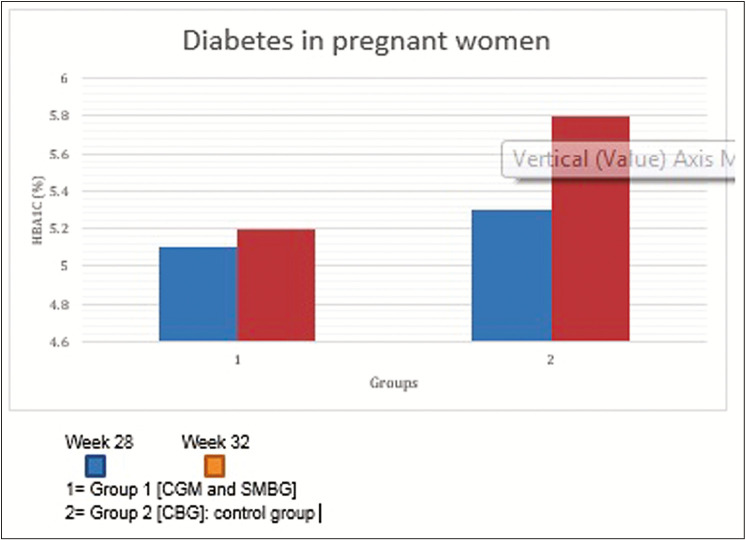
Conclusion: The study concluded that CGM has significant potential in the management of not only patients with type 1 diabetes mellitus but also patients with type 2 diabetes mellitus in spite of the few limitations that are being improvised in the upcoming years. However, limited literature of CGM among patients with type 2 diabetes mellitus and pregnant women reduces the practice scope.
Keywords: Continuous glucose monitoring; diabetes mellitus; estimated A1c; glycated hemoglobin; type 1 diabetes mellitus; type 2 diabetes mellitus.
© 2020 Journal of Pharmacy and Bioallied Sciences.
Conflict of interest statement
There are no conflicts of interest.
Figures
References
-
- International Diabetes Federation. Executive summary IDF diabetes atlas. 6th ed. 2013. [Last accessed on 2019 Oct 10]. (updated on 2014). Available from: www.idf.org/sites/default/files/EN_6E_Atlas_Exec_Sum_1.pdf .
-
- Mehrnoosh K, Ozra T-M, Mostafa Q, Farshad F, Peyvand A, Bagher L. Effect of vitamins C and E on insulin resistance in diabetes: a meta-analysis study. Eur J Clin Invest. 2015;45:1161–74. - PubMed
-
- Tabatabaei-Malazy O, Larijani B, Abdollahi M. A systematic review of in vitro studies conducted on effect of herbal products on secretion of insulin from Langerhans islets. J Pharm Pharm Sci. 2012;15:447–66. - PubMed
Publication types
LinkOut - more resources
Full Text Sources