


Global Epidemiology of Ischemic Heart Disease: Results from the Global Burden of Disease Study
- PMID: 32742886
- PMCID: PMC7384703
- DOI: 10.7759/cureus.9349
Global Epidemiology of Ischemic Heart Disease: Results from the Global Burden of Disease Study
Abstract
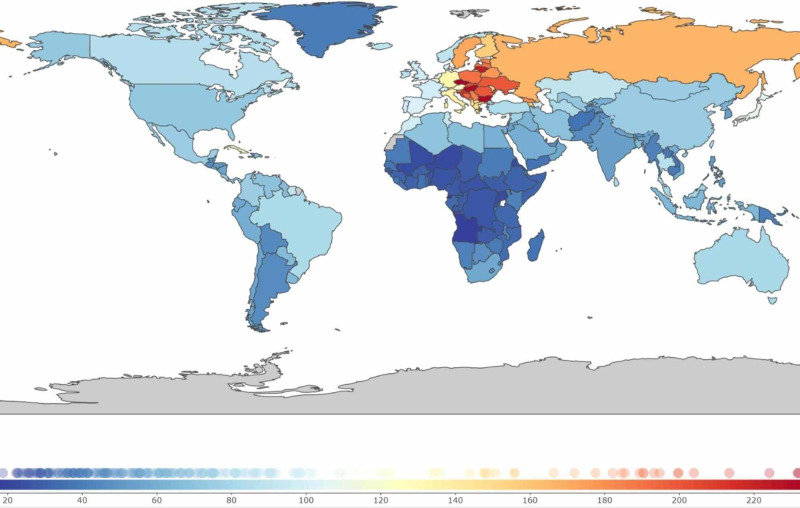
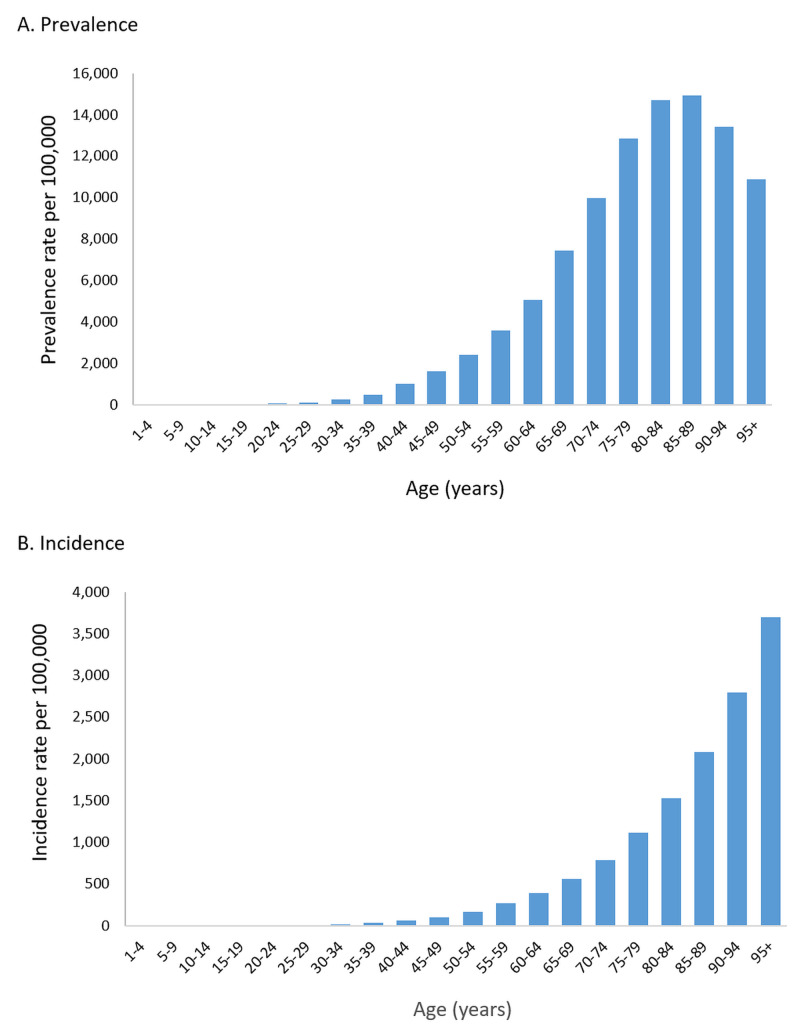
Background Ischemic heart disease (IHD) is a leading cause of death worldwide. Also referred to as coronary artery disease (CAD) and atherosclerotic cardiovascular disease (ACD), it manifests clinically as myocardial infarction and ischemic cardiomyopathy. This study aims to evaluate the epidemiological trends of IHD globally. Methods The most up-to-date epidemiological data from the Global Burden of Disease (GBD) dataset were analyzed. GBD collates data from a large number of sources, including research studies, hospital registries, and government reports. This dataset includes annual figures from 1990 to 2017 for IHD in all countries and regions. We analyzed the incidence, prevalence, and disability-adjusted life years (DALY) for IHD. Forecasting for the next two decades was conducted using the Statistical Package for the Social Sciences (SPSS) Time Series Modeler (IBM Corp., Armonk, NY). Results Our study estimated that globally, IHD affects around 126 million individuals (1,655 per 100,000), which is approximately 1.72% of the world's population. Nine million deaths were caused by IHD globally. Men were more commonly affected than women, and incidence typically started in the fourth decade and increased with age. The global prevalence of IHD is rising. We estimated that the current prevalence rate of 1,655 per 100,000 population is expected to exceed 1,845 by the year 2030. Eastern European countries are sustaining the highest prevalence. Age-standardized rates, which remove the effect of population changes over time, have decreased in many regions. Conclusions IHD is the number one cause of death, disability, and human suffering globally. Age-adjusted rates show a promising decrease. However, health systems have to manage an increasing number of cases due to population aging.
Keywords: atherosclerotic cardiovascular disease; burden of disease; cardiovascular diseases; coronary artery disease; epidemiology; global burden; ischemic heart disease; non-communicable diseases.
Copyright © 2020, Khan et al.
Conflict of interest statement
The authors have declared that no competing interests exist.
Figures

References
-
- Heart disease and stroke statistics-2016 update. A report from the American Heart Association. Mozaffarian D, Benjamin E, Go A, et al. Circulation. 2016;133:0. - PubMed
-
- Frequent use of social networking sites is associated with poor psychological functioning among children and adolescents. Sampasa-Kanyinga H, Lewis RF. Cyberpsychology Behav Soc Netw. 2015;18:380–385. - PubMed
LinkOut - more resources
Full Text Sources
Medical
Miscellaneous