


COVID-19 and diabetes mellitus: how one pandemic worsens the other
- PMID: 32743793
- PMCID: PMC7395898
- DOI: 10.1007/s11154-020-09573-6
COVID-19 and diabetes mellitus: how one pandemic worsens the other
Abstract
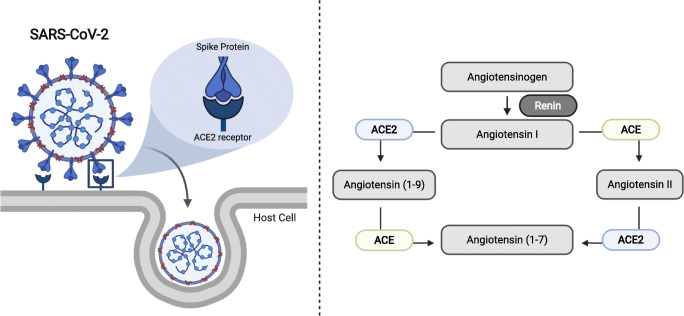
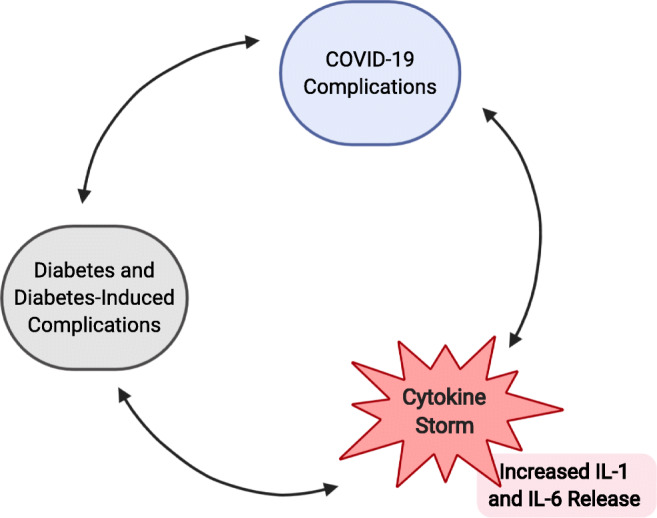
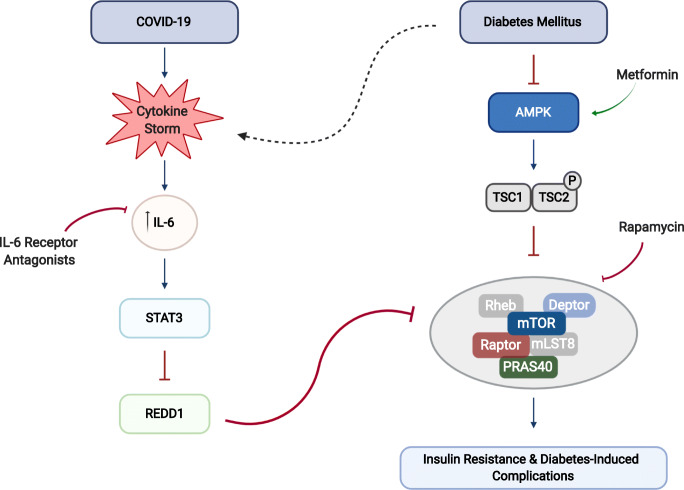
In light of the most challenging public health crisis of modern history, COVID-19 mortality continues to rise at an alarming rate. Patients with co-morbidities such as hypertension, cardiovascular disease, and diabetes mellitus (DM) seem to be more prone to severe symptoms and appear to have a higher mortality rate. In this review, we elucidate suggested mechanisms underlying the increased susceptibility of patients with diabetes to infection with SARS-CoV-2 with a more severe COVID-19 disease. The worsened prognosis of COVID-19 patients with DM can be attributed to a facilitated viral uptake assisted by the host's receptor angiotensin-converting enzyme 2 (ACE2). It can also be associated with a higher basal level of pro-inflammatory cytokines present in patients with diabetes, which enables a hyperinflammatory "cytokine storm" in response to the virus. This review also suggests a link between elevated levels of IL-6 and AMPK/mTOR signaling pathway and their role in exacerbating diabetes-induced complications and insulin resistance. If further studied, these findings could help identify novel therapeutic intervention strategies for patients with diabetes comorbid with COVID-19.
Keywords: Adenosine monophosphate kinase (AMPK); Angiotensin-converting enzyme 2; COVID-19; Cytokine storm; Diabetes mellitus; Mechanistic target of Rapamycin (mTOR).
Conflict of interest statement
The authors declare that they have no conflict of interest.
Figures
References
-
- Organization WH. Middle East respiratory syndrome coronavirus (MERS-CoV)[WHO website]. 2019. 2020.
-
- Nsoesie EO, Rader B, Barnoon YL, Goodwin L, Brownstein J. Analysis of hospital traffic and search engine data in Wuhan China indicates early disease activity in the fall of 2019. 2020.
Publication types
MeSH terms
LinkOut - more resources
Full Text Sources
Medical
Miscellaneous
