Tetrahydrobioterin (BH4) Pathway: From Metabolism to Neuropsychiatry
- PMID: 32744952
- PMCID: PMC8573752
- DOI: 10.2174/1570159X18666200729103529
Tetrahydrobioterin (BH4) Pathway: From Metabolism to Neuropsychiatry
Abstract
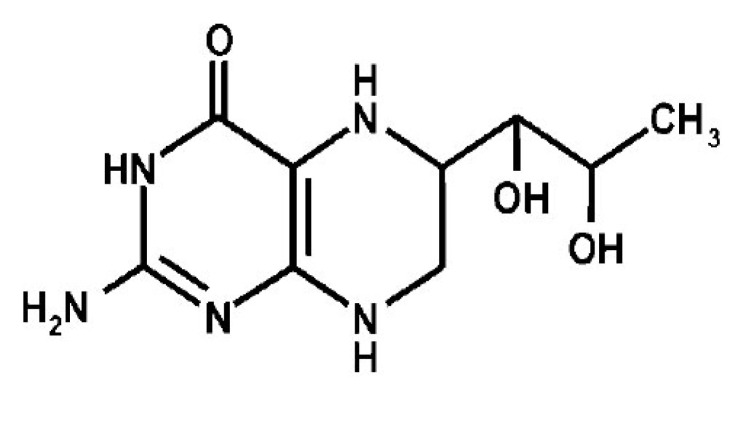
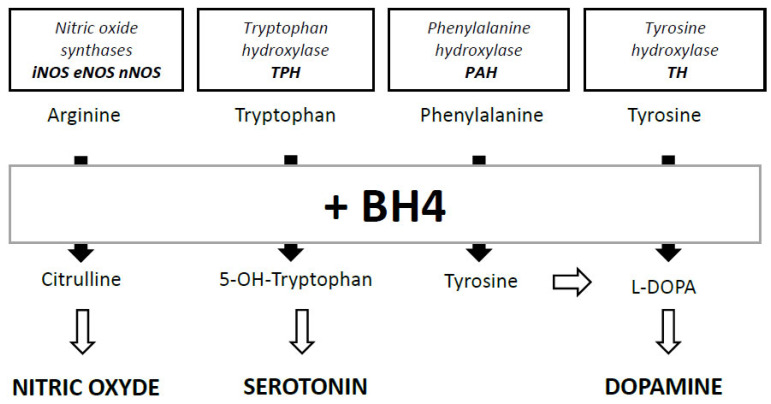
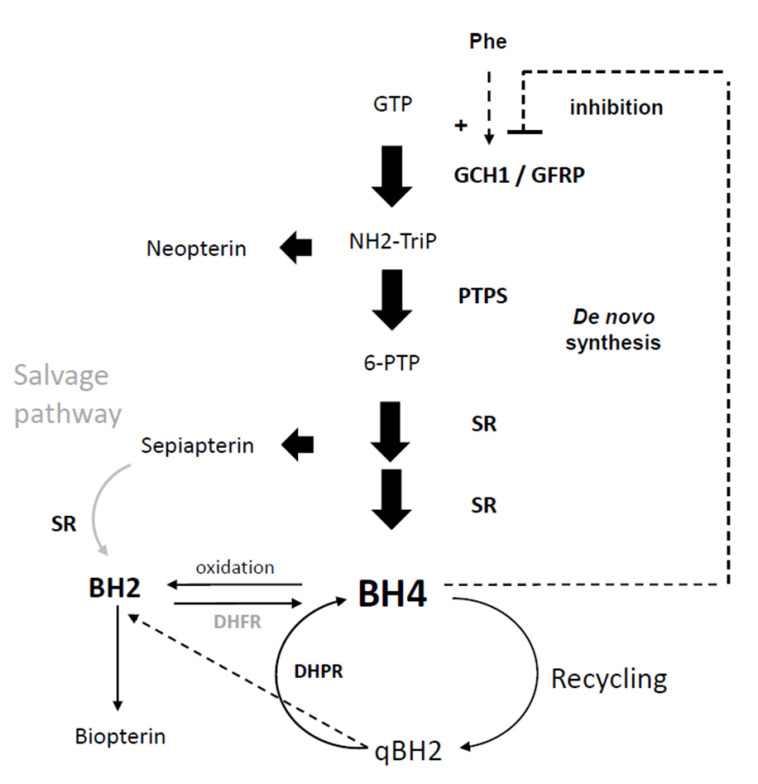
Tetrahydrobipterin (BH4) is a pivotal enzymatic cofactor required for the synthesis of serotonin, dopamine and nitric oxide. BH4 is essential for numerous physiological processes at periphery and central levels, such as vascularization, inflammation, glucose homeostasis, regulation of oxidative stress and neurotransmission. BH4 de novo synthesis involves the sequential activation of three enzymes, the major controlling point being GTP cyclohydrolase I (GCH1). Complementary salvage and recycling pathways ensure that BH4 levels are tightly kept within a physiological range in the body. Even if the way of transport of BH4 and its ability to enter the brain after peripheral administration is still controversial, data showed increased levels in the brain after BH4 treatment. Available evidence shows that GCH1 expression and BH4 synthesis are stimulated by immunological factors, notably pro-inflammatory cytokines. Once produced, BH4 can act as an anti- inflammatory molecule and scavenger of free radicals protecting against oxidative stress. At the same time, BH4 is prone to autoxidation, leading to the release of superoxide radicals contributing to inflammatory processes, and to the production of BH2, an inactive form of BH4, reducing its bioavailability. Alterations in BH4 levels have been documented in many pathological situations, including Alzheimer's disease, Parkinson's disease and depression, in which increased oxidative stress, inflammation and alterations in monoaminergic function are described. This review aims at providing an update of the knowledge about metabolism and the role of BH4 in brain function, from preclinical to clinical studies, addressing some therapeutic implications.
Keywords: Alzhemier; Parkinson; cofactor; depression; guanosine-triphosphate-cyclohydrolase-1 (GCH1); monoamines; tetrahydrobiopterin (BH4).
Copyright© Bentham Science Publishers; For any queries, please email at epub@benthamscience.net.
Figures
References
-
- Lloyd T., Weiner N. Isolation and characterization of a tyrosine hydroxylase cofactor from bovine adrenal medulla. Mol. Pharmacol. 1971;7(6):569–580. - PubMed
Publication types
MeSH terms
Substances
LinkOut - more resources
Full Text Sources
Other Literature Sources