


Genetic variant burden and adverse outcomes in pediatric cardiomyopathy
- PMID: 32746448
- PMCID: PMC8256333
- DOI: 10.1038/s41390-020-1101-5
Genetic variant burden and adverse outcomes in pediatric cardiomyopathy
Abstract
Background: Previous genetic research in pediatric cardiomyopathy (CM) has focused on pathogenic variants for diagnostic purposes, with limited data evaluating genotype-outcome correlations. We explored whether greater genetic variant burden (pathogenic or variants of unknown significance, VUS) correlates with worse outcomes.
Methods: Children with dilated CM (DCM) and hypertrophic CM (HCM) who underwent multigene testing between 2010 and 2018 were included. Composite endpoint was freedom from major adverse cardiac event (MACE).
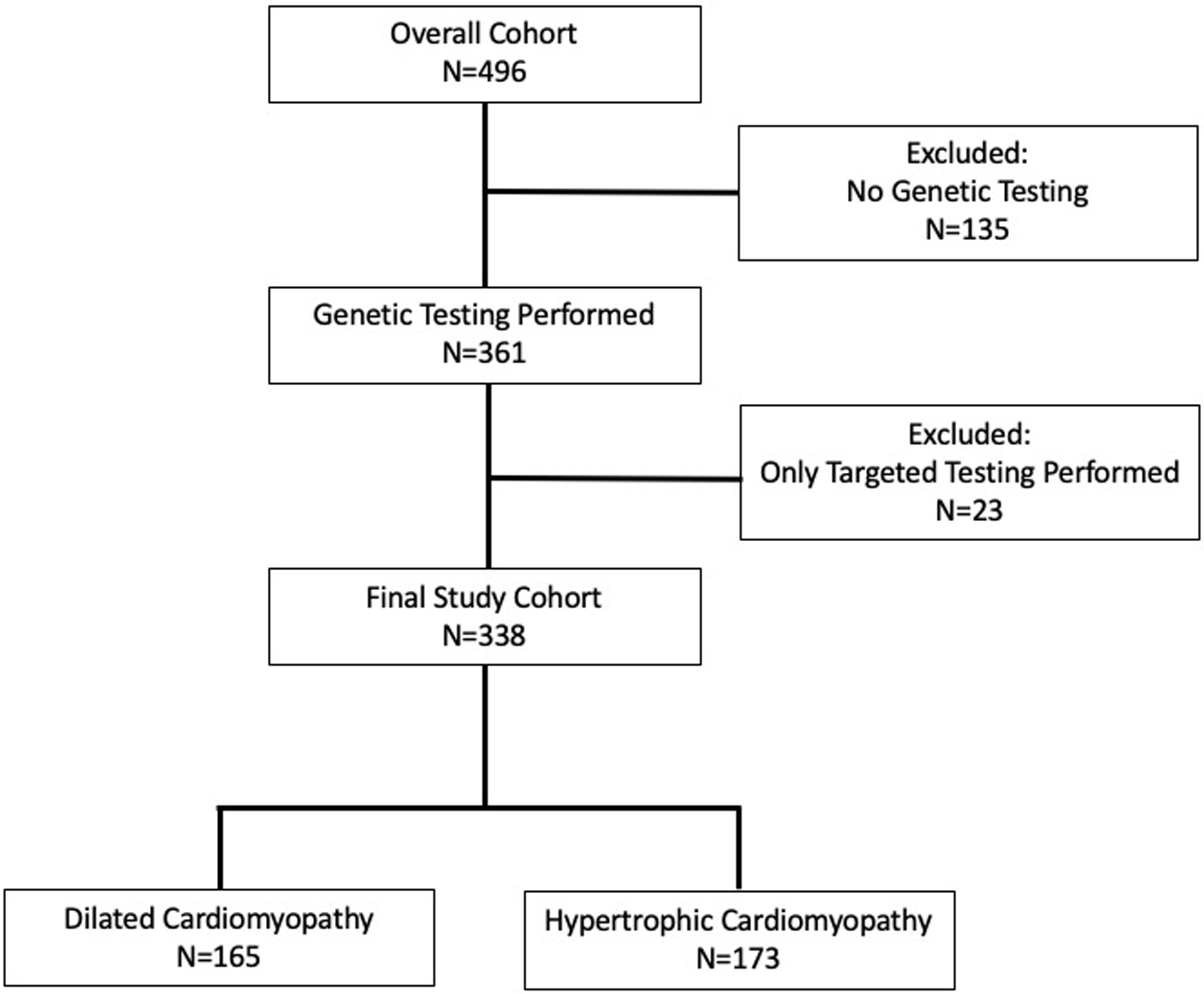
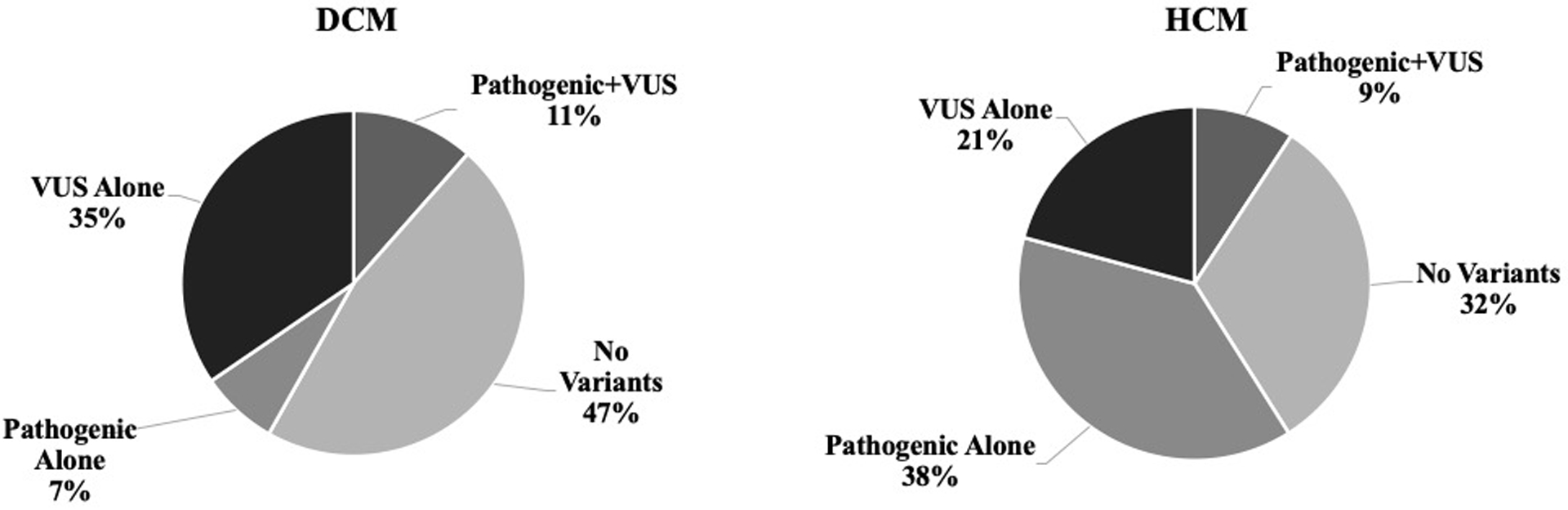
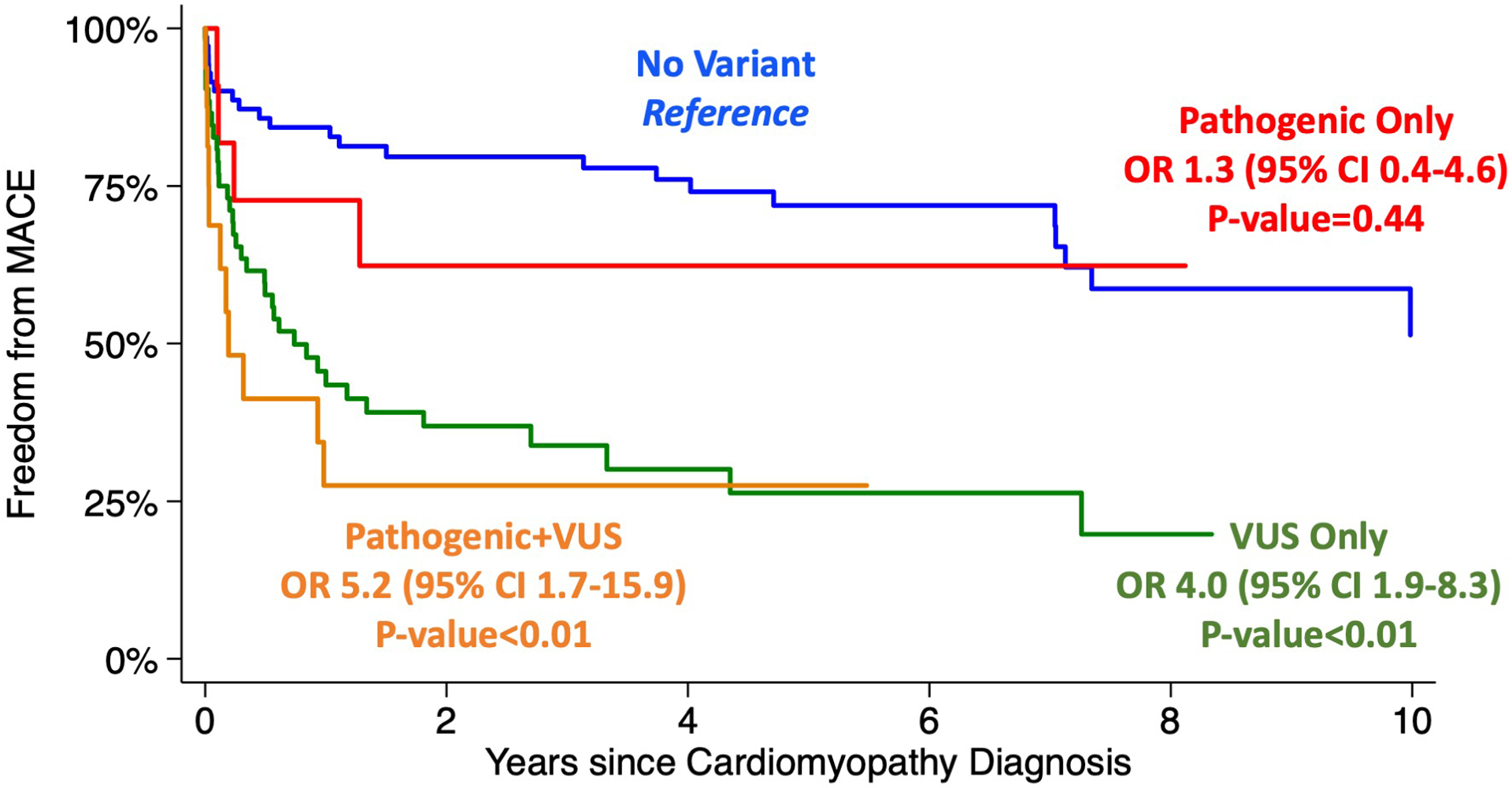
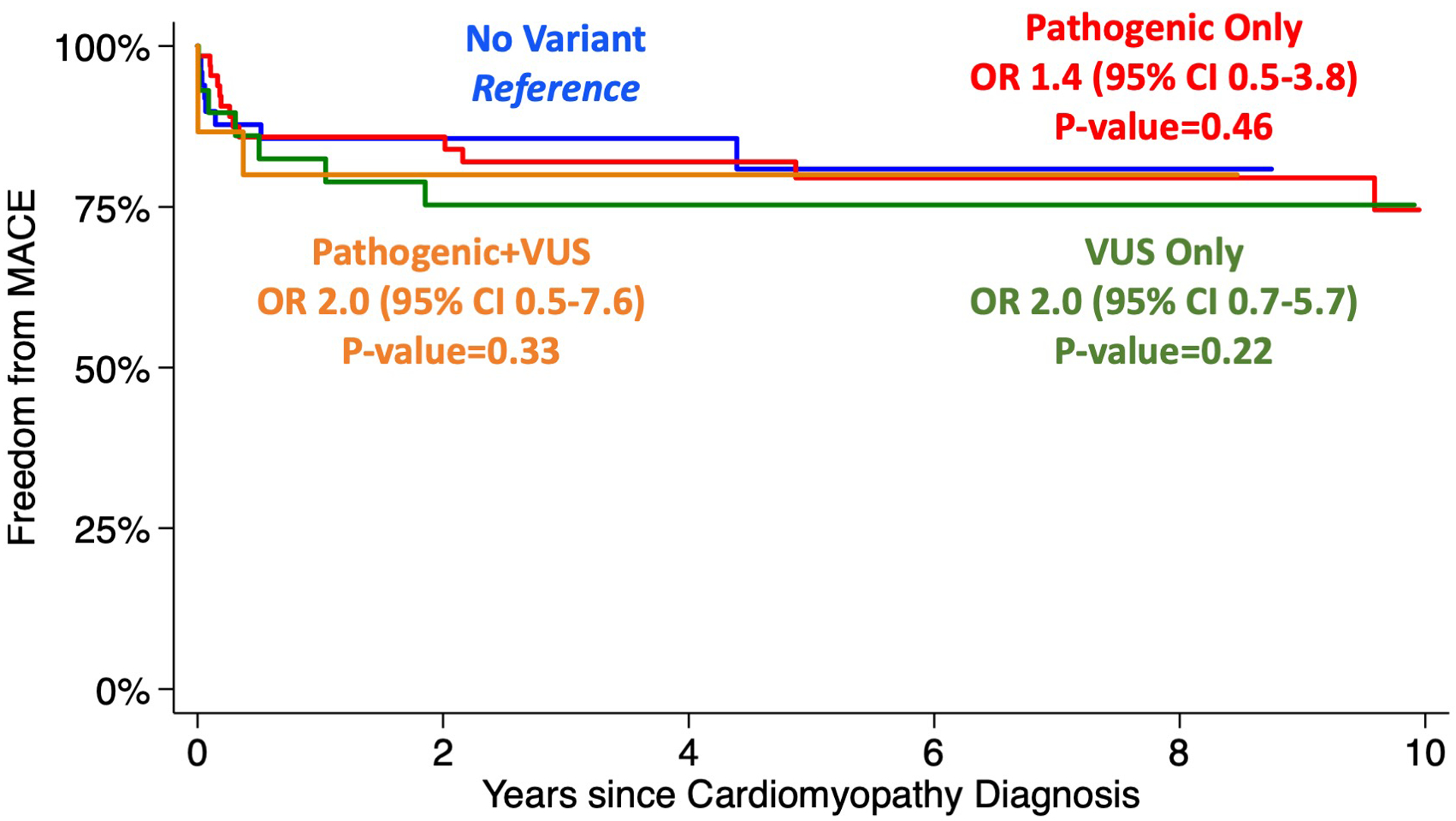
Results: Three hundred and thirty-eight subjects were included [49% DCM, median age 5.7 (interquartile range (IQR) 0.2-13.4) years, 51% HCM, median age 3.0 (IQR 0.1-12.5) years]. Pathogenic variants alone were not associated with MACE in either cohort (DCM p = 0.44; HCM p = 0.46). In DCM, VUS alone [odds ratio (OR) 4.0, 95% confidence interval (CI) 1.9-8.3] and in addition to pathogenic variants (OR 5.2, 95% CI 1.7-15.9) was associated with MACE. The presence of VUS alone or in addition to pathogenic variants were not associated with MACE in HCM (p = 0.22 and p = 0.33, respectively).
Conclusion: Increased genetic variant burden (pathogenic variants and VUS) is associated with worse clinical outcomes in DCM but not HCM. Genomic variants that influence DCM onset may be distinct from those driving disease progression, highlighting the potential value of universal genetic testing to improve risk stratification.
Impact: In pediatric CM, inconsistent findings historically have been shown between genotype and phenotype severity when only pathogenic variants have been considered. Increased genetic variant burden (including both pathogenic variants and VUS) is associated with worse clinical outcomes in DCM but not HCM. Genomic variants that influence CM onset may be distinct from those variants that drive disease progression and influence outcomes in phenotype-positive individuals. Incorporation of both pathogenic variants and VUS may improve risk stratification models in pediatric CM.
Conflict of interest statement
Figures
References
-
- Lipshultz SE, et al. , The incidence of pediatric cardiomyopathy in two regions of the United States. N Engl J Med, 2003. 348(17): p. 1647–55. - PubMed
-
- Pugh TJ, et al. , The landscape of genetic variation in dilated cardiomyopathy as surveyed by clinical DNA sequencing. Genet Med, 2014. 16(8): p. 601–8. - PubMed
-
- Fatkin D, et al. , Precision Medicine in the Management of Dilated Cardiomyopathy: JACC State-of-the-Art Review. J Am Coll Cardiol, 2019. 74(23): p. 2921–2938. - PubMed
-
- Herkert JC, et al. , Toward an effective exome-based genetic testing strategy in pediatric dilated cardiomyopathy. Genet Med, 2018. 20(11): p. 1374–1386. - PubMed
Publication types
MeSH terms
Grants and funding
LinkOut - more resources
Full Text Sources
Medical
