


A Surgeon's handedness in direct anterior approach-hip replacement
- PMID: 32746833
- PMCID: PMC7397678
- DOI: 10.1186/s12891-020-03545-2
A Surgeon's handedness in direct anterior approach-hip replacement
Abstract
Background: The impact of handedness on clinical outcomes was easily overlooked in hip replacement. This study aimed to find whether the component positioning and hip function were affected by the handedness in total hip arthroplasty (THA) through direct anterior approach (DAA).
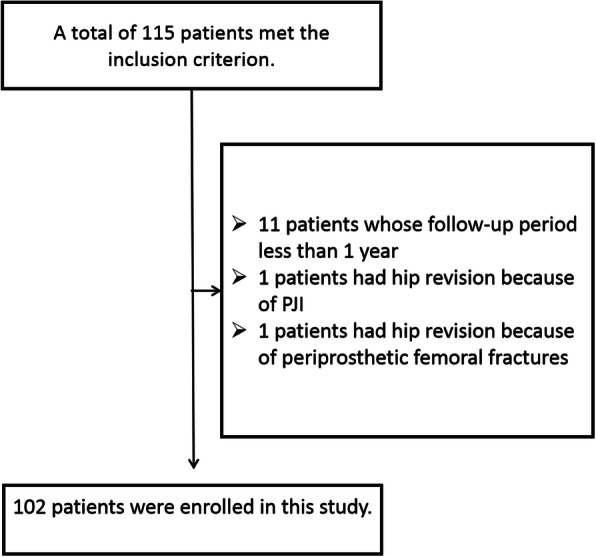
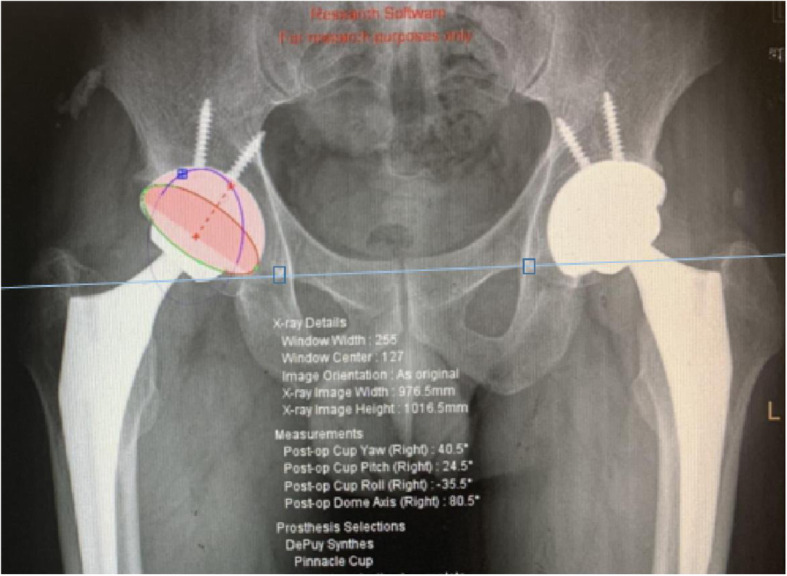
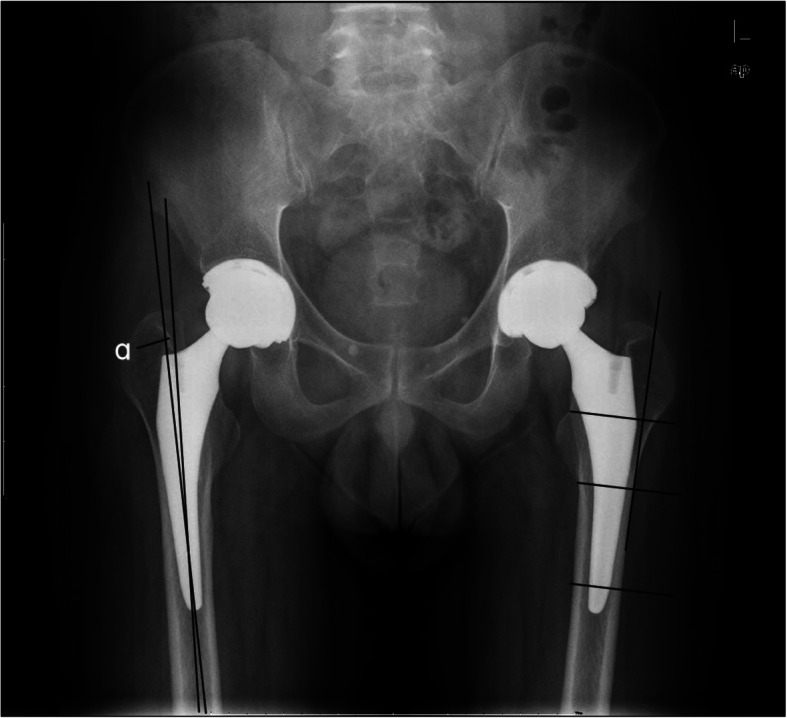
Methods: Total 102 patients who underwent bilateral DAA-THAs simultaneously between May 2016 and November 2018 in our institute were reviewed. All surgeries were operated by one right-handed surgeon. Their demographic, cup positioning, stem alignment, femoral stem fit, Harris hip score (HHS), intraoperative and postoperative complications were used to evaluate the role of handedness in DAA.
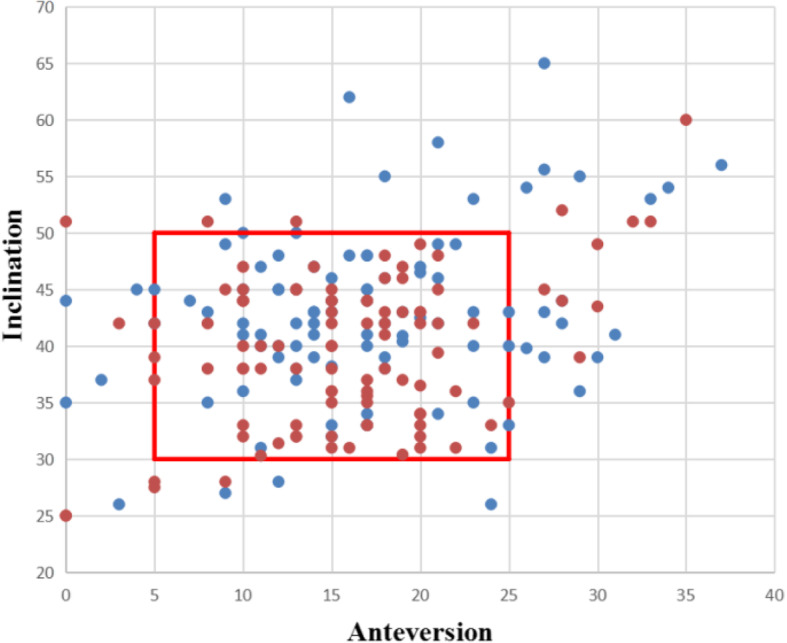
Results: The inclination of left cups was significantly larger than that of right cups (42.61 ± 7.32 vs 39.42 ± 7.19, p = 0.000). The stem fit of left femur was significantly larger than that of right femur (84.34 ± 4.83 vs 82.81 ± 6.07, p = 0.043). No significant differences in safe zone ratio, HHS and complications between bilateral hips were found.
Conclusions: A surgeon's handedness had significant impact on cup's inclination and femoral stem fit in DAA-THA. However, there were no significant differences of cup malpositioning, stem alignment, hip function scores and complications between bilateral DAA-THAs.
Keywords: Cup positioning; Direct anterior approach; Femoral stem fit; Handedness; Total hip arthroplasty.
Conflict of interest statement
The authors declare that they have no competing interests.
Figures
References
-
- Samir M, Lotke Paul A. Impact of surgeon handedness and laterality on outcomes of total knee arthroplasties: should right-handed surgeons do only right TKAs? Am J Orthop. 2007;36:530–533. - PubMed
-
- Moorthy K, Munz Y, Dosis A, et al. Dexterity enhancement with robotic surgery.[J] Surg Endosc. 2004;18:790–795. - PubMed
MeSH terms
LinkOut - more resources
Full Text Sources
Medical
