Review
. 2020:157:118-141.
doi: 10.1016/j.addr.2020.07.026. Epub 2020 Aug 3.

Application of advances in endocytosis and membrane trafficking to drug delivery

Affiliations
Review

Application of advances in endocytosis and membrane trafficking to drug delivery

Yaping Ju et al. Adv Drug Deliv Rev. 2020.

Abstract

Multidisciplinary research efforts in the field of drug delivery have led to the development of a variety of drug delivery systems (DDS) designed for site-specific delivery of diagnostic and therapeutic agents. Since efficient uptake of drug carriers into target cells is central to effective drug delivery, a comprehensive understanding of the biological pathways for cellular internalization of DDS can facilitate the development of DDS capable of precise tissue targeting and enhanced therapeutic outcomes. Diverse methods have been applied to study the internalization mechanisms responsible for endocytotic uptake of extracellular materials, which are also the principal pathways exploited by many DDS. Chemical inhibitors remain the most commonly used method to explore endocytotic internalization mechanisms, although genetic methods are increasingly accessible and may constitute more specific approaches. This review highlights the molecular basis of internalization pathways most relevant to internalization of DDS, and the principal methods used to study each route. This review also showcases examples of DDS that are internalized by each route, and reviews the general effects of biophysical properties of DDS on the internalization efficiency. Finally, options for intracellular trafficking and targeting of internalized DDS are briefly reviewed, representing an additional opportunity for multi-level targeting to achieve further specificity and therapeutic efficacy.

Keywords: CAM-endocytosis; Caveolae-mediated endocytosis; Clathrin-mediated endocytosis; Drug carrier; Drug delivery; Endocytosis; Imaging; Macropinocytosis; Phagocytosis.


Figures

Figure 1.
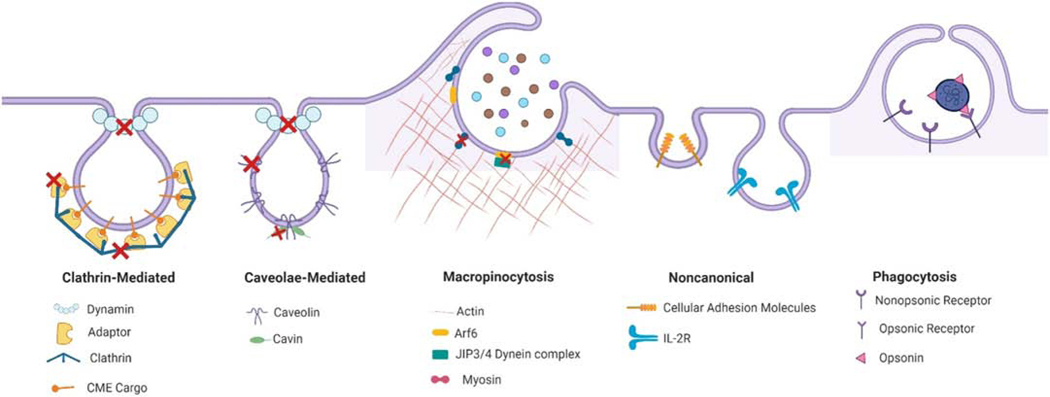
Figure 1.. Schematic summary of the cellular uptake mechanisms and genetic targets which have been utilized to manipulate endocytotic pathways involved in drug delivery.
Red crosses mark the genetic targets used to manipulate the different endocytotic pathways. Targeting of clathrin, adaptor proteins and dynamin all affect clathrin-mediated endocytosis. Genetic methods targeting different members of the caveolin or cavin family and dynamin also disrupt caveolaer-mediated endocytosis in different tissues. Targeting of members of the myosin family, JIP3/4, and Arf6 have been shown to interfere with macropinocytosis. Less consensus exists on the role of specific molecular effectors of the other endocytosis pathways indicated as useful for drug delivery. This schematic was created using BioRender.com
Figure 2.
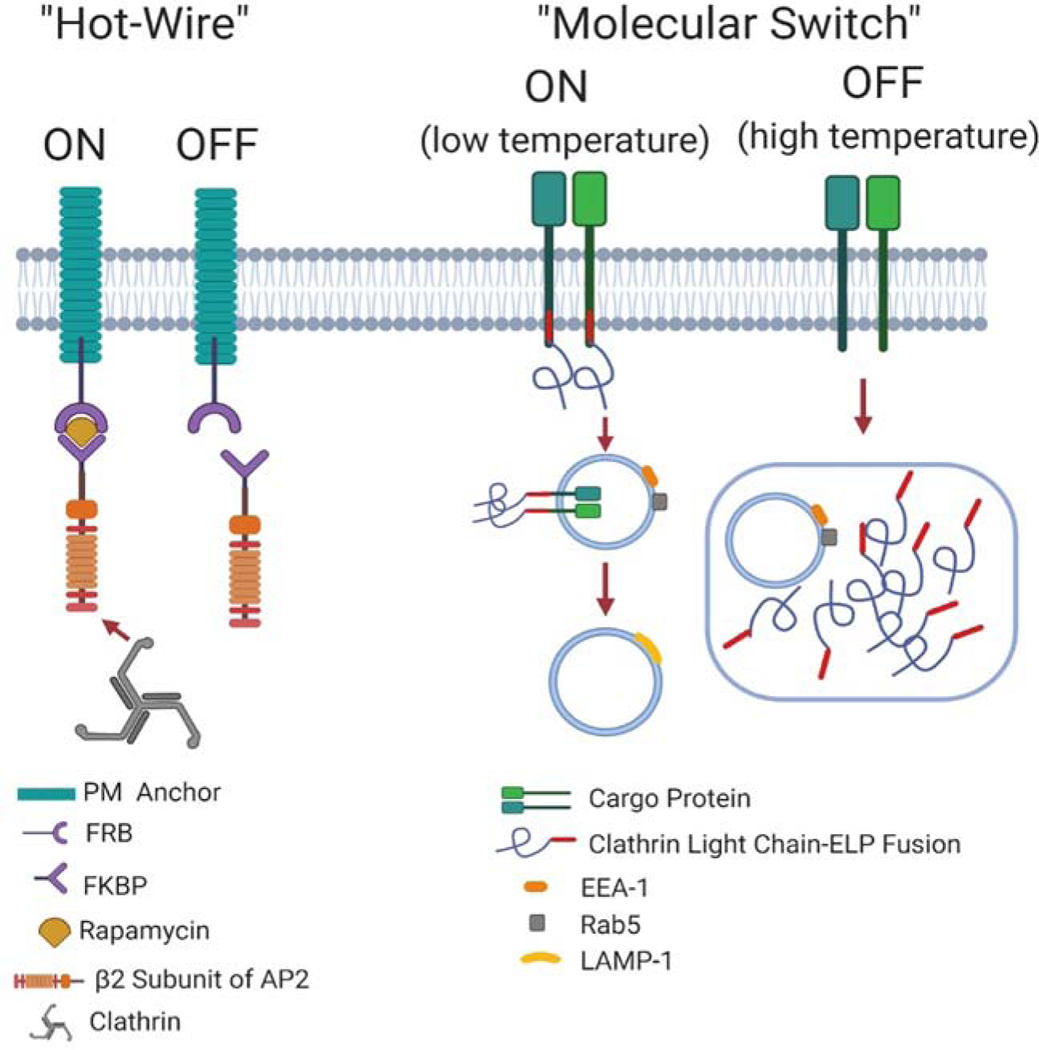
Figure 2.. Schematic illustration of protein engineering methods used to study CME.
For the “Hot-Wire” method, CME is turned on in the presence of rapamycin. The FK506 binding protein (FKBP)-AP2 complex can be recruited to the plasma membrane in the presence of rapamycin through binding to rapamycin binding protein (FRB) which is anchored to the plasma membrane through fusion to a plasma membrane protein. Clathrin can be further recruited to initiate CME. In the absence of rapamycin, the FKBP-AP2 complex cannot bind to FRB. Thus, clathrin will not be recruited to the plasma membrane and CME is turned off. For the ”Molecular Switch ”method, at low temperature, CLC-ELP remains soluble and maintains normal CME function. At high temperature, CLC-ELP forms microdomains and shuts off CME. This schematic was created using BioRender.com
Figure 3.
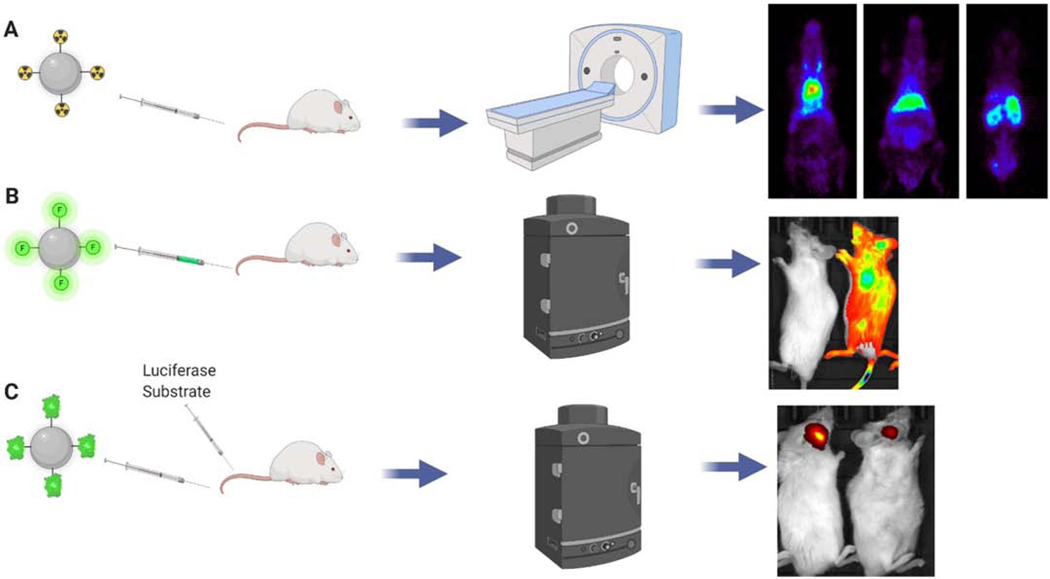
Figure 3.. In Vivo tracking methods for DDS.
A) DDS labeled with radioisotopes can be tracked by PET scanning. B) Fluorescence labeling of the DDS can be used to track in vivo distribution by IVIS. C) The luciferase reporter system can also be used to track DDS distribution by IVIS after treating the animals with luciferase substrate. This schematic was created using BioRender.com
Figure 4.
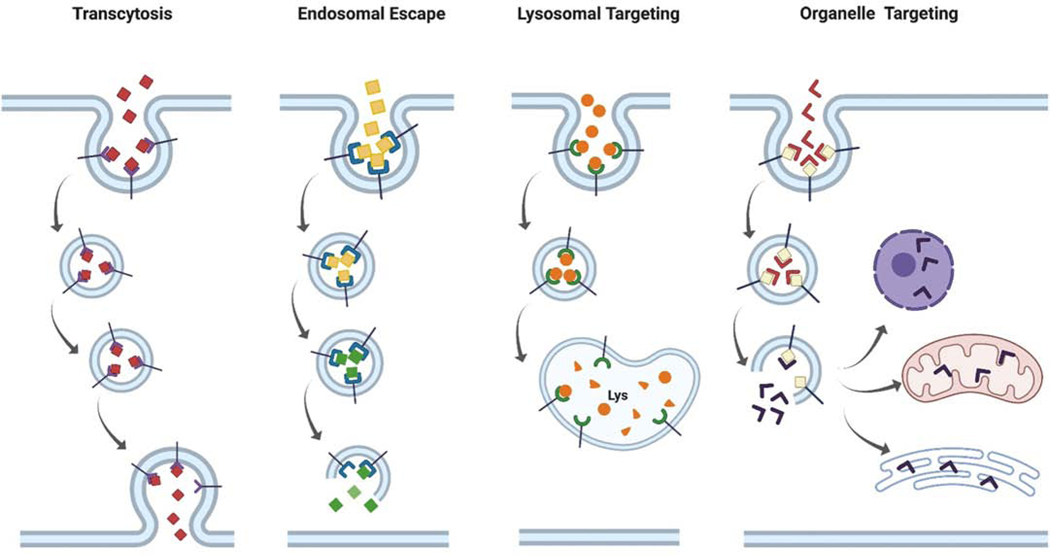
Figure 4.. Schematic illustration of intracellular trafficking related to drug delivery.
After cellular uptake, DDS are usually transported to endosomes, which act as a sorting center for intracellular transport. DDS can be further transcytosed, exit endosomes (with assistance), or be passively or actively targeted to lysosomes. DDS that exit endosomes may be further targeted to other compartments such as mitochondria and ER. Lys: Lysosomes. This schematic was created with BioRender.com

References

    1. Behzadi S, Serpooshan V, Tao W, Hamaly MA, Alkawareek MY, Dreaden EC, Brown D, Alkilany AM, Farokhzad OC, Mahmoudi M, Cellular uptake of nanoparticles: journey inside the cell, Chem Soc Rev, 46 (2017) 4218–4244. - PMC - PubMed
    1. Donahue ND, Acar H, Wilhelm S, Concepts of nanoparticle cellular uptake, intracellular trafficking, and kinetics in nanomedicine, Adv Drug Deliv Rev, 143 (2019) 68–96. - PubMed
    1. Foroozandeh P, Aziz AA, Insight into Cellular Uptake and Intracellular Trafficking of Nanoparticles, Nanoscale Res Lett, 13 (2018) 339. - PMC - PubMed
    1. Duncan R, Richardson SC, Endocytosis and intracellular trafficking as gateways for nanomedicine delivery: opportunities and challenges, Mol Pharm, 9 (2012) 2380–2402. - PubMed
    1. Duncan R, Vicent MJ, Polymer therapeutics-prospects for 21st century: The end of the beginning, Adv Drug Deliv Rev, 65 (2013) 60–70. - PubMed

Publication types