


COVID-19 as a viral functional ACE2 deficiency disorder with ACE2 related multi-organ disease
- PMID: 32758871
- PMCID: PMC7308773
- DOI: 10.1016/j.mehy.2020.110024
COVID-19 as a viral functional ACE2 deficiency disorder with ACE2 related multi-organ disease
Abstract
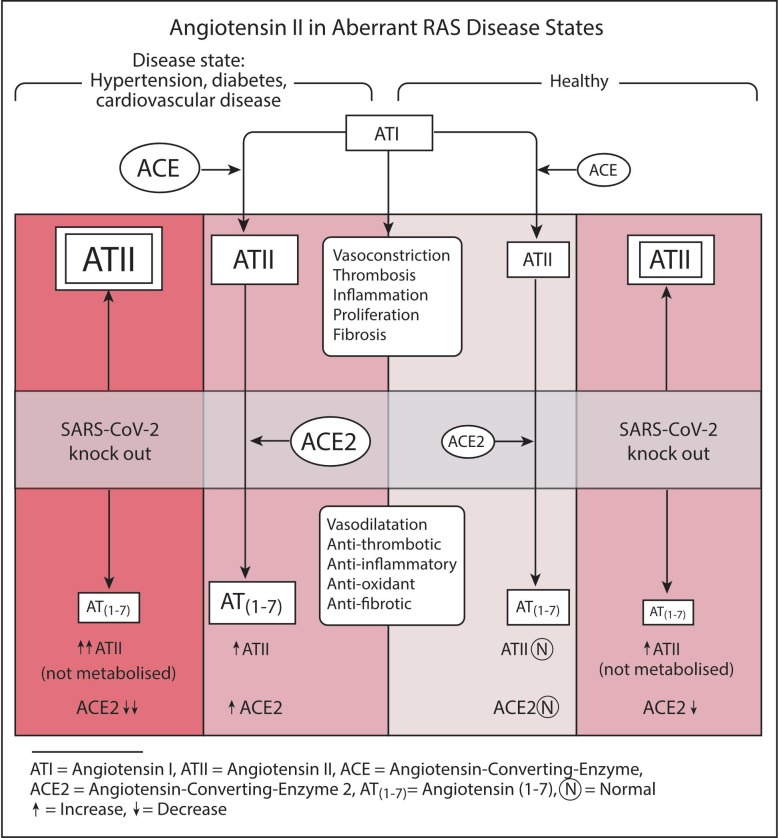
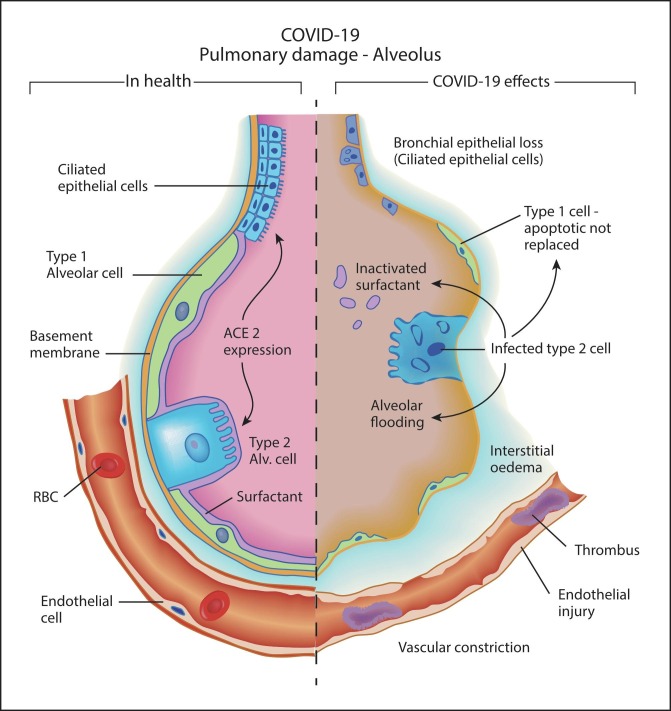
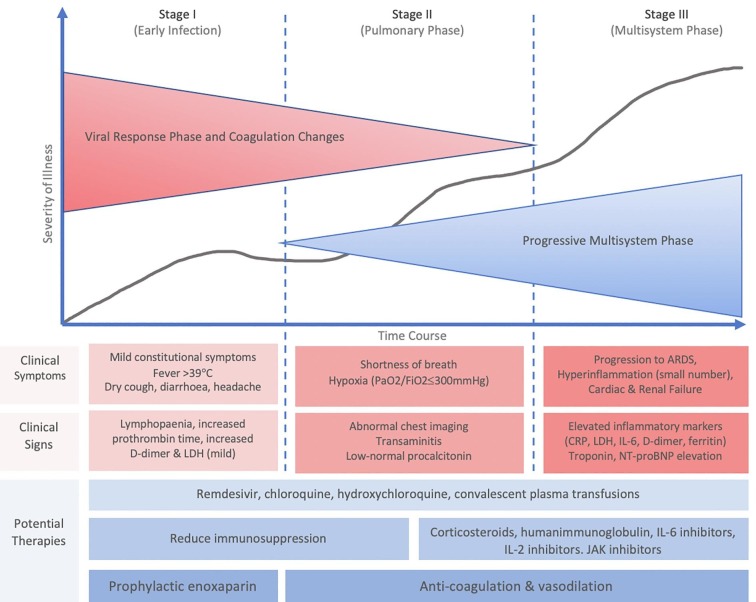
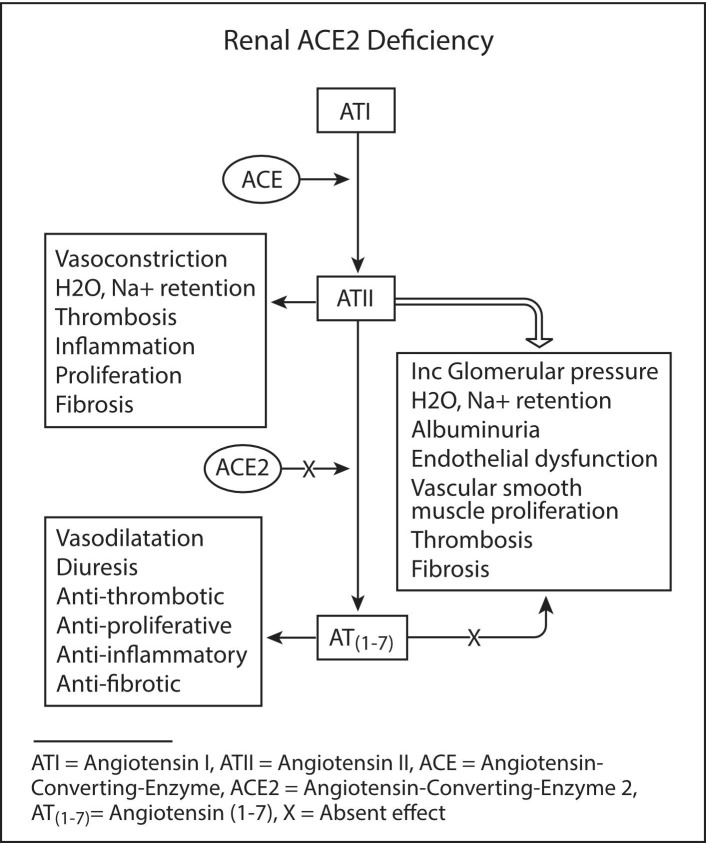
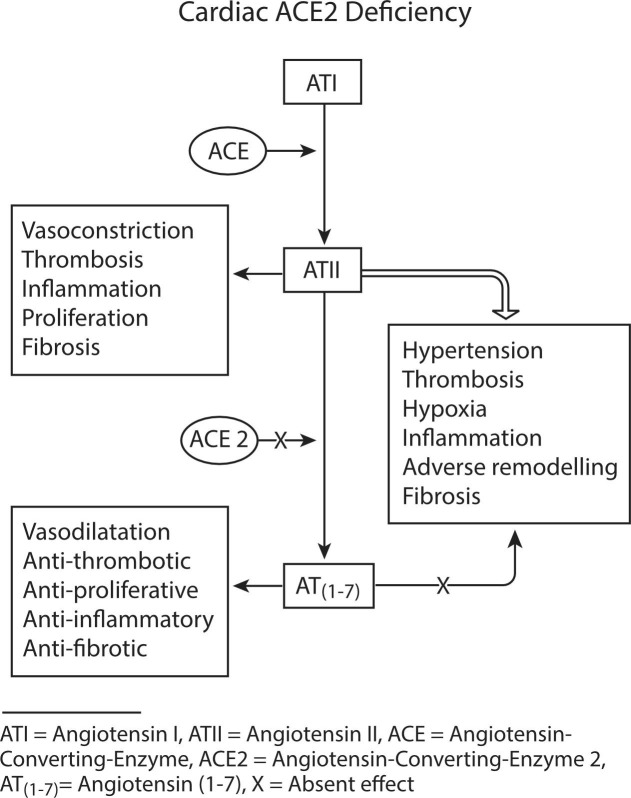
SARS-CoV-2, the agent of COVID-19, shares a lineage with SARS-CoV-1, and a common fatal pulmonary profile but with striking differences in presentation, clinical course, and response to treatment. In contrast to SARS-CoV-1 (SARS), COVID-19 has presented as an often bi-phasic, multi-organ pathology, with a proclivity for severe disease in the elderly and those with hypertension, diabetes and cardiovascular disease. Whilst death is usually related to respiratory collapse, autopsy reveals multi-organ pathology. Chronic pulmonary disease is underrepresented in the group with severe COVID-19. A commonality of aberrant renin angiotensin system (RAS) is suggested in the at-risk group. The identification of angiotensin-converting-enzyme 2 (ACE2) as the receptor allowing viral entry to cells precipitated our interest in the role of ACE2 in COVID-19 pathogenesis. We propose that COVID-19 is a viral multisystem disease, with dominant vascular pathology, mediated by global reduction in ACE2 function, pronounced in disease conditions with RAS bias toward angiotensin-converting-enzyme (ACE) over ACE2. It is further complicated by organ specific pathology related to loss of ACE2 expressing cells particularly affecting the endothelium, alveolus, glomerulus and cardiac microvasculature. The possible upregulation in ACE2 receptor expression may predispose individuals with aberrant RAS status to higher viral load on infection and relatively more cell loss. Relative ACE2 deficiency leads to enhanced and protracted tissue, and vessel exposure to angiotensin II, characterised by vasoconstriction, enhanced thrombosis, cell proliferation and recruitment, increased tissue permeability, and cytokine production (including IL-6) resulting in inflammation. Additionally, there is a profound loss of the "protective" angiotensin (1-7), a vasodilator with anti-inflammatory, anti-thrombotic, antiproliferative, antifibrotic, anti-arrhythmic, and antioxidant activity. Our model predicts global vascular insult related to direct endothelial cell damage, vasoconstriction and thrombosis with a disease specific cytokine profile related to angiotensin II rather than "cytokine storm". Our proposed mechanism of lung injury provides an explanation for early hypoxia without reduction in lung compliance and suggests a need for revision of treatment protocols to address vasoconstriction, thromboprophylaxis, and to minimize additional small airways and alveolar trauma via ventilation choice. Our model predicts long term sequelae of scarring/fibrosis in vessels, lungs, renal and cardiac tissue with protracted illness in at-risk individuals. It is hoped that our model stimulates review of current diagnostic and therapeutic intervention protocols, particularly with respect to early anticoagulation, vasodilatation and revision of ventilatory support choices.
Copyright © 2020 The Authors. Published by Elsevier Ltd.. All rights reserved.
Conflict of interest statement
The authors declare that they have no known competing financial interests or personal relationships that could have appeared to influence the work reported in this paper.
Figures
Comment in
-
Is there an underlying link between COVID-19, ACE2, oxytocin and vitamin D?Med Hypotheses. 2021 Jan;146:110360. doi: 10.1016/j.mehy.2020.110360. Epub 2020 Nov 11. Med Hypotheses. 2021. PMID: 33214002 Free PMC article. No abstract available.
References
-
- ICNARC report on COVID-19 in critical care. https://www.icnarc.org/Our-Audit/Audits/Cmp/Reports. 2020, Accessed 28 March 2020.
MeSH terms
Substances
LinkOut - more resources
Full Text Sources
Medical
Miscellaneous
